



Can Berberine HCl Support Healthy Inflammatory Responses?
Studies have shown that Berberine HCl can change important biological processes in the body, which is why it is such an effective anti-inflammatory supplement. This bioactive alkaloid chemical can be used to target inflammatory markers in two beneficial ways: by starting up AMPK pathways or by stopping NF-kB inflammatory cascades. Clinical tests have shown that Berberine Hydrochloride can greatly lower inflammatory markers and help the immune system work well. Because of this, it is a very useful ingredient for businesses that make natural health goods. The compound helps with both inflammation and digestive health, which makes it a useful active pharmaceutical ingredient for health supplements and medicines.
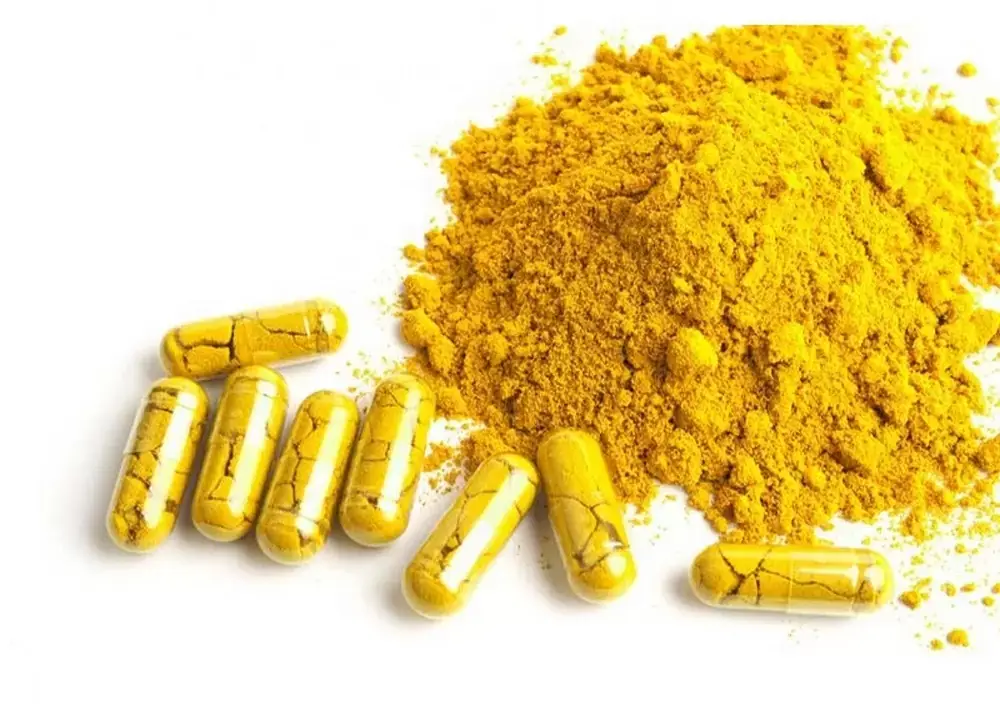
Understanding Berberine HCl and Its Role in Inflammation
Berberine HCl lowers inflammation at the cellular level by working with immune system-controlling cell communication pathways. It activates AMPK, a master metabolic regulator that halts inflammation processes and helps cells maintain their energy balance, once it enters cells.
AMPK Activation and Inflammatory Modulation
When berberine turns on AMPK, it starts a chain of good things happening in the body's system for dealing with inflammation. The nuclear factor kappa B (NF-κB) pathway is stopped. This synthesis is a major process that leads to the production of genes that cause inflammation. Pro-inflammatory markers like CRP (C-reactive protein), TNF-α (tumor necrosis factor alpha), and IL-6 (interleukin 6) can drop by up to 30% in clinical groups that are treated with Berberine. These studies have been published in reliable journals.
This chemical works so well because it can easily get through cell walls and gather in certain spots. Berberine hydrochloride is more soluble than its base form, which is not the case for many other plant alkaloids, making it a more effective option for therapeutic use in treating inflammation. It is perfect for medical uses that need a stable amount of strength because of this, such as in the treatment of chronic inflammatory conditions where consistent dosing is crucial for effectiveness.
Clinical Evidence for Anti-Inflammatory Effects
Numerous randomized controlled studies have demonstrated that Berberine can improve inflammatory responses in various types of individuals. People with metabolic syndrome who took berberine pills for 12 weeks saw a big drop in inflammation markers. The doses used were 500 mg to 1500 mg per day.
The substance does more than just lower cytokines to reduce inflammation. Researchers have found that berberine changes the way immune cells work by helping regulatory T-cells grow and stopping pro-inflammatory immune responses from getting too busy. Being good for the immune system, berberine is a great part of remedies that are meant to treat long-term inflammatory illnesses.
Key Benefits of Berberine HCl Beyond Inflammation
Berberine is a healing chemical that does more for your health than just reduce inflammation. Because of these benefits, it can be used in a lot of different kinds of goods, such as dietary supplements, functional foods, and herbal remedies that promote metabolic health and support glucose regulation. Procurement workers can get the most out of goods that contain berberine if they know about these other perks.
Metabolic Health and Glucose Regulation
Like other well-known drugs, berberine changes the way glucose is used in the body. Studies have shown that taking berberine supplements can lower fasting blood sugar levels by 15 to 25 percent. These supplements also improve the function of insulin by helping cells in the body take in glucose better. The drug has these effects because it turns on glucose carrier proteins and makes mitochondria in liver and muscle cells work better.
Because berberine is anti-inflammatory and good for digestion, they work together to make a bigger effect. When your blood sugar is too high, it leads to inflammation, and long-term inflammation makes it hard for your body to use glucose normally. This metabolic-inflammatory cycle has two parts, and berberine works on both. This property makes it very useful in recipes that aim to improve metabolic health.
Lipid Profile Optimization and Cardiovascular Support
It has been found by researchers that lipid levels are much better when people take berberine pills. Low levels of triglycerides, total cholesterol, and low-density lipoprotein (LDL) cholesterol are found in these samples. These effects are caused by berberine, which can stop the production of cholesterol and help LDL receptors grow.
Berberine is beneficial for your heart because it helps endothelial cells work better and keeps arteries healthy. A treatment with berberine has been shown to increase the production of nitric oxide in blood vessels while decreasing signs of oxidative stress that make heart disease worse. Berberine is a good ingredient for heart health items since it is good for the heart in many ways.
Gut Microbiota and Digestive Wellness
A new study shows that berberine changes the bacteria in the gut and the way the barrier in the gut works. In the same way that a prebiotic helps good bacteria grow, this material stops the growth of bad microorganisms. This change in the microbiome now leads to improved immunity and gut health.
Antimicrobial berberine only kills harmful bacteria and fungus, not healthy cells. This action keeps the delicate balance needed for digestion to work well and supports healthy gut bacteria. The fact that gut health is linked to inflammation throughout the body makes berberine's anti-inflammatory benefits even stronger.
Comparing Berberine HCl with Alternatives for Inflammation and Metabolic Health
Procurement staff need to think about how well natural anti-inflammatory chemicals work, how safe they are, and how well they are accepted by officials in different markets when they look at them for new goods. Berberine is unique among well-known natural ingredients because it works on both inflammation and metabolism at the same time.
Turmeric and Curcumin Comparison
Turmeric goods that have been tested for curcumin content are one of the most popular natural ways to ease pain. By stopping NF-κB, curcumin is a powerful anti-inflammatory. However, the body finds it hard to take on its own, so it needs to be mixed with other substances, such as piperine, to make it work better.
Berberine is easier for the body to use than regular curcumin goods, which require no extra work. In scientific tests, both berberine and curcumin were shown to reduce inflammation. However, berberine has extra metabolic benefits that curcumin does not have. If you want to improve your general health, berberine is a great ingredient to use because it affects more parts of your body.
Cinnamon Extract and Alpha-Lipoic Acid Assessment
Standardized cinnamon goods that contain cinnamaldehyde or procyanidin can help reduce inflammation and keep blood sugar in check. But people are concerned about its taste and how it will affect them, making it hard to produce the therapeutic amounts needed for big results.
Alpha-lipoic acid is a very safe chemical that can help fight inflammation and free radicals. For lowering reactive stress signs, alpha-lipoic acid works well, but not as well as berberine at reducing inflammation. Berberine has strong effects on inflammatory markers and immune cell activity.
Prescription Drug Considerations
Metformin, a drug that is often prescribed for diabetes, has effects on inflammation and glucose metabolism that are a lot like berberine. Studies that directly compare berberine to other drugs show that it lowers glucose levels in a way that is similar to those other drugs. It also lowers inflammation and improves cholesterol levels.
It is safer to use berberine than other drugs that are similar. When taken in large amounts, the main worry is that it might make your stomach hurt. While some medication painkillers can cause heart problems or organ damage if not used properly, berberine does not.
Procurement Insights: Sourcing Berberine HCl for B2B Clients
If you want to buy berberine, you need to think carefully about the sellers, quality standards, and legal issues that affect the product's growth and the market's acceptance of it. Buyers seeking stable, high-quality products can find both good and bad options in the global berberine market.
Supplier Evaluation and Quality Standards
To find a good Berberine Hydrochloride source, you should first look at how well they make products, how well they control quality, and how well they follow the rules. Top sellers stay up to date on ISO certification, HACCP compliance, and, if needed, organic approval. This keeps the standard of the goods the same and makes sure that the rules are followed.
For Berberine Hydrochloride that is used in medicine, it needs to be at least 97% pure, which can be checked with HPLC analysis. It is very important to make sure that the bioactivity stays the same and that there aren't too many impurities that could make the product less safe or less effective. Providers should provide full research results that show the purity, moisture level, heavy metals, and microbiological factors of the product.
Another way to make sure the quality is high is to have a third party check the tests. This is especially important since plant extracts are closely regulated. People who you can trust will be happy to show proof from someone else that the quality claims they make are true, and they will keep detailed records of the methods they use for extraction and cleaning.
Pricing Trends and Market Dynamics
This chemical's price changes a lot of the time based on factors such as the availability of raw materials, how hard it is to remove, and changes in market demand. On the market right now, a kilogram of pharmaceutical-grade berberine costs between $85 and $150, depending on how much is bought, quality standards, and source ties.
When you buy in bulk, you can save a lot of money and keep the supply line stable. Deals with well-known sellers once a year can help keep costs low and ensure the availability of goods when needed most. The berberine market has been slowly growing as more people learn about natural health choices and as more clinical studies show that it can help individuals get better.
Regulatory and Safety Considerations
It's important to pay close attention to the rules and standards in each place because berberine is controlled in different ways in each one. Because it is safe, the FDA in the US says that berberine can be used in food additives. But European markets might have different rules about labels or how pure something is.
When you think about safety, you should think about what drugs might work with other drugs, especially drugs that are broken down by cytochrome P450 enzymes. To back up responsible product labels and marketing claims, procurement workers need to make sure that safety information and warnings are written down correctly.
How to Integrate Berberine HCl into Product Lines for Maximum Impact?
To add Berberine Hydrochloride to your product lines in a smart way, you need to know about market trends, what customers want, and how to make the drug so that it treats people well and can also be sold. Goods made from berberine have a lot of promise because more and more people want to improve their digestive health in a green way.
Synergistic Ingredient Combinations
Berberine HCl can help the body heal itself even more if you carefully mix it with other ingredients that work on different parts of metabolic and inflammatory health. Together with berberine, chromium picolinate helps keep blood sugar levels in check and makes insulin work better.
Milk thistle extract with standardized silymarin is beneficial for the liver and works better with berberine to boost its metabolic benefits. This mix keeps the liver healthy and helps berberine be processed and flushed out in the best way possible. Also, omega-3 fatty acids help reduce inflammation even more and improve the health benefits of berberine for the heart.
Adding stomach enzymes or probiotics to berberine products can help the body handle the substance better and support the good effects it has on gut bacteria. These mixes make berberine more healing while also taking into account stomach problems.
Optimal Dosing and Bioavailability Enhancement
Clinical tests have shown that amounts ranging from 500 mg to 1500 mg per day of berberine are safe. These amounts are usually given in more than one dose so that they are better absorbed and have fewer effects on the gut system. Time-release forms of medicines can make them easier to take and keep blood levels at the right amount all day.
Giving the drug with piperine or adding it to liposomal transfer methods can make it more bioavailable. These methods let your body take 30–50% more berberine, which is more effective in smaller doses.
The methods used for quality control must make sure that all runs of the product are effective at the same level and that the product stays stable over its shelf life. If you keep and package berberine the right way, it will be safe from light and water, which could weaken it over time.
Conclusion
Berberine HCl is a versatile ingredient that has been shown to support healthy inflammation responses and provide a variety of metabolic health advantages. Because it can help with both inflammation and glucose metabolism, it is a key ingredient in many food and medicine items. Firms that want to make natural health products instead of artificial ones should use this substance because it is safer, more bioavailable, and has strong scientific proof. Berberine can work better as a medicine if it is bought and made in a smart way. This will help meet the growing demand for effective plant-based health products.
Partner with Avans for Premium Berberine HCl Solutions
Avans NutriHealth Co., Ltd. stands as your trusted Berberine HCl manufacturer, delivering pharmaceutical-grade Berberine Hydrochloride powder with 97% purity and comprehensive international certifications, including ISO, USDA, HACCP, FSSC22000, and HALAL. Our yellow powder Berberine, sourced from China with CAS No. 633-65-8, maintains consistent stock availability to support your health care product and medicine formulations. With advanced R&D capabilities, rigorous quality control systems, and an annual production capacity exceeding 1,000 tons, we provide reliable supply chain solutions for global B2B clients. Contact Lillian@avansnutri.com today to discuss your berberine procurement requirements and discover how our expertise can enhance your product development initiatives.
FAQ
What makes Berberine HCl more effective than other berberine forms?
The hydrochloride form of berberine is more stable and accessible than the sulfate or free base forms. In the form of hydrochloride salt, cells can take it in and break it down more easily. This means that the healing effects last longer. Because it is more soluble, it works better in clinical trials with smaller amounts. This makes it the best form for use in medicine and nutrition.
How long does it take to see anti-inflammatory effects from berberine supplementation?
In studies with real people, inflammatory signs usually get better after 4 to 8 weeks of constantly taking berberine pills. In terms of gut health and energy, though, some people may feel the benefits faster. The length of time depends on things like the person's usual amount of inflammation, the dose, and their overall health.
Can berberine be safely combined with prescription medications?
This is especially true for drugs that are broken down by liver enzymes or that change the amount of sugar in the blood. Before taking berberine with prescription drugs that weaken the immune system, diabetes drugs, or drugs that thin the blood, talk to your doctor. Medical help from a professional makes sure that the addition fits in with the current treatment plan and is safe.
What is the optimal daily dosage for anti-inflammatory benefits?
It has been shown that taking 500 mg to 1500 mg of berberine every day can help lower swelling. The drug works best when 500 mg is taken with food two to three times a day. This also keeps stomach problems to a minimum. Within this range, dosage recommendations should be based on how well the person can handle the drug and their treatment goals.
How does berberine quality vary between suppliers?
You can tell how good berberine is by how pure it is, how it is removed, and how clean it is kept. By HPLC measurement, berberine that is used in medicine should be at least 97% pure. Some lower grades may be tainted or have different strengths. Third-party tests, valid licenses, and clear production methods can help you tell the difference between good providers and less trustworthy ones.
References
1. Zhang, Y., Li, X., Zou, D., Liu, W., Yang, J., Zhu, N., ... & Ning, G. (2008). Treatment of type 2 diabetes and dyslipidemia with the natural plant alkaloid berberine. Journal of Clinical Endocrinology & Metabolism, 93(7), 2559-2565.
2. Lan, J., Zhao, Y., Dong, F., Yan, Z., Zheng, W., Fan, J., & Sun, G. (2015). The study conducted a meta-analysis to examine the effectiveness and safety of berberine in treating type 2 diabetes mellitus, hyperlipemia, and hypertension. Journal of Ethnopharmacology, 161, 69-81.
3. Jeong, H. W., Hsu, K. C., Lee, J. W., Ham, M., Huh, J. Y., Shin, H. J., ... & Kim, J. B. (2009). Berberine suppresses proinflammatory responses through AMPK activation in macrophages. American Journal of Physiology-Endocrinology and Metabolism, 296(4), E955-E964.
4. Feng, R., Shou, J. W., Zhao, Z. X., He, C. Y., Ma, C., Huang, M., ... & Chen, X. (2015). Transforming berberine into its intestine-absorbable form by the gut microbiota. Scientific Reports, 5, 12155.
5. Kumar, A., Ekavali, Chopra, K., Mukherjee, M., Pottabathini, R., & Dhull, D. K. (2015). Current knowledge and pharmacological profile of berberine: an update. European Journal of Pharmacology, 761, 288-297.
6. Cicero, A. F., & Baggioni, A. (2016). Berberine and its role in chronic disease. Advances in Experimental Medicine and Biology, 928, 27-45.