



Berberine HCl: The Science Behind Lipid Metabolism Support
Berberine HCl is a major advancement in helping the body manage fats naturally, providing high-quality results thanks to its special hydrochloride. This bioactive alkaloid compound has garnered significant attention from B2B manufacturers and formulators worldwide due to its scientifically proven ability to regulate cholesterol levels, triglycerides, and overall cardiovascular health. Research demonstrates that berberine HCl activates crucial metabolic pathways, making it an invaluable ingredient for companies developing next-generation nutraceutical and pharmaceutical products. The compound's exceptional stability and bioavailability profile position it as a strategic asset for businesses seeking reliable, evidence-based solutions in the competitive global marketplace.
Understanding Berberine HCl and Its Role in Lipid Metabolism
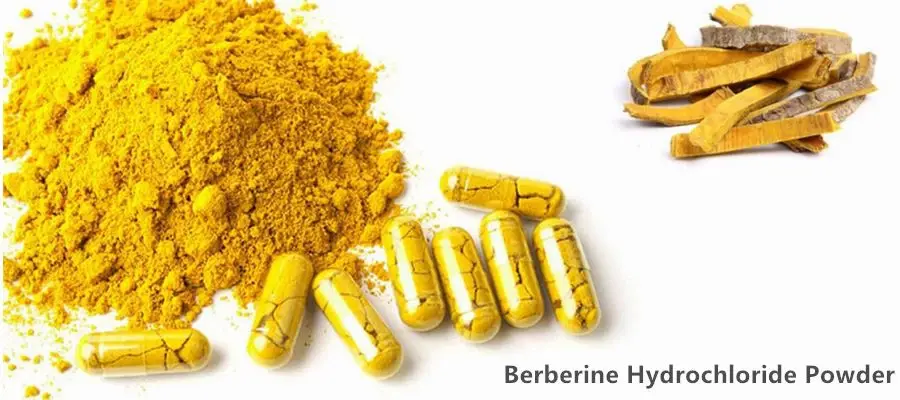
Plants such as Phellodendron amurense, Coptis chinensis, and Berberis vulgaris contain berberine hydrochloride, a unique quaternary ammonium salt. There are different kinds of berberine, like sulfate types. The hydrochloride salt type is better because it is more stable at the molecular level and easier for the body to use. This improvement in chemistry makes sure that the substance stays as pure as it was originally while still having effective therapeutic benefits.
The AMPK Activation Mechanism
The main thing that berberine hydrochloride does to change cholesterol metabolism is to trigger AMPK, which is also known as the metabolic master switch in the body. AMPK starts a chain of biological reactions that change the way cells handle and use lipids. When this enzyme route is active, it lowers the production of cholesterol and raises the burning of fatty acids at the same time. In this way, lipids can be managed in two ways.
Called tests have shown that berberine hydrochloride can lower cholesterol levels by up to 29% and fat levels by up to 35%. The substance has amazing effects because it can stop HMG-CoA reductase activity. This action stops the enzyme that slows down cholesterol production and raises the expression of LDL receptors in liver cells.
Molecular Pathways and Cellular Impact
Berberine HCl hydrochloride does a lot more than just turn on AMPK. It also changes a lot of other biological processes that help control lipids more completely. The drug alters genes such as SREBP-1c (sterol regulatory element-binding protein 1c) and ACC (acetyl-CoA carboxylase). These genes play a role in lipogenesis. This makes it harder for the cells that make fat to do their jobs, which means less fat can be stored, and the body's energy balance may be off. Berberine also increases the activity of hormone-sensitive lipase. This action helps break down fats that have been stored and makes it easier for the body to use them as energy.
For example, the chemical changes how mitochondria work; it improves respiration and helps cells use energy more effectively. It's easier for the body to burn fat and carbs when it needs to because this change to the mitochondria makes the metabolism more fluid.
Berberine HCl and Related Health Benefits for B2B Buyers
You can use berberine hydrochloride as a medicine for many different things, not just cholesterol metabolism. This means that business-to-business companies can make things that are beneficial for all kinds of metabolic health. As a result, companies that want to solve several health problems with a single recipe like to use it.
Glycemic Control and Diabetes Management
Berberine hydrochloride is very good at keeping glucose levels in check. In fact, studies have shown that it works about as well as metformin at doing this. The drug enhances the efficacy of insulin in multiple ways. For example, it makes skeletal muscles better at taking glucose and slows down the liver's glucose production. Since these things happen, berberine hydrochloride is very useful for making things that help people who are already diabetic or are at risk of getting it.
For most people, two to three doses of 900 mg to 1500 mg a day, taken with food, are enough to keep blood sugar in check. Being dosed this way makes it more soluble while lowering the risk of stomach problems, which are the most common bad thing that can happen when you take berberine pills.
Weight Management and Metabolic Syndrome
A study says that berberine hydrochloride can help people keep their weight under control in more than one beneficial way. The drug changes how adipocytes grow, which stops fat new cells from growing and breaks down old fat tissue more quickly. Along with that, berberine changes the gut flora, which helps the growth of good bacteria that are good for digestive health, potentially leading to improved metabolism and further aiding in weight management.
It has been shown that berberine pills can help people lose 3 to 5 pounds over the course of 12 weeks. Because of this, it is a key part of goods that help people lose weight. That the substance can treat more than one part of metabolic syndrome at the same time means that businesses can come up with full health solutions, such as combining berberine with lifestyle changes and other supplements to enhance weight loss and improve overall metabolic health.
Safety Profile and Bioavailability Considerations
When used in the suggested dose ranges, berberine hydrochloride has a very good safety record. Most people who take it will have mild gut problems like diarrhea, constipation, or stomach pain. Once your body adjusts to the vitamins, these side effects should subside. If you use the right amounts and prepare the drug properly, these impacts will not happen as much, leading to a more comfortable experience for users and better overall absorption of the vitamins.
Bioavailability is something that those who make products need to think about since berberine hasn't always been well taken, leading to inconsistent therapeutic effects in users. Still, the hydrochloride salt form is better for the body than the free alkaloid because it enhances absorption and increases the overall effectiveness of the treatment. More advanced ways of transporting drugs, like liposomal forms and mixes with substances that help the body take them, like piperine, can make therapy work even better, especially in enhancing the bioavailability of compounds like berberine hydrochloride.
Comparing Berberine HCl with Other Supplements and Medications
When it comes to metabolic health treatments, Berberine hydrochloride stands out as it not only functions naturally and effectively as a drug, but also maintains the safety of plant chemicals. It's in a favorable place for companies that make natural health products based on facts.
Berberine HCl vs. Pharmaceutical Interventions
But Berberine HCl hydrochloride works just as well at cutting HbA1c levels and making insulin work better than metformin, which is the best medicine for handling glucose. HbA1c is a measure of average blood sugar levels over the past two to three months. One thing that metformin doesn't do for lipid metabolism is lower total cholesterol and triglycerides. Berberine, on the other hand, does these tasks very well. Berberine is a better way to treat metabolic syndrome as a whole because it changes the metabolism more deeply, particularly by improving lipid profiles and enhancing insulin sensitivity.
Many people who don't want to take drugs can use berberine hydrochloride instead of statins to lower their cholesterol. Still, statins are better at treating severe high cholesterol, but berberine works better on lipids and has fewer known side effects. It also doesn't have the muscle-related side effects that are common with statin therapy.
Natural Supplement Comparisons
As a natural substance, berberine hydrochloride stands out because it has good scientific proof and can help with more than one thing. Red yeast rice can lower cholesterol, but it can't control blood sugar as berberine can, and it might not be safe because it has statin chemicals that are found in nature. Cinnamon powder helps keep blood sugar in check, but it doesn't change fat profiles as much as berberine does for the whole system.
This is one way that alpha lipoic acid and berberine help the metabolism. They both help with how glucose is used and how antioxidants work, which can lead to improved metabolic health and better management of conditions like diabetes. Berberine, on the other hand, is the best choice for full metabolic formulations since it has stronger clinical backing and bigger effects on lipid markers. While curcumin can help with inflammation, it doesn't work the same way that berberine does, which is by turning on stomach enzymes directly.
Formulation Considerations and Quality Standards
Tough standards for clarity should be met by good berberine hydrochloride. For instance, HPLC tests should show that pharmaceutical-grade goods are at least 97% pure. The hydrochloride salt form keeps the product strong for a long time by making sure it stays stable while it is being made and stored. For quality that fits international standards, tests are done for heavy metals, microbiological safety, and the study of any liquid that is left over.
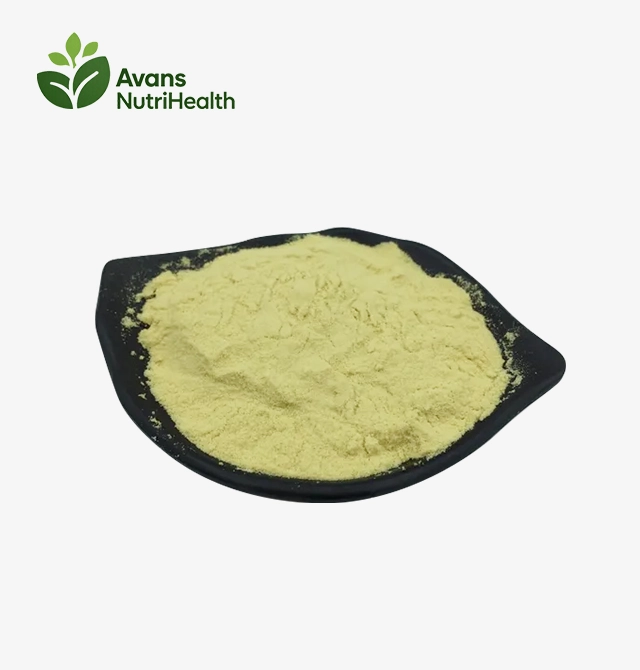
One more good thing about berberine hydrochloride is that it is easy to mix with other drugs and give in different forms, like pills, tablets, and powders. The bright yellow color of berberine can change how something looks. Businesses that make things for sale should keep this in mind.
Procurement Insights for Berberine HCl in the Global B2B Market
The global berberine hydrochloride market around the world has grown a great deal. More studies are showing that the chemical can help with health problems, and more people are looking for green ways to stay healthy. Business-to-business buyers can make smart purchases that will help their companies succeed in the long run if they know how markets and sellers work.
Supplier Certification and Quality Assurance
The best businesses that sell berberine hydrochloride have a lot of different kinds of certifications, like ISO, HACCP, and organic certifications. The rules and standards for quality must be followed in the same way in all foreign areas. These licenses make sure of that. When suppliers follow these rules, they usually give full certificates of analysis (COA) for every batch of production. These COAs list the purity, strength, and safety factors for each batch.
When it comes to the berberine market, it's very important to check out the sources. Little changes in quality can make a big difference in how well the product works. Specialists who you can trust spend a lot of money on cutting-edge technologies for extraction and processing, ensuring that the berberine products they offer meet high standards of purity and efficacy. These technologies keep the alkaloid profiles the same and don't change much between production runs. It is very important for companies that make regular products with known therapeutic benefits that they are all the same.
Market Trends and Pricing Strategies
Berberine goods that are standardized are getting more and more popular on the market. Pharmaceutical and nutrition companies like the hydrochloride type. Buying in bulk can save you a lot of money because most of the time, you can save money on orders over 100 kilos. Companies are becoming more aware of the large market for berberine, which means that there are more opportunities for private label and original equipment maker (OEM) business.
Different levels of quality determine the prices in the berberine market. Materials that are pharmaceutical-grade sell for more than materials that are not pharmaceutical-grade. A good berberine hydrochloride, on the other hand, is usually worth the extra money because it is more steady and bioavailable. This means that the product works better and there are fewer manufacturing issues.
Supply Chain Considerations
To set up dependable supply lines for berberine hydrochloride, you need to carefully consider what each provider can do, including how much they can produce, how they handle quality, and how well they follow the rules. Big sellers keep berberine farms with special tools for extracting the alkaloid that causes the least harm to the environment while still getting the most out of the plant, ensuring sustainable practices that align with environmental regulations and consumer demand for eco-friendly products. Most of the time, these places deal with more than one kind of plant matter. Supply security is ensured by having a number of different lines for raw materials.
To lower risk, you should look for good deals, check out sources, and make plans for what to do if there are problems with supplies. Long-term supply deals can help makers who need a steady supply of goods because the prices and abundance of some botanical sources change with the seasons.
Strategic Considerations for Integrating Berberine HCl into Your Product Line
There needs to be a lot of thought put into where the new product goes in the market, what the rules are, and how the competition is changing before it can be added to existing lines. Berberine's special benefits are used to make new products popular by meeting the wants of certain groups of buyers.
Market Segmentation and Consumer Preferences
There are a lot of different types of people who buy berberine, from health-conscious people looking for natural options to medical patients who need help with their therapy. Heart and blood vessel health is the biggest business. Next are uses for managing diabetes and keeping weight in check. When companies learn about these groups, they can make models that meet the needs and preferences of certain customers.
People still don't know as much about berberine products as they do about other natural health ingredients, so it's important to teach people about them. Things that have a lot of training tools and clinical proof tend to do better in the market and keep people going back for more. This method of teaching is even more important than usual because berberine works so well, almost like a drug. This may come as a surprise to people who are used to smooth natural vitamins.
Regulatory Compliance and Labeling Requirements
Different parts of the world have very different rules and regulations. Some places see berberine HCl as a food supplement, while other places say it needs to be recognized as a drugstore product before it can be used for medical reasons. There are strict rules about health claims in the European Union. Any marketing claims must be backed up by good scientific proof. The US law lets food products make structure-function claims, but claims that they help prevent diseases can't be made without FDA permission.
For any trade with another country, you need to make sure you have the right forms and quality approvals and that your products meet their standards. Before they can be sold in some places, things that contain berberine have to go through certain tests or registration steps. This means that you need to get help from the government before going into a foreign market. To ensure that all necessary information, such as dose and safety warnings, is included, labels must follow the rules.
Innovation and Sustainability Trends
When businesses buy from each other, sustainability problems become more important. Businesses are looking for sellers who will do business in an eco-friendly way. To keep making berberine, we need to be careful with plant materials, use effective ways to remove them, and look for ways to lower trash. Eco-friendly brands often have an advantage in the market when their suppliers put money into green extraction technologies and clean energy.
There are many areas where new ideas can be brought to life, such as improved ways to send medicines, combo formulas, and specialized uses that target specific health problems. For instance, liposomal berberine formulations are better at getting into the body, and synergistic mixes with substances that work well together can have stronger therapeutic benefits. These fresh ideas help businesses make their goods stand out and use berberine's healing power to its fullest.
Conclusion
Companies in the metabolic health market that want to sell ingredients with scientific backing can now see berberine hydrochloride as a good choice. Although it has been shown to help burn fat, it also helps control blood sugar and weight, which makes it a useful ingredient for many health products. Because the material is very safe and strong enough to be used in medicine, companies can use it to make products that are a mix of natural vitamins and medicines. There are more and more people looking for natural health products that actually work. Berberine hydrochloride is a beneficial ingredient to use because it has strong clinical proof, and more and more people like it.
FAQ
What makes Berberine HCl more effective than other berberine forms?
Compared to other forms of berberine or the free alkaloid, berberine hydrochloride is more solid and easier for the body to use. When you add hydrochloride salt to water, it dissolves faster and keeps the stomach firm. This helps the medicine work better and be absorbed better. This chemical change keeps the compound's natural purity and makes sure it works well while it is being stored and made.
How does Berberine HCl compare to prescription cholesterol medications?
Tests on people have shown that berberine hydrochloride can lower triglycerides by 25–35% and total cholesterol by 20–29%. These improvements are like those seen with low-dose statin treatment. The best way to treat serious hypercholesterolemia is still with statins, but berberine is a natural alternative with fewer known side effects and extra benefits for glucose metabolism that statins don't have.
What should B2B buyers look for when selecting a berberine HCl supplier?
It is important to find a supplier that has full certifications (ISO, organic), consistent product quality with detailed documents of analysis, pharmaceutical-grade purity levels (≥97% by HPLC), and a reliable supply chain. Suppliers should show they can follow the rules, care about the environment, and provide professional help to make sure the relationship lasts.
What is the optimal dosage range for Berberine HCl formulations?
Most people should take between 900 mg and 1500 mg per day, spread out over two or three meals. Giving it this way increases the medicine's absorption and reduces the risk of stomach problems. When making the medicine, you should think about how the active ingredients will interact with each other and how the people you want to reach like to take their medicines.
Are there any significant safety concerns with long-term Berberine HCl use?
If you follow the dose levels that are given, berberine hydrochloride is very safe over the long run. Most people who use it will experience mild stomach problems that go away after a while. It hasn't been shown to have any major side effects in tests that last up to two years, so it can be used for long-term metabolic health.
Partner with Avans for Premium Berberine HCl Solutions
Avans NutriHealth Co., Ltd. stands ready to support your product development goals with pharmaceutical-grade Berberine Hydrochloride powder 97%, backed by comprehensive certifications including ISO, USDA, HACCP, FSSC22000, and HALAL standards. Our China-based manufacturing capabilities ensure reliable supply availability while maintaining the highest quality standards through advanced extraction and purification technologies. As your trusted berberine HCl supplier, we offer competitive bulk pricing, private label manufacturing, and customized formulation support designed to meet your specific market requirements.
Our technical expertise extends beyond raw material supply to include comprehensive formulation guidance, regulatory support, and quality assurance that upholds international pharmaceutical standards. Contact our team at Lillian@avansnutri.com to discuss how our premium berberine HCl solutions can enhance your product portfolio and drive market success. We combine manufacturing excellence with dedicated customer service to ensure your supply chain delivers the reliability and efficacy your next innovation demands.
References
1. Dong, H., Wang, N., Zhao, L., & Lu, F. (2013). Berberine in the treatment of type 2 diabetes mellitus: a systematic review and meta-analysis. Evidence-Based Complementary and Alternative Medicine, 2013.
2. Kong, W., Wei, J., Abidi, P., Lin, M., Inaba, S., Li, C., & Jiang, J. D. (2004). Berberine is a novel cholesterol-lowering drug working through a unique mechanism distinct from statins. Nature Medicine, 10(12), 1344-1351.
3. Zhang, Y., Li, X., Zou, D., Liu, W., Yang, J., Zhu, N., & Ning, G. (2008). Treatment of type 2 diabetes and dyslipidemia with the natural plant alkaloid berberine. Journal of Clinical Endocrinology & Metabolism, 93(7), 2559-2565.
4. Lan, J., Zhao, Y., Dong, F., Yan, Z., Zheng, W., Fan, J., & Sun, G. (2015). The study conducted a meta-analysis to examine the effectiveness and safety of berberine in treating type 2 diabetes mellitus, hyperlipemia, and hypertension. Journal of Ethnopharmacology, 161, 69-81.
5. Kumar, A., Ekavali, Chopra, K., Mukherjee, M., Pottabathini, R., & Dhull, D. K. (2015). Current knowledge and pharmacological profile of berberine: an update. European Journal of Pharmacology, 761, 288-297.
6. Cicero, A. F., & Baggioni, A. (2016). Berberine and its role in chronic disease. Advances in Experimental Medicine and Biology, 928, 27-45.