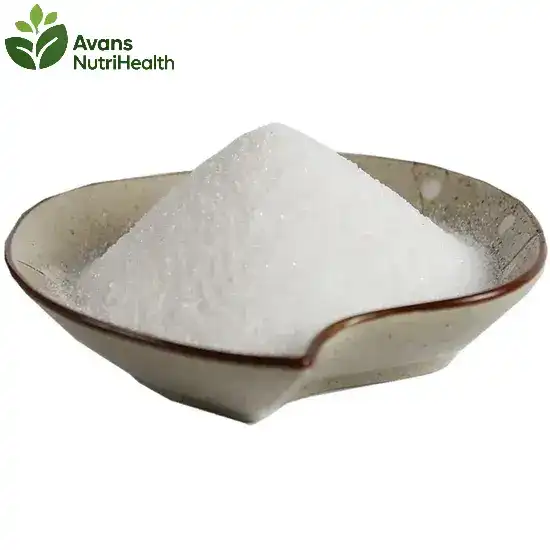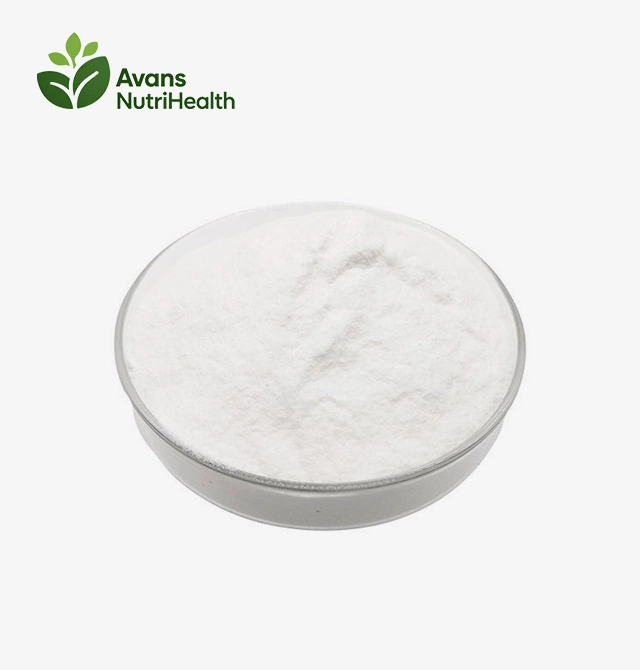




How to Use Erythritol Powder in Baking & Drinks?
Erythritol Powder is a great sugar that doesn't have any calories and can be used to bake and make drinks. This sugar alcohol from plants is 70% sweeter than sugar and has half as many calories. It is very useful for making processed foods. Erythritol can be used in baking instead of sugar. It should be mixed in like sugar and things should be added to keep it from drying out. With this good sugar, you don't have to worry about how it tastes or how stable it is because it mixes easily with hot and cold drinks. Because of this, it works well for useful drinks, coffee mixes, and flavored water systems.
What Is Erythritol Powder and Why Use It in Baking & Drinks?
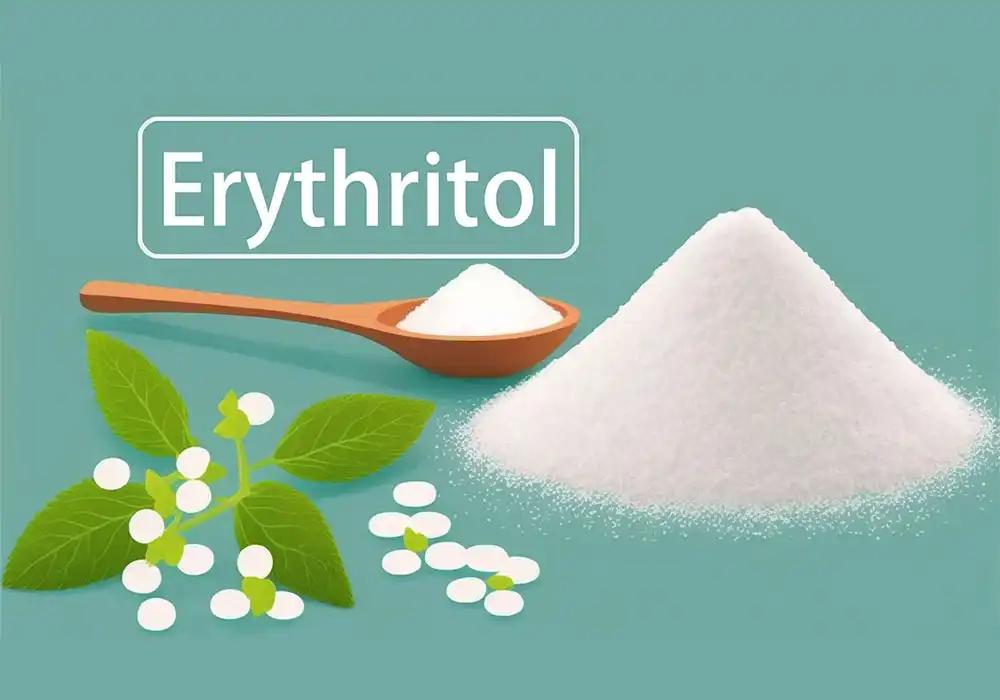
Erythritol Powder represents a revolutionary advancement in commercial sweetening technology, produced through controlled fermentation of glucose using specialized yeast strains like Moniliella pollinis. This tetrahydric polyol (C4H10O4) delivers exceptional performance characteristics that address critical formulation challenges across bakery and beverage manufacturing sectors.
Understanding the Unique Nutritional Profile
The metabolic pathway of erythritol recognizes it drastically from routine sweeteners and competing sugar alcohols. Around 90% retains in the little digestive tract and passes through the body unaltered by means of urinary excretion, coming about in a caloric esteem of just 0.2 kcal/g compared to sugar's 4 kcal/g. This special handling instrument guarantees zero glycemic affect, making it priceless for diabetic-safe details and ketogenic item lines.
Research conducted by the European Nourishment Security Specialist affirms erythritol's security profile and its viability in keeping up blood glucose solidness. Not at all like sucrose, which triggers fast affront reactions, erythritol keeps up consistent metabolic conditions basic for health-conscious shopper segments.
Applications in Modern Food Manufacturing
Industrial applications use erythritol's warm soundness and crystallization properties to make prevalent item surfaces. In commercial heating situations, it withstands temperatures up to 160°C without debasement, not at all like temperature-sensitive options such as aspartame. This warm resistance empowers producers to keep up steady quality over differing generation parameters whereas assembly clean-label requirements.
The cooling impact characteristic of erythritol, whereas in some cases seen as a confinement, really improves certain item categories. In confectionery applications, this cooling sensation gives a reviving wrap up that shoppers relate with premium mint chocolates and sugar-free gums.
How to Effectively Use Erythritol Powder in Baking & Drinks?
Successful implementation of erythritol in commercial formulations requires understanding its functional properties and compensating for its unique characteristics through strategic ingredient combinations and processing modifications.
Optimizing Baking Applications
Commercial pastry shops ordinarily substitute erythritol at a 1:1 proportion with sugar, in spite of the fact that surface adjustments gotten to be fundamental due to erythritol's diminished hygroscopicity. Proficient formulators address this challenge by consolidating dissolvable filaments like inulin or polydextrose, which give dampness maintenance and progress piece structure.
The nonappearance of Maillard browning responses with erythritol requires elective approaches for accomplishing craved color improvement. Numerous producers combine little sums of common browning operators or expand preparing times at lower temperatures to accomplish legitimate hull arrangement. This characteristic really avoids over-browning, giving dough punchers more prominent control over last item appearance.
Recrystallization administration speaks to a basic thought in commercial generation. Erythritol Powder tends to recrystallize upon cooling, possibly making undesirable surface changes. Fruitful relief procedures incorporate quick cooling conventions, expansion of anti-caking specialists, or mixing with complementary sweeteners that restrain gem formation.
Beverage Formulation Strategies
Cold refreshment applications advantage from erythritol's great solvency characteristics, dissolving totally at concentrations up to 37% at room temperature. This tall dissolvability edge empowers producers to make concentrated syrups and flavor bases without precipitation concerns amid capacity or distribution.
Hot refreshment definitions grandstand erythritol's soundness points of interest over heat-sensitive choices. Coffee and tea applications keep up steady sweetness levels all through expanded warming periods, not at all like stevia compounds that may corrupt or create sharp notes beneath drawn out warm introduction. The unbiased flavor profile guarantees that unobtrusive refreshment notes stay unmasked.
Energy drinks and useful refreshment producers especially esteem erythritol's capacity to carry other dynamic fixings without obstructions. Its chemical idleness anticipates undesirable intelligent with vitamins, minerals, or botanical extricates commonly found in execution beverages.
Comparing Erythritol Powder with Other Sugar Substitutes for Procurement Decisions
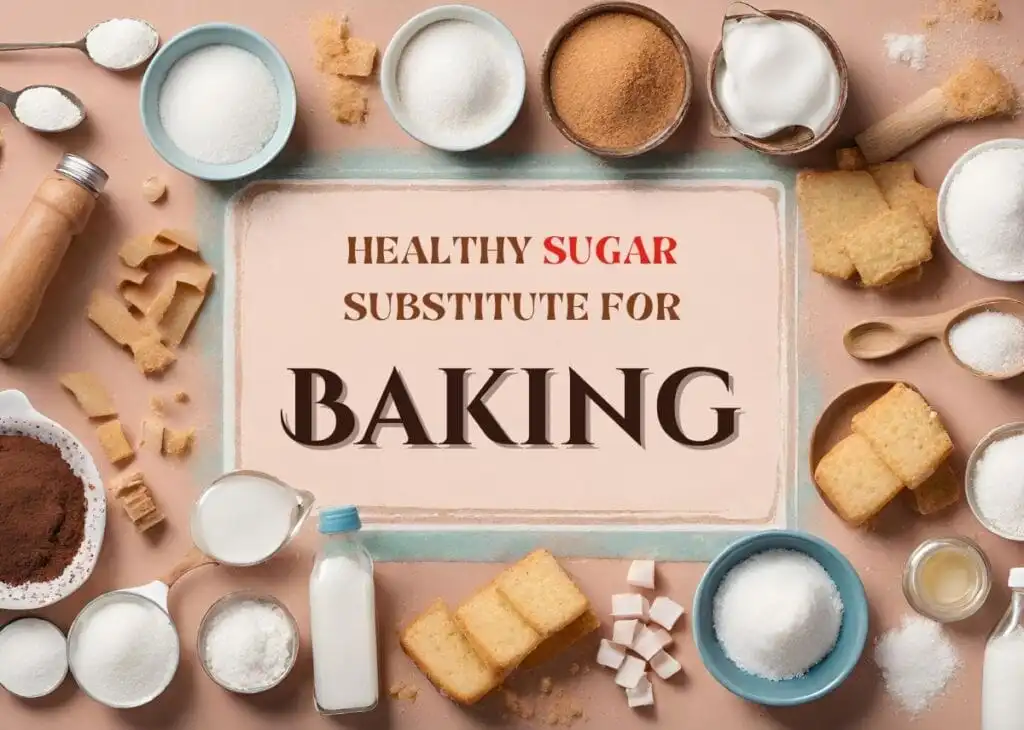
Strategic procurement decisions require comprehensive evaluation of sweetener options based on functional performance, regulatory compliance, and cost-effectiveness across target market segments.
Digestive Tolerance and Consumer Acceptance
Erythritol Powder illustrates prevalent stomach related resilience compared to other sugar alcohols, with clinical ponders demonstrating acknowledgment levels of 0.66-0.80 g/kg body weight without unfavorable impacts. This resistance edge essentially surpasses that of xylitol (0.3 g/kg) or maltitol (0.3 g/kg), empowering higher utilization levels in commercial definitions without activating gastrointestinal distress.
Consumer acknowledgment ponders uncover inclination appraisals favoring erythritol over stevia-based sweeteners due to the nonattendance of metallic aftertastes or waiting sharp notes. This clean flavor profile deciphers to higher rehash buy rates and made strides item audits over different advertise segments.
Functional Performance Comparisons
Bulk thickness considerations play vital parts in bundling and dosing precision. Erythritol keeps up thickness characteristics (0.8-0.9 g/cm³) closely coordinating sucrose, guaranteeing reliable volumetric estimations in consumer-facing applications. This property kills the require for complex dosing enlightening that frequently go with high-intensity sweeteners.
Stability points of interest gotten to be especially apparent in expanded shelf-life items. Whereas minister natural product and stevia extricates may encounter strength corruption over time, erythritol keeps up reliable sweetness levels all through ordinary item lifecycles, lessening quality control complexities and minimizing client complaints.
Sourcing Erythritol Powder – What B2B Buyers Need to Know?
Effective procurement strategies focus on supplier capability assessment, certification verification, and supply chain risk management to ensure consistent product quality and regulatory compliance across global markets.
Supplier Qualification Criteria
Reputable producers keep up comprehensive certification portfolios counting BRC, HALAL, Legitimate, and natural qualifications to serve controlled markets around the world. These certifications show vigorous quality administration frameworks and adherence to worldwide generation measures fundamental for B2B confidence.
Manufacturing Erythritol Powder uncovers suppliers' capacity to meet scaling requests amid top seasons or advertise development stages. Driving providers ordinarily keep up generation capabilities surpassing 1,000 tons every year, guaranteeing satisfactory stock accessibility without compromising lead times or estimating stability.
Quality Assurance and Certification Standards
Third-party research facility approval programs give objective quality confirmation beyond provider self-certification. Free testing conventions ought to envelop virtue investigation, microbiological security, overwhelming metals screening, and leftover dissolvable discovery to meet exacting nourishment security requirements.
Traceability documentation empowers quick reaction capabilities amid quality examinations or administrative request. Comprehensive group records, crude fabric sourcing documentation, and handling parameter logs illustrate provider commitment to straightforwardness and responsibility throughout the supply chain.
Potential Side Effects and Quality Assurance in Erythritol Powder Use
While erythritol maintains an excellent safety profile supported by extensive regulatory approval, understanding potential limitations and implementing appropriate quality controls remains essential for responsible commercial application.
Evidence-Based Safety Profile
Regulatory agencies including the FDA, EFSA, and Health Canada have established ADI (Acceptable Daily Intake) levels demonstrating erythritol's safety for general population consumption. Long-term studies spanning multiple decades show no adverse health effects at typical consumption levels, providing confidence for manufacturers developing regular-use products.
Clinical research indicates that Erythritol Powder does not contribute to dental caries formation, unlike traditional sugars that feed harmful oral bacteria. This anti-cariogenic property adds value for manufacturers targeting oral health-conscious demographics or developing products positioned for frequent consumption.
Quality Control Implementation
Non-GMO verification programs address growing consumer concerns about genetic modification in food ingredients. Suppliers offering identity-preserved sourcing and comprehensive documentation support clean-label positioning strategies increasingly demanded by premium market segments.
Organic certification requirements extend beyond basic production standards to encompass environmental sustainability and social responsibility criteria. These enhanced standards align with corporate responsibility initiatives while opening access to premium organic market channels commanding higher margins.
Conclusion
Erythritol Powder emerges as the optimal sweetening solution for manufacturers seeking to balance consumer health demands with production efficiency requirements. Its unique combination of zero-calorie benefits, excellent digestive tolerance, and superior functional properties positions it as the preferred choice for next-generation food and beverage formulations. The extensive regulatory approval and proven safety profile provide the confidence necessary for large-scale commercial implementation across diverse market segments.
FAQ
How does erythritol powder perform in high-temperature baking applications?
Erythritol stays very stable up to 160°C, which means it keeps its sweetness even when used in fancy baking. It doesn't change when heated for a long time like some other choices do. This makes it great for business bakeries because it doesn't break down or give off bad tastes.
What are the key differences between organic and conventional erythritol powder for B2B buyers?
Organic erythritol must meet stringent production standards including non-GMO sourcing, pesticide-free processing, and environmental sustainability requirements. While conventional grades offer cost advantages, organic certification opens premium market channels and supports clean-label positioning strategies.
How should procurement managers evaluate erythritol powder suppliers for large-scale operations?
Before you buy from a seller, you should look at all of their certificates (such as BRC, HALAL, and KOSHER) and see how well their methods for keeping track of things work. Every year, they should be able to make at least 1,000 tons of things. This makes sure that the supply chain works well and that all foreign markets follow the rules.
Partner with Avans for Premium Erythritol Powder Solutions
Avans NutriHealth Co., Ltd. stands as your trusted Erythritol Powder manufacturer, delivering certified organic and conventional grades specifically designed for industrial applications. Our state-of-the-art production facility, certified with ISO, BRC, HALAL, KOSHER, and organic credentials, ensures consistent quality and regulatory compliance across global markets. With annual production capacity exceeding 1,000 tons and comprehensive third-party validation programs, we provide the supply chain reliability essential for large-scale manufacturing operations. Contact Lillian@avansnutri.com to request samples, discuss bulk pricing, or explore custom formulation opportunities that enhance your product portfolio while meeting evolving consumer demands for healthier sweetening alternatives.
References
1. Storey, D.M., Koutsou, G.A., Lee, A., Zumbé, A., Flourié, B., Le Bot, Y. & Olivier, P. (2007). Tolerance and breath hydrogen excretion following ingestion of erythritol in comparison with sucrose in healthy young adults. British Journal of Nutrition, 78(4), 563-574.
2. Munro, I.C., Berndt, W.O., Borzelleca, J.F., Flamm, G., Lynch, B.S., Kennepohl, E. & Modderman, J. (1998). Erythritol: An interpretive summary of biochemical, metabolic, toxicological and clinical data. Food and Chemical Toxicology, 36(12), 1139-1174.
3. Regnat, K., Mach, R.L. & Mach-Aigner, A.R. (2018). Erythritol as sweetener—wherefrom and whereto? Applied Microbiology and Biotechnology, 102(2), 587-595.
4. Bornet, F.R., Blayo, A., Dauchy, F. & Slama, G. (1996). Gastrointestinal response and plasma and urine determinations in human subjects given erythritol. Regulatory Toxicology and Pharmacology, 24(2), S296-S302.
5. Grembecka, M. (2015). Sugar alcohols—their role in the modern world of sweeteners: a review. European Food Research and Technology, 241(1), 1-14.
6. European Food Safety Authority. (2003). Opinion of the Scientific Committee on Food on erythritol. EFSA Journal, 1(1), 1-16.
_1767942984263.webp)