



Why Choose Aspartame Powder for Low-Calorie Recipes?
By using Aspartame Powder in low-calorie recipes, makers and formulators can make amazing treats that are about 200 times sweeter than regular sugar and have almost no calories. This strong artificial sweetener comes from the natural amino acids L-aspartic acid and L-phenylalanine. It has a clean taste and doesn't leave behind harsh aftertastes like some other synthetic options do. Its special chemical structure lets formulations cut calories by a lot while keeping the sweetness level. This makes it essential for diet drinks, sugar-free desserts, pharmaceutical preparations, and nutraceutical products aimed at diabetics and health-conscious consumers.
Understanding Aspartame Powder: Key Facts Every Buyer Should Know
When procurement workers know about the basic properties of this high-intensity sweetener, they can make smart buying choices that support product development goals and meet regulatory needs.
Chemical Composition and Technical Specifications
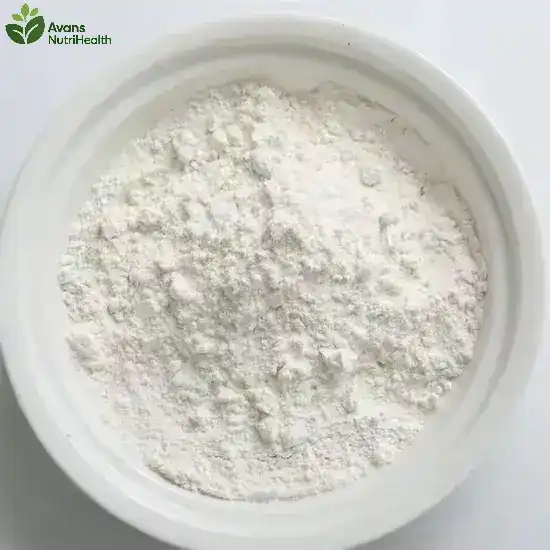
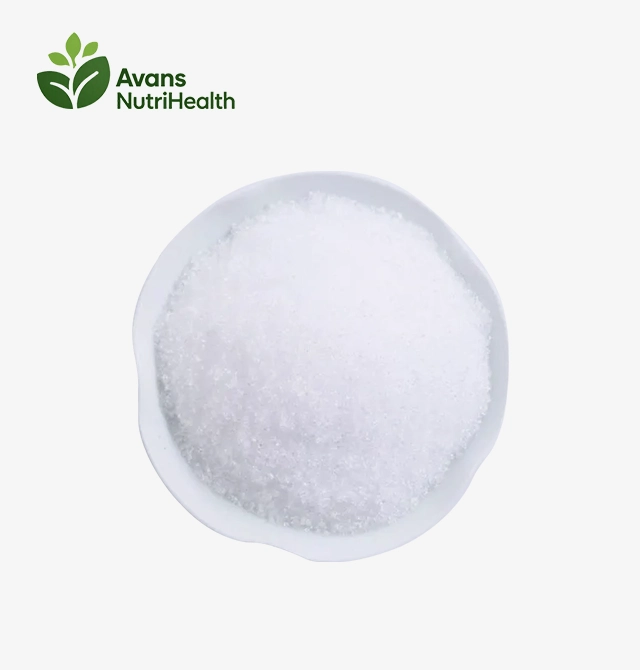
Aspartame Powder is a white, solid material that has the molecular formula C14H18N2O5 and the CAS number 22839-47-0. The molecule is a methyl ester of a dipeptide made up of L-aspartic acid and L-phenylalanine, which are both normal amino acids. This special structure makes it different from other man-made sugars because it creates metabolism pathways that break it down into amino acids instead of building up in body tissues.
Based on the scientific details, the melting point is between 242 and 247°C, and it dissolves only 1% in water at room temperature. However, it dissolves much more in acidic and high-temperature circumstances. It is most stable at pH 4.3, which makes it great for fizzy drinks and acidic foods where other sugars might break down quickly.
Manufacturing Quality Standards and Safety Profile
Facilities that make aspartame for food must follow strict international rules, such as the Food Chemicals Codex, the United States Pharmacopeia, the European Pharmacopeia, and JECFA requirements. These standards say that the dry substance must be more than 98.0% pure and have precise control over the optical spinning factors and heavy metal content.
Safety tests done by governments around the world have found that daily intakes of 40 to 50 mg/kg of body weight are safe. This gives a lot of room for error for normal consumption habits. The sweetener is completely broken down into amino acids and small amounts of methanol, about the same amount that is naturally found in veggies and fruit drinks. Because it uses this metabolic route, it's good for most people, but people with phenylketonuria (PKU) need extra care because it contains phenylalanine.
Advantages Over Traditional Sugar
The main benefits go beyond just cutting calories; they also include practical benefits in how the product is made. By lowering the volume, makers can save a lot on transportation costs, since the 1:200 sweetness ratio means that shipping and storage are much more efficient. The compound also improves the taste of things, especially citrus and berry notes, while hiding bitter side effects that are common in medicinal active ingredients.
When making a recipe, it's important to think about how long it will last because sugar slowly breaks down in water, so you usually need to add 10-15% more than you need to in order to keep the sweetness level during the 6–9 month storage period.
Comparing Aspartame Powder with Other Sweeteners for Smart Procurement
Being able to make smart purchasing choices means fully comprehending how aspartame compares to other sweetening options accessible in today's competitive market.
Sweetness Intensity and Flavor Profile Analysis
When compared to sucralose, which is 600 times sweeter than sugar, aspartame's 200-fold intensity makes doses more predictable for formulators while still keeping better taste. Aspartame Powder has a clean sweetness profile that is very close to sugar without any off-flavors that stay, unlike saccharin, which has a strong metallic aftertaste, or acesulfame-K, which has mild bitter notes.
Even though stevia extract comes from plants, it often has unpleasant aftertastes that need to be covered up with other ingredients in many situations. Erythritol has a great taste, but it's only 70% as sweet as sugar, so it needs to be used at higher rates that change the shape and bulk density of finished goods.
Cost-Effectiveness and Stability Considerations
When you determine the price of aspartame based on its sweetness equivalent, you can see that it usually offers reasonable pricing. This is especially true in high-volume settings like making drinks. Because it is so strong, it only needs to be used at very low amounts, which means that it costs less per dose than bulk sweets like erythritol or xylitol.
While aspartame is not as heat-stable as other sugar substitutes like sucralose, this makes it less ideal for high-temperature processing tasks like baking or retort-sterilizing goods. However, it still works better than most options in formulas made at room temperature and in cold processing.
Regulatory Status and Market Acceptance
Different types of sweeteners have different levels of regulatory acceptance. Aspartame, for example, is still approved in over 90 countries around the world. This wide acceptance makes it easier for the international market to grow than with younger sweeteners that may have to deal with regional limits or approval processes that are still in the works.
Consumer acceptance studies show that aspartame-sweetened goods are more popular than saccharin or cyclamate options. This is especially true for carbonated drinks, where taste has a big effect on how often people buy them again.
Efficient Procurement of Aspartame Powder: What B2B Buyers Need to Know?
For buying plans to work, they need to carefully look at what suppliers can do, how they make sure the quality of their products, and how to make sure that the supply chain works consistently.
Supplier Qualification and Certification Requirements
Checking manufacturing certifications like ISO 22000 Food Safety Management Systems, HACCP implementation, and related pharmacopeial compliance certificates is the first step in finding dependable suppliers. International approvals like HALAL, KOSHER, and organic standing make it possible to reach niche markets with specific needs.
Facility audits, quality system reviews, and evaluations of technical help skills should all be part of the due diligence process. Suppliers should show uniform testing methods, paperwork for certificates of analysis, and tracking systems that meet pharmaceutical-grade standards even for food uses.
Bulk Purchasing and Commercial Considerations
Buying in Aspartame Powder can save you a lot of money, but buyers need to weigh the economic benefits against the costs of keeping stockpiles and the short shelf life of products. Standard types of packaging include 25 kg drums and 500 kg bulk cases. Specialty moisture-barrier packaging is needed to keep the product stable while it is being stored and shipped.
A lot of the time, pricing plans include levels of output, yearly contracts, and payment terms that encourage long-term relationships. Forward leasing choices may protect prices against changes in the prices of raw materials and make sure there is a steady supply during times of high demand.
International Shipping and Logistics Management
When shipping goods across borders, you need to pay close attention to the customs paperwork, like the right product classification codes and license standards for each country. Extreme conditions may need temperature-controlled shipping to keep wetness from absorbing and lowering the quality of the goods.
During international shipping, the purity of the packaging is very important. Usually, double-wall containers and desiccant packs are used to keep the product's specs during long shipping periods. Lead times for foreign orders are usually between 2 and 4 weeks, but they vary on where the order is coming from and where it is going.
Choosing the Right Aspartame Powder Brand and Supplier for Your Business
Strategically choosing a seller affects the stability of product quality, the dependability of the supply chain, and the long-term success of a business in competitive markets where formulation excellence is often what sets one product apart from another.
Evaluating Manufacturer Credentials and Track Record
Leading producers usually have a lot of experience with making sweeteners and amino acids, and they have quality systems in place that go above and beyond what the government requires. When looking at possible providers for strategic partnerships, production ability, technical help, and regulatory knowledge become very important.
Supplier assessment should include review of customer examples, especially from businesses that work in similar industries or areas. Long-term supply deals work best with providers who have a wide range of customers and strong financial stability that lets them keep doing business even when the market changes.
Quality Consistency and Batch-to-Batch Reliability
For sellers to consistently deliver high-quality goods, they need to have advanced quality control systems that keep an eye on important factors like the distribution of particle sizes, the amount of moisture in the material, and the patterns of impurities. Implementing statistical process control helps find trends before they change product specifications. This lowers the chance that final goods will have quality problems.
Supplier sites should have the ability to do HPLC analysis, optical rotation tests, and heavy metals analysis using approved methods that meet international pharmacopeial standards. Analytical precision and dependability are always being worked on, as shown by regular skill testing and method validation.
Building Strategic Procurement Partnerships
Long-term relationships that work well include more than just buying things. They also include technical teamwork, sharing market information, and working together to make new products. Suppliers who offer help with formulation, legal advice, and analysis of market trends often offer extra value that supports charging more.
Partnership deals should protect supplies by allocating specialized capacity, giving priority access during times of shortage, and working together to make forecasts that allow for the best production planning. Technical service deals that cover application creation and fixing support make sure that you can get specialized help when you need it.
Practical Applications of Aspartame Powder in Low-Calorie Recipes
Because this high-intensity sugar is so flexible, it can be used to make new recipes for a wide range of products, each of which needs its own set of technical considerations to work well and be liked by customers.
Low-pH Carbonated Beverage Applications
The most common use for Aspartame Powder is in carbonated soft drinks. It works very well in acidic environments (pH 3.0-3.5) and gives drinks a clean taste that consumers need to accept. Formulation strategies usually include 10-15% extra to account for the fact that sugars slowly break down over the course of a product's 6–9-month shelf life. This keeps the sweetness level constant throughout the product's distribution cycles.
Combining acesulfame-K with other ingredients in a synergistic way makes things taste sweeter while lowering the amount used generally by up to 40%. This saves money and makes things more stable. Formulators can use these mixtures to get the sweetness levels they want while lessening the problems that come with using each sweetener alone and improving the taste profiles.
Dry Powder Blend Formulations
Tabletop sweetener sachets, protein powder formulations, and instant beverage mixes benefit from aspartame's excellent flowability characteristics when properly processed with appropriate bulking agents such as maltodextrin or erythritol. Particle size distribution management stops separation during packaging and storage and makes sure that consumers always get the same amount of sweetness.
Aspartame's initial burst of sweetness gives you a satisfying taste right away without adding any calories. This is especially helpful in sports nutrition and weight management products, where customers still expect high-quality tastes even though the products have fewer calories.
Pharmaceutical and Nutraceutical Applications
Pediatric medications and chewable formulations leverage aspartame's ability to mask bitter active pharmaceutical ingredients while avoiding dental caries promotion associated with sugar-based systems. Its metabolism into natural amino acids provides safety advantages for diabetic formulations compared to glucose-containing alternatives.
When it comes to pharmaceuticals, stability is very important because controlled storage conditions and specific packing standards make sure that the product works well for a long time. Testing for compatibility with active ingredients stops any possible combinations that might change how well the medicine works or how it tastes.
Conclusion
For companies making low-calorie plans for food, drinks, medicines, and supplements, Aspartame Powder is the best option. Customers who care about health can benefit from its high level of sweetness, clean flavor, and low cost, making it more competitive in today's market. Because the substance is known to be safe, is widely accepted by regulators, and can be used in a variety of ways, it is an important ingredient for companies that want to sell high-end products to diabetics, people who are watching their weight, and people who are diabetic. Strategic relationships with qualified suppliers guarantee consistent quality, dependable supply lines, and the technical support needed to create new products and grow the market.
FAQ
Is Aspartame Powder safe for diabetic consumers?
Aspartame is a great choice for diabetic recipes because it doesn't affect how blood sugar is processed and is naturally broken down into amino acids. Aspartame is good for diabetic products because it doesn't have a big effect on blood sugar levels. However, individuals with phenylketonuria (PKU) should stay away from aspartame due to its phenylalanine content.
How does aspartame's sweetness compare to regular sugar?
Aspartame is about 200 times sweeter than regular sugar, which means that recipes can use much smaller amounts of it. Because it is so strong, it saves a lot of money when used in large amounts and has a clean taste without the metallic or bitter aftertastes that come with other fake options.
What certifications should we verify when selecting aspartame suppliers?
Some important licenses are ISO 22000 Food Safety Management Systems, HACCP compliance, and following the rules set by FCC, USP, EP, and JECFA. Getting international licenses like HALAL, KOSHER, and organic standing lets you sell to niche markets that have their own rules.
What is the typical shelf-life for aspartame in formulated products?
The shelf life changes based on the pH level, the storage temperature, and the way the food is packaged. Formulators usually plan for 10-15% more sugar than needed in acidic environments like fizzy drinks so that the sweetness level stays the same over 6–9 month distribution rounds. Stability times are greatly increased by using proper packing with moisture barriers.
Can aspartame be combined with other sweeteners?
When you mix aspartame with acesulfame-K or other high-intensity sweeteners, they work together to make things taste sweeter by up to 40% while lowering the amount of each one you use. When used in many situations, these blends save money, improve stability, and make taste profiles better.
Partner with Avans for Premium Aspartame Powder Solutions
Avans NutriHealth Co., Ltd. stands ready to support your low-calorie product development initiatives with pharmaceutical-grade Aspartame Powder manufactured under strict international quality standards. Our comprehensive certification portfolio includes ISO system certification, HALAL, KOSHER, BRC, and organic certifications, ensuring compliance across global markets. With annual production capacity exceeding 1,00 tons and dedicated technical support teams, we provide reliable supply chain partnerships for manufacturers seeking premium aspartame powder supplier relationships. Avans NutriHealth has aspartame powder in stock. Contact Lillian@avansnutri.com today to discuss bulk purchasing options, customized formulations, and competitive pricing structures that align with your procurement objectives and quality requirements.
References
1. Joint FAO/WHO Expert Committee on Food Additives. "Safety Evaluation of Certain Food Additives: Aspartame." World Health Organization Technical Report Series, 2013.
2. Magnuson, B.A., et al. "Critical Review of the Current Literature on the Safety of Aspartame." Critical Reviews in Toxicology, Vol. 47, No. 6, 2017.
3. European Food Safety Authority. "Scientific Opinion on the Re-evaluation of Aspartame as a Food Additive." EFSA Journal, Vol. 11, No. 12, 2013.
4. Chattopadhyay, S., et al. "Artificial Sweeteners in Food and Beverage Applications: A Review of Global Regulations and Safety Assessments." Food and Chemical Toxicology, Vol. 124, 2019.
5. Mitchell, H. "Sweeteners and Sugar Alternatives in Food Technology: Second Edition." Wiley-Blackwell Publishing, 2018.
6. Kroger, M., et al. "Low-Calorie Sweeteners and Other Sugar Substitutes: A Review of the Safety Issues." Comprehensive Reviews in Food Science and Food Safety, Vol. 5, No. 2, 2006.
_1768378293441.webp)