



How to Use Creatine Anhydrous Powder Effectively Daily?
To get the most out of creatine anhydrous powder, you need to know the right way to dose it and when to take it so that it works best for your body and your performance. This dried form of creatine has 12% more active ingredient per gram than monohydrate forms. This makes it perfect for supplement recipes that need a lot of power. Taking 3–5 grams of phosphocreatine every day can help your muscles store more of it, which helps your body repair ATP quickly during intense exercise while also keeping the product more stable and giving it a longer shelf life.
Understanding Creatine Anhydrous Powder and Its Benefits
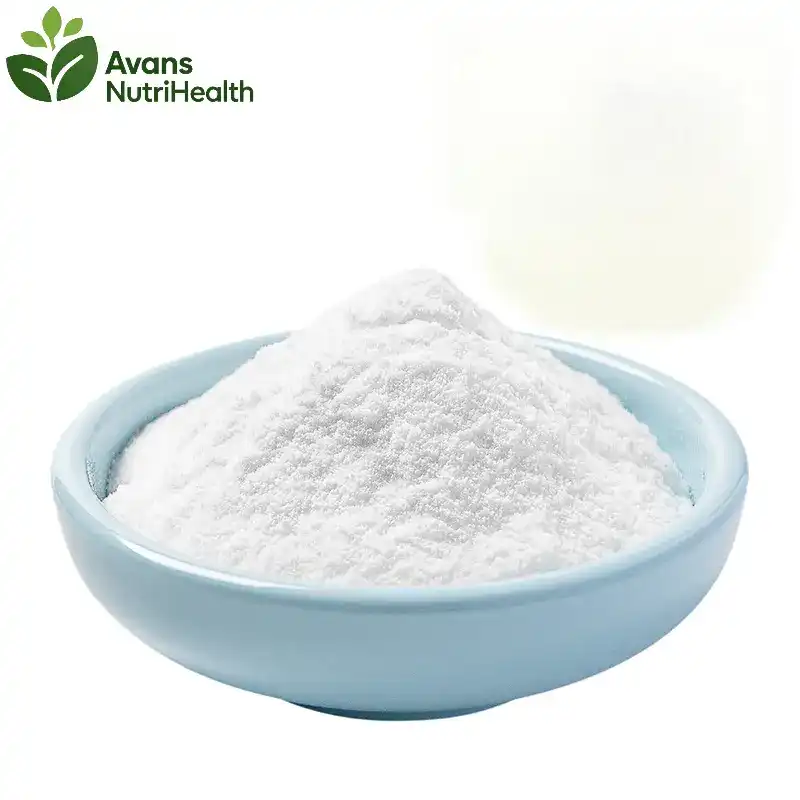
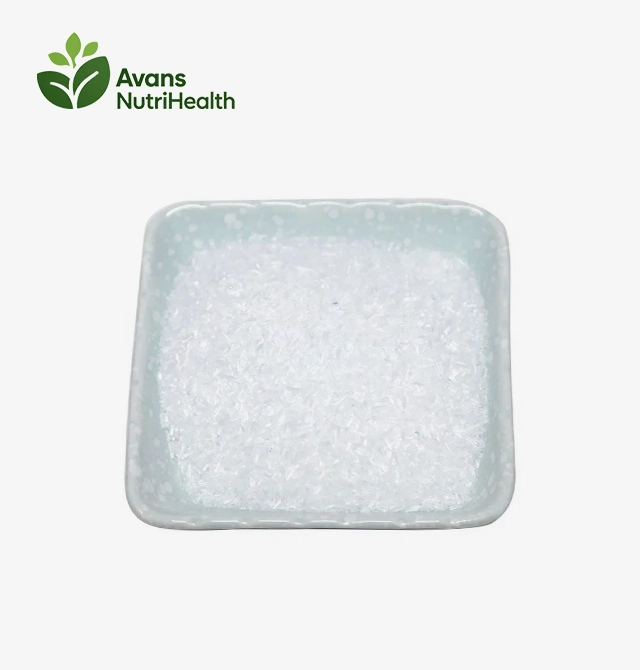
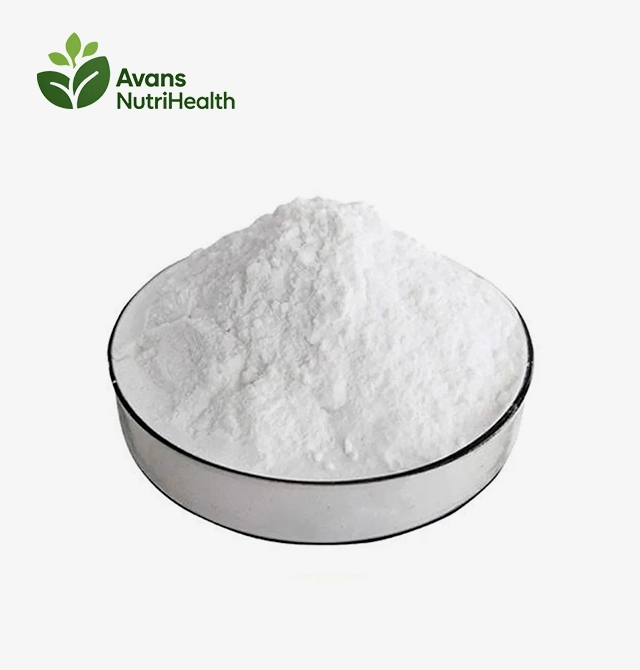
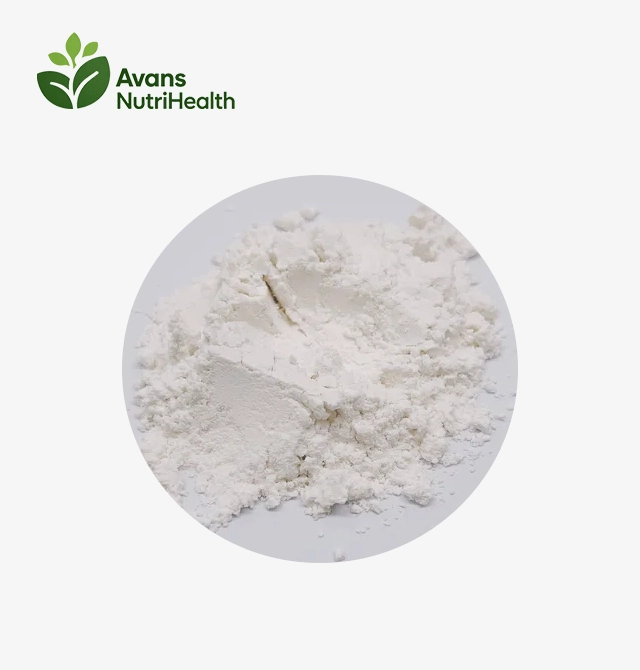
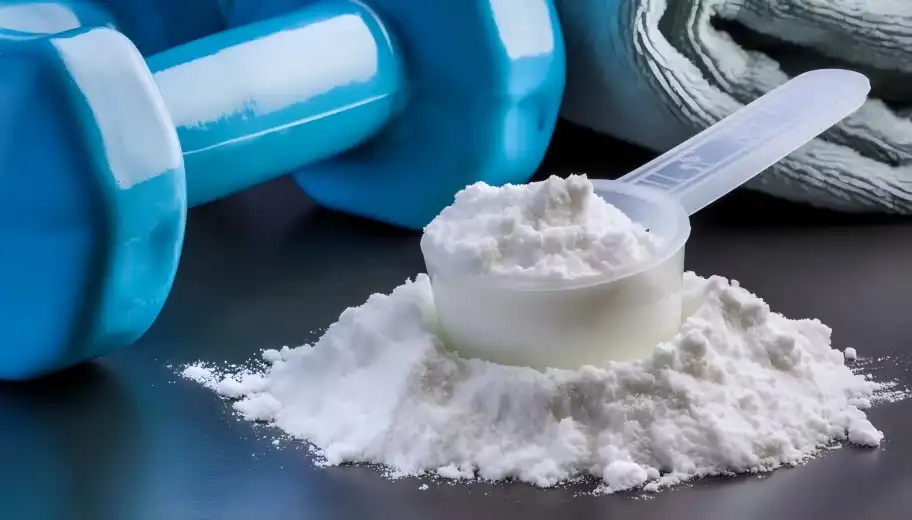
Anhydrous creatine is a breakthrough in sports nutrition biochemistry, giving pharmaceutical-grade purity and stability for B2B procurement. During a dehydration procedure, creatine monohydrate is converted into a crystalline white powder with ≥99.9% test purity.
Chemical Properties and Molecular Structure
Unlike hydrated creatine, creatine anhydrous (C₄H₉N₃O₂) provides concentrated bioactive ingredients without moisture breakdown. This water-free formulation prevents creatine from becoming inactive, a frequent humid storage problem that reduces product effectiveness.
Advanced purification methods remove contaminants while preserving molecular integrity throughout manufacturing. Supplement manufacturing plants need micronized powder with excellent flowability for automated filling equipment. Volumetric dosing across package types is consistent with bulk density observations of 0.6-0.8 g/mL.
ATP Regeneration and Energy Metabolism
Creatine supplementation boosts the phosphocreatine system, which quickly regenerates adenosine triphosphate during forceful muscular contractions, according to a study. Research shows that regular ingestion of creatine anhydrous powder may boost muscular phosphocreatine reserves by 20%, leading to increased power output and decreased tiredness during intense exercise.
Stress seems to improve cognition as well as athletic performance. Supplement makers addressing mental performance and aging are seeing growth in neurological applications.
Quality Assurance and Certification Standards
HPLC purity testing, heavy metals screening, and microbiological testing are performed on premium creatine anhydrous. ISO, HACCP, FSSC22000, and HALAL certifications enable worldwide market access and regulatory compliance at various locations.
Best Practices for Daily Usage of Creatine Anhydrous Powder
The best way to use creatine anhydrous powder is to follow evidence-based guidelines that balance effectiveness and safety. Industry experts recognize defined rules that ensure product performance and consumer happiness across demographics.
Recommended Dosage Protocols
Loading stages may accelerate muscle saturation but not long-term effects, thus most people should maintain 3-5 grams daily. Concentrated anhydrous forms offer smaller serving sizes than monohydrate variations while preserving bioactivity.
When designing product specifications, procurement managers should consider these dosage guidelines since lower serving sizes may save money and enhance customer compliance. Powder formulations blend without grittiness due to improved solubility.
Timing and Administration Strategies
Research shows that creatine uptake happens regardless of activity scheduling, offering adaptable dose regimens for different lifestyles. When paired with glucose or protein, post-workout injection may increase muscle uptake, although daily consistency is more crucial than time.
From pre-workout to everyday supplements, this versatility helps supplement producers market their products. Creatine anhydrous powder's stability reduces inventory management difficulties.
Safety Considerations and Regulatory Compliance
Healthy populations may safely supplement with creatine, with few side effects at authorized doses. During initial supplementation, intracellular water retention may influence fluid balance, making hydration crucial.
North America, Europe, and Asia-Pacific regulatory regimes consider creatine safe for dietary supplements. Manufacturers must identify dose instructions and scientifically validated health claims.
Comparative Analysis: Creatine Anhydrous Powder vs. Alternative Forms
Understanding creatine form differences helps procurement choices match formulation needs and market positioning. Unique traits affect product development and customer acceptability.
Comparing Purity and Bioavailability
Creatine anhydrous powder has 88% active compound compared to 76% in monohydrates. This concentration advantage reduces raw material needs and serving sizes, enhancing industrial economics and customer convenience.
When corrected for creatine concentration, anhydrous and monohydrate bioavailability tests show identical absorption rates. Anhydrous forms are more stable, preventing degradation that might reduce product effectiveness over time, especially under difficult storage conditions.
Solubility and Formulation Characteristics
Creatine anhydrous powder that has been micronized dissolves better in water, answering customer concerns regarding texture and mixability. Effervescent pills, ready-to-drink liquids, and encapsulated medications benefit from this increased solubility.
Stability testing shows greater performance under accelerated aging circumstances, with low potency loss after 36 months. This longer shelf life benefits worldwide distribution networks and decreases inventory turnover.
Cost-Effectiveness Analysis
Anhydrous forms cost more than monohydrate powders, but their concentration and stability justify it. Increased shelf life, lower transportation weights, and less packing optimize supply chain costs.
Premium product lines that emphasize purity, potency, and superior production have market positioning potential. Technical benefits of anhydrous formulations may assist B2B companies addressing sophisticated consumer groups.
Procurement Guide: Purchasing Creatine Anhydrous Powder for B2B Clients
To strategically source creatine anhydrous powder, you need to look at the skills, quality systems, and business terms of each provider in a way that supports long-term business relationships. A good buying process strikes a balance between cost, quality, security, and the dependability of the supply chain.
Criteria for Evaluating Suppliers
Manufacturers with a good reputation keep their Good Manufacturing Practice (cGMP) approval up to date and use ISO quality control systems to make sure that production standards are always met. Inspections and audit reports of facilities can teach us a lot about how they work and how they control quality.
Geographic diversification tactics help lower the risks in the supply chain and get the best deals on transportation costs. A lot of Asian makers, especially those in China, have low prices and a lot of production ability, so they can meet your needs for big quantities.
Business Terms and Logistics Things to Think About
Depending on the supplier's rules and the state of the market, the minimum order quantity is usually between 25 and 500 kilograms. Larger quantities usually get a better price, and they also protect supplies for supplement names that are rising.
Fiber drums, multi-layer bags, and special cases that keep creatine anhydrous powder intact during foreign shipping are all choices for packaging. Having the right paperwork, like certificates of analysis, country of origin notices, and regulatory compliance statements, makes it easier to get goods through customs and check their quality.
Protocols for Quality Assurance and Testing
Full testing panels should include checking the item's name, checking its purity, looking for heavy metals, and a microbial study. Verification by a third-party laboratory adds to the quality guarantee and helps make sure that regulations are followed in all global markets.
Stability data shows how well a product works in different storage circumstances, which helps with choices about packing and shelf life claims. Suppliers should give full analysis paperwork that helps with applications for product registration and marketing.
Why Choose Our Creatine Anhydrous Powder: Trusted Products for Your Supply Chain
At Avans NutriHealth Co., Ltd., we've become known as a top producer and seller of high-quality creatine anhydrous powder that meets the strict needs of supplement brands around the world. Our dedication to high excellence and customer happiness drives us to keep making manufacturing processes and product development projects better.
Excellence in Manufacturing and Quality Control
Our modern production sites use cutting-edge purification technologies that regularly offer levels of purity greater than or equal to 99.9% while keeping strict environmental controls. Tough quality control methods make sure that products are consistent from batch to batch, which helps customers trust the product.
A wide range of certifications, such as ISO, USDA, HACCP, FSSC22000, and HALAL, make it easier to reach foreign markets and follow rules. These certificates show that we are dedicated to meeting international quality standards and operating at the highest level in all of our production processes.
Details about the product and its technical benefits
Our Creatine Anhydrous Powder has unique properties that make formulations more flexible and improve the performance of products. The micronized particle size makes it easy to dissolve and mix, and the low moisture content (<0.1%) keeps it from sticking and keeps it fresh for longer than 36 months.
Ultra-high purity (>99.9%), fast absorption, and batch-tested quality assurance that supports consistent product development are some of the most important technical requirements. Vegan approval and non-GMO status meet the needs of consumers who want products that are good for them.
Customer service and a partnership-based approach
Our experienced technical team offers full support throughout the entire product creation cycle, from helping with the initial preparation to writing up regulatory documents. Businesses at different stages of growth can use flexible minimum order amounts, and prices will stay competitive.
Direct lines of contact make sure that customers are helped quickly and that technical questions are answered quickly. Our dedication to long-term relationships encourages us to work together in ways that help both of our businesses grow and our markets expand.
Conclusion
Understanding optimal dose methods, scheduling tactics, and quality concerns for creatine anhydrous powder usage on a regular basis is essential for maximizing performance and safety. This innovative supplement ingredient's concentrated form improves purity, stability, and serving sizes for makers and consumers. Successful procurement choices balance cost, quality, supplier dependability, and technical standards to differentiate products in competitive marketplaces. As sports nutrition evolves, creatine anhydrous is a premium substance with verifiable performance benefits supported by significant scientific study and superior production.
FAQ
1. What is the best amount of creatine anhydrous powder to take every day?
Clinical study backs up a daily maintenance amount of 3–5 grams for most people. Because anhydrous forms are more concentrated, you need about 12% less of them than monohydrate forms to get the same amount of functional creatine.
2. What kinds of quality marks should you look for when buying creatine anhydrous?
Some important certifications are ISO quality control systems, cGMP production compliance, and certifications for particular products like HALAL, KOSHER, and organic. Third-party testing proof and full documents of analysis make sure that the product is real and meets all regulations.
3. Can creatine anhydrous be used in different kinds of supplements?
Yes, because it dissolves and stays stable better, it can be used in many different ways, such as in pills, fizzy tablets, pre-workout shakes, and functional drinks. The micronized particle size makes it easier to mix with a wide range of formulation materials.
Partner with Avans for Premium Creatine Anhydrous Powder Supply
Avans NutriHealth Co., Ltd. delivers exceptional value to procurement professionals seeking reliable creatine anhydrous powder supplier partnerships. Our comprehensive quality certifications, including ISO, HACCP, and HALAL credentials, ensure global regulatory compliance while maintaining competitive pricing structures. With current stock availability and flexible MOQ options, we support businesses across nutraceutical, pharmaceutical, and cosmetic applications with consistent product quality and responsive customer service. Connect with our team at Lillian@avansnutri.com to explore customized solutions that enhance your product portfolio and drive market success.
References
1. Kreider, R.B. et al. "International Society of Sports Nutrition position stand: safety and efficacy of creatine supplementation in exercise, sport, and medicine." Journal of the International Society of Sports Nutrition, 2017.
2. Williams, M.H. and Branch, J.D. "Creatine supplementation and exercise performance: an update." Journal of the American College of Nutrition, 1998.
3. Hultman, E., et al. "Muscle creatine loading in men." Journal of Applied Physiology, 1996.
4. Wyss, M. and Kaddurah-Daouk, R. "Creatine and creatinine metabolism." Physiological Reviews, 2000.
5. Gualano, B., et al. "Creatine supplementation and brain bioenergetics in healthy individuals." Amino Acids, 2016.
6. Antonio, J., et al. "Common questions and misconceptions about creatine supplementation: what does the scientific evidence really show?" Journal of Sports Medicine and Physical Fitness, 2021.
_1767766763708.webp)