




What Makes Allicin Powder Ideal for OEM Manufacturing?
Allicin Powder has become an important material for OEM manufacturing because of its unique bioactive qualities and ability to be used in a wide range of nutraceutical, medicinal, and skincare products. This strong organosulfur substance comes from garlic bulbs (Allium sativum L.) and helps companies make products that meet strict international standards by providing uniform quality, proven effectiveness, and regulatory compliance. As procurement managers make tough choices about where to get things, it's important for them to know what makes this natural extract better than other options so they can offer competitive, market-ready solutions.
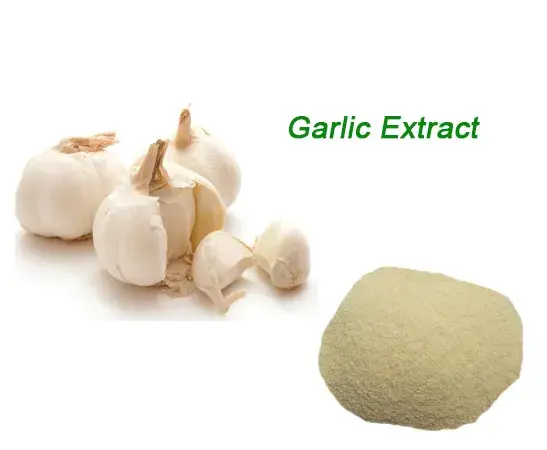
Understanding Allicin Powder: Composition and Core Benefits
The science behind this ingredient, which comes from garlic, shows why OEMs are interested in it. The enzyme alliinase changes the precursor ingredient alliin into the bioactive form we know from finished Allicin Powder formulations when raw garlic is crushed or treated with enzymes.
Chemical Profile and Bioactive Mechanisms
The compound has the CAS number 539-86-6 and looks like a fine white powder. It has qualities that make premium types stand out. Our Natural 99% Allicin Powder is the result of the latest advances in extraction technology. It stabilizes the parts of raw garlic that normally break down quickly. This stability helps with the unstable nature of thiosulfinate compounds, which, within hours, change into secondary sulfur molecules like diallyl disulfide. The antibacterial effect works in a special way, going after enzymes in infectious organisms that contain thiol. Unlike regular antibiotics, which bacteria become resistant to over time, this process stays effective even after multiple exposures. This makes it very useful for feed additive uses where drug growth promoters are facing more and more limits.
Functional Benefits Across Applications
Immune modulation is one of the effects that has been studied the most. For example, clinical studies have shown that certain dosage levels increase the production of lymphocytes and cytokines. The antioxidant capacity, which is shown by ORAC values, works well with formulas that aim to lower reactive stress in health products for people and animals. Support for the cardiovascular system is another well-known use case. The substance widens blood vessels and changes the way fats are broken down. This makes it a good choice for heart health vitamins aimed at older people in North America and Europe. For adult nutraceutical products, the recommended daily dose is usually between 200 mg and 600 mg. However, different concentration measures are used for feed uses depending on tonnage.
Safety Considerations and Dosage Parameters
Toxicological profiles show amazing safety margins when bought from approved sources that keep heavy metal limits below 2ppm for arsenic and lead. Our facilities make sure that every batch meets EP/USP standards. They do this by providing detailed Certificates of Analysis that show the microbial load (<10,000 CFU/g), the lack of pesticide residue, and the active ingredient proof through HPLC test methods. Formulation experts like that the interaction patterns have been recorded and are still very low compared to synthetic pharmaceutical agents. This clean safety picture speeds up the approval process across all countries, which helps brands get their new products to market faster.
Key Factors Making Allicin Powder Suitable for OEM Manufacturing
If you want to make a lot of garlic extract, you have to look at a lot of technical factors that affect how well the end product works and how efficiently the production process works. Selecting high-quality Allicin Powder is essential for maintaining brand reputation.
Purity Benchmarks and Standardization
The quality of a product is based on the amount of active thiosulfinates it contains. Our top 99% purity products are the purest. When buying things, people should know the difference between "total allicin potential" (which needs to be activated by water) and "pre-formed allicin content" (which can be tested with HPLC). The second one kills microbes right away, which is important for some uses. Standardization includes more than just active ingredients; it also includes physical traits. Particle size distribution affects how well powder blends mix, and making sure that 95% of them pass an 80-mesh screen ensures even distribution in pill fills and premix formulations. Measurements of bulk density between 0.5 and 0.7 g/ml make volumetric doses more accurate during automatic production runs.
Certification Landscape and Quality Assurance
It is necessary to have international licenses in order to distribute products around the world. Our list of certificates includes HALAL, ISO, USDA Organic, HACCP, and FSSC22000. This makes sure that we comply with a wide range of rules, from religious ones in the Middle East to organic ones in Europe that need proof of tracking. The BRC approval focuses on food safety management systems, which is very important for ingredient providers that work with big brands that have strict rules about who can work with them. These certificates are more than just pieces of paper; they show that quality control is built into the whole process of growing, extracting, and packing.
Formulation Flexibility and Stability Solutions
When compared to liquid garlic oil, which goes bad quickly and is hard to work with, garlic oil in powder form stays stable longer on the shelf. Avans NutriHealth uses microencapsulation technology for products that need to be protected from heat. This keeps bioactive chemicals safe during high-temperature feed pelleting processes that can reach 85 to 90°C. A moisture level below 10% keeps the product from caking while it's being stored, which is important for automatic filling equipment. This stability means that it can be stored properly for 24 months, which is a very long time compared to how quickly liquid forms break down without protection.
Comparative Analysis: Allicin Powder vs Other Garlic Derivatives for OEM Use
Knowing how different types of garlic work helps you choose the best ingredients for your product based on its goals and the tastes of its target market. High-concentration Allicin Powder provides a distinct advantage over raw alternatives.
Bioactive Potency and Compound Concentration
Standard garlic powder has about 0.3 to 0.5% total allicin potential, so people need to eat several grams of it every day to reach effective levels. Our concentrated extract has the same bioactivity as 200 mg amounts, which makes it much easier for patients to take their supplements and cuts down on the number of capsules needed per serving, which gives us a big edge in the supplement market. There are more aged sulfur molecules (DAS/DADS) in garlic oil than in fresh allicin, so it has a different makeup. Even though these secondary metabolites are antioxidants, they aren't immediately effective against microbes, like feed makers need to keep pathogens under control in animal operations.
Suitability Across Product Formats
Our powder mixes easily with water and has a neutral color profile, so it can be used in beverage applications without the separate problems and cloudiness that come with oil emulsions. Tablet recipes like how compressible it is, but to get the right hardness values, straight compression needs to be combined with the right excipients. Encapsulation is still the best way to give supplements to humans because it keeps sensitive customers from being affected by the strong smell and ensures that the supplements can pass through the stomach and into the intestines. Our expert team gives advice on the best enteric coating specs for bioavailability while hiding the taste and smell of the food.
Procurement Economics and Supply Chain Reliability
Price factors include more than just the cost per kilogram. They also include the total economics of creation. Even though concentrated extracts cost more than regular garlic powder, the lower dosage needed often leads to the same or cheaper per-dose costs when making effective goods. Stability in the supply line is an important but often forgotten factor. Over 70% of the world's garlic comes from the state of Shandong in China. Availability windows depend on when the garlic is harvested. Established companies like Avans keep smart inventory stocks that make sure their products are available all year. This reduces the supply problems that spot market buyers face during the off-season.
Procurement Strategies for Buying Allicin Powder in Bulk for OEM Manufacturing
Strategic sourcing practices are what separate successful product launches from formulation fails, especially when dealing with complicated regulations and relationships with foreign suppliers. Choosing a reliable Allicin Powder manufacturer is the first step toward success.
Supplier Qualification and Reputation Assessment
Smart buyers check more than just the certificates; they also do building audits that look at the extraction equipment, quality control labs, and paperwork systems. Customers are allowed to look around our Avans facilities, which shows that we run our business in a way that is open and honest, which is better for building long-term partnerships than transactional relationships. A past of working together with study institutions adds to the credibility of a source. Our relationships with more than 30 medical research teams make sure that formulations are based on the latest scientific knowledge instead of old rules. This puts your goods at the cutting edge of innovation.
Negotiating Terms and Managing Order Quantities
By committing to a minimum order quantity, you can combine the costs of keeping goods with the benefits of getting the best prices. We set up flexible MOQ agreements because we know that new brands need different terms than established companies that place container-load orders. When doing business across borders, payment terms and lines of credit become very important. Suppliers with a lot of experience provide all the paperwork needed to clear customs, such as certificates of origin, phytosanitary paperwork, and product specs formatted to meet the needs of the target country.
Regulatory Compliance Across Major Markets
As dietary products, garlic extracts are regulated by the US Food and Drug Administration (FDA) under the DSHEA. The FDA requires identification verification and contaminant tests but not pre-market approval. Novel Food laws are tighter in European markets, but garlic extracts that have been used traditionally are usually not affected. Asian markets have a wide range of needs. For example, Japan's Ministry of Health has very different standards from China's state standards. Our legal support team stays up to date on these changes and provides the paperwork packages that keep shipments from being rejected at ports of entry, which can be very expensive.
Future Outlook: Trends Driving Demand for Allicin Powder in OEM Industry
As the market changes, natural bioactive ingredients become more popular. Allicin Powder is now seen as a good example of how industries are changing and how product development objectives are changing along with them.
Consumer-Driven Natural Product Preferences
The clean label movement is still growing, and customer studies show that between 60 and 70% of supplement buyers are actively looking for plant-based alternatives to synthetic chemicals. This choice goes beyond individual buyers and includes institutional buyers, like school meal programs and senior living facilities, which put natural antimicrobials high on their lists of product requirements. Antibiotic-free livestock production is a very strong growth driver. Because of limits in the European Union on the use of antibiotics for preventative purposes, there is a pressing need for effective natural options. Garlic extracts have been shown to reduce pathogen loads and improve feed conversion rates in chicken and swine farms.
Technological Innovations Enhancing Product Quality
As extraction methods have improved, supercritical CO2 processing has become possible. This creates concentrates that don't need any solvents and have higher purity ratings. These new ideas fix problems with finding residual solvents that existed before. This means that they can be used in organic-certified goods where traditional extraction methods failed to meet certification standards. Stabilization technologies are always changing. For example, new developments in matrix packaging have made it possible to handle more heat than before. These changes make it possible to use extruded snack foods and baked goods in ways that weren't possible before because of worries about thermal degradation.
Strategic Imperatives for Manufacturing Leadership
Purchasing teams are becoming more aware that choosing which ingredients to use is not just a practical choice, but also a strategic one. Suppliers who give full technical support, from improving formulations to giving legal advice, provide value that goes far beyond commodity prices. Our position in more than 280 cities through well-established delivery networks gives us a level of logistics reliability that smaller providers can't match. This infrastructure advantage is especially useful during the fast scaling phases that follow a successful product launch, when supply problems can damage a brand's image in a way that can't be fixed.
Conclusion
Allicin-rich garlic extracts should be used in OEM manufacturing strategies because they have many benefits that all work together. These benefits include bioactivity that has been proven by a lot of research, regulatory acceptance across major markets, formulation flexibility to accommodate different delivery formats, and an established supply chain that ensures consistent availability. As the need for natural ingredients grows and antibiotic restrictions spread around the world, procurement managers who are thinking ahead know that working with approved makers like Avans NutriHealth can give their companies a competitive edge that goes beyond just saving money. This analysis looks at a lot of technical issues, from ways to make sure the ingredient is pure to ways to make it more stable. It gives decision-makers the practical knowledge they need to confidently choose and source this powerful botanical ingredient for next-generation product development projects.
FAQ
What distinguishes pre-formed allicin content from allicin potential in product specifications?
The quickly active compound in the powder is pre-formed allicin, which can be tested using HPLC and has antimicrobial effects right away that are important for feed uses. Allicin potential shows the highest amount that can be obtained after adding water to activate any leftover alliin through enzyme conversion. Formulation scientists who want to stop pathogens right away should focus on specs that show real pre-formed content instead of theoretical potential values.
How does microencapsulation protect bioactivity during feed pelleting processes?
Standard powder mixtures lose 10 to 15 percent of their effectiveness when heated above 80°C during pelleting. Microencapsulated types use protected matrices, usually made of lipids or polysaccharides, to keep thiosulfinate chemicals from breaking down when heated. This keeps them working at temperatures up to 85 to 90°C for more than 90% of the time. This technology is very important for integrated feed mills that need heat-stable additives that work with the tools they already have.
Can color variations between production batches indicate quality concerns?
Small changes from white to off-white are caused by natural variations in the garlic raw material, which are affected by the growing season and factors in the area. These small differences don't affect bioactivity as long as the Certificate of Analysis data shows that the test results were consistent. However, clear yellowing or browning indicates reactive decay that needs batch rejection. Reliable sellers include a certificate of analysis (COA) with every shipment, which lets procurement teams check the consistency of the product's look and the amount of active ingredients it contains.
Partner with Avans for Premium Allicin Powder Supply
Avans NutriHealth is ready to meet your OEM manufacturing needs with approved, high-purity garlic extract and almost 20 years of production experience. We have been a seller of allicin powder to the pharmaceutical, nutraceutical, and feed businesses around the world for a long time. We keep a lot of stock on hand so that we can quickly fill orders for both small samples and large batches. Our expert team helps with all aspects of formulation, provides help with legal paperwork, and offers cheap bulk price structures made just for B2B partnerships.
Get in touch with our purchasing agents at Lillian@avansnutri.com to talk about your specific application needs, ask for samples with full analytical specs, or look into custom extraction parameters that are made to fit your product development goals. We provide the high-quality ingredients, dependable supplies, and expert support that turn formulation ideas into goods that lead the market.
References
1. Lawson, L.D. & Hunsaker, S.M. (2018). "Allicin Bioavailability and Bioequivalence from Garlic Supplements and Garlic Foods." Nutrients, 10(7), 812-829.
2. Reiter, J., Levina, N., van der Linden, M., Gruhlke, M., Martin, C., & Slusarenko, A.J. (2017). "Diallylthiosulfinate (Allicin), a Volatile Antimicrobial from Garlic (Allium sativum), Kills Human Lung Pathogenic Bacteria." Molecules, 22(10), 1711.
3. Borlinghaus, J., Albrecht, F., Gruhlke, M.C., Nwachukwu, I.D., & Slusarenko, A.J. (2014). "Allicin: Chemistry and Biological Properties." Molecules, 19(8), 12591-12618.
4. Cutler, R.R. & Wilson, P. (2004). "Antibacterial Activity of a New, Stable, Aqueous Extract of Allicin Against Methicillin-Resistant Staphylococcus aureus." British Journal of Biomedical Science, 61(2), 71-74.
5. Mikaili, P., Maadirad, S., Moloudizargari, M., Aghajanshakeri, S., & Sarahroodi, S. (2013). "Therapeutic Uses and Pharmacological Properties of Garlic, Shallot, and Their Biologically Active Compounds." Iranian Journal of Basic Medical Sciences, 16(10), 1031-1048.
6. Ankri, S. & Mirelman, D. (1999). "Antimicrobial Properties of Allicin from Garlic." Microbes and Infection, 1(2), 125-129.