




How to Choose a 3,3-Diindolylmethane Powder Factory Supplier?
To find a trustworthy 3,3-diindolylmethane powder factory, you need to look at several important factors that have an immediate effect on the quality of your products, your ability to meet legal requirements, and your overall cost structure. A good DIM powder provider should have certifications that can be checked, such as ISO, HALAL, KOSHER, and organic standards; keep purity levels above 98% through HPLC testing; and offer clear paperwork, such as Certificates of Analysis and full safety data. Production capacity, the ability to make changes, and the ability to meet your minimum order quantity needs are all very important. We've seen that procurement workers get the best results by giving priority to companies with a history of success in the pharmaceutical and nutraceutical industries, strong quality control systems, and clear communication lines that make long-term partnerships easy.
Understanding the Decision Context: What Makes Choosing a DIM Powder Factory Crucial?
Impact on Product Quality and Formulation Stability
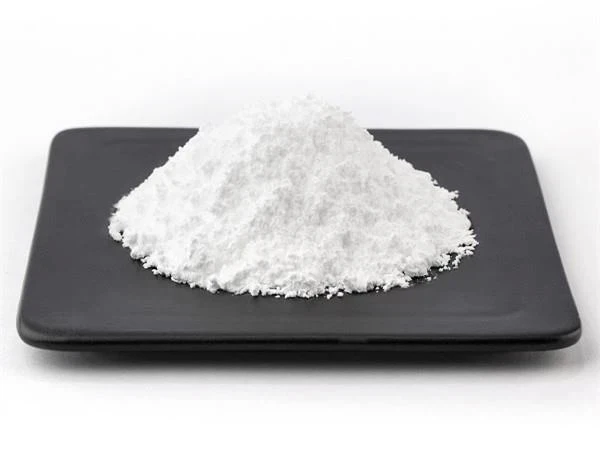
The chemicals that are in your finished goods will depend on the provider you choose. The best 3,3-diindolylmethane powder is a crystalline material that is white to off-white in color. It has a molecular weight of 246.31 g/mol and a freezing point between 162°C and 167°C. Any changes that aren't in these guidelines could mean that there is pollution or a problem with the process. Using HPLC analysis, pharmaceutical-grade DIM powder stays pure at ≥99% and doesn't have any oxidation leftovers that would make it less effective
Regulatory Compliance and Market Access
International qualifications keep people from getting into markets around the world. Suppliers with ISO system approvals, HALAL, KOSHER, and organic marks have put money into building up the infrastructure for quality management. These certificates aren't just pieces of paper; they show that strict manufacturing processes, tracking systems, and measures to stop contamination have been met. Heavy metal content limits must be less than 10ppm in North America and Europe, and remaining solvents must be in line with USP 467.
Supply Chain Reliability and Cost Management
The dependability of suppliers is important for keeping production going. Your operating flexibility is affected by the minimum order amount, the consistency of wait times, and your ability to handle your inventory. A plant that can make 1,000 tons of goods a year can handle growth rates that smaller businesses can't handle. Being clear about prices is also important because secret costs in shipping, customs paperwork, or quality testing eat away at expected profit margins.
Core Criteria to Evaluate 3,3-Diindolylmethane Powder, Factory Suppliers
Certification Standards and Quality Infrastructure
Checking the official quality control systems of a 3,3-diindolylmethane powder factory is the first step in evaluating it. ISO certifications show that a company is committed to following standard procedures for production, paperwork, and growth all the time. In addition to ISO frameworks, you should look for specialized credentials that are relevant to your target markets. For example, BRC certification is good for managing food safety, organic certification is good for clean label products, and religious certifications like HALAL and KOSHER are good for market groups that are sensitive to these cultures.
There is more to quality equipment than just certificates on the walls of a building. Check to see if the plant has separate quality control labs with High-Performance Liquid Chromatography systems for checking the purity, Gas Chromatography tools for checking the leftover solvents, and the ability to do microbiological testing.
Purity Specifications and Chemical Stability
The most important scientific requirement is chemical cleanliness. Premium DIM powder should be at least 99% pure when tested with HPLC, and there should be clear limits on any linked chemicals or breakdown products that get into it. Because the substance is lipophilic, it doesn't dissolve well in water but does dissolve in organic liquids such as DMSO, methanol, and ethyl acetate. Because of this solubility profile, you need to use specific preparation methods, and your provider should be able to show that they have the technical know-how to help with downstream application development. The spread of particle sizes has a direct effect on how well a recipe works. Standard guidelines say that the size should be between 80 and 100 mesh to make sure that the capsule and tablet grids mix evenly. Unlike I3C, DIM is stable at high temperatures and doesn't polymerize when stored normally, so it can last for 24 to 36 months if it is properly packed. But the material is still easily damaged by strong oxidation agents and needs to be kept out of direct sunlight for long periods of time.
Production Capacity and Scalability
Your production skills must match the amount of work you need to do and how much you think your business will grow. A factory with more than 100 repair workers and well-established production systems can handle large orders that are hard for small businesses to handle. The yearly output capacity is a good measure; facilities that can make 1,000 tons per year show that they have invested in their equipment and are ready to start running. Scalability concerns go beyond the amount of raw materials used. Can the provider handle orders of different sizes without affecting wait times? Do they keep enough raw materials on hand to protect against problems in the supply chain? Minimum order amounts need to be flexible for brands that are trying out new formulas or serving niche market groups. The best factory partners see themselves as extensions of your supply chain. They will change their schedules to work with yours instead of putting strict limits on your strategy options.
Technical Support and Customization Services
Differentiated providers offer more value than just raw materials. Your product development cycles will go faster if you have technical support options like formulation advice, stable testing suggestions, and help with regulation paperwork. This knowledge is especially helpful when dealing with DIM's low solubility and bad wetting in water, which are problems that need a complex delivery system design to solve. Customization services help you stand out from the competition even more. You can meet specific market needs that generic products can't meet with private labeling choices, custom package layouts, and custom particle size specs. OEM clients benefit most from providers who work with them as partners and share their process and material science knowledge to improve the performance and placement of the final product in the market.
Comparing DIM Powder Suppliers: How to Analyze and Differentiate Options
Direct Factory Sources Versus Distributor Networks
How things are bought has a big effect on how much they cost and how well they can be communicated. When you buy straight from a 3,3-diindolylmethane powder factory, you usually get a better price because you don't have to pay the middleman's fees. Direct connections also make it easier to talk about things like quality standards, work schedules, and special requests. Direct plant access lets you get answers right away from people who know how things are made, whether you have questions about analytical methods, stable data, or formulation compatibility. Different distributor networks have their own benefits, especially for buyers with smaller orders or who need fast delivery without having to commit to a minimum order number. But this ease of use comes at the cost of less clear pricing and less technical depth. Distributors might not have all the information that experienced buyers need to assess risk, like thorough information about synthesis methods, impurity profiles, or manufacturing records. When brands move past the "introduction" stage, we've found that building direct relationships with factories that support long-term strategic goals is very helpful.
Synthetic Versus Naturally-Derived DIM Production Methods
The way something is made affects both the quality and where it stands in the market. Using controlled chemical synthesis to make synthetic DIM has benefits for stability, quality control, and being able to make more of it. These methods make crystalline powder that meets the standards for medicinal-grade products with little batch difference. Synthetic routes also get rid of the problems that come with plant-based sources, like yearly supply and changes in farming. Clean label placement and organic market groups are interested in naturally-derived DIM that comes from cruciferous vegetables. The uniformity process is more difficult with extraction-based production, though, and it usually needs more raw plant material. You should carefully weigh the economic and quality trade-offs based on the tastes of your target market, government rules, and your price positioning strategy.
Reputation Assessment Through Industry Verification
The name of a supplier is a good indicator of how reliable they are and how consistent their quality is. Checking with people in the same business gives you information that marketing tools can't give you. Ask companies in your field for customer reviews. Depending on your need, these could be beauty names, companies that make nutritional supplements, or companies that make medicines. You can get useful qualitative data by asking specific questions about batch uniformity, paperwork accuracy, complaint resolution, and communication responsiveness. Audits and inspection records from a third party provide factual proof. Suppliers who are sure of their business are happy to share recent test results from certification groups or customer quality reviews. On the other hand, refusing to provide proof documents is a sign of possible risks that should be looked into further. Being a part of industry groups, trade shows, and writing for technical publications are all signs that someone is committed to professional standards and the idea of ongoing growth, which sets category leaders apart from commodity providers.
Practical Steps to Vet and Select Your DIM Powder Factory
Sample Request and Documentation Verification
A smart way to buy something starts with a thorough evaluation of samples. Ask for example samples that come with full analytical paperwork, such as Certificates of Analysis showing purity results, heavy metal testing, bacterial screening, and residue solvent analysis. The COA should list specific test methods, preferably USP or Ph. Eur. compendial methods, and include batch numbers that make it possible to track the product. Every sample package should come with a Material Safety Data Sheet that lists the risks, how to handle the sample safely, and what to do in an emergency.
Factory Audit Strategies
On-site checks give you a unique look into the manufacturing skills and quality culture. When you can't make it to the auditor in person because of where you live or a lack of resources, third-party audit services are a good option. Maintenance of production tools, environmental controls, receiving processes for raw materials, quality tracking during the process, testing routines for finished products, and deviation management systems should all be important parts of an audit.
Pre-Purchase Testing and Quality Verification
Before making a big buy, you should do a lot of testing ahead of time, focusing on the factors that are most important for your application. In addition to the normal purity test, you should also look at how the substance dissolves, how stable it is under your storage conditions, and how well it works with other ingredients in the mixture. Check the shape of the particles in DIM powder using a microscope, make sure the freezing point is within the range of 162-167°C, and see how the powder dissolves in the solvents you want to use.
Contract Negotiation and Terms Optimization
When you negotiate strategically for a 3,3-diindolylmethane powder factory, you weigh your cost goals against quality, security, and supply stability. Minimum order quantities have a big effect on the costs of working capital and keeping inventory. Check with suppliers to see if they offer a flexible price for small orders that goes up as the number goes up. Lead time promises should include clear production schedules and shipping dates, as well as penalties for delays that are too long.
Case Study: Successful Procurement of DIM Powder From a Certified Factory
A European company that makes vitamins for women's health needed a reliable source of high-purity 3,3-diindolylmethane powder to help launch new products that aim to balance hormones. Their previous provider sent them particles of different sizes, which made it hard to blend and put the performance of their capsule formulas at risk. The purchasing team set strict standards for the products they looked at, focusing on purity levels above 99%, uniform 80-mesh particle distribution, a full set of certifications that included organic credentials, and the ability to produce 500 kg of product every three months with room to grow. Based on initial estimates of capability and licensing checks, they narrowed the list to three possible companies.
Conclusion
Choosing a 3,3-diindolylmethane powder factory provider is a big choice that will have long-lasting effects on the quality of the product, compliance with regulations, and the efficiency of operations. For procurement to go well, certification qualifications, purity requirements, output capabilities, and technical support infrastructure must all be carefully reviewed. When you deal directly with a business, you usually get better value because you can save money, communicate clearly, and make changes that no one else can. Sample testing, document verification, factory checks, and strategy contract negotiation are just a few of the strict steps that are taken to make sure that quality problems and supply disruptions don't hurt a company's ability to compete in the market. Putting time and money into carefully evaluating suppliers pays off in the form of better recipe performance, lower compliance risks, and higher customer happiness, all of which lead to long-term business growth.
FAQ
What purity level should I expect from premium DIM powder?
Pharmaceutical-grade 3,3-diindolylmethane powder should have an HPLC test result of at least 99% purity. This standard makes sure that reaction by-products and degradation chemicals don't contaminate the product too much. Reliable providers give out thorough analytical papers that show the purity results, the testing method, and the identification of each batch. If a material is less than 98% pure, it raises questions about how well it was manufactured and should lead to a thorough investigation before a decision to buy is made.
How can I verify ISO and certification compliance?
Ask the supplier for up-to-date certification papers and write down the times they were issued and the name of the certifying body. When you can, cross-reference license numbers with the groups that issued them. Audit records from a third party add to the proof. During visits to the plant or virtual trips, look at the certificates that are posted and ask how the audit preparation process works. Real compliance is shown in operational practices as well as paperwork, so check to see if quality management concepts are built into the way things are done every day.
What safety considerations apply to DIM powder handling?
DIM powder is not very dangerous when it comes to acute toxicity, but it should still be handled with the same care as other medicinal chemicals. The substance is lipophilic and doesn't dissolve in water very well, so there aren't many risks of marine poisoning. When storing or preparing, stay away from strong oxidizing agents. Even though supplement doses are usually thought to be safe, full safety documentation from suppliers should include limits on workplace exposure, first aid, and how to properly dispose of the product. Reliable providers clearly give out Material Safety Data Sheets that cover these areas without needing a lot of follow-up questions.
Partner With Avans for Premium DIM Powder Supply
Avans NutriHealth Co., Ltd. has ISO system certification, as well as HALAL, KOSHER, BRC, and organic qualifications. This makes us a reliable 3,3-diindolylmethane powder factory provider for companies that make medicines, cosmetics, and nutraceuticals. Our production plant has a 1,000-ton yearly output capacity and employs more than 100 specialized technicians. This makes sure that clients with changing volume needs can always get what they need. We offer pharmaceutical-grade DIM powder that is more than 99% pure and comes with detailed Certificates of Analysis and technical papers that make regulation submissions easier. In addition to high-quality raw materials, our team offers private labels, personalized packaging, and flexible minimum order amounts that are made for R&D departments that are trying new formulas. Get in touch with Lillian@avansnutri.com to talk about your specific needs and find out how our dedication to natural, safe ingredients and full technology support can give your brand long-lasting competitive benefits.
References
1. Thomson, C.A. & Ho, E. (2021). "Dietary Indoles and Cancer Prevention: Mechanisms and Clinical Applications." Annual Review of Nutrition, 41, 255-283.
2. Bradlow, H.L., Zeligs, M.A., & Sepkovic, D.W. (2020). "3,3'-Diindolylmethane: Hormonal Modulation and Therapeutic Applications in Estrogen-Dependent Conditions." Journal of Nutritional Biochemistry, 78, 108-122.
3. United States Pharmacopeia. (2022). "USP-NF General Chapter <467>: Residual Solvents." United States Pharmacopeial Convention, Rockville, MD.
4. European Food Safety Authority. (2020). "Safety Assessment of Indole-3-Carbinol Derivatives in Food Supplements." EFSA Journal, 18(4), e06051.
5. Chen, D.Z. & Qi, M. (2019). "Development and Validation of HPLC Methods for Purity Analysis of 3,3'-Diindolylmethane in Nutraceutical Products." Journal of Pharmaceutical and Biomedical Analysis, 164, 587-594.
6. International Organization for Standardization. (2018). "ISO 22000:2018 - Food Safety Management Systems: Requirements for Organizations in the Food Chain." ISO Central Secretariat, Geneva, Switzerland.