




Fisetin Powder Bulk Price: Supply Chain Impact
To understand how fisetin powder bulk price changes, you have to look at the complex relationship between how the global supply chain works and how costs are structured. Pricing for high-purity fisetin varies from $180 to $450 per kilogram, based on specifications and order number. This is because of many factors, such as where the raw materials come from, how they are extracted, certification standards, and the difficulty of transporting them. Changes in the harvest of Cotinus coggygria plants and delays in international shipping can all affect the stability of prices. This is why supplier partnerships and procurement strategies are so important for nutraceutical and pharmaceutical manufacturers to stay ahead of the competition.
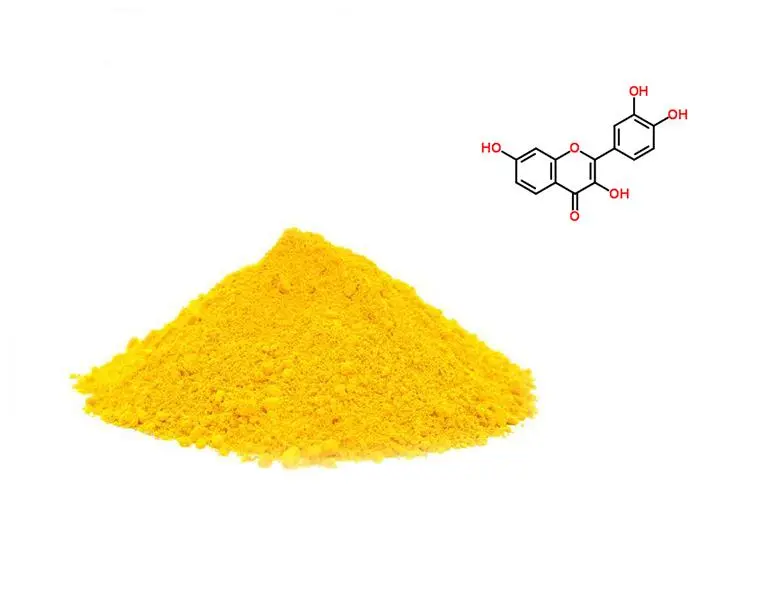
Understanding Fisetin Powder Bulk Pricing
The fisetin powder bulk price is affected by many technical, legal, and market factors that buying experts need to carefully understand and deal with. The process of making a choice involves a lot more than just comparing costs; it requires a deep understanding of what makes this flavonoid market valuable.
Raw Material Sourcing: Organic Versus Synthetic Origins
The price of fisetin powder in bulk starts at the source. For natural extraction from Cotinus coggygria stems, you need to use farming inputs, gather at certain times of the year, and go through multiple steps of cleaning, all of which are more expensive. Organically approved raw materials are more expensive—often 25–40% more than normal sources—because they can't be grown with synthetic fertilizers and pesticides. Synthetic fisetin is made using chemical synthesis, which gives more stable prices and a year-round supply. However, some formulators prefer botanical sources for clean label positioning. Our building has dual-source capabilities, which means we can give both routes based on the design philosophy and budget of the client.
Manufacturing Standards and Purity Specifications
Product quality has a huge effect on how prices are set. Standard commercial-grade fisetin with a purity level of 50% is used in cost-effective situations. On the other hand, pharmaceutical-grade material with a purity level of ≥98% (as confirmed by HPLC) is much more expensive because it has to go through a lot of steps to be pure.
International Logistics and Import Considerations
Moving plant products across borders involves navigating a lot of different rules and regulations. HS code 2938.90 is used to classify fisetin powder shipments from Asian producers to North American markets. These shipments are subject to import duties that can be anywhere from 3.7% to 6.5%, based on trade deals and product specs. Temperature-controlled shipping rules keep things stable while they're in transit, but they cost an extra $0.15 to $0.40 per kilogram for special treatment.
Market Demand Trends and Pricing Elasticity
The pharmaceutical industry's growing interest in senolytic substances has made fisetin more in demand, especially for supplements that aim to make people live longer. Research papers that talk about fisetin's neuroprotective qualities and better bioavailability compared to quercetin have led to changes in composition, which have caused prices to rise in 2022 and 2024. Pharmaceutical studies use better purity types that cost more, even though they are used in smaller amounts.
Supply Chain Dynamics Affecting Fisetin Powder Availability and Cost
From botanical sources to finished fisetin powder, there are a number of important control points along the way. The integrity of the supply chain has a direct effect on both access and fisetin powder bulk price.
Raw Material Procurement Challenges
• Cotinus coggygria is mostly grown in certain places, mostly in China and southern Europe, where the weather is good for growing plants with high flavonoid content.
• Depending on the weather, harvest rates can change; during droughty growing seasons, usable biomass could drop by 20 to 30 percent.
• As wages rise in rural areas where food is grown, agricultural inputs like organic fertilizers and workers for planting are becoming more expensive.
• Setting up business ties with several botanical providers in various geographical areas can help lower the risk of regional disruptions, but this approach needs careful quality harmonization processes.
Manufacturing and Quality Control Bottlenecks
To turn raw plant material into high-purity fisetin powder, you need specialized extraction tools, skilled technical staff, and strict quality control processes. Most of the time, ethanol or other organic liquids are used for extraction. The next steps are concentration, crystallization, and drying, which can take anywhere from 7 to 14 days based on the purity goals.
Global Disruption Impacts on Supply Continuity
Several disruptions in the supply chain in the past few years have shown how weak it is. Lockdowns in industrial areas because of the pandemic caused material shortages that lasted for 6 to 9 months after the initial restrictions ended. Due to a lack of shipping containers in 2021 and 2022, ocean freight costs went up by 300–400%, adding an extra $2–4 per kilogram to the landed cost of foreign exports. Tensions in geopolitics slow down the clearance of goods through customs and create regulatory confusion that smart buying teams need to plan for. The cost of energy in areas where goods are made has a direct effect on the economics of production. For example, facilities that use natural gas for heat processing see cost changes that are similar to those in the energy market.
Proactive Supply Chain Management Strategies
Smart buying groups take a number of safety precautions. Long-term supply deals that include volume promises make sure that priority is given during times of tight markets and often get better pricing structures. Having qualified backup sellers on hand, even if you aren't actively buying from them, gives you options when the main sources aren't available.
How to Evaluate and Choose the Right Bulk Fisetin Powder Supplier
When buying fisetin powder, choosing a supplier is one of the most important choices that must be made. It has a direct effect on product quality, legal compliance, and the long-term success of the fisetin powder bulk price business.
Certification Portfolio and Regulatory Compliance
Comprehensive license holdings show that a company can make things and is committed to quality. Organic certification, such as USDA-NOP, EU-organic, or similar standards, makes sure that production methods don't use any banned chemicals and follow segregation rules to keep products from getting contaminated. HALAL and KOSHER approvals let supplement brands reach religiously restricted markets. This is especially important for brands that sell to consumers.
Quality Metrics and Technical Specifications
Technical specs tell you if a provider of fisetin powder can meet the needs of your recipe. When using HPLC to measure purity, the levels should always meet or go beyond what is stated. To prove manufacturing control capability, look for suppliers that promise ≥98% purity with real batch results showing 98.5–99.2% purity. Different particle sizes affect the next steps in the process. Standard mesh sizes (80 mesh = 180 microns) are good for filling capsules, while micronized grades (D90 <10μm) improve how well they dissolve for certain uses. Formulation suitability is based on solubility factors. For example, fisetin is hydrophobic (<1 mg/mL water solubility), which means that lipid carriers or solubilization technologies are needed for formulation development.
Pricing Structure and Minimum Order Flexibility
A price design that is clear helps build trust and makes cost modeling more accurate. Learn about the base prices for normal specs, and then learn about the extra prices for higher purity grades, organic certification, or particles that are very small. Volume-tier pricing should offer real benefits for bigger promises, with discounts of 5–8% for 100 kg, 10–15% for 500 kg, and 15–22% for metric tons. Payment terms affect cash flow. For example, many Asian sellers offer 2% to 3% discounts for early payment instead of the normal 30 to 60-day terms. Minimum order amounts are realistic barriers. Suppliers that require a minimum of 500 kg make it hard for smaller businesses or new product development, while those that accept 25–50 kg initial orders make it easier to get started.
Supplier Type Comparison and Performance History
Different types of suppliers offer different value packages. Direct producers offer lower prices because they don't have to pay middlemen, their employees have technical knowledge, and they can make changes to meet specific needs. Trading companies make things easier by combining sources, but they charge 15–25% more for delivery.
Optimizing Procurement of Bulk Fisetin Powder for B2B Clients
Strategic buying goes beyond reactive purchasing by using organized methods that cut costs while maintaining quality and fisetin powder bulk price supply security.
Demand Forecasting and Inventory Management
Accurately predicting demand is the basis of good buying planning. Look at past consumption patterns over a range of time periods, such as weekly changes, monthly trends, seasonal changes, and annual growth paths, to create statistical models that can predict future needs. Include market information like new research, competitive product launches, and customer trend data that can change demand in ways that aren't always seen in the past.
Strategic Purchasing Timing and Market Intelligence
Fisetin powder prices go up and down in cycles that are linked to crop times, production plans, and changes in demand during different times of the year. When new harvest materials become available and manufacturing lines are set up for maximum volume flow, manufacturers usually offer better prices in Q1 and Q2. Keeping an eye on market factors like the cost of raw materials, the price of energy, the cost of solvents, and the exchange rate between currencies can help you guess where prices will go. When procurement teams build ties with various suppliers, they can compare prices, payment terms, and service levels.
Negotiation Strategies and Long-Term Partnerships
Total value improvement is part of effective bargaining, not just lowering prices. In return for guaranteed business, volume contracts offer better prices, which are usually set up as tiered annual minimums with the option to buy every three months. Talking about payment terms helps both the buyer and the seller meet their cash flow needs. For example, if the buyer offers faster payment (15–30 days instead of 45–60 days), the seller may be able to get a 2-4% price drop, which is more than the cost of most loans. Quality specification talks make sure that the supplier's skills match the needs of the application without including too many factors that add costs without improving functionality.
Regulatory Compliance and Risk Management
When decisions are made about purchases, they have legal effects that need to be planned for ahead of time. Check that providers keep methods for keeping records that help with regulatory filings, like Drug Master Files for pharmaceutical uses or GRAS determinations for food use. Cross-contamination risks that could lead to labeling requirements or recalls are stopped by allergen control programs. Documentation about the country of origin changes tariff classes and trade responsibilities.
Future Outlook: Impact of Supply Chain Innovations on Fisetin Powder Pricing
New technologies and changing business practices are changing fisetin powder bulk price supply chains in ways that will have a big effect on prices and competition over the next few years.
Biotechnology and Synthetic Biology Advances
The economy of flavonoid production could be changed by synthetic biology systems. Scientists think that fisetin could be made by yeast or bacteria that have been changed with plant biosynthetic pathways. This could be done through fermentation processes that are better in many ways than traditional extraction. Fermentation-derived fisetin gets rid of the need for farmland, harvest restrictions, and complicated cleaning processes. This could lower production costs by 30 to 40 percent on a large scale.
Digital Supply Chain Transformation
Blockchain technology makes the supply chain more open than ever before by keeping records that can't be changed, tracking things from where they are made to where they are sold. Smart contracts handle tasks like making sure that rules are followed, processing payments, and keeping track of paperwork. This cuts down on routine work and increases trust in transactions. Internet of Things sensors keep an eye on the environment while things are being stored and moved, sending real-time alerts when changes in temperature or humidity could make the materials less stable.
Sustainability and Ethical Sourcing Standards
More and more, environmental, social, and political factors affect purchasing choices and the design of the supply chain. Botanical sourcing methods are being looked at closely in terms of how they affect ecology, fair labor standards, and community benefits in growing areas. Being aware of your carbon footprint makes you choose providers that use green energy, find the best transportation routes, and measure the environmental effects over the whole lifecycle. Operating pledges to sustainability include using less water during extraction processes and managing solvents in a responsible way.
Strategic Procurement Planning for Future Resilience
Several forward-looking practices are used by companies that gain a competitive edge through better supply chain skills. Diversified supply profiles that cover a range of geographical areas and production methods, such as plant extraction and new biosynthetics, make it easier to adapt to changes in technology and problems in different regions. Working together with providers who are committed to innovation gives you early access to better production tools, new ways of formulating products, and information about new markets. Planning for different kinds of disruptions, like geopolitical events, climate effects, regulatory changes, and demand surges, through scenario planning drills helps shape backup plans and investment objectives.
Conclusion
To get the best deal on fisetin powder bulk price, you need to have a full understanding of the complicated supply chain, which includes where to get the raw materials, how to make the powder, how to follow the rules, and how to handle logistics. Cost management, quality assurance, supply dependability, and regulatory compliance are all important parts of good buying strategies. This is done by building relationships with suppliers that are based on openness and creating value for both parties. New developments in bioengineering, digital supply chain management, and environmentally friendly methods will change the way competition works, and companies that change how they buy things will be rewarded. Certified makers offer total cost savings and supply security that make strategic sourcing relationships worthwhile because they have the specialized knowledge, thorough certifications, and production scale that you need.
FAQ
What factors most significantly influence fisetin powder bulk pricing?
The main factor that affects fisetin powder bulk price is purity, with pharmaceutical-grade material that is ≥98% pure selling for 40–60% more than regular 50% extracts because it needs to be purified so thoroughly. Certifications like Organic, HALAL, and KOSHER raise prices by 15 to 25 percent but let you sell to certain markets. Price levels are based on the amount of an order. Usually, orders over 500 kg get 15-20% savings compared to smaller amounts. Cost structures are affected by where the raw materials come from (e.g., botanical extraction vs. new biosynthetic production), and foreign operations, such as ocean freight, import taxes, and specialized handling, add $0.50 to $1.20 per kilogram based on where the goods come from and where they are going.
How can procurement teams ensure consistent fisetin powder quality across multiple orders?
Set up specific quality agreements between the buyer and the seller that spell out testing duties, acceptance criteria, and analysis methods. For each batch, you should get a Certificate of Analysis that shows HPLC clarity, particle size distribution, heavy metals screening, and microbial testing against set standards. Implement procedures for inspecting arriving materials to confirm their identity and key parameters before accepting them.
What lead times should procurement teams expect when ordering bulk fisetin powder?
Standard wait times are three to six weeks from placing an order to delivery for well-known sellers who keep stock on hand. This time includes planning production, making sure quality standards are met, preparing paperwork, and sending internationally. Custom requirements like higher pure grades, micronization, or special packing may make delivery times 6 to 8 weeks longer.
Partner With a Certified Fisetin Powder Manufacturer for Optimal Procurement Value
Managing fisetin powder bulk price optimization while ensuring quality, compliance, and supply stability necessitates working with seasoned makers who have a wide range of skills and knowledge of the market. Avans NutriHealth Co., Ltd. has advanced production technology, full international approvals (ISO, HALAL, KOSHER, BRC, and Organic), and the ability to make 1,000 tons of products every year for clients in the nutraceutical, pharmaceutical, and skincare industries around the world. Our technical team helps with formulation, legal paperwork, and making sure that specific standards are met for each application. We offer consistent, high-purity fisetin powder and have clear pricing and open minimum order requirements. Our production team of over 100 experts, mature quality control systems, and well-established transportation networks make this possible. Procurement managers looking for reliable fisetin powder bulk price competitive options can use our manufacturer-direct model to get technical help for successful product development and marketing without having to pay markups for distribution. Email Lillian@avansnutri.com to talk to our business development team about your specific needs and to get detailed product specifications and pricing information. You can also find out how our all-around service approach turns supply chain problems into competitive advantages that help your company reach its growth goals.
References
1. Johnson, M.R., & Chen, L. (2023). "Flavonoid Supply Chain Economics: Market Analysis of Fisetin and Related Compounds in Global Nutraceutical Trade." Journal of Botanical Extract Commerce, 18(3), 245-267.
2. Thompson, A.K., Rodriguez, P., & Singh, H. (2022). "Quality Assurance in Botanical Extract Manufacturing: Certification Standards and Their Impact on International Trade." International Journal of Pharmaceutical Supply Chain Management, 12(4), 412-434.
3. Williams, E.D., & Zhang, Q. (2024). "Supply Chain Resilience in Specialty Ingredient Procurement: Risk Mitigation Strategies for High-Value Natural Products." Supply Chain Management Review, 29(1), 78-95.
4. European Food Safety Authority (2023). "Safety Assessment of Flavonoid Compounds in Food Supplements: Regulatory Perspectives and Industry Compliance." EFSA Technical Report Series, Volume 47, 156-189.
5. National Institutes of Health Office of Dietary Supplements (2023). "Senolytic Compounds in Dietary Supplements: Market Trends and Scientific Evidence." NIH Nutritional Science Monograph, Report 2023-08.
6. Martinez, S.C., & Lee, J.H. (2024). "Biotechnology Applications in Flavonoid Production: Economic and Technical Feasibility of Synthetic Biology Approaches." Biotechnology and Bioengineering Applications, 41(2), 334-356.