




Is Lycopene Powder Safe for Daily Supplement Use?
Lycopene powder is usually safe to take every day as a supplement as long as it comes from quality-controlled, approved sources and is taken in the amounts that are suggested. A lot of clinical studies have shown that most people don't have any negative effects, but formulation experts should still look at purity standards, bioavailability profiles, and how the drug might mix with other drugs. A lot of what affects the safety profile is how the medicine is extracted, how it is microencapsulated, and how well it meets the standards for organic approval. When B2B sourcing teams are making nutraceutical or cosmetic formulations, working with sellers who have BRC, HALAL, KOSHER, and Organic certifications greatly lowers the risk of contamination and makes sure they follow all global regulations.
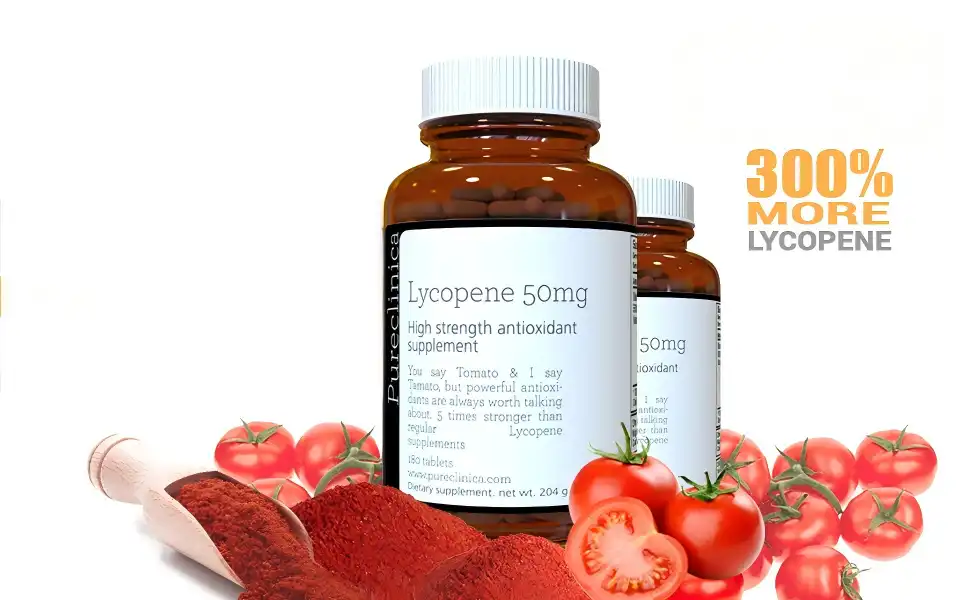
Understanding Lycopene Powder: Composition, Benefits, and Mechanism
What Makes Lycopene Powder Unique?
From pure tomato liquids, lycopene powder is a more advanced form. This bioactive pigment comes mostly from Solanum lycopersicum (tomatoes) or pickled Blakeslea trispora. It goes through advanced microencapsulation to change from an unstable oleoresin to a stable, free-flowing powder. The normal molecule, C40H56, has a fatty hydrocarbon chain that blocks singlet oxygen and is twice as good at fighting free radicals as beta-carotene. Pharmaceutical-grade tomato powders, on the other hand, have uniform purity levels that range from 5% to 96%. This makes up for the lipophilic compound's natural stability problems.
Core Antioxidant Mechanisms
This pigment donates electrons to reactive oxygen species, which stops oxidative harm to lipid membranes, proteins, and DNA structures at the cellular level. Singlet oxygen is put out of action, and peroxyl radicals are scavenged before they can start chain reactions. Heart disease tests have shown that people who take 10–30 mg of this drug every day consistently have lower levels of LDL oxidation markers. Its photoprotective qualities are used in dermatology, and after 12 weeks of supplementation, clinical studies showed less redness caused by UV light.
Documented Health Benefits
The scientific literature suggests a number of therapeutic uses for lycopene powder. Better endothelial function and less tightness in the arteries are two cardiovascular benefits of nitric oxide pathway regulation. According to studies on prostate health, there are negative links between serum concentrations and the chance of cancer. However, the causes of these relationships need to be studied further. Anti-aging benefits are used in cosmetics because the chemical builds up in dermal cells to slow down photoaging. These benefits, based on proof, let R&D teams make claims that are backed up by peer-reviewed research. This makes sure that the positioning of the product matches what customers want and what the law requires.
Is Daily Supplementation of Lycopene Powder Safe?
Established Safety Thresholds
Tolerability traits that are good are supported by decades of clinical safety data. In healthy people, taking supplements in the range of 10 to 30 mg per day has almost no negative effects. Observational studies that followed groups of people who ate a lot of tomatoes (about 25 to 40 mg per day) found no signs of harm over long periods of time. The European Food Safety Authority says that natural extracts are safe and that there are no set higher limits. However, smart formulators keep dosages within clinically proven ranges to protect consumers and make sure they can defend themselves in court.
Potential Considerations for Specific Populations
Individualized testing is needed for some groups. People who take blood thinners should talk to their doctors because eating a lot of carotenoids might affect how their bodies use vitamin K. Women who are pregnant or breastfeeding usually choose food sources over concentrated supplements until more safety data is available. Formulators who make drugs for these groups usually suggest low doses or put warning labels on them. Lycopenodermia is a harmless skin discoloration that looks like carotenemia, which can happen in very small amounts. It goes away when the dose is lowered without any negative effects on health.
Quality Control as Safety Foundation
There is a direct link between safety profiles and industrial standards. Suppliers with BRC certification and organic qualifications put their goods through strict tests that look for heavy metals, herbicide residues, and microbial poisoning. The microencapsulation method itself makes things safer by keeping the active ingredient from breaking down in a way that could make dangerous byproducts. Teams that buy things for businesses should check the certificates of analysis that suppliers give them and ask a third party to confirm the purity levels and stable testing data. This extra work keeps formulation failures from happening and keeps the brand's image safe in controlled markets.
Comparing Lycopene Powder to Other Forms and Related Ingredients
Powder vs. Softgel Capsules
Powdered forms have clear benefits for use in manufacturing settings. Because it is stable and freely moving, it can be used for exact dosing in pill compression, beverage systems, and powder blends—situations where softgel oleoresins don't work well. The manufacturing process is more efficient because it is easier to handle, and there is no need for gelatin shells. For high-volume production, cost analysis suggests buying powder because bulk price models lower the cost of the active ingredient per unit. However, softgels are better at blocking oxygen for very sensitive formulas. The choice of format depends on the needs of the product and the delivery method that is being used.
Natural vs. Synthetic Variants
Naturally removed forms still have an edge in clean-label markets because consumers prefer them. Organic approval appeals to people who care about their health and is in line with government trends that favor botanical sources. Bioavailability studies show that natural and synthetic forms are absorbed at about the same rate when they are properly made. However, natural products contain antioxidants that work with synthetic ones to make them more effective in biological ways. Costs can be predicted, and concentration can be controlled with synthetic production, which is good for uses that care about price. When making a procurement choice, market placement goals should be weighed against the cost of manufacturing and the need for certification.
Comparing Antioxidant Efficacy
Comparisons with other carotenoids show that lycopene powder has higher rates of stopping singlet oxygen. In the lab, tests show that it has about 125% more antioxidant power than beta-carotene and 200% more activity than alpha-tocopherol when all the amounts are equal. Standardized extracts have much higher concentrations—between 2% and 20%—but tomato powder has much lower concentrations—between 0.3 and 3 percent. This means that dose sizes have to be proportionally bigger, which affects formulation costs and customer compliance. Astaxanthin has about the same amount of power, but it costs a lot more. These differences in performance help formulators choose the best ingredients based on their price, quantity restrictions, and goals for effectiveness.
Practical Applications and Procurement Considerations for B2B Clients
Industry Application Scenarios
This item can be used in a lot of different ways. Companies that make nutraceuticals use standard ingredients in heart health products, products for men's health, and antioxidant complexes. They do this because there is a lot of research that shows that supplements can improve health. Cosmetic companies use it in beauty-from-within vitamins and serums that you put on your skin because their lipophilic traits make it easier for the ingredients to get into the skin. Food engineers use it as a natural colorant in functional drinks, plant-based meat substitutes, and processed foods instead of manufactured dyes like Red 40. It also adds nutritional value. For each use, different levels of clarity and particle sizes are needed.
Understanding the factors used to evaluate suppliers is important for successful buying. We suggest looking at the production capability, including the yearly output volumes, lead times, and the ability to expand or contract to meet changing demand. When you check a certificate, it should say that it is BRC certified for food safety, HALAL and KOSHER certified for religious dietary needs, and organic certified for high-end products. The country of origin affects how well it is accepted by regulators. Sources from the EU and North America often make import paperwork easier. Before placing a mass order, sample testing methods should include HPLC purity analysis, microbial screening, and rapid stability studies that mimic real-life storage conditions.
Optimizing Supply Chain Economics
Prices are very different depending on the product level, the amount ordered, and the package requirements. Standardized 10% concentrations usually cost between $80 and $150 per kg for orders of 100 kg or more, while pharmaceutical-grade 20% concentrations cost an extra $200 to $350 per kg. Water-dispersible and cold-water-soluble forms cost $50 to $100 more to process per kg, but they get rid of problems that come up later in the preparation process. To lower the cost of freight per unit, shipping operations prefer consolidated container exports. Payment terms often include 30% payment with balance against bill of lading, though established relationships may discuss net-30 or net-60 arrangements. Strategic buyers lock in good prices by signing yearly contracts that promise a certain amount of goods.
Making an Informed Decision: Integrating Safety, Efficacy, and Procurement Strategy
Balancing Technical and Commercial Requirements
Choosing the right ingredients, like lycopene powder, means lining up a lot of different factors. Purity standards must meet the rules in the places they're aimed at, such as FDA GRAS status for sales in the U.S., Novel Foods clearance for sales in the EU, and state registration standards for other areas. Bioavailability factors affect the amount that needs to be taken and, by extension, the cost of the product. Water-dispersible versions work better at absorption but cost more in raw materials. The particle size, moisture content, and carrier matrix specs depend on the delivery format—tablet, pill, liquid, or topical. We've seen that thorough surveys sent to suppliers early in the development process that cover these technical aspects help avoid costly delays in reformulating.
Supplier Partnership Strategies
For long-term success, working together is more important than buying things one at a time. Preferred providers offer expert help such as formulation advice, stability data, and packages of regulatory paperwork. During scale-up times, inventory problems can be avoided by being clear about production plans. Quality stability is more important than small cost savings. Changing suppliers often raises approval costs and the risk of differences between batches. We suggest keeping two sources for mission-critical ingredients while focusing 70–80% of volume on key partners to get the most out of the relationship benefits without making the relationship vulnerable to dependence.
Anticipating Market Evolution
Future buying plans will be based on new trends. Natural products from tomatoes are preferred over manufactured ones because consumers want ingredients that come from plants and are sustainable. For regulators to closely look at supplement labels, there needs to be a strong paper trail that connects the ingredients listed to clinical proof. New technologies in microencapsulation allow for new delivery systems, such as nanoparticles that are more bioavailable and sustained-release materials that work for longer. To stay ahead of the competition, smart buyers keep an eye on these changes through industry conferences, source innovation pipelines, and academic books. Choosing the right ingredients today sets brands up to take advantage of tomorrow's market possibilities.
Conclusion
A good lycopene powder supplement taken every day has strong safety ratings backed up by a lot of clinical proof. It has few side effects and is well-tolerated across most dosage ranges. The powerful antioxidant properties of the substance have been shown to improve the health of the heart, skin, and cells, which backs up product promises. The success of procurement depends on checking the certifications of suppliers, knowing the benefits of different formats, and making sure that technical specs match legal and formulation needs. Business-to-business people should focus on working with certified makers who offer regular quality, expert help, and clear documentation. As the need for natural antioxidants grows, choosing the right ingredients by mixing safety testing, data on how well they work, and the stability of the supply chain can help companies in the nutraceutical, cosmetic, and functional food sectors stay competitive.
FAQ
What is the recommended daily dosage?
In clinical tests, 10 to 30 mg per day is usually used for cardiovascular and antioxidant effects. Lower doses of 5 to 15 mg are sometimes used for cosmetic purposes. How much to give relies on how the product is positioned, what health claims are being made, and how the product is being made. Manufacturers should use clinical research to back up their specific intended use while staying within the safety limits set by regulatory authorities. Conservative methods to composition help make sure that consumers are safe across a wide range of groups with different nutritional and drug profiles.
Can it interact with medications?
Possible exchanges are still just ideas and haven't been proven in real life. A high-dose carotenoid diet may change clotting factors that rely on vitamin K, so people who take blood thinners should be careful. Some studies show that these drugs might interact with cholesterol-lowering drugs, but the exact ways they do this are still not clear. When formulators make goods for general groups, they usually include standard advisory language that tells people on prescription drugs to talk to their doctor. This cautious labeling method keeps the brand safe while taking into account the fact that there isn't a lot of contact data available in the books.
How does processing affect stability?
Compared to raw oleoresins, advanced microencapsulation technologies make the shelf life a lot longer. When stored properly, properly sealed powders keep their 90%+ potency for 24 months, while extracts that aren't protected lose their effectiveness within weeks when they are exposed to oxygen and light. Carrier materials, which can be modified starches, gelatin, or maltodextrins, make walls that stop oxidative breakdown. Putting things in amber containers and filling them with nitrogen makes them even more stable. To get an idea of how well something will work in the real world, procurement teams should ask for rapid stability data that shows how well it maintains its strength under stress conditions like high temperature and high humidity.
What certifications matter most for B2B buyers?
BRC approval shows that a company has implemented all the necessary food safety measures for sale in the United States and Europe. With HALAL and KOSHER licenses, you can sell your products to more Christian customers and people in the Middle East. Organic approval brings higher prices and appeals to outlets that sell natural products. ISO system approvals show that quality management is well developed. Country-specific licenses, like FDA facility registration and EU setup approval, make it easier for regulators to accept the product. Buyers should make sure that the current certificate is still valid and that the scope of coverage fits the planned uses, since certifications often list the types of products and manufacturing methods that are allowed.
Partner with Avans for Premium Lycopene Powder Solutions
Avans NutriHealth Co., Ltd. is a top company that makes lycopene powder and has a wide range of services for the pharmaceutical, nutraceutical, and skincare businesses around the world. Our factories have been certified by BRC, HALAL, KOSHER, and Organic, so you can be sure that your formulas meet strict international rules. With a specialized research and development team and a yearly production capacity of more than 1,000 tons, we offer standardized extracts with purity levels ranging from 5% to 20%, particle sizes that are tailored to your needs, and water-dispersible variants. Our quality control procedures include testing in more than one step and providing all the necessary paperwork for regulatory applications. Get in touch with our technical team at Lillian@avansnutri.com to talk about your project needs, ask for samples, and find out how our knowledge of natural carotenoid extraction can help you speed up product development while keeping costs low.
References
1. Story, E.N., Kopec, R.E., Schwartz, S.J., & Harris, G.K. (2010). An update on the health effects of tomato lycopene. Annual Review of Food Science and Technology, 1, 189-210.
2. Rao, A.V., & Rao, L.G. (2007). Carotenoids and human health. Pharmacological Research, 55(3), 207-216.
3. Erdman, J.W., Ford, N.A., & Lindshield, B.L. (2009). Are the health attributes of lycopene related to its antioxidant function? Archives of Biochemistry and Biophysics, 483(2), 229-235.
4. Giovannucci, E. (2002). A review of epidemiologic studies of tomatoes, lycopene, and prostate cancer. Experimental Biology and Medicine, 227(10), 852-859.
5. Stahl, W., & Sies, H. (2012). Beta-carotene and other carotenoids in protection from sunlight. American Journal of Clinical Nutrition, 96(5), 1179S-1184S.
6. Porrini, M., & Riso, P. (2008). What are typical lycopene intakes? Journal of Nutrition, 138(10), 2059S-2061S.