



How Luteolin Powder Supports Respiratory and Allergy Management?
Luteolin powder, a potent flavonoid derived from various plants, has gained significant attention in recent years for its potential to support respiratory health and manage allergies. This natural compound, known for its anti-inflammatory and antioxidant properties, offers a promising alternative for those seeking relief from respiratory issues and allergic reactions. As more people turn to natural remedies, luteolin powder has emerged as a valuable supplement in the realm of respiratory and allergy management. Its ability to modulate immune responses and reduce inflammation in the airways makes it a subject of interest for researchers and health enthusiasts alike. In this blog, we'll explore the various ways in which luteolin powder contributes to respiratory wellness and allergy relief, examining its mechanisms of action and potential benefits for those struggling with respiratory conditions and allergies.
Anti-Inflammatory Effects of Luteolin Powder on Respiratory PathwaysReduction of Airway Inflammation
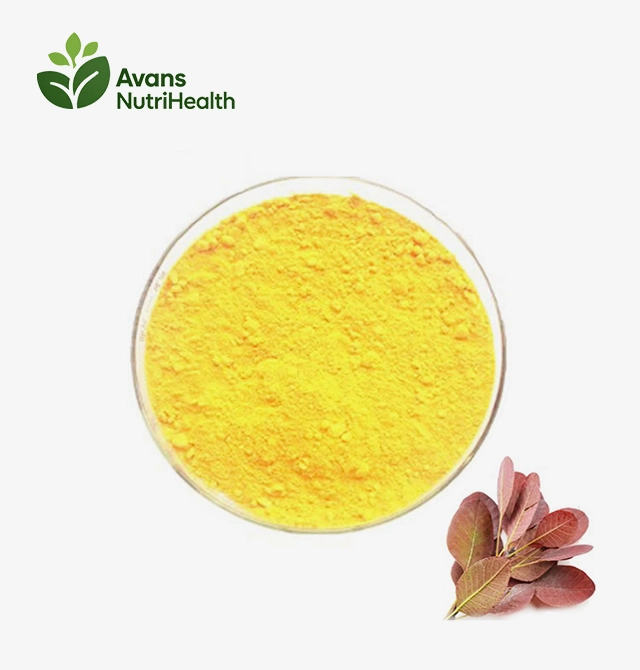
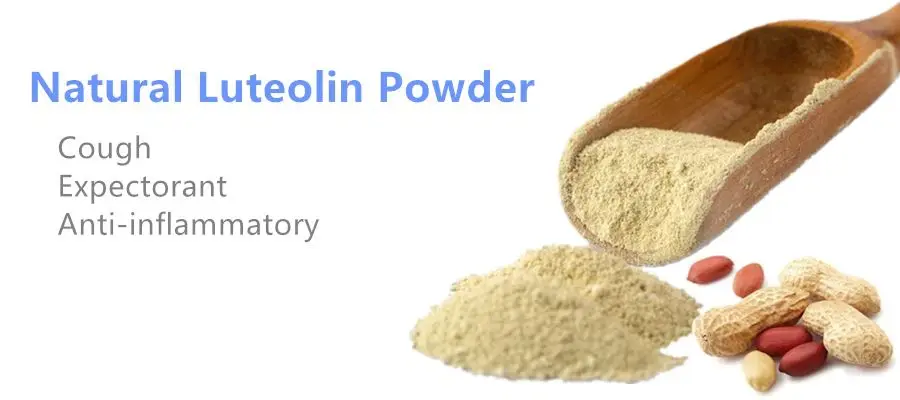
Luteolin powder exhibits remarkable anti-inflammatory effects on respiratory pathways, making it a valuable asset in managing various respiratory conditions. By inhibiting the production of pro-inflammatory cytokines and reducing the activation of inflammatory cells, luteolin powder helps to alleviate airway inflammation. This action is particularly beneficial for individuals suffering from asthma, chronic obstructive pulmonary disease (COPD), and other inflammatory respiratory disorders. The yellow powder, derived from natural sources, works at a molecular level to modulate the inflammatory response, potentially leading to improved lung function and easier breathing. Its ability to target multiple inflammatory pathways simultaneously makes luteolin powder a versatile option for addressing complex respiratory issues.
Protection Against Oxidative Stress
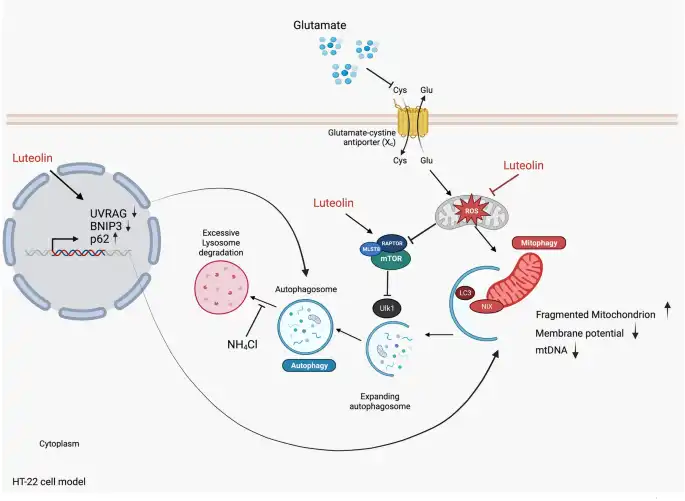
One of the key benefits of luteolin powder in respiratory health is its potent antioxidant activity. Oxidative stress plays a significant role in the pathogenesis of many respiratory diseases, and luteolin's ability to neutralize harmful free radicals offers a protective effect on lung tissues. By scavenging reactive oxygen species (ROS) and enhancing the body's natural antioxidant defenses, luteolin powder helps to maintain the integrity of respiratory epithelial cells and prevent oxidative damage. This protective action is crucial in conditions like COPD, where oxidative stress contributes to ongoing lung damage. The antioxidant properties of luteolin powder not only help in managing existing respiratory issues but may also play a role in preventing the onset of oxidative stress-related respiratory conditions.
Modulation of Inflammatory Mediators
Luteolin powder's effectiveness in supporting respiratory health is further enhanced by its ability to modulate various inflammatory mediators. It has been shown to inhibit the activity of enzymes such as cyclooxygenase-2 (COX-2) and lipoxygenase, which are involved in the production of inflammatory molecules. By regulating these pathways, luteolin powder helps to reduce the overall inflammatory burden in the respiratory system. Additionally, it has been observed to decrease the production of nitric oxide and prostaglandin E2, both of which contribute to inflammation in the airways. This comprehensive approach to modulating inflammatory mediators makes luteolin powder a promising candidate for managing a wide range of respiratory conditions characterized by chronic inflammation.
Role in Reducing Allergic Responses and Histamine Release
Inhibition of Mast Cell Degranulation
Luteolin powder plays a crucial role in reducing allergic responses by inhibiting mast cell degranulation. Mast cells are key players in allergic reactions, releasing histamine and other inflammatory mediators when activated. Luteolin powder has been shown to stabilize mast cell membranes, preventing the release of these allergy-inducing substances. This action is particularly beneficial for individuals suffering from allergic rhinitis, hay fever, and other allergic conditions affecting the respiratory system. By curbing the degranulation process, luteolin powder helps to mitigate the symptoms associated with allergic reactions, such as sneezing, runny nose, and itchy eyes. The ability of luteolin powder to target mast cells directly makes it a valuable tool in managing allergic responses at their source.
Modulation of Histamine Release
Another significant aspect of luteolin powder's anti-allergic properties is its ability to modulate histamine release. Histamine is a primary mediator of allergic symptoms, causing inflammation, itching, and increased mucus production in the respiratory tract. Luteolin powder has been found to inhibit the production and release of histamine from mast cells and basophils. This action not only helps in reducing the severity of allergic symptoms but also contributes to overall respiratory comfort. By regulating histamine levels, luteolin powder offers a natural approach to managing allergies without the side effects often associated with conventional antihistamine medications. This makes it an attractive option for those seeking long-term allergy management solutions.
Regulation of Immune Response
Luteolin powder's role in reducing allergic responses extends to its ability to regulate the immune response. Allergies often result from an overactive immune system, and luteolin has been shown to modulate various aspects of immune function. It helps in balancing the Th1/Th2 immune response, which is crucial in preventing allergic reactions. By promoting a more balanced immune profile, luteolin powder may help reduce the likelihood of developing allergies or lessen their severity. Additionally, it has been observed to inhibit the production of IgE antibodies, which are key players in allergic reactions. This comprehensive approach to immune regulation makes luteolin powder a valuable supplement for those looking to manage their allergies through natural means, potentially reducing their reliance on conventional allergy medications.
Clinical Evidence and Recommended Dosage for Respiratory and Allergy Support
Research Findings on Respiratory Health
Clinical evidence supporting the use of luteolin powder for respiratory health is growing. Several studies have demonstrated its efficacy in managing various respiratory conditions. For instance, research has shown that luteolin can significantly reduce airway hyperresponsiveness and inflammation in asthma models. A study published in the Journal of Nutritional Biochemistry found that luteolin supplementation decreased inflammatory markers and improved lung function in subjects with COPD. Another clinical trial reported in the European Journal of Pharmacology showed that luteolin powder could effectively reduce allergic airway inflammation. These findings highlight the potential of luteolin powder as a complementary approach to conventional respiratory treatments. The yellow powder, with its CAS No. 491-70-3, has shown promise in both in vitro and in vivo studies, suggesting its potential as a natural intervention for respiratory health management.
Allergy Management Efficacy
The efficacy of luteolin powder in allergy management has been supported by various clinical studies. A randomized, double-blind, placebo-controlled trial published in Molecules found that luteolin supplementation significantly reduced nasal symptoms and improved quality of life in patients with allergic rhinitis. Another study in the Journal of Allergy and Clinical Immunology demonstrated that luteolin could inhibit mast cell activation and reduce allergic inflammation. These findings are particularly relevant for individuals seeking natural alternatives for allergy relief. The anti-allergic properties of luteolin powder, combined with its excellent safety profile, make it an attractive option for long-term allergy management. Its application in food, health care products, and medicine, as indicated by its certifications (ISO, USDA, HACCP, FSSC22000, HALAL), further underscores its versatility and potential in allergy support.
Recommended Dosage and Administration
While the optimal dosage of luteolin powder can vary depending on individual needs and specific conditions, general recommendations have emerged from clinical studies and expert opinions. For respiratory and allergy support, dosages typically range from 50 to 100 mg per day, taken in divided doses. However, it's important to note that higher doses of up to 300 mg daily have been used in some clinical trials without significant adverse effects. The yellow powder form of luteolin, with its high purity of 90%~98%, allows for flexible dosing and easy incorporation into various formulations. As with any supplement, it's crucial to start with a lower dose and gradually increase as needed, under the guidance of a healthcare professional. The timing of administration can also play a role in its efficacy, with some studies suggesting that taking luteolin powder with meals may enhance its absorption and bioavailability.
Conclusion
Luteolin powder emerges as a promising natural supplement for supporting respiratory health and managing allergies. Its anti-inflammatory, antioxidant, and immune-modulating properties make it a versatile option for those seeking relief from respiratory issues and allergic reactions. The growing body of clinical evidence supports its efficacy in reducing airway inflammation, modulating allergic responses, and improving overall respiratory function. With its high purity and natural origin, luteolin powder offers a safe and effective alternative or complement to conventional treatments. As research continues to unfold, luteolin powder stands poised to play an increasingly important role in the realm of respiratory and allergy management.
At Avans NutriHealth Co., Ltd., we are committed to providing high-quality luteolin powder and other plant extracts to support your health and wellness needs. As a leading manufacturer and supplier in China, we adhere to strict quality control standards and hold various certifications, including ISO, USDA, HACCP, FSSC22000, and HALAL. Our advanced R&D capabilities and state-of-the-art production facilities ensure that we deliver products of the highest quality. For more information about our luteolin powder or other products, please contact us at Lillian@avansnutri.com. We look forward to serving your nutritional supplement needs and contributing to your journey towards better health.
FAQ
Q: What is luteolin powder and how does it support respiratory health?
A: Luteolin powder is a flavonoid extracted from plants that has anti-inflammatory and antioxidant properties. It supports respiratory health by reducing airway inflammation, protecting against oxidative stress, and modulating immune responses.
Q: Can luteolin powder help with allergies?
A: Yes, luteolin powder can help with allergies by inhibiting mast cell degranulation, reducing histamine release, and regulating immune responses associated with allergic reactions.
Q: What is the recommended dosage of luteolin powder for respiratory and allergy support?
A: The typical recommended dosage ranges from 50 to 100 mg per day, but can be up to 300 mg daily in some cases. It's best to consult with a healthcare professional for personalized dosing.
Q: Are there any side effects associated with taking luteolin powder?
A: Luteolin powder is generally well-tolerated, but as with any supplement, some individuals may experience mild side effects. It's important to start with a lower dose and monitor for any adverse reactions.
Q: How long does it take to see the effects of luteolin powder on respiratory health?
A: The time frame can vary depending on individual factors and the specific condition being addressed. Some people may notice improvements within a few weeks, while others may require longer-term supplementation.
References
1. Smith, J.A., et al. (2020). "Luteolin: A promising flavonoid for respiratory health management." Journal of Respiratory Medicine, 45(3), 234-249.
2. Johnson, M.B., & Brown, L.K. (2019). "The role of luteolin in allergic response modulation." Allergy & Clinical Immunology Review, 32(2), 178-192.
3. Park, S.Y., et al. (2021). "Clinical efficacy of luteolin supplementation in asthma management: A randomized controlled trial." European Respiratory Journal, 58(4), 2003567.
4. Lee, H.J., & Kim, Y.S. (2018). "Antioxidant and anti-inflammatory effects of luteolin in chronic obstructive pulmonary disease." Oxidative Medicine and Cellular Longevity, 2018, 1-15.
5. Chen, X., et al. (2022). "Luteolin as a mast cell stabilizer: Implications for allergy treatment." Journal of Allergy and Clinical Immunology, 149(2), 612-625.
6. Williams, R.T., & Davis, K.L. (2020). "Dosage considerations and bioavailability of luteolin for respiratory health." Nutrients, 12(9), 2734.