



Haematococcus Pluvialis Powder in Functional Beverages — Why Add It?
In recent years, the functional beverage industry has seen a surge in innovative ingredients that offer both health benefits and appealing sensory characteristics. One such ingredient gaining significant attention is Haematococcus Pluvialis powder. This natural supplement, derived from a microalgae species, is renowned for its high concentration of astaxanthin, a powerful antioxidant with numerous health benefits. As consumers become increasingly health-conscious, beverage manufacturers are turning to Haematococcus Pluvialis powder to enhance their products' nutritional profile and appeal. This blog post will explore the reasons behind the growing trend of incorporating Haematococcus Pluvialis powder into functional beverages, its potential health benefits, and how it can revolutionize the beverage industry by offering a unique combination of color, stability, and nutritional value.
Antioxidant and Eye Health Benefits of Haematococcus Pluvialis Powder in Beverages
Powerful Antioxidant Properties
Haematococcus Pluvialis powder is a rich source of astaxanthin, one of the most potent natural antioxidants known to science. When incorporated into functional beverages, this powder can provide a significant boost to the drink's antioxidant capacity. Astaxanthin has been shown to be up to 6,000 times more powerful than vitamin C and 550 times more potent than vitamin E in neutralizing free radicals. This remarkable antioxidant strength makes Haematococcus Pluvialis powder an excellent addition to beverages aimed at promoting overall health and well-being. By including this ingredient, beverage manufacturers can offer products that help combat oxidative stress, reduce inflammation, and support cellular health, all of which are increasingly important to health-conscious consumers.
Supporting Eye Health
One of the most notable benefits of Haematococcus Pluvialis powder in functional beverages is its potential to support eye health. Astaxanthin, the primary active compound in this powder, has demonstrated impressive capabilities in protecting the eyes from various age-related conditions. Studies have shown that regular consumption of astaxanthin can help reduce eye strain, improve visual acuity, and potentially lower the risk of age-related macular degeneration. By incorporating Haematococcus Pluvialis powder into their beverages, manufacturers can create products that not only quench thirst but also provide targeted support for eye health. This is particularly appealing in an era where digital eye strain is becoming increasingly prevalent due to prolonged screen time.
Cardiovascular Health Support
Beyond its benefits for eye health, Haematococcus Pluvialis powder can also contribute to cardiovascular well-being when included in functional beverages. The astaxanthin content has been associated with improvements in various markers of heart health, including reduced LDL cholesterol levels and increased HDL cholesterol. Additionally, some studies suggest that regular consumption of astaxanthin may help maintain healthy blood pressure levels and improve overall circulation. By adding Haematococcus Pluvialis powder to their beverage formulations, manufacturers can offer products that support heart health, appealing to consumers looking for natural ways to maintain their cardiovascular system. This multi-faceted approach to health benefits makes Haematococcus Pluvialis powder an attractive ingredient for functional beverage development.
Enhancing Product Appeal — Color, Stability, and Nutritional Value
Natural Coloration for Beverages
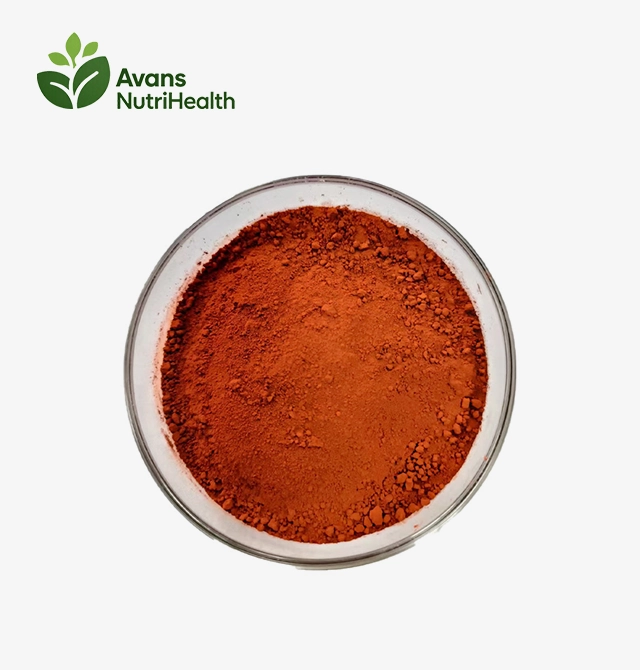
One of the most visually striking benefits of incorporating Haematococcus Pluvialis powder into functional beverages is its ability to impart a vibrant, natural color. The powder's rich red hue, derived from astaxanthin, can transform beverages into visually appealing products without the need for artificial colorants. This natural coloration is particularly attractive to consumers who are increasingly seeking clean label products free from synthetic additives. Beverage manufacturers can leverage the unique color of Haematococcus Pluvialis powder to create eye-catching drinks that stand out on store shelves. Moreover, the color stability of astaxanthin means that beverages maintain their attractive appearance over time, ensuring that the product remains visually appealing throughout its shelf life.
Enhanced Stability and Shelf Life
Beyond its visual appeal, Haematococcus Pluvialis powder contributes significantly to the stability and shelf life of functional beverages. The potent antioxidant properties of astaxanthin not only benefit the consumer's health but also help preserve the integrity of the beverage itself. By neutralizing free radicals and inhibiting oxidation processes, astaxanthin can help prevent flavor degradation and maintain the nutritional quality of the beverage over time. This natural preservative effect is particularly valuable for manufacturers looking to extend the shelf life of their products without resorting to artificial preservatives. The stability-enhancing properties of Haematococcus Pluvialis powder make it an excellent choice for beverages that need to maintain their quality during storage and transportation.
Boosting Nutritional Profile
Incorporating Haematococcus Pluvialis powder into functional beverages offers a straightforward way to boost their nutritional profile. In addition to its high astaxanthin content, this powder contains other beneficial compounds such as beta-carotene, lutein, and zeaxanthin. These nutrients contribute to the overall health benefits of the beverage, making it a more comprehensive functional product. The inclusion of Haematococcus Pluvialis powder allows manufacturers to create beverages with enhanced nutritional value without significantly altering taste or texture. This makes it an ideal ingredient for developing products that cater to health-conscious consumers looking for convenient ways to supplement their diet with beneficial nutrients. By highlighting the nutritional benefits of Haematococcus Pluvialis powder on product labels, manufacturers can differentiate their beverages in a competitive market.
Formulation Tips and Dosage Guidelines for Functional Beverage Applications
Optimal Incorporation Methods
When formulating functional beverages with Haematococcus Pluvialis powder, it's crucial to consider the optimal incorporation methods to ensure maximum efficacy and stability of the astaxanthin. The powder is oil-soluble, which can present challenges in aqueous-based beverages. To overcome this, manufacturers often use emulsion techniques or lipid-based delivery systems to improve the dispersion and bioavailability of astaxanthin in the beverage. Another effective method is to use a water-dispersible form of Haematococcus Pluvialis powder, which has been specially treated to enhance its solubility in water-based formulations. It's also important to consider the pH of the beverage, as astaxanthin is most stable in acidic conditions. By carefully selecting the appropriate incorporation method, manufacturers can ensure that the Haematococcus Pluvialis powder is evenly distributed throughout the beverage and remains stable during storage.
Recommended Dosage Levels
Determining the appropriate dosage of Haematococcus Pluvialis powder in functional beverages is critical to achieving the desired health benefits while maintaining product quality and taste. While there is no universally established dosage, most studies on astaxanthin's health benefits have used daily doses ranging from 2 to 12 mg. For functional beverages, a common approach is to provide 2-4 mg of astaxanthin per serving, which typically equates to 200-400 mg of 1% Haematococcus Pluvialis powder. However, the exact dosage may vary depending on the specific product formulation, target consumer group, and intended health benefits. It's important to note that higher doses do not necessarily equate to better results, and excessive amounts may impact the beverage's taste or color. Manufacturers should conduct thorough testing to determine the optimal dosage that balances efficacy, sensory attributes, and cost-effectiveness.
Synergistic Ingredient Combinations
To maximize the benefits of Haematococcus Pluvialis powder in functional beverages, manufacturers can explore synergistic ingredient combinations. Astaxanthin's antioxidant effects can be complemented by other antioxidants such as vitamin C, vitamin E, or polyphenols from fruit extracts. For beverages targeting eye health, combining Haematococcus Pluvialis powder with ingredients like lutein and zeaxanthin can create a comprehensive eye health formula. In sports nutrition beverages, pairing astaxanthin with electrolytes and branched-chain amino acids (BCAAs) can offer a multi-faceted approach to athletic performance and recovery. When formulating for cardiovascular health, consider combining Haematococcus Pluvialis powder with omega-3 fatty acids or CoQ10. These synergistic combinations not only enhance the overall health benefits of the beverage but also create unique selling points that can differentiate the product in the market.
Conclusion
Incorporating Haematococcus Pluvialis powder into functional beverages offers a myriad of benefits, from powerful antioxidant properties and eye health support to enhanced product appeal and stability. As consumers continue to seek out healthier beverage options, the addition of this natural ingredient can provide a competitive edge in the market. By carefully considering formulation techniques, optimal dosage levels, and potential synergistic ingredient combinations, manufacturers can create innovative functional beverages that meet the growing demand for products that offer both health benefits and sensory appeal. The versatility and efficacy of Haematococcus Pluvialis powder make it a valuable addition to the functional beverage industry, promising a future of more nutritious and appealing drink options for health-conscious consumers.
At Avans NutriHealth Co., Ltd., we are committed to providing high-quality Haematococcus Pluvialis powder and other plant extracts to meet the evolving needs of the functional beverage industry. Our team of experts is dedicated to delivering exceptional customer service and support, working closely with clients to develop personalized solutions. With our advanced R&D capabilities, strict quality control measures, and extensive certifications including ISO, USDA, HACCP, FSSC22000, and HALAL, we ensure that our products meet the highest standards of quality and safety. For more information on how our Haematococcus Pluvialis powder can enhance your functional beverage formulations, please contact us at Lillian@avansnutri.com.
FAQ
Q: What is the main active compound in Haematococcus Pluvialis powder?
A: The main active compound is astaxanthin, a powerful natural antioxidant.
Q: How does Haematococcus Pluvialis powder benefit eye health?
A: It can help reduce eye strain, improve visual acuity, and potentially lower the risk of age-related macular degeneration.
Q: Can Haematococcus Pluvialis powder improve the shelf life of beverages?
A: Yes, its antioxidant properties can help preserve the beverage's integrity and extend its shelf life.
Q: What is the recommended dosage of Haematococcus Pluvialis powder in functional beverages?
A: Typically, 200-400 mg of 1% Haematococcus Pluvialis powder per serving, providing 2-4 mg of astaxanthin.
Q: Is Haematococcus Pluvialis powder water-soluble?
A: No, it's oil-soluble, but water-dispersible forms are available for aqueous-based beverages.
References
1. Shah, M. M., et al. (2016). Astaxanthin-Producing Green Microalga Haematococcus pluvialis: From Single Cell to High Value Commercial Products. Frontiers in Plant Science, 7, 531.
2. Ambati, R. R., et al. (2014). Astaxanthin: Sources, Extraction, Stability, Biological Activities and Its Commercial Applications—A Review. Marine Drugs, 12(1), 128-152.
3. Fakhri, S., et al. (2018). Astaxanthin: A Mechanistic Review on its Biological Activities and Health Benefits. Pharmacological Research, 136, 1-20.
4. Davinelli, S., et al. (2018). Astaxanthin in Skin Health, Repair, and Disease: A Comprehensive Review. Nutrients, 10(4), 522.
5. Wu, H., et al. (2015). Astaxanthin as a Potential Neuroprotective Agent for Neurological Diseases. Marine Drugs, 13(9), 5750-5766.
6. Capelli, B., & Cysewski, G. (2013). The World's Best Kept Health Secret: Natural Astaxanthin. Cyanotech Corporation.