



Haematococcus Pluvialis Powder: Sustainable Microalgae Production
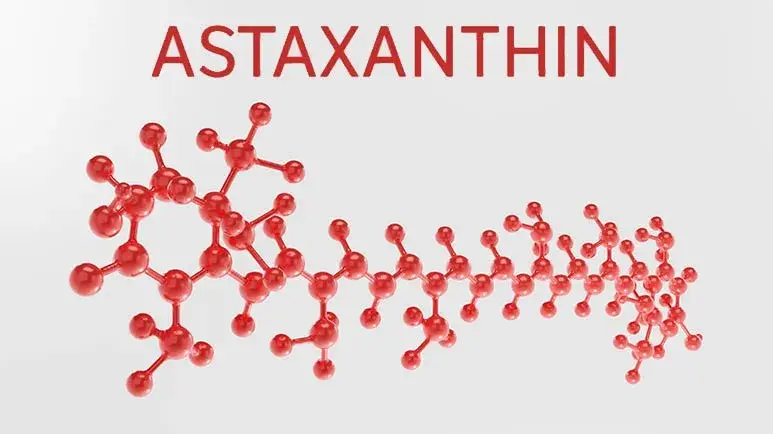
Haematococcus Pluvialis powder has emerged as a groundbreaking sustainable microalgae product, revolutionizing various industries with its potent antioxidant properties and vibrant red pigmentation. This unicellular freshwater microalga is renowned for its ability to produce astaxanthin, nature's most powerful antioxidant. The sustainable production of Haematococcus Pluvialis powder involves innovative cultivation techniques, efficient harvesting methods, and careful processing to preserve its beneficial compounds. As global demand for natural, eco-friendly ingredients continues to rise, Haematococcus Pluvialis powder has gained significant attention in food, nutraceuticals, cosmetics, and aquaculture sectors. This blog explores the sustainable production practices, cutting-edge technologies, and diverse applications of Haematococcus Pluvialis powder, highlighting its potential to address environmental concerns while meeting consumer needs for high-quality, natural products.
Open‑Pond and Hybrid Cultivation Systems — Scaling Haematococcus Pluvialis Biomass for Powder Production
Open-Pond Cultivation Advantages
Open-pond cultivation systems offer several advantages for scaling Haematococcus Pluvialis biomass production. These systems are cost-effective and easy to maintain, making them suitable for large-scale operations. The open-air environment allows for natural sunlight exposure, promoting photosynthesis and astaxanthin production. Additionally, open ponds can utilize existing agricultural infrastructure, reducing initial setup costs. However, challenges such as contamination risk and weather dependence must be carefully managed to ensure consistent Haematococcus Pluvialis powder quality. Despite these challenges, open-pond systems remain a popular choice for sustainable microalgae production due to their scalability and lower operational costs.
Hybrid Systems for Optimized Growth
Hybrid cultivation systems combine the benefits of both open-pond and closed photobioreactor technologies to optimize Haematococcus Pluvialis growth and astaxanthin production. These systems typically involve a two-stage process: initial biomass accumulation in controlled photobioreactors, followed by stress induction and astaxanthin production in open ponds. This approach allows for better control over contamination risks during the early growth stages while leveraging the cost-effectiveness of open ponds for the final production phase. Hybrid systems can significantly enhance the efficiency and consistency of Haematococcus Pluvialis powder production, making them an attractive option for large-scale commercial operations seeking to balance quality control with production costs.
Scaling Strategies and Challenges
Scaling Haematococcus Pluvialis biomass production for powder manufacturing presents unique challenges and opportunities. Key considerations include optimizing nutrient delivery, maintaining ideal pH and temperature conditions, and implementing effective harvesting techniques. As production scales up, energy efficiency and water management become critical factors in ensuring sustainability. Innovative approaches, such as the use of vertical photobioreactors or advanced monitoring systems, can help address these challenges. Additionally, developing robust strain selection programs and implementing strict quality control measures are essential for maintaining consistent Haematococcus Pluvialis powder quality across large-scale production facilities. By addressing these scaling challenges, producers can meet the growing demand for high-quality, sustainably produced Haematococcus Pluvialis powder in various industries.
Carbon Capture, Wastewater Use & Microalgal Biorefinery Concepts Driving Sustainable Haematococcus Pluvialis Powder
Carbon Capture Potential
Haematococcus Pluvialis cultivation offers significant potential for carbon capture, contributing to sustainable production practices. As photosynthetic organisms, these microalgae efficiently absorb carbon dioxide from the atmosphere, converting it into biomass and valuable compounds like astaxanthin. By integrating Haematococcus Pluvialis cultivation with industrial processes that emit CO2, such as power plants or breweries, producers can create a symbiotic relationship that reduces overall carbon footprint. This approach not only enhances the sustainability of Haematococcus Pluvialis powder production but also provides a practical solution for industries seeking to mitigate their environmental impact. The carbon capture potential of Haematococcus Pluvialis cultivation aligns with global efforts to combat climate change, making it an attractive option for environmentally conscious consumers and businesses alike.
Wastewater Utilization
The sustainable production of Haematococcus Pluvialis powder can be further enhanced through the innovative use of wastewater as a nutrient source. By utilizing nutrient-rich wastewater from various industries or municipal sources, producers can reduce the need for synthetic fertilizers while simultaneously treating water for reuse or safe discharge. This approach not only lowers production costs but also addresses water scarcity issues and promotes circular economy principles. However, careful monitoring and treatment of wastewater are essential to ensure the safety and quality of the resulting Haematococcus Pluvialis powder. Implementing advanced filtration and sterilization techniques can help overcome potential contamination risks, allowing for the successful integration of wastewater utilization in sustainable microalgae production systems.
Microalgal Biorefinery Concepts
Microalgal biorefinery concepts are revolutionizing the sustainable production of Haematococcus Pluvialis powder by maximizing resource efficiency and minimizing waste. These integrated systems aim to utilize every component of the microalgal biomass, extracting not only astaxanthin but also other valuable compounds such as proteins, lipids, and carbohydrates. By adopting a biorefinery approach, producers can develop a diverse range of products from a single cultivation process, improving economic viability and reducing environmental impact. For example, after astaxanthin extraction for Haematococcus Pluvialis powder production, the remaining biomass can be processed into biofuels, animal feed, or organic fertilizers. This holistic approach to microalgae cultivation and processing aligns with sustainable development goals and circular economy principles, positioning Haematococcus Pluvialis powder as a truly eco-friendly product.
Downstream Processing, Drying Techniques and Powder Stability Considerations in Haematococcus Pluvialis Production
Efficient Downstream Processing
Efficient downstream processing is crucial for the sustainable production of high-quality Haematococcus Pluvialis powder. This stage involves harvesting, cell disruption, and extraction of astaxanthin-rich biomass. Advanced techniques such as centrifugation, membrane filtration, and supercritical CO2 extraction are employed to maximize yield and preserve the integrity of astaxanthin. Continuous flow centrifuges and cross-flow membrane systems enable rapid and energy-efficient harvesting of Haematococcus Pluvialis cells. Cell disruption methods like high-pressure homogenization or ultrasound treatment are optimized to release astaxanthin while minimizing degradation. The use of green solvents or solvent-free extraction techniques further enhances the sustainability profile of Haematococcus Pluvialis powder production. By refining these downstream processes, producers can ensure consistent product quality while reducing environmental impact and production costs.
Innovative Drying Techniques
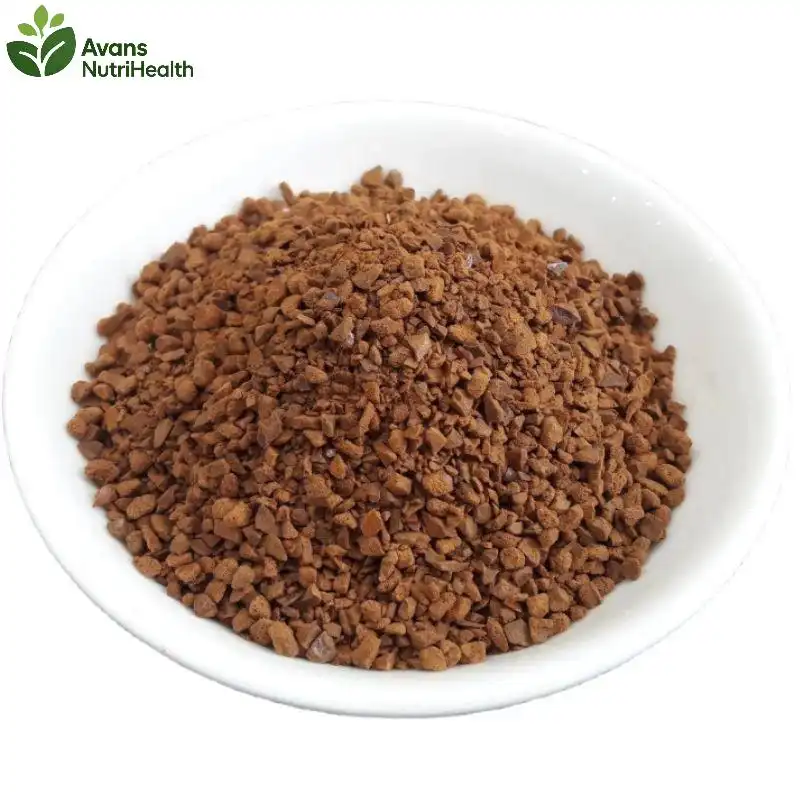
Innovative drying techniques play a vital role in preserving the quality and stability of Haematococcus Pluvialis powder. Traditional methods like spray drying and freeze-drying are being optimized and complemented by emerging technologies to enhance efficiency and product characteristics. Low-temperature spray drying with inert gas atmospheres helps protect heat-sensitive astaxanthin from oxidation. Advanced freeze-drying protocols using vacuum microwave technology can significantly reduce drying times while maintaining product integrity. Novel approaches such as supercritical fluid-assisted drying offer the potential for even greater energy efficiency and product quality. These drying innovations not only improve the stability and shelf life of Haematococcus Pluvialis powder but also contribute to the overall sustainability of the production process by reducing energy consumption and preserving the bioactive compounds that make this microalgal product so valuable.
Powder Stability and Packaging
Ensuring the stability of Haematococcus Pluvialis powder during storage and transportation is essential for maintaining its high value and efficacy. Astaxanthin, the primary active compound, is susceptible to degradation from light, heat, and oxygen exposure. To address these challenges, producers implement various strategies to enhance powder stability. Microencapsulation techniques, using materials like maltodextrin or gum arabic, can provide an additional protective layer around astaxanthin molecules. Antioxidant additives, such as vitamin E or rosemary extract, may be incorporated to further prevent oxidation. Packaging plays a crucial role in maintaining Haematococcus Pluvialis powder stability. Light-resistant, oxygen-barrier packaging materials, often combined with nitrogen flushing or vacuum sealing, help preserve the powder's potency. Some producers are exploring biodegradable or recyclable packaging options to align with sustainability goals while ensuring product integrity. By focusing on these stability and packaging considerations, manufacturers can deliver high-quality Haematococcus Pluvialis powder with extended shelf life and consistent efficacy to meet the demands of various industries.
Conclusion
Haematococcus Pluvialis powder represents a significant advancement in sustainable microalgae production, offering a potent source of natural astaxanthin with wide-ranging applications. Through innovative cultivation systems, carbon capture initiatives, and biorefinery concepts, the production of this valuable powder aligns with global sustainability goals. Continued research and development in downstream processing, drying techniques, and stability enhancement are crucial for maximizing the potential of Haematococcus Pluvialis powder. As demand grows across various industries, from nutraceuticals to cosmetics, the sustainable production of this microalgal product is poised to play an increasingly important role in meeting consumer needs for natural, eco-friendly ingredients while addressing environmental concerns.
At Avans NutriHealth Co., Ltd., we are committed to producing high-quality Haematococcus Pluvialis powder using sustainable practices. As a leading manufacturer and supplier of plant extracts and nutritional supplements in China, we leverage our advanced R&D capabilities and state-of-the-art production facilities to deliver premium products that meet international standards. Our Haematococcus Pluvialis powder is certified by ISO, USDA, HACCP, FSSC22000, and HALAL, ensuring the highest quality and safety for our customers. With an annual production capacity of 1,000 tons, we are well-equipped to meet the growing global demand for this versatile microalgal product. For more information or to discuss your specific requirements, please contact us at Lillian@avansnutri.com. Our team of experts is dedicated to providing personalized solutions and exceptional customer support to meet your needs.
FAQ
Q: What is Haematococcus Pluvialis powder?
A: Haematococcus Pluvialis powder is a natural product derived from microalgae, rich in astaxanthin, the most powerful antioxidant in nature. It is used in various industries including food, health care, medicine, and cosmetics.
Q: How is Haematococcus Pluvialis powder produced sustainably?
A: Sustainable production involves using open-pond or hybrid cultivation systems, implementing carbon capture techniques, utilizing wastewater, and adopting microalgal biorefinery concepts to maximize resource efficiency.
Q: What are the main applications of Haematococcus Pluvialis powder?
A: The powder is widely used in nutraceuticals, cosmetics, food coloring, and aquaculture. It's valued for its antioxidant properties and natural red pigmentation.
Q: How is the stability of Haematococcus Pluvialis powder ensured?
A: Stability is maintained through advanced drying techniques, microencapsulation, the use of antioxidant additives, and specialized packaging that protects against light, heat, and oxygen exposure.
Q: What certifications does Avans NutriHealth's Haematococcus Pluvialis powder have?
A: Our powder is certified by ISO, USDA, HACCP, FSSC22000, and HALAL, ensuring high quality and safety standards.
References
1. Shah, M. M. R., Liang, Y., Cheng, J. J., & Daroch, M. (2016). Astaxanthin-Producing Green Microalga Haematococcus pluvialis: From Single Cell to High Value Commercial Products. Frontiers in Plant Science, 7, 531.
2. Panis, G., & Carreon, J. R. (2016). Commercial astaxanthin production derived by green alga Haematococcus pluvialis: A microalgae process model and a techno-economic assessment all through production line. Algal Research, 18, 175-190.
3. Kim, J. H., Affan, M. A., Jang, J., Kang, M. H., Ko, A. R., Jeon, S. M., ... & Kang, D. H. (2018). Morphological, molecular, and biochemical characterization of astaxanthin-producing green microalga Haematococcus sp. KORDI03 (Haematococcaceae, Chlorophyta) isolated from Korea. Journal of Microbiology and Biotechnology, 28(4), 614-622.
4. Molino, A., Iovine, A., Casella, P., Mehariya, S., Chianese, S., Cerbone, A., ... & Musmarra, D. (2018). Microalgae characterization for consolidated and new application in human food, animal feed and nutraceuticals. International Journal of Environmental Research and Public Health, 15(11), 2436.
5. Khoo, K. S., Chew, K. W., Ooi, C. W., Ong, H. C., Ling, T. C., & Show, P. L. (2019). Extraction of natural astaxanthin from Haematococcus pluvialis using liquid biphasic flotation system. Bioresource Technology, 290, 121794.
6. Ambati, R. R., Phang, S. M., Ravi, S., & Aswathanarayana, R. G. (2014). Astaxanthin: sources, extraction, stability, biological activities and its commercial applications—a review. Marine Drugs, 12(1), 128-152.
_1767766763708.webp)