




Is Sialic Acid Powder the Right Ingredient for Functional Nutrition?
Absolutely, sialic acid powder has emerged as a strategic ingredient for functional nutrition formulations targeting immune support, cognitive health, and cellular communication. For procurement professionals in the nutraceutical, pharmaceutical, and cosmetic sectors, this bioactive compound offers scientifically validated benefits combined with versatile application potential. As global demand for natural, clinically relevant ingredients intensifies, understanding the technical specifications, sourcing considerations, and market positioning of sialic acid becomes essential for developing competitive, market-ready products that meet regulatory standards across North America, Europe, and beyond.
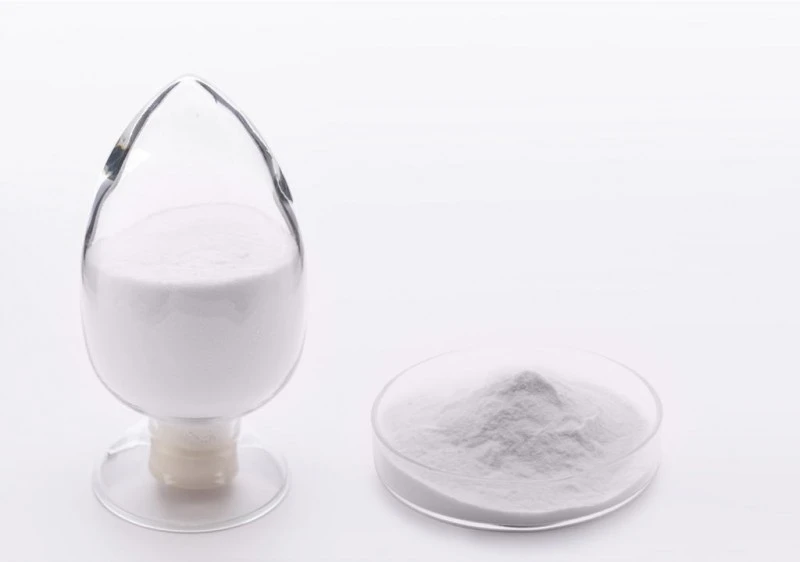
Evaluating Sialic Acid Powder for Functional Nutrition Solutions
Core Functional Mechanisms
The cellular function of sialic acid is based on its role as a monosaccharide at the end of glycoconjugates. Because of its presence, it can play a key role in important biological processes like molecular recognition, signal transmission, and cellular adhesion. When used in functional eating settings, these processes lead to real health benefits. The compound helps the intestinal epithelial surfaces absorb nutrients and supports the integrity of mucosal barriers that keep pathogens out.
Molecular signalling is different for sialic acid compared to similar bioactives like hyaluronic acid, which mainly gives structural water. Both substances are good for skin health, but N-acetylneuraminic acid targets cellular communication routes instead of just taking up space outside of cells. This difference is important when making products with specific claims about how they work for regulatory submissions.
Product Form Considerations
Powders are the most common way for businesses to buy things because they are stable, easy to handle, and can be made in a variety of ways. Unlike encapsulated forms that make it hard to customise the dose, Sialic Acid Powder can be precisely mixed into a wide range of materials, such as drinks, pills, capsules, and topical treatments. The crystalline powder form stays chemically stable when stored in a controlled setting (cool, dry, and out of the light), and when properly packed, it can last for up to 24 months.
Dosage suggestions change depending on the use. For cognitive support, nutritional supplements usually have 200–500 mg daily doses of sialic acid. Infant formula fortification, on the other hand, uses lower concentrations that are more in line with breast milk sialic acid content. Concentrations between 0.5 and 2% are used in final cosmetic formulations to improve skin hydration without making the mixture unstable.
Safety and Regulatory Status
The safety ratings for sialic acid show that it is well tolerated in all tests that have been done. The compound is found naturally in human tissues and common foods, which helps explain why toxicologists think it is safe. Its regulatory status depends on where it's sold. In the US, it's considered a dietary ingredient under DSHEA if it's sourced correctly, while in Europe, it's considered a new food based on where it's sourced from and how it's used.
Procurement teams should make sure that suppliers provide full compliance paperwork, such as allergen declarations, heavy metal testing (lead, arsenic, and cadmium levels are usually less than 1 ppm), and microbiological certification. Pharmacopeial standards need to be met by products that are meant to be used in pharmaceuticals, but food-grade standards are enough for nutrition and cosmetic uses.
Market Landscape: Choosing the Right Sialic Acid Powder Supplier
Critical Evaluation Criteria
To find a reputable provider, you need to carefully look at a lot of technical and operational factors. Verification of purity is very important. Ask for Certificates of Analysis (CoA) that show HPLC-tested purity levels, which are usually >98% for premium grades. The CAS number (131-48-6) should be the same in all the paperwork so that inferior compounds or the wrong isomers aren't substituted.
Portfolios of certifications show how committed a company is to quality standards. Along with HALAL, KOSHER, USDA Organic, BRC, and FSSC22000 credentials, look for ISO certifications that show standardised manufacturing processes. Not only are these certificates useful for marketing, but they also show that a company has been checked to make sure it meets foreign quality standards, which is important for regulated markets. Suppliers who work in areas with strong pharmaceutical infrastructure often have more than one certification, which makes it easier for your product to reach a wide range of global markets.
Traceability paperwork should show where the raw materials came from, how they were processed, and where they were packed in the end. This is especially important when selling "natural" or "organic" products, because the claims must be backed up by a supply chain that can be checked.
Comparing Supplier Offerings
There are both specialised extract makers and a wide range of ingredient providers on the global market. Since 2005, Chinese companies like Avans NutriHealth have put a lot of money into improved extraction and cleaning technologies. This has helped them keep their prices low without lowering the quality of their products. Their plant can make more than 1,000 tonnes of goods every year, which ensures that supplies are always available and eliminates worries about running out of materials when demand goes up.
When deciding between synthetic and biologically derived choices, you should think about how the final product will be used. Even though they are more expensive, natural extraction methods are in line with the clean-label trends that are shaping customer tastes in North America and Europe. There are cost savings and consistent quality with synthetic production, but some consumer groups may find it hard to market to because they prefer "natural" labels.
Logistics and Pricing Considerations
Buying in bulk usually means big savings on prices, with different price levels for quantities between 25 kg and 500 kg, based on how the seller sets up their pricing. When buying things from other countries, you need to carefully plan your logistics. For example, Sialic Acid Powder ships according to normal chemical transport rules, but lead times vary depending on where it comes from. Chinese sellers usually offer FOB, CIF, or DDP terms. Ocean freight takes 3–5 weeks to get to North American destinations, or pressing needs can be met with expedited air freight.
When developing a new product, it's helpful to have suppliers with flexible minimum order quantities (MOQs). This is because formulation optimisation needs a lot of small runs. Well-known sellers usually offer free samples for you to try out first, so you can test them in the lab before placing a full order.
Procurement Best Practices: How to Buy High-Purity Sialic Acid Powder
Aligning Specifications with End-Use Requirements
A successful procurement process starts with technical specifications that are well-defined and fit your needs. For pharmaceutical uses, the purest grades are needed with full impurity screening that includes endotoxin testing and residual solvent analysis. Nutraceutical formulations need to be certified as food-grade and go through organoleptic testing to make sure they have neutral taste and odour profiles that won't make the product taste bad.
For best dispersion in oil and water phases, powder micronization is most important for cosmetic uses. The particle size distribution affects both the security of the formulation and how well it penetrates the skin. Asking for D50 and D90 numbers helps you make sure that the product will work with your production equipment and have the texture you want.
Supplier Verification and Documentation
Doing your research separates trustworthy partners from shady sellers. In addition to reading CoAs, you should also ask for documents from the manufacturing site, such as building licenses and certifications for the quality management system. Suppliers with a good reputation will either let you inspect their facilities or give you audit reports from a third party that show they meet international standards.
It's important to test samples before committing to large orders. Independent lab testing of purity, heavy metals, microbiology, and functional performance guards against costly formulation fails, even if the paperwork is very good. Set aside money for these steps of verification; the cost is small compared to the risks of having to recall a product or not following the rules set by the government.
Establishing long-term agreements with suppliers is good for both parties. When you place the same orders over and over, you can often get better prices, priority handling during shortages, and chances to work together on custom specifications or OEM/ODM partnerships that make your products stand out.
Negotiation Strategies
Cost optimisation and quality assurance must be balanced in order for negotiation to work well. Know how the market works when you're talking about prices. Changes in the supply of raw materials, the value of the dollar, and government rules can all affect how much suppliers charge. Suppliers can offer affordable terms and make sure that enough production capacity is allocated when you are open and honest about your volume projections and growth plans.
The terms of payment should be carefully thought through. While paying ahead of time might get you better prices, setting up credit terms after a few successful transactions eases the strain on your cash flow. Many well-known suppliers offer net-30 or net-60 terms to qualified buyers, especially for orders that are placed more than once.
Specification promises, delivery dates, and backup plans for quality issues should all be written into the contract terms. Including clauses for changes to specifications or product recalls protects both parties and shows that you are a skilled buyer, which makes suppliers trust your company.
Future Trends and Innovations in Functional Nutrition Featuring Sialic Acid
Emerging Research and Applications
New research from scientists looks into new healing uses that go beyond the usual ones. Researchers studying the gut-brain axis are looking into how adding sialic acid to the diet changes the bacteria and the abundance of neurotransmitter precursors. Its role in sports healing is mostly studied in terms of lowering inflammation caused by exercise and helping muscle glycoprotein synthesis.
As more research is done on the developmental benefits of formula products that have the same amount of sialic acid as breast milk, the infant nutrition sector has a lot of room to grow. Regulatory routes for these kinds of uses are always changing, which is good for early market entrants with well-supported products.
Market Demand Drivers
People are becoming more aware of ingredients that are good for cognitive health. This is because people are living longer in developed markets, and working people are expected to do more mental tasks. Products that put sialic acid next to well-known nootropics like omega-3 fatty acids and phosphatidylserine attract wealthy customers ready to spend money on brain health solutions that have been proven to work by science.
The pharmacokinetic profile of the drug Sialic Acid Powder shows how hormones are suppressed over time. Peak drug concentrations happen at the same time as peak enzyme inhibition, which usually happens two to four hours after administration. As the liver breaks down trilostane and the kidneys get rid of it, enzyme activity slowly returns to normal between doses. Because of this repetitive pattern, hormone reduction needs to be maintained at regular dose intervals throughout the day.
Strategic Sourcing Recommendations
Procurement managers should keep an eye on changes in regulations in all of their target markets. As the number of new food approvals grows in the EU and other places update their supplement laws, goods that comply early will have an edge over competitors who have to play regulatory catch-up.
Having a variety of relationships with suppliers lowers the risks in the supply chain and keeps prices competitive, which is good for negotiations. But the costs of qualifying new providers need to be balanced. Usually, keeping two or three qualified sources is the best way to control risk without adding too much work to the administrative side.
Competitive benefits can be gained by investing in supplier relationships that offer technical help, formulation advice, and market information. Suppliers with their own research and development (R&D) teams can work together on innovation projects that help improve recipe performance before they go on sale.
Conclusion
Sialic Acid Powder is a flexible ingredient that has been proven to be healthy by science. It meets the needs of the functional nutrition market for bioactive compounds. Procurement experts in the nutraceutical, pharmaceutical, and cosmetics industries must make smart sourcing choices based on their knowledge of technical standards, the reliability of suppliers, and the compatibility of product grades with specific application needs. The compound occurs naturally, has a good safety profile, and can be used in a lot of different ways in skin care, immune support, and cognitive health products. This makes it a good fit for the clean-label trends that are driving market growth. Cost optimisation and quality assurance must be balanced in order for procurement to work well. This is done by carefully checking suppliers, going over all paperwork, and building long-term relationships that protect the supply chain and make sure it follows all regulations in all global markets.
FAQ
1. What purity level should I specify when purchasing sialic acid powder for dietary supplements?
HPLC research shows that standard nutraceutical uses work best with pure grades of 98% or higher. This standard makes sure that there is enough bioactive material while keeping the cost down. For pharmaceutical uses, you might need USP-grade materials with extra impurity profiling. On the other hand, cosmetic formulations can usually handle 95–98% purity, depending on how complicated the formulation is and how you want the product to be positioned.
2. How does sialic acid compare functionally to N-acetylneuraminic acid in product formulations?
N-acetylneuraminic acid is the molecular form that makes up about 90% of the sialic acids that are naturally found in humans. When product labels say "sialic acid," they usually mean the total amount of sialic acid, with Neu5Ac being the main part. For marketing and regulatory purposes, giving more information about the N-acetylneuraminic acid content is more accurate, especially when supporting health claims that need specific bioactive concentrations. In most business situations, they do the same thing in terms of functionality.
3. What documentation should suppliers provide to demonstrate regulatory compliance?
Full source paperwork includes up-to-date Certificates of Analysis with testing results unique to each batch, licenses for the production facility, quality system certifications (ISO, BRC, FSSC22000), allergen declarations, and compliance statements for each area. Products going into the U.S. market need to be registered with the FDA, while products going to Europe need to be checked for new food status or traditional food use paperwork. Some markets need HALAL and KOSHER certificates, and for organic approval, you need to show proof of the whole supply chain, from harvesting to packing.
4. Can sialic acid powder be incorporated into both aqueous and oil-based formulations?
The chemical dissolves easily in water, which makes it naturally suitable for use in water-based systems like drinks, syrups, and makeup. To make sure that the ingredients are evenly distributed and stable in oil-based mixtures, emulsification techniques or capsule technologies are needed. A lot of suppliers give detailed advice on how to dissolve different types of formulations. This advice includes suggested co-solvents and processing conditions that keep the bioactivity of the product while it is being made.
Partner with a Trusted Sialic Acid Powder Manufacturer
You can trust Avans NutriHealth Co., Ltd. to give you high-quality Sialic Acid Powder, as they have been making it well for almost twenty years, since 2005. The purity of our white crystalline powder is at least 98%, as shown by strict HPLC testing and a number of certifications, such as ISO, USDA, HACCP, FSSC22000, and HALAL. This meets the needs of regulated markets in North America, Europe, and the Middle East. Because we keep a lot of products in stock and can make more than 1,000 tonnes of them each year, we can guarantee a steady supply for your product development and business manufacturing needs.
In addition to selling pharmaceutical-grade materials, we also provide full OEM and ODM services that are suited to your specific recipe needs. Our expert team works directly with your research and development (R&D) team to find the best particle size, blends, and solutions for each application, whether you're making anti-aging cosmetics, brain health supplements, or items for babies. You can email our team at Lillian@avansnutri.com to get samples, technical information, and low prices for bulk sales that fit your project's schedule and budget.
References
1. Wang, B., & Brand-Miller, J. (2003). The role and potential of sialic acid in human nutrition. European Journal of Clinical Nutrition, 57(11), 1351-1369.
2. Schauer, R., & Kamerling, J.P. (2011). Exploration of the sialic acid world. Advances in Carbohydrate Chemistry and Biochemistry, 75, 1-213.
3. Miyagi, T., & Yamaguchi, K. (2012). Mammalian sialidases: Physiological and pathological roles in cellular functions. Glycobiology, 22(7), 880-896.
4. Traving, C., & Schauer, R. (1998). Structure, function and metabolism of sialic acids. Cellular and Molecular Life Sciences, 54(12), 1330-1349.
5. Varki, A., & Schauer, R. (2009). Sialic acids in molecular and cellular interactions. In Essentials of Glycobiology, 2nd edition. Cold Spring Harbor Laboratory Press.
6. Cabral, M.G., Silva, Z., Ligeiro, D., Seixas, E., Crespo, H., & Carrascal, M.A. (2013). The phagocytic capacity and immunological potency of human dendritic cells is improved by α2,6-sialic acid deficiency. Immunology, 138(3), 235-245.