




How to Verify the Purity of Sialic Acid Powder Before Purchasing?
Verifying the purity of Sialic Acid Powder before purchasing involves a systematic approach that combines thorough documentation review, independent laboratory testing, and rigorous supplier evaluation. Procurement managers should demand detailed Certificates of Analysis (CoA) with HPLC assay results showing ≥98% purity, request pre-shipment samples for independent testing using methods like FTIR or NMR, and validate supplier credentials through certifications such as ISO, HALAL, and KOSHER. This multi-layered verification process protects your investment and ensures the raw material meets pharmaceutical, nutraceutical, or cosmetic application standards while maintaining regulatory compliance across global markets.
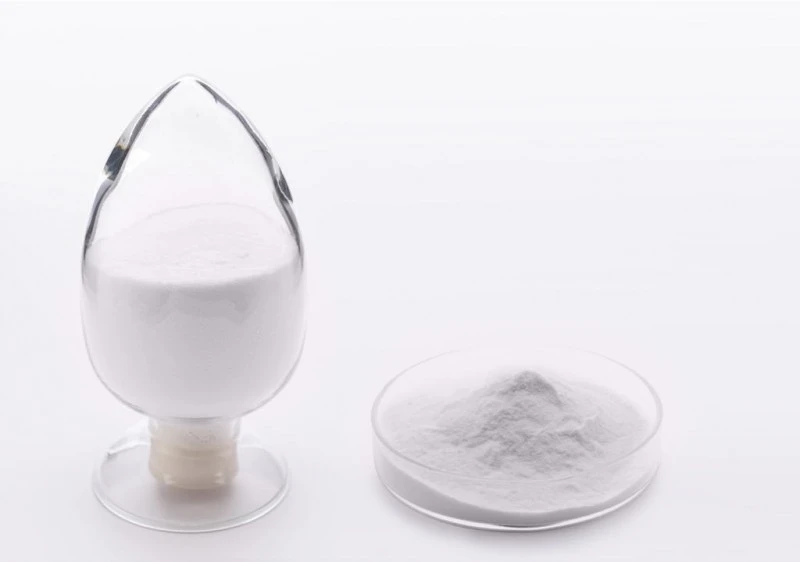
Common Challenges and Causes of Impure Sialic Acid Powder
There are many places where contamination can happen in global supply lines, and buying pros need to be skilled at avoiding them. Whether it comes from a cow's colostrum, a bird's nest, or microbial fermentation, the source origin has a big effect on the purity profile and price positioning of the Sialic Acid Powder.
Source Material and Manufacturing Variables
Natural extraction from bird's nest that can be eaten usually gives higher purity, but it's harder to get and costs more. Material from cows is cheaper, but it needs to be carefully checked for prion contamination and drug residues, which is especially important for medicinal uses. Using designed strains for microbial fermentation allows for large-scale output with controlled purity, but it needs to be proven that bioprocess contaminants are safe. Different batches can be caused by problems in the manufacturing process, such as a purification column that doesn't work well enough, partial crystallisation cycles, or drying conditions that aren't up to par. Mishandling during storage makes these problems worse because hygroscopic materials soak up water when stored in the wrong way, which leads to the growth of microbes and the breakdown of chemicals.
Market Transparency and Pricing Deception
Sometimes, suppliers lie about purity percentages to get away with charging too much or getting rid of stock that isn't up to par. People in the business-to-business market often get "sialic acid content" and "purity percentage" mixed up on purpose. For example, a product might have 50% sialic acid by weight mixed with carriers but still be sold as "pure." Distributors who don't have direct oversight over the manufacturing process may accidentally send tainted material from illegal secondary sources. International shipping comes with extra risks, like not being able to control the temperature properly, being exposed to wetness while in transit, and cross-contamination in shared transport facilities. Because of these problems, quality reports should be sent before they happen instead of after the fact.
Systematic Approach to Verifying Sialic Acid Powder Purity Before Purchase
Using a structured testing procedure will keep your company safe from quality problems and from not following the rules. This framework makes a pre-purchase strategy that works by putting together documentary evidence, analytical testing, and Sialic Acid Powder supplier screening.
Documentation Review and Critical Parameters
Before committing to purchase orders, you start the verification process by asking for a lot of technical information. The testing method must be listed in the Certificate of Analysis. High-Performance Liquid Chromatography (HPLC) is still the best way to measure purity because it gives clear chromatographic bands that separate the target chemical from impurities. Check the CoA for readings of the moisture content; too much water (>3%) means that the production controls were not good, and it speeds up the breakdown process. Heavy metal screening should clearly report concentrations of lead, cadmium, mercury, and arsenic that are below the limits set by the regulations in your target market. The results of microbiological tests for yeast, mould, total plate count, and certain bacteria like E. coli and Salmonella are required for use in cosmetics and food. Ask for batch production dates and expiration windows. Items that are getting close to their expiration dates are often marked down, but they also pose a higher risk of breaking down.
Independent Sample Testing and Analytical Validation
Never rely on the documentation that the supplier gives you alone. Asking for samples before they are shipped so that they can be tested by a third party removes information gaps and backs up claims. The real purity percentages are checked against the given standards using HPLC analysis by approved labs. Fourier-Transform Infrared Spectroscopy (FTIR) creates molecule fingerprints that check the identity of chemicals and find fakes by detecting differences in the spectral patterns. Nuclear Magnetic Resonance (NMR) spectroscopy confirms the structure of molecules at the molecular level. It is especially useful for finding stereoisomer pollution. Karl Fischer titration determines the exact amount of moisture without using data from the provider. The costs of these analyses, which usually range from $500 to $2,000 per complete panel, keep much more expensive problems from happening if compromised material gets into production systems.
Supplier Due Diligence and Certification Verification
When comparing suppliers' credentials, it's not just about price; it's also about how well they can make things and how mature their quality systems are. Check to see if the makers have the right certifications for your business. For example, ISO 9001 shows that a quality management system is being used, and ISO 22000 and FSSC 22000 show that food safety management is being handled. Certifications like HALAL and KOSHER make it easier for businesses that serve certain types of customers to get into new markets. Organic certification backs up claims of natural sourcing and process integrity. Ask for facility audit reports or set up virtual inspections to look at the work areas, how to maintain equipment, and ways to keep things from getting contaminated. Check out the supplier's quality control system, which should include in-house testing, stability study programs, and systems that connect finished goods to lots of raw materials. Logistics practices should also be closely looked at. For example, temperature-controlled storage, sealed packing with desiccants, and correct labelling all help keep products from breaking down after they are made while they are being shipped.
Comparative Insights: Choosing the Best Sialic Acid Powder Based on Purity
To choose the best Sialic Acid Powder material, you have to weigh the quality requirements against the uses you want to make it for and the total cost of ownership. Different use cases have different purity reqmoleculars that have a direct effect on decisions about what to buy.
Application-Specific Purity Requirements
Pharmaceutical companies that are making injectable medicines or vaccine parts need the purest grades (≥99%), along with full impurity profiling and endotoxin testing below 0.5 EU/mg. To make sure that their experiments are valid, research institutions that study glycobiology need well-characterized materials whose structures have been confirmed by NMR. For brain health supplements, nutraceutical companies can use slightly lower grades (≥98%) while still getting the same results, combining bioavailability with business viability. Cosmetic uses in anti-aging serums and moisturisers can handle slightly higher impurity levels as long as dermatological safety testing shows that the products won't irritate the skin. By understanding these different needs, you can avoid either over-specification, which raises costs, or under-specification, which hurts product performance.
Source Comparison and Cost-Benefit Analysis
The traditional image and natural attraction of material made from edible bird's nest make it more expensive, but analytical testing often shows that it is just as pure as well-manufactured replacements made from fermentation. Bovine colostrum sources have prices in the middle range and a strong supply, but they need more money to be screened for veterinary drug leftovers. Microbial fermentation produces consistent quality and is easy to scale up, which is why large manufacturers looking for a reliable long-term supply are choosing it more and more. Instead of just looking at price points, procurement teams should compare what suppliers have to offer based on verified customer reviews, complaint rates, audit results, and the security of long-term partnerships. The lowest price often comes with secret quality problems that show up as production delays, fines from regulators, or recalls on the market—costs that are much higher than the initial savings.
Best Practices and Recommendations for B2B Buyers to Ensure Purity
Setting up strong procurement protocols changes Sialic Acid Powder purity verification from a reactive way of solving problems to a proactive way of making sure the quality of the product. Leading companies use organised methods that lower risk and improve relationships with suppliers.
Establishing Clear Specifications and Transparency
Set clear purity standards in buy deals that are in line with your legal responsibilities and the needs of the application. In technical specifications, there should be a list of acceptable purity ranges, maximum impurity limits for certain contaminants, acceptable testing methods, and sampling procedures for checking. The language in the contract must require a COA to be provided for each lot before the shipment is accepted. It must also set clear rules for how to handle material that doesn't meet specifications and spell out financial penalties for nonconformance. Disclosure of the manufacturing process is also part of transparency. Knowing about the extraction methods, purification techniques, and quality control steps lets you make an informed risk estimate. Suppliers who don't want to be open about their paperwork usually hide problems with quality.
Building Strategic Supplier Partnerships
When you switch from transactional buying to joint partnerships, you get long-lasting quality benefits. Long-term relationships with suppliers encourage them to keep standards consistent, let you know about changes to the process ahead of time, and prioritise your orders when supplies are low. Regular channels of communication help solve problems quickly and support efforts to keep getting better. Technical alignment is improved by working together on joint development projects for specific needs or to find the best particle size. Periodic buyer audits, which can be done on-site or by a third-party audit service, make sure that quality standards are being met and that suppliers are still following the rules. Spreading your approved supplier base across many makers and geographical areas lowers the risk of supply disruptions and keeps prices reasonable.
Leveraging Advanced Analytical Technologies
New testing tools make it easier to check for purity than with older methods. Rapid authentication methods that use portable Raman spectroscopy allow inspections before packages are unloaded, which helps find big problems right away. Liquid Chromatography-Mass Spectrometry (LC-MS) is better than standard HPLC at finding small amounts of contaminants that HPLC misses. Blockchain-based traceability systems create permanent records that connect finished goods to their raw materials. This helps with regulatory compliance and speeds up recalls if quality problems arise. If your company buys these technologies or works with testing labs that have advanced tools, you'll be ahead of the curve when it comes to regulations and quality issues that affect the whole industry.
Conclusion
Before buying N-acetylneuraminic acid material, make sure it is pure. This will protect your company's image, legal standing, and bottom line. The planned method, which includes carefully going over the paperwork, having independent tests done, and carefully evaluating the supplier, builds trust in the decisions made about where to get things. Procurement professionals can successfully navigate complex global supply chains by telling the difference between pharmaceutical-grade and industrial-grade specifications, knowing where contamination comes from, and using testing protocols for Sialic Acid Powder that are right for the job. Giving up on quality has effects that go far beyond the initial cost savings. These effects include output delays, fines from regulators, and strained relationships with customers. Setting purity testing as a top priority is a smart investment in organisational quality and market competitiveness.
FAQ
1. What distinguishes pharmaceutical-grade from cosmetic-grade material?
Pharmaceutical-grade standards call for purity levels above 98%, full impurity profiling, heavy metal concentrations below 10 ppm, and strict microbiological controls that meet USP or EP monograph standards. Cosmetic-grade materials still have slightly lower purity standards, between 95 and 98%, but they put more emphasis on skin safety tests and preservative system compatibility. According to ICH guidelines, pharmaceutical applications need more information, like impurity identification, endotoxin testing results, and stability data. This is because injectable or oral dosage forms are looked at more closely by regulators than topical cosmetic applications.
2. Which scientific method is the most effective way to check for purity?
HPLC, or High-Performance Liquid Chromatography, is the best way to measure purity percentages because it accurately separates and measures the target compound from impurities. When you combine HPLC with other methods that work well together, you can be more sure of the results. For example, FTIR spectroscopy confirms the identity of molecules by looking at their infrared absorption patterns, and NMR spectroscopy confirms the stability of structures at the atomic level. Combining mass spectrometry and chromatography makes it very easy to find small amounts of contaminants. Multi-method verification gets rid of fake results and gives a full picture of the material, going beyond what a single technique can do.
3. What health risks arise from impure material in consumer products?
Multiple types of hazards are introduced by contaminated raw materials. Heavy metal pollution builds up over time and hurts the nervous, kidney, and circulatory systems. Organic solvents that are left over from extraction processes can cause sensitive reactions and could even cause cancer. Infections are caused by viruses getting into microbes, which is especially bad for people with weak immune systems who use nutraceuticals. Impurities in proteins can cause allergic reactions ranging from mild irritation to anaphylaxis. These risks include legal trouble, government actions, and damage to the brand that can't be fixed. This is why purity proof goes beyond cost concerns and becomes an essential quality requirement.
Partner with Avans for Certified High-Purity Sialic Acid Powder
Avans NutriHealth Co., Ltd. is a trustworthy company that makes Sialic Acid Powder. They offer pharmaceutical-grade materials that are guaranteed to be ≥98% pure and come with full analysis paperwork. Our white crystalline powder (CAS 131-48-6) is used in research, cosmetics, nutraceuticals, pharmaceuticals, and more. Its quality is always the same because it has ISO, HALAL, KOSHER, FSSC22000, and organic certifications. We keep ready-to-ship items in China and offer flexible OEM and ODM services that can be tailored to your specific formulation needs. Since 2005, you can trust us to be a reliable provider. We offer full openness through thorough Certificates of Analysis, allow pre-purchase sample requests, and support big purchases with reasonable pricing. Our focused technical team works closely with formulators, buying managers, and research and development departments to make sure that the material specs meet all of your needs. Contact Lillian@avansnutri.com right away to ask for CoA documentation, talk about custom specifications, or set up an evaluation sample. Avans is the best company for discerning buyers around the world who want to buy pharmaceutical-grade Sialic Acid Powder because of their quality assurance and excellent customer service.
References
1. Wang, B., & Brand-Miller, J. (2003). The role and potential of sialic acid in human nutrition. European Journal of Clinical Nutrition, 57(11), 1351-1369.
2. Schauer, R. (2009). Sialic acids as regulators of molecular and cellular interactions. Current Opinion in Structural Biology, 19(5), 507-514.
3. Angata, T., & Varki, A. (2002). Chemical diversity in the sialic acids and related alpha-keto acids: an evolutionary perspective. Chemical Reviews, 102(2), 439-469.
4. Traving, C., & Schauer, R. (1998). Structure, function, and metabolism of sialic acids. Cellular and Molecular Life Sciences, 54(12), 1330-1349.
5. Varki, A. (2008). Sialic acids in human health and disease. Trends in Molecular Medicine, 14(8), 351-360.
6. Chen, X., & Varki, A. (2010). Advances in the biology and chemistry of sialic acids. ACS Chemical Biology, 5(2), 163-176.