




Ginseng Root Extract Powder Benefits, Uses, and Safety Basics
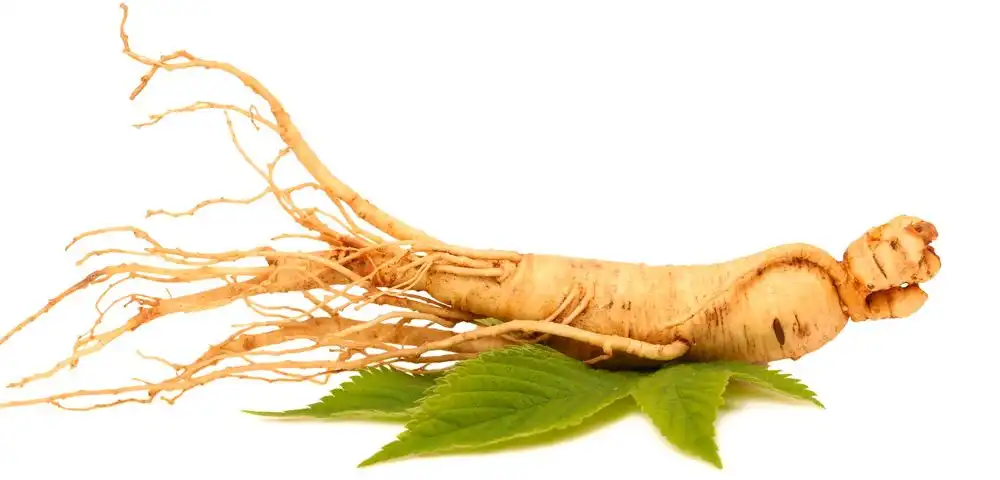
Ginseng root extract powder is a standardized botanical concentrate derived from the dried roots of Panax ginseng C.A. Meyer, processed through solvent extraction and spray-drying to isolate potent ginsenosides — the triterpenoid saponins driving its adaptogenic effects. Unlike raw root powder, this concentrated form delivers consistent potency, superior bioavailability, and seamless integration across nutraceutical, pharmaceutical, and cosmeceutical formulations. For B2B procurement professionals navigating a quality-driven global market, understanding its benefits, industrial applications, safety profile, and supplier evaluation criteria is essential to making confident, defensible sourcing decisions.
Key Benefits and Health Uses of Ginseng Root Extract Powder
Herbal medicine has learned much about the health benefits of Panax ginseng juice. There are genuine benefits of this substance on a variety of biological processes, as many clinical investigations have proven, examined by specialists in the area. That makes it a highly helpful aspect for individuals who work.
If you want to discover which benefits are directly related to formulation value, here you go: Psychological health & mental sharpness. Research has shown that ginsenosides Rg1 and Re may be beneficial for working memory and attention. Here, normal Rg1:Rb1 levels are highly significant. Rg1 is an energizer while Rb1 is a relaxant. How your consumers feel about using nootropics is dependent on how effectively the two function together.
- Cognitive function & mental clarity: Ginsenosides Rg1 and Re have been clinically shown to boost working memory and attentional performance. Here, standardized Rg1:Rb1 ratios are very important – Rg1 is stimulating, and Rb1 is soothing, and the balance between them will dictate the nootropic profile your consumers experience.
- Ginseng as an adaptogen: Ginseng is an adaptogen due to its capacity to modulate the HPA axis and reduce the dysregulation of cortisol. The ginsenoside profile modulates hypothalamic-pituitary-adrenal (HPA) axis activity, which increases stress resilience without sedation – a molecular difference to differentiate it from stimulant-based energy compounds.
- Immune modulation: The polysaccharides associated with ginsenosides contribute to immunomodulatory action and boost innate immune defense at clinically relevant dosages. Research published in the Journal of Ginseng Research shows meaningful impacts on natural killer cell activity.
- Antioxidant and anti-aging activities in cosmeceuticals: The ginseng root extract powder has the ability to promote collagen formation and offer antioxidant protection in skin cell cultures. It also has good compatibility with emulsifiers and preservatives, which avoids discolouration from oxidation, which is a practical benefit in skin care formulation.
Polysaccharides, when combined with ginsenosides, boost the body’s own defensive system at clinically relevant doses. Ginseng Report. The activity of natural killer cells caused by ginseng has been shown to be measurable.
Safety, Side Effects, and Dosage Guidelines
Established Safety Profile and Known Contraindications
As long as it is taken in the right amounts, ginseng root extract has been safe. Some mild side effects that only last a short time are sleepiness, headaches, and gut pain. These mostly happen when you take a lot of the drug or don't stop using it for a long time. If you are pregnant or nursing, you shouldn't take therapeutic amounts of it. Also, if you take blood thinners like warfarin, you should be closely monitored by a doctor because of known pharmacokinetic interactions. People who have illnesses that make hormones hurt them should also be careful.
Dosage Benchmarks for B2B Formulation
Most general health goods have between 200 and 400 mg of standardized extract (10% to 20% ginsenosides) in each daily serving. More powerful test grades, up to 400–600 mg, can be used in cognitive and medicinal products. Finding ways to meet U.S. regulatory needs is easier when you use known reference amounts from trustworthy sources to back up what your product dossier and label say.
You can only buy from a licensed dealer who checks each batch for pesticides and heavy metals. It's against the law not to do that, and it could hurt your reputation. It is clear that the way the ginseng is extracted and cleaned must lower the amount of impurities that build up over its long root growth cycle.
How to Choose the Best Ginseng Root Extract Powder for Your Business
Choosing the proper ginseng root extract powder is not just a matter of comparing pricing per kilogram. The extraction process utilized ( UV versus HPLC; HPLC is significantly more accurate), the source of the product, and whether it is of quality authorized all have a huge impact on how well it performs and your relationship with the government.
UV-based tests may produce false positives for chromophores other than ginsenosides; hence, high-end grades are often confirmed using HPLC analysis. A fantastic strategy to make yours stand out from the others is to make sure that your offerings include HPLC certifications of analysis.
Every kind of accreditation matters. Items sold in the U.S. must be certified as USDA Organic, HACCP, or FSSC22000 to ensure that their ingredients are lawful. You also need to be HALAL certified if you want to sell your products in the Middle East or any other halal-sensitive markets in the world. Having more than one license at a time shows a provider is doing more than merely following the regulations on quality.
Procurement Guide: Buying Ginseng Root Extract Powder Wholesale
Panax ginseng products from China, mostly from Jilin Province, make up most of the supply around the world. They are sold at reasonable prices and come from extraction facilities that are well-developed. Not only are Korean ginseng extracts more expensive, but they are also seen as high-end and have strong consumer brand equity. For B2B formulators who want to attract customers who care about price, extracts from China with authorized quality, proven licenses, and HPLC assay papers offer the same pharmacological profiles at more affordable costs.
To keep your supply chain honest, do these things when you start working with a large provider:
- Request a Certificate of Analysis covering ginsenoside assay (HPLC), moisture, ash, heavy metals, microbial limits, and pesticide residues.
- Request a physical sample at the intended assay grade before committing to volume orders to verify color, flowability, solubility, and odor against your formulation requirements.
- Confirm minimum order quantities, lead times, and batch traceability protocols upfront to avoid downstream supply disruptions.
- Verify that the supplier's certifications are current and issued by recognized third-party bodies.
Do not forget to ask for an analysis report that includes a ginsenoside test (HPLC) and tests for heavy metals, germs, moisture, ash, and chemical residues. Ask for a real sample at the test grade you want before you place a big order to make sure the color, flow, stability, and smell meet your needs.
To avoid problems with supply later on, make sure you know up front about minimum order amounts, wait times, and ways to track batches. Also, make sure the supplier's certifications are up-to-date and come from a reliable third-party organization.
Conclusion
There is a lot of scientific proof that shows that Panax ginseng root extract powder is an important part of many beauty and health goods. It is one of the most useful plant ingredients for business because it has a normal ginsenoside profile, doesn't change much during processing, and can be used in many fields. The first thing that buying teams and R&D formulators need to do to make a product that works well and can be defended is to carefully evaluate suppliers. Tests that have been checked, quality methods with multiple certifications, and clear batch records should be the most important things to them.
FAQ
1. What is the difference between ginseng root extract powder and ginseng capsules?
Ginseng capsules are a finished dosage form containing either raw root powder or standardized extract. The extract powder is the upstream ingredient — a concentrated intermediate that manufacturers encapsulate, blend into beverages, or incorporate into cosmetics. For B2B buyers, the extract powder provides formulation flexibility that pre-formed capsules do not.
2. How do I verify that a supplier's ginsenoside assay is accurate?
Request an HPLC-based Certificate of Analysis from an ISO-accredited third-party laboratory. HPLC methodology identifies and quantifies individual ginsenoside monomers (Rb1, Rg1, Re, Rg3) with precision, unlike UV spectrophotometry, which can inflate reported totals.
3. What certifications should products prioritize when sourcing for the U.S. market?
USDA Organic, HACCP, and FSSC22000 are most directly relevant for U.S. dietary supplement and food ingredient compliance. HALAL certification expands your addressable market significantly for international distribution.
4. Is the extract stable in beverages and heat-processed formats?
Yes, within defined limits. Thermal stability holds up to 60°C, making the extract suitable for pasteurization and tablet compression. Prolonged exposure above 60°C risks ginsenoside degradation, so formulation protocols should account for this threshold.
Partner with Avans — Your Trusted Ginseng Root Extract Powder Supplier
HPLC tests have shown that the ginsenoside levels in the pharmaceutical-grade ginseng root extract powder sold by Avans NutriHealth are between 10% and 80%. There are ISO, USDA, HACCP, FSSC22000, and HALAL certificates for this powder. We can make more than 1,000 tons of products every year, and our specialized research and development team helps with private labeling, custom test grades, and giving technical advice that is tailored to each application. Get in touch to get wholesale costs, a sample, or to talk about setting up a long-term supply deal. We can be reached at Lillian@avansnutri.com.
References
1. Attele, A. S., Wu, J. A., & Yuan, C. S. — Ginseng pharmacology: Multiple constituents and multiple actions — Biochemical Pharmacology, 1999.
2. Reay, J. L., Kennedy, D. O., & Scholey, A. B. — Single doses of Panax ginseng reduce blood glucose levels and improve cognitive performance — Journal of Psychopharmacology, 2005.
3. Shin, B. K., Kwon, S. W., & Park, J. H. — Chemical diversity of ginseng saponins from Panax ginseng — Journal of Ginseng Research, 2015.
4. Kim, J. H. — Cardiovascular diseases and Panax ginseng: A review on molecular mechanisms and medical applications — Journal of Ginseng Research, 2012.
5. Shishtar, E., Sievenpiper, J. L., Djedovic, V., et al. — The effect of ginseng on glycemic control: A systematic review and meta-analysis — PLOS ONE, 2014.
6. Leung, K. W., & Wong, A. S. — Pharmacology of ginsenosides: A literature review — Chinese Medicine, 2010.