




Chicory Extract Powder Bulk for Prebiotic Applications
For companies making prebiotic-enhanced goods in the food, skincare, and nutraceutical industries, sourcing chicory extract powder in bulk has emerged as a top concern. This functional ingredient comes from the roots of Cichorium intybus L. It contains a lot of concentrated inulin and oligofructose, which are soluble fibers that support clean-label recipes and feed good bacteria in the gut. As the need for gut health solutions grows around the world, procurement professionals look for dependable suppliers who offer certified organic quality, consistent purity specifications, and flexible bulk purchasing options that keep costs low without sacrificing regulatory compliance or product effectiveness in competitive markets.
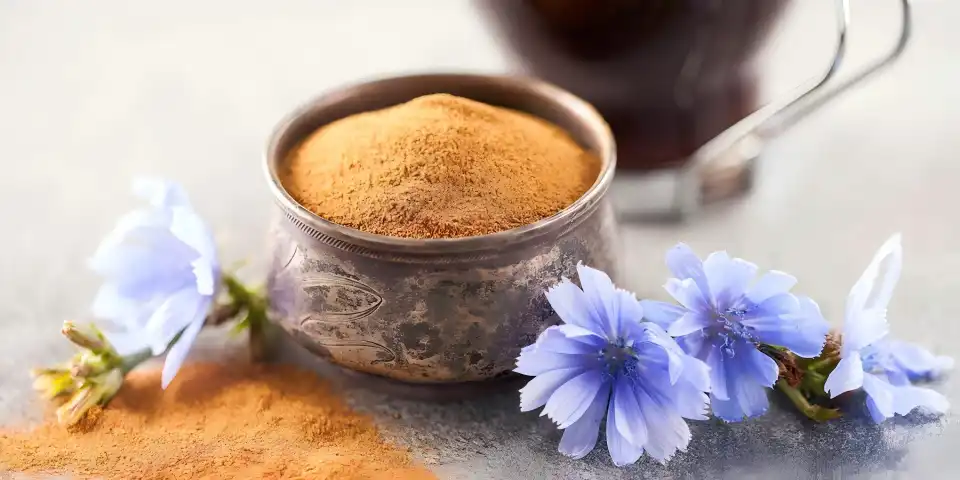
What is Chicory Extract Powder and Its Role in Prebiotic Applications?
Chicory extract powder bulk is a high-quality functional ingredient that is made by carefully controlling the hot water extraction and spray drying processes that keep the beneficial compounds that are naturally found in chicory stems. Unlike roasted chicory used in coffee alternatives, this extract is cleaned by enzymes to get inulin amounts that are usually higher than 90%. This makes it a concentrated source of prebiotic fiber that can be used in health-focused goods.
Nutritional Profile and Prebiotic Mechanism
Chicory extract works because it has inulin in it, which is a fructan polymer that human stomach enzymes can't break down. When inulin gets to the colon whole, good bacteria like Bifidobacterium and Lactobacillus species break down the fibers. They make short-chain fatty acids that help keep the gut barrier strong and control the immune system. A study in the Journal of Nutrition shows that eating 5 to 20 grams of inulin every day greatly improves the number of good bacteria and decreases the number of harmful bacteria. This selective fermentation tells the difference between real prebiotics and simple food fibers. This creates health effects that can be measured and prove that gut health products work as advertised. The extract has about 1.5 kilocalories per gram, while sugar has 4 kilocalories per gram. This means that modified foods can have both fewer calories and more useful benefits.
Industrial Applications Across Sectors
In addition to its basic prebiotic function, chicory extract powder has a number of other scientific uses. It adds soluble fiber to drinks, which makes them feel better in the mouth and hides the bitter taste of high-intensity sweets. Bakeries use it to keep the dough fresh and make the bread last longer without using fake preservatives. Standardized inulin content is used by nutraceutical makers to make digestive health products that can be dosed accurately. Chicory extract is becoming more and more popular in the cosmetics business because it helps skin microbiomes in topical formulas.
Comparing Chicory Extract Powder with Alternative Prebiotics and Root Powders
To choose the best prebiotic ingredient, you need to look at its useful performance, regulatory status, cost structure, and ability to work with other ingredients. There are a lot of plant-based choices on the market for prebiotics. Each has its own pros and cons that buying teams have to weigh against their product development goals for chicory extract powder bulk.
Chicory Extract vs. Pure Inulin Powder
Even though they are chemically similar, separate inulin powders and organic chicory extract are processed and made in different ways. To get a smaller molecular weight distribution, pure inulin goes through more steps of refinement to get rid of oligofructose and other plant chemicals that are still present. This purification process costs more, but it makes the solubility behavior in complex structures more reliable. Chicory extract keeps more fructans and minor phytonutrients, which some formulators like for placement as a whole food and the possible benefits that work together.
Comparison with Dandelion Root and Other Botanical Alternatives
The amount of inulin in dandelion root powder is lower (20–40%) compared to the high levels that are usually found in chicory extract. This means that higher inclusion rates are needed to get the same amount of prebiotics, which could change the texture and taste profiles. Jerusalem artichoke is another source of inulin, but its supply line is unstable because it is not grown commercially very often. Yacon root has fructooligosaccharides that taste sweeter, which makes it useful in some situations but more expensive because it's harder to get.
Organic vs. Conventional Quality Considerations
Chicory extract that is certified organic usually costs 30 to 50 percent more than standard brands. This is because of the higher costs of certification and lower crop returns. But this investment has real benefits that go beyond its business value. Organic approval takes away worries about pesticide residues that might make a product less pure.
Bulk Procurement Insights for Chicory Extract Powder
Effective strategies for buying in bulk combine short-term cost concerns with long-term supply chain security, quality assurance, and legal compliance needs that are different for each target market for chicory extract powder bulk.
Minimum Order Quantities and Packaging Options
Industrial sellers usually set minimum order numbers between 100kg and 1,000 kg per shipment. This is because of economies of scale in transportation planning and production batching. There are different types of packaging, such as 25-kilogram multi-wall paper bags with polyethylene liners to keep out wetness or fiber drums that can be used with automatic handling systems in high-volume facilities. Some sellers offer intermediate bulk bins that can hold between 500 and 800 kilograms.
Evaluating Supplier Certifications and Quality Systems
Reliable sellers keep several third-party certifications that check both the specs of the products they sell and the way they are made. Agricultural compliance is proven by organic approval from the USDA, the EU, or an organization similar to these. Food safety standards like BRC (Brand Reputation Compliance) show that hazards are controlled and food can be tracked. Certifications like HALAL and KOSHER make it easier for goods that are aimed at certain groups of people to reach new customers. When you get ISO 9001 quality management approval, it means that your process rules are organized and that there is less variation between batches.
Pricing Structures and Negotiation Leverage
Prices for chicory extract powder bulk with at least 90% inulin content run from $8 to $14 per kilogram when bought in bulk. These prices are affected by crop yields, changes in the value of the dollar, and premiums for organic certification. When suppliers can improve production schedules and raw material acquisition, volume discounts start to make sense for orders over 5,000 kilograms per year. Long-term supply deals that last between 12 and 24 months often get better prices and protect against market instability when supplies are tight during certain times of the year.
Logistics and Regulatory Compliance for Global Markets
As a food item, chicory extract powder has to follow different rules when it comes into different markets. Imports into the United States need to be filed with the FDA ahead of time and meet the Generally Recognized as Safe (GRAS) status for the uses they are meant for. Shipments to the European Union need to have organic import certificates and follow Novel Foods rules if they make health claims. Phytosanitary certificates, certificates of origin, and batch-specific analytical results showing standard compliance are some of the documents that are needed. Lead times from placing an order to delivery are usually between 4 and 6 weeks for known sellers who keep stock, but they can be up to 8 to 12 weeks if production needs to be done in batches. Shipping methods have a big impact on landing costs.
Application Guidelines and Dosage Recommendations for B2B Clients
To turn the technical specs of chicory extract powder bulk into good product recipes, you need to know the best amounts to use, how to process them, and how they should taste in different types of products.
Recommended Dosage Ranges for Functional Benefits
According to clinical studies, people should take between 5 and 15 grams of inulin every day to get the most benefits, though the effects start to show up at lower doses. When making dietary supplements, companies usually aim for 3 to 5 grams per dose. This way, people can hit therapeutic levels by taking the vitamins twice a day. Chicory extract is often used in food and drinks at a weight of 2 to 4 percent. This is done to balance the prebiotic effects with taste and label claim support. Allowable health claims related to certain doses are affected by regulatory frameworks in key markets.
Integration into Food and Beverage Matrices
Chicory extract powder dissolves easily in water-based systems and spreads out easily at room temperature without the need for special tools. The ability to dissolve in cold water makes it good for use in functional waters, protein shakes, and coffee replacements, where minimal heat processing is needed. At inclusion rates below 5%, the powder doesn't have much of an effect on the taste. However, at higher concentrations, it may add faint earthy or slightly sweet notes that need to be hidden. Chicory extract helps bakeries keep their goods soft during baking by lowering the amount of sugar in the ingredients and adding to the browning process.
Safety Profile and Tolerance Considerations
Chicory extract has a good safety rating that is backed up by decades of use and a lot of toxicological testing. In the US, the ingredient is considered GRAS, which means it can be used in a wide range of foods without any specific restrictions. There is still not much allergenicity, but people who are sensitive to ragweed or birch pollen may occasionally experience cross-reactivity. The main issue with tolerance is how the digestive system adapts. Eating a lot of fiber all at once can cause brief gas or bloating while the gut bacteria get used to the better fermentation substrates. These short-term effects can be lessened with gradual introduction methods and buyer education.
Why Choose Chicory Extract Powder for Your Prebiotic Solutions?
Smart choice of ingredients affects how a product stands out, where it fits in the market, and how well it holds its value over time in health and fitness areas that are becoming more and more competitive for chicory extract powder bulk.
Consistent Quality and Supply Chain Reliability
Growing chicory in Europe and North America for a long time has led to stable supply levels that protect purchasing teams from the big price changes that happen with new plant ingredients that can only be grown in a few places. Chicory farmers who plan their crops over several years can predict when the crops will be harvested, which helps suppliers work with production schedules. Advanced extraction methods and standardization processes make sure that each batch is the same, which is important for businesses that have to follow strict rules. This dependability is especially helpful for brands that are expanding from regional to national distribution, since supply problems or changes in quality could hurt relationships with retailers and hurt customer trust. When compared to brokers who collect materials from different sources, suppliers who run fully combined operations from farm partnerships to final packaging offer better quality control and tracking.
Meeting Clean-Label and Transparency Demands
Consumer study shows that people always read the ingredient lists very carefully and prefer natural plant-based ingredients to man-made ones. Organic chicory extract meets clean-label requirements because it comes from a single plant source and is extracted physically, without using chemical agents or making any other changes. People who care about their health and are questioning ultra-processed foods will relate to this simple story. Brands that use organic certification can reach larger groups of people who are willing to pay more for natural goods that have been checked out. Transparency goes beyond labels and includes supply chain ethics and environmental stewardship. For example, the organic farming methods used to grow chicory support soil health and biodiversity conservation, which is in line with companies' sustainability commitments that affect B2B buying decisions and consumer brand loyalty.
Emerging Market Opportunities in Gut Health
The global market for prebiotic ingredients is growing quickly. By 2028, industry experts predict that the market will have grown at a rate of more than 10% per year. There is more and more scientific proof that the makeup of the gut microbiome is linked to immune function, mental health, metabolic regulation, and preventing chronic diseases. Chicory extract puts brands at the center of a number of health trends, including those that focus on gut health, immune support, weight management, and personalized nutrition. Product makers can use this ingredient in a wide range of categories, from sports nutrition to health formulations for seniors. They can tailor the message to the needs of different groups of people while keeping the formulations simple. As regulations change, people are becoming more aware of gut health claims that are backed up by prebiotic processes. This means that more marketing language that sets goods apart in crowded stores is now legal.
Conclusion
The purchase of chicory extract powder in bulk is a smart move for companies that want to make science-backed, consumer-favorite goods for the growing prebiotic market. This detailed guide looked at the ingredients' technical properties, quality standards, buying factors, and use methods that help businesses make good purchasing choices. Because it is safe, is accepted by regulators, is stable in the supply chain, and has health benefits, chicory extract is a key ingredient for brands that are looking to the future. When companies work with approved providers, they get access to consistent quality, a wide range of customization options, and technical know-how that speeds up product development processes and lowers risk in global markets.
FAQ
Can organic chicory extract powder be used across different food categories?
It is amazing how well chicory extract powder bulk works in so many different types of food, like drinks, dairy products, baked goods, sweets, and frozen desserts. It has a neutral flavor profile at mild inclusion rates and great solubility properties that make it easy to mix without changing the way the product tastes. As a widely recognized food ingredient, it can be used in a lot of different ways and isn't limited to certain categories in big markets.
What certifications should we verify when selecting a bulk supplier?
Priority certifications include organic badges from well-known groups like USDA Organic and EU Organic, food safety management systems (BRC and FSSC 22000), and religious dietary certifications (HALAL and KOSHER) if you want to target specific groups of customers. Ask for up-to-date certificates with active expiration dates and check the certifying body's approval through separate records to make sure they are real and accepted by the government.
How long can chicory extract powder be stored while maintaining quality?
The chicory extract powder bulk usually stays in good condition for 24 months after it was made, as long as it is kept in sealed containers in a temperature-controlled area (below 25°C) and away from water. The right way to store food stops microbes from growing and reduces oxidative damage that could change the taste and functionality of the food during its shelf life.
Partner with Avans for Premium Chicory Extract Powder Solutions
We, Avans NutriHealth Co., Ltd., are your dedicated chicory extract powder bulk provider. We offer top-notch manufacturing along with full technical support that is suited to your formulation needs. Our ISO- and BRC-audited facilities keep strict quality standards, and our organic certifications make sure that everything can be tracked from the plants that are grown to the packages that are sent out. We can produce more than 1,000 tons of products every year and have a dedicated R&D team that helps with developing custom formulations. This gives ambitious brands the supply stability and technical relationship they need. Whether you need private label solutions, specific inulin concentration goals, or regulatory paperwork for global markets, our experts work together to give you customized solutions that speed up the time it takes to make your product. Get in touch with Lillian at Lillian@avansnutri.com to talk about your unique needs and find out how our knowledge of prebiotic ingredients can help your product line compete in the health market.
References
1. Roberfroid, M. B., et al. "Prebiotic Effects: Metabolic and Health Benefits." British Journal of Nutrition, vol. 104, 2010, pp. S1-S63.
2. Gibson, G. R., and Roberfroid, M. B. "Dietary Modulation of the Human Colonic Microbiota: Introducing the Concept of Prebiotics." Journal of Nutrition, vol. 125, 1995, pp. 1401-1412.
3. Niness, K. R. "Inulin and Oligofructose: What Are They?" Journal of Nutrition, vol. 129, 1999, pp. 1402S-1406S.
4. Shoaib, M., et al. "Inulin: Properties, Health Benefits and Food Applications." Carbohydrate Polymers, vol. 147, 2016, pp. 444-454.
5. Meyer, D., and Stasse-Wolthuis, M. "The Bifidogenic Effect of Inulin and Oligofructose and Its Consequences for Gut Health." European Journal of Clinical Nutrition, vol. 63, 2009, pp. 1277-1289.
6. Flamm, G., et al. "Inulin and Oligofructose as Dietary Fiber: A Review of the Evidence." Critical Reviews in Food Science and Nutrition, vol. 41, 2001, pp. 353-362.