




Can Allicin Powder Support Immune Health Naturally?
Allicin Powder can support immune health naturally through its potent antimicrobial and immunomodulatory properties. This bioactive organosulfur compound derived from garlic has demonstrated remarkable abilities to activate natural defense systems, inhibit pathogenic microorganisms, and reduce oxidative stress without the resistance issues associated with synthetic antibiotics. Its standardized formulation delivers consistent therapeutic potency, making it an invaluable ingredient for health-focused product development across nutraceutical, pharmaceutical, and functional food sectors.
What Is Allicin Powder and How Is It Made?
Understanding the Bioactive Composition
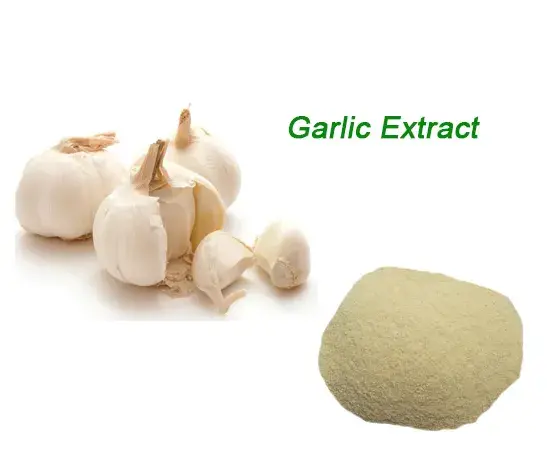
Allicin Powder is a highly refined form of diallyl thiosulfinate, which is the main bioactive ingredient in garlic that gives it its healing qualities. Normal garlic powder has precursors that are inactive, but this special ingredient provides concentrated Allicin Powder through a controlled enzymatic process. The enzyme alliinase changes alliin into allicin when fresh Allium sativum bulbs are crushed. This gives the bulbs their characteristic strong smell and biological activity.
Advanced adsorption technology is used in the manufacturing process to keep this naturally unstable substance steady. The producers fix the unstable thiosulfinates on inert carriers like silica or calcium carbonate. This makes a fine white powder that is sure to work. This technical method gets rid of the problems with degradation that make raw garlic less useful. It also increases the shelf life to 24 months while keeping bioactivity above 90% when kept correctly at controlled temperatures.
Manufacturing Standards and Quality Differentiation
For professional-level work, strict quality control methods are needed. High-quality products go through an HPLC test to make sure they contain real allicin and not inactive sulfur compounds that are often made bigger using less accurate titration methods. The number of microbes must be very low (Total Plate Count must be less than 10,000 CFU/g), and there must be no Salmonella or E. coli to stop cross-contamination in places where things are made.
Certified organic choices are very different from regular ones. For crops to be certified organic, they must not use any pesticides and must be able to be tracked from the farm to the finished product. They must also meet foreign standards like USDA Organic, HALAL, and KOSHER guidelines. These differences affect how the product is positioned, how well it is regulated in different markets, and, in the end, how well the ingredient works in high-end health formulas.
Nutritional and Antimicrobial Profile
The chemical kills a wide range of microbes by targeting thiol-containing enzymes in harmful organisms. This process stops germs from becoming resistant, which is a big benefit over antibiotics made by pharmaceutical companies. Researchers have confirmed that it works against both Gram-positive and Gram-negative bacteria, even antibiotic-resistant types, and supports the good bacteria that live in the gut at the same time.
Along with its ability to kill microbes, Allicin Powder also has a lot of protective power. It gets rid of free radicals, lowers lipid breakdown, and helps cells fight off damage from oxidative stress. The sulfur-containing compounds also help the heart by widening blood vessels and controlling cholesterol levels. This means they can be used for more than just immune system support in complete health products.
How Can Allicin Powder Support Immune Health?
Mechanisms of Immune Activation
The substance boosts several parts of the defense system at the same time. It raises the activity of macrophages, which helps them eat bacteria and cell waste. The body's natural killer cells work better, making it easier for the body to find and kill abnormal cells. It also changes the release of cytokines, which balances pro-inflammatory and anti-inflammatory reactions to improve immune function without causing too much inflammation.
Clinical studies have shown that it can lower the number and intensity of common respiratory illnesses. People who took standardized garlic compounds had 63% fewer colds than people who took a fake, and when they did get sick, their colds were much less severe and lasted much less time. Direct antimicrobial action against viral and bacterial invaders and improved immune monitoring are both parts of the process.
Superior Bioavailability Compared to Raw Garlic
Eating raw garlic has some health risks that make it less useful for medicinal purposes. The amount of allicin in plants changes a lot depending on the type, how they were grown, and how long they were stored. For enzymes to work, the food must be thoroughly crushed and have a short action time. These conditions are rarely met by eating normally. The active chemicals are broken down even more during digestion before they are absorbed by the body.
These problems can be solved with standardized Allicin Powder formulas. The high-potential or pre-activated allicin content ensures that doses are the same from batch to batch, which is important for clinical effectiveness and regulatory compliance. Microencapsulation technologies keep the substance safe in the acidic stomach, letting it out in the intestines where it can be absorbed best. This controlled release makes it possible to reach blood amounts that can't be reached by eating garlic.
Evidence-Based Dosage and Safety Considerations
For immune support to work well, you need about 200 to 800 mg of a standardized extract that has 10 to 25 percent active allicin content every day. Dosing plans should take into account the specifics of the product, with stronger mixtures needing less total amount. Giving the medicine with food lowers the chance of stomach pain while keeping the absorption rate high.
The safety profiles show that the recommended doses are well tolerated. The compound doesn't need to be withdrawn after being used on animals, which means that dangerous residues don't build up. Human eating rarely has bad effects beyond mild stomach problems in sensitive people. Contraindications include taking another blood thinner at the same time because it might make the effects of the first drug worse, and stopping it before surgery is still a good idea because it lowers blood platelets.
Comparing Allicin Powder With Other Garlic-Based Products
Potency and Bioavailability Analysis
In different situations, different garlic compounds are better than others. It has a lot of sulfide molecules, like diallyl disulfide and diallyl trisulfide, but not much real allicin because it doesn't work well in lipid environments. Oil products can be used on the skin or to add taste, but they don't always help the immune system. The amount of thiosulfinate in standardized Allicin Powder can be measured, which allows for exact formulation control that is needed for treatment claims.
Garlic extract products have a lot of different ingredients. Aged garlic extract focuses on S-allyl cysteine and other water-soluble compounds that are made during long fermentation. These compounds offer antioxidant benefits with less smell but less antibacterial power. Fresh extract mixtures try to catch allicin, but they don't stay stable unless they are enclosed right away. Powder technology keeps the purity of the compound during production, transportation, and the shelf life of the finished product.
Organic Versus Conventional Considerations
Getting organic approval has a big effect on how businesses buy things. Organic material that has been certified usually costs 30 to 50 percent more than regular material of the same quality, but it gives you access to growing markets that value clean labels. The approval makes sure that there are no synthetic herbicides, GMOs, or other harmful chemicals, and that the farming methods used are environmentally friendly, which is something that health-conscious customers are increasingly asking for.
Conventional production saves money and makes sure there is always a supply. Modern farming methods make sure that the food is safe by checking for chemical residues and heavy metals and making sure that they are within the limits set by pharmaceutical companies. Lead levels below 2 parts per million (ppm) and arsenic levels below 2 ppm are safe for food globally. When making choices about purchases, people should weigh the need for certification against budget limits and the standards of the target market.
Industrial Application Suitability
Formulations that don't change when heated are preferred for use as feed additives. Normal powder might lose 10–15 percent of its strength above 80°C while being pelletized. Microencapsulated forms keep more than 90% of their effectiveness at temperatures between 85°C and 90°C, which is why they cost more but are better for animal feeding. This temperature stability is very important for keeping animal businesses that don't use antibiotics running smoothly so that enteric diseases don't happen.
For nutritional pills and tablets to work, the powder needs to be just the right consistency for compression and sealing. Even mixing in premixes is made possible by particle size distribution; 95% of the particles pass through 80-mesh screens. A low moisture level (less than 10%) stops caking and makes the product last longer. These physical qualities affect not only how well a product works, but also how efficiently it is made, which in turn affects the cost of production and how competitive the market is.
Procurement Guide for Allicin Powder: What B2B Buyers Should Know
Supplier Evaluation Framework
To choose reputable makers, you need to do a lot more research than just compare prices. Verification of certification is very important. Real ISO 22000, HACCP, BRC, and FSSC22000 paperwork proves that quality management is being done in an organized way. International certifications, such as HALAL and KOSHER, show that you can meet the needs of a wide range of religious and cultural groups around the world.
Assessing the manufacturing ability keeps supplies from being interrupted. Scalability to meet growing demand is shown by factories that make 1,000 tons of goods every year and have experienced workshop teams with more than 100 techs. When they are possible, site checks show how production really works, what the standards are for maintaining equipment, and how to keep pollution from happening. Third-party testing partnerships prove the analytical skills, and independent quality checks are done by respected labs.
Pricing Dynamics and Negotiation Strategies
When you buy in bulk, you can get big savings on costs. Discounts of 15-20% are common for orders over 500 kg, and discounts of 25-30% are possible for orders that fill a whole container. The end costs are affected by the terms of payment, and sometimes extra discounts are possible for early payment or letter of credit plans. Long-term supply arrangements keep prices stable even when the cost of raw materials changes, like when the garlic growing season changes.
Knowing the things that affect the market makes it easier to negotiate. China makes most of the world's supply, and prices and quantity are affected by the growing season, which runs from May to July. Strategic sellers plan their supplies so that they can take advantage of the post-harvest surplus when prices are low because of competition. The exchange rate between the US dollar and the Chinese yuan affects foreign deals. When exchange rates are right, it's possible to buy things at a good price.
Storage and Stability Management
Proper handling procedures are needed to keep the purity of the Allicin Powder from the time it is received until it is produced. The powder should be kept in sealed containers in cool, dry places below 25°C, out of direct sunlight, and away from water. When the humidity level is above 60%, degradation happens faster, making the medicine less effective and making it harder to handle. For international transport, climate-controlled operations are needed because temperatures change during shipping.
Verifying the shelf life through regular testing makes sure that the specifications are met. Manufacturers promise that their goods will last for 24 months if they are stored properly, but first-in, first-out inventory movement keeps old stock from going into production. Each batch comes with a Certificate of Analysis that lists the test results, how it looks, and any microbes that were found. This makes it easy to track for quality checks and government inspections.
Case Studies and Industry Applications
Nutraceutical Product Innovation
Well-known supplement companies have successfully released immune-boosting formulas with standardized garlic extract as the main ingredient. A well-known North American company made a cold-season defense pill with 500 mg of 25% Allicin Powder and other plants that work well together. Sales went up 40% year-over-year. The product was successful because it had clinical support showing fewer infections and a clean label that stressed its natural antibacterial action without any manmade additives.
European formulators have looked into how the substance and probiotics can work together to make gut health goods that are more complete. In addition to direct antibiotic action, the prebiotic effect helps good bacteria grow, which improves the balance of the microbiome. Consumer acceptance was higher than expected, and high rates of return purchases show that customers are very happy. As people learn more about the gut-immune axis, these combinations put goods at the point where digestive health and immune resistance meet.
Pharmaceutical and Functional Food Applications
Therapeutic uses have been proven through research partnerships between ingredient providers and hospital partners. A study with more than 30 medical research institutions looked at the effects of standard extract intake in people with weak immune systems. It showed that it increased white blood cell numbers and decreased opportunistic infections. These results back up pharmaceutical-grade formulations as an extra help in treatment. This means that the market has more chances to grow beyond health and fitness for consumers and into clinical nutrition.
Functional food companies put the ingredient in ready-to-drink drinks, spice mixes, and tasty snacks. Microencapsulation technology hides the smell of garlic while keeping the bioactivity, which makes it possible to make new products that were previously limited by sensory issues. A Japanese beverage company released an immunity-boosting drink with allicin capsules, which appealed to health-conscious people looking for easy preventative nutrition during cold and flu season.
Animal Nutrition Success Stories
Strategic supplementation has a huge effect on the success of chicken farms that don't use antibiotics. When broiler farmers added 150–200 grams per ton of feed, feed conversion ratios went up by 8–12%, and deaths from intestinal diseases dropped by over 30%. The natural antibacterial action keeps harmful Clostridium and E. coli groups without making them more resistant, which is in line with government's push to get rid of drug growth promoters.
Aquaculture uses show a lot of promise in shrimp farming, where Vibrio attacks destroy a lot of shrimp. Vietnamese shrimp farmers who added powder at a rate of 0.1% of the shrimp's feed weight cut the number of diseases by 45%, which increased the shrimp's mortality rates and yield weights. The compound's ability to chelate heavy metals also made the product safer. The end tissue study showed lower levels of cadmium and lead, which met strict export standards for the EU and US markets.
Conclusion
Allicin Powder is a natural ingredient with scientific backing that helps the defense system in a variety of ways. Its broad-spectrum antimicrobial qualities, ability to activate immune cells, and antioxidant capacity make it more beneficial than regular garlic usage. Standardized versions get around the problems of bioavailability and stability that come with raw garlic. This makes it possible to give exact medicinal doses, which is important for both human nutraceuticals and animal nutrition.
Professionals in business-to-business purchasing can benefit from learning about the differences between different garlic products. Powder technology offers better stability, measurable strength, and industrial use. Reliable ingredient buying is made possible by carefully choosing suppliers and focusing on things like approval checks, production capacity, and quality control standards. As natural alternatives to antibiotics and immune system support become more important in global markets, this substance offers a great chance for product innovation in many areas.
FAQ
How does stability compare between powder and garlic oil?
Formulations that are made of powder are much more stable. Garlic oil has sulfide derivatives but not much real allicin because it doesn't work well in fatty settings. Using advanced adsorption technology to make powders locks thiosulfinates onto stable carriers, allowing them to last for 24 months instead of the short time that liquids do because they break down quickly. After six months at 25°C, microencapsulated versions are still more than 90% effective.
What distinguishes Allicin Content from Total Allicin Potential?
Allicin Content is the amount of an already-formed active chemical that is in the powder and can be used right away to kill germs. Total Allicin Potential is a way to measure how much allicin is made when alliin molecules mix with water and alliinase enzyme. Products that focus on quick healing benefits should list the actual amount of allicin that has been tested using HPLC instead of just guessing what it might do with Allicin Powder.
Can the ingredient withstand high-temperature feed processing?
For standard formulas, the strength may drop by 10 to 15 percent above 80°C while pelleting. Microencapsulated versions that are designed to be stable at high temperatures still work over 90% of the time when heated to 85 to 90°C. When processing involves high temperatures, feed makers should specify heat-resistant types to make sure that the antimicrobial activity lasts through the manufacturing process.
Partner With Avans NutriHealth for Premium Allicin Powder Supply
You can trust Avans NutriHealth Co., Ltd. to make Allicin Powder. They've been providing pharmaceutical-grade natural ingredients since 2005. Our certified, state-of-the-art plants in China make high-purity Allium sativum powder that meets world standards like USDA Organic, ISO 22000, HACCP, BRC, HALAL, and KOSHER. With a production capacity of more than 1,000 tons per year and partnerships with more than 30 medical research groups, we offer formulas that have been scientifically proven and come with full technical support.
Our standards for white fine powder ensure a steady 99% allicin content through strict HPLC testing. This guarantees batch-to-batch stability, which is important for the success of your formulation. We keep stock that is ready to ship right away, so your production plans don't have to be pushed back. In addition to providing high-quality raw materials, our skilled R&D team also creates unique OEM and ODM solutions with adjustable minimum order amounts, quick prototyping, and all the necessary regulatory paperwork to ensure compliance around the world.
Get in touch with our purchasing experts at Lillian@avansnutri.com to talk about your unique needs. We offer free samples to check the quality, reasonable prices for bulk allicin powder for sale, and one-on-one expert support to help you reach your product development goals. Visit www.avansnutri.com to look at our full list of ingredients and learn how forming a strategic relationship with a dependable provider can help your immune health products become the best on the market.
References
1. Ankri, S., & Mirelman, D. (1999). Antimicrobial properties of allicin from garlic. Microbes and Infection, 1(2), 125-129.
2. Bayan, L., Koulivand, P. H., & Gorji, A. (2014). Garlic: a review of potential therapeutic effects. Avicenna Journal of Phytomedicine, 4(1), 1-14.
3. Josling, P. (2001). Preventing the common cold with a garlic supplement: a double-blind, placebo-controlled survey. Advances in Therapy, 18(4), 189-193.
4. Kyo, E., Uda, N., Kasuga, S., & Itakura, Y. (2001). Immunomodulatory effects of aged garlic extract. Journal of Nutrition, 131(3), 1075S-1079S.
5. Lawson, L. D., & Hunsaker, S. M. (2018). Allicin bioavailability and bioequivalence from garlic supplements and garlic foods. Nutrients, 10(7), 812.
6. Reiter, J., Levina, N., van der Linden, M., Gruhlke, M., Martin, C., & Slusarenko, A. J. (2017). Diallylthiosulfinate (Allicin), a volatile antimicrobial from garlic (Allium sativum), kills human lung pathogenic bacteria, including MDR strains, as a vapor. Molecules, 22(10), 1711.