



Can Berberine Hydrochloride Support Healthy Cholesterol Levels?
Science has proven that Berberine Hydrochloride works to keep cholesterol levels healthy. AMP-activated protein kinase (AMPK) is a key cellular enzyme that controls lipid metabolism and stops the liver from making cholesterol. This natural alkaloid substance turns it on. Berberine hydrochloride has been shown in several clinical studies to lower LDL cholesterol by 20–25% while simultaneously raising HDL cholesterol levels. This makes it a useful ingredient for cardiovascular health products in both pharmaceutical and nutritional settings.
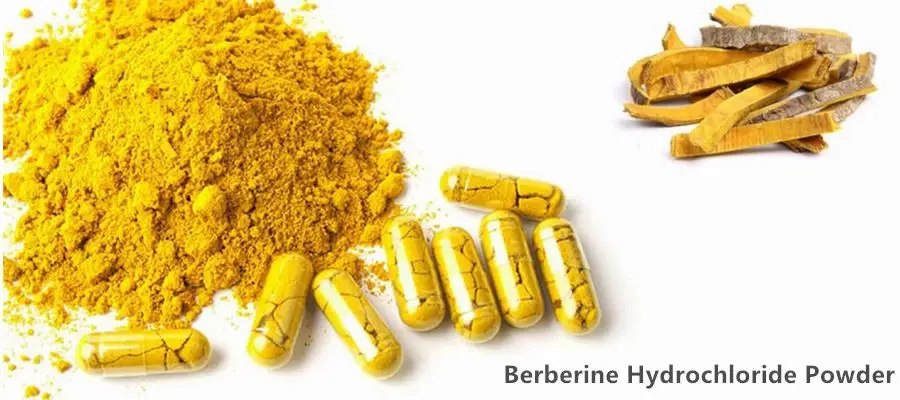
Understanding Berberine Hydrochloride and Its Mechanism of Action
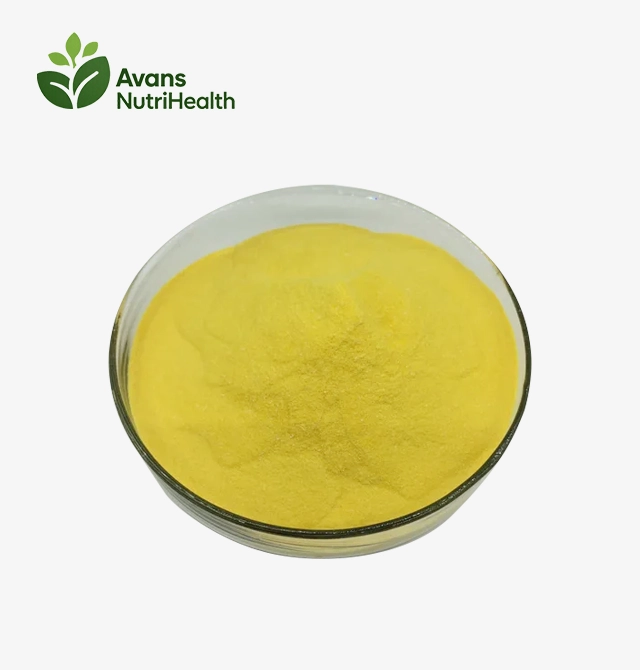
Berberine hydrochloride is a beneficial alkaloid substance that has gotten a lot of attention in the field of heart health. This chemical was originally taken from plants in the Berberis species family. It is different from other types of berberine because it dissolves and is bioavailable more easily. In business preparations, these traits are essential for the product to work.
The main way it works is by controlling fat biosynthesis in cells. AMP-activated protein kinase (AMPK), which is sometimes called the body's biochemical master switch, is turned on when berberine enters the body. This action is a key part of stopping cholesterol production by blocking HMG-CoA reductase, the same enzyme that statin drugs work against. This process stops the liver from making cholesterol and speeds up its removal from the bloodstream.
Cellular Pathways and Cholesterol Regulation
The compound has amazing effects on many biological processes that are involved in keeping the balance of lipids. In addition to activating AMPK, berberine changes the production of genes that move and use cholesterol. It raises the production of LDL receptors, which makes the body take in more cholesterol particles from the blood. This dual action of lowering output and increasing clearance works together to improve cholesterol control as a whole.
According to research, berberine also changes the function of PCSK9, a protein that breaks down LDL receptors. Berberine lowers PCSK9 levels, which lets more LDL receptors stay active on cell surfaces. This procedure makes it easier for cells to take in cholesterol. This process is as complex as current pharmaceutical treatments, but it still has the profile of a natural start, which may offer a safer alternative for managing cholesterol levels and improving overall cardiovascular health.
Antioxidant and Anti-inflammatory Properties
The circulatory benefits go beyond lowering cholesterol because they also have strong anti-inflammatory and antioxidant effects. These qualities help keep your heart healthy by keeping blood vessels safe from toxic damage and lowering signs of inflammation linked to heart disease. These benefits have been proven by clinical studies, which also confirm safety profiles and the best dose levels. This information is very helpful for formulation scientists, who develop products by combining various ingredients, and sourcing specialists, who are responsible for finding reliable raw materials that meet GMP (Good Manufacturing Practice) standards.
Berberine Hydrochloride vs Traditional Cholesterol Management Options
Berberine is a natural option to traditional drugs that will appeal to business clients who are looking for ways to lower their cholesterol. The comparison shows clear benefits that make it especially appealing for supplement makers and drug creators looking for natural choices.
Statins are effective but can have side effects that make patients less likely to take them as prescribed. Muscle pain, high liver enzymes, and stomach problems are all common side effects. Multiple clinical studies have shown that berberine is just as good at lowering cholesterol levels as a similar drug. It has similar benefits with a lot fewer side effects. This profile gives supplement makers a strategic edge when they are trying to reach people who can't take statins or who prefer natural options, particularly those who are looking for effective alternatives to traditional medications like Metformin.
Comparative Efficacy Analysis
Studies that compare berberine to Metformin, which is another widely recommended drug for metabolic health, show that both have similar or better effects on cholesterol levels. A well-known clinical study showed that berberine lowered total cholesterol by 29%, LDL cholesterol by 25%, and triglycerides by 35%, and raised HDL cholesterol by 2%. These results match or surpass the typical outcomes of regular medicines.
Berberine often has better or more powerful effects when compared to other plant-based ingredients like garlic extract or red yeast rice. Because of this, it is a great ingredient for mixed formulations where various modes of action can work together to give better results, such as enhancing metabolic health or supporting cardiovascular function. Standardized Berberine Hydrochloride powder, which is usually 97% pure, makes sure that each batch has the same amount of strength.
Manufacturing Considerations and Quality Control
Making decisions is affected by the choice between different forms in a big way. Berberine hydrochloride powder has benefits in that it is stable, dissolves easily, and can be easily added to different dose forms. Quality control measures, such as GMP (Good Manufacturing Practice) licensing and testing by a third party, are very important for making sure that products always work the same way.
Our Berberine Hydrochloride powder is ideal for manufacturing sites because it has good flow qualities and is chemically stable. Under normal storing conditions, the substance stays active, and it works well with common fillers used in tablet and capsule forms. These traits make production easier while still ensuring reliable quality in the end result.
Procurement Excellence: Sourcing Quality Berberine Hydrochloride
To successfully get Berberine Hydrochloride, you need to carefully evaluate providers and follow strict quality standards. There are many choices on the global market, but not all providers meet the quality and stability standards needed for medicinal and nutraceutical uses, which can lead to ineffective or unsafe products for consumers.
Suppliers you can trust set themselves apart by having quality control systems that cover every part of the production process. Most of the time, these systems come with GMP (Good Manufacturing Practice) approval, strict analytical testing methods, and clear ways of documenting things. At Avans, our Berberine Hydrochloride powder goes through strict tests to make sure it is at least 97% pure. It has ISO, USDA, HACCP, FSSC22000, and HALAL certifications to back the claims up.
Quality Specifications and Testing Parameters
Pharmaceutical-grade berberine hydrochloride has more scientific requirements than just measuring its purity. Some of the most important factors are the amount of moisture, heavy metals, microbes, and leftover solvents. The wetness level in our products must be less than 5%, the amount of heavy metals must be less than 10 ppm, and the total plate count must be less than 1000 CFU/g.
Analytical testing employs multiple methods to form a comprehensive picture. A technique called high-performance liquid chromatography (HPLC) can accurately measure purity, and atomic absorption spectroscopy can check for heavy metals. Pharmacopeial guidelines are used for microbiological tests to ensure the safety of the product. These strict testing procedures help make sure that regulations are followed in many places, ensuring that products meet safety and quality standards required by regulatory bodies.
Supply Chain Reliability and Scalability
Global industry leaders offer solutions that can be scaled up or down to meet the needs of large-scale industries. Our production capacity is more than 1000 tons per year, which means we can reliably serve both existing and new customers. This ability to grow helps B2B clients plan their production by keeping prices and delivery times uniform.
Buying in bulk should strike a mix between saving money and making sure you always have enough supplies. Clear price models and scalable order amounts meet the needs of a wide range of customers while keeping costs low. Our method focuses on long-term partnerships over one-time deals. During the procurement process, we offer expert help and regulatory advice to ensure that clients can navigate compliance requirements and optimize their product formulations effectively.
Practical Applications and Implementation Strategies
When industrial clients add Berberine Hydrochloride to cholesterol-lowering goods, they can use dosage suggestions based on research to get the most out of the formulation. Based on clinical studies, the best dose amounts are between 500 mg and 1500 mg per day, usually spread out over several doses to improve absorption and reduce side effects in the digestive system.
When formulating new goods, formulation scientists need to think about ways to make them more bioavailable. Berberine is not very bioavailable alone, but reducing particle size, using lipid-based delivery methods, or mixing it with substances that make it easier for the body to absorb can help. These techniques can make a big difference in clinical results while still being cost-effective.
Case Studies and Market Applications
Real-world examples show that deployment works well across a wide range of product categories. Dietary supplements for heart health make up the biggest part of the market. These supplements come in a wide range of forms, from simple pills with one ingredient to complicated mixes of many nutrients. Because berberine can be combined in many different ways, it can be used in new and interesting ways with coenzyme Q10, omega-3 fatty acids, and plant sterols.
Products that do well in mature markets always put an emphasis on quality sources and standard extracts. Feedback from customers shows how important it is to have regular results and few side effects. You can achieve both by using high-quality ingredients and the right way to make the product, such as employing advanced extraction methods and rigorous quality control processes to ensure efficacy and safety. The cardiovascular drug market is growing quickly, thanks to an older population and more people caring about their health.
Innovation and Future Developments
New innovations focus on making drugs more bioavailable and coming up with new ways to give them. Nanotechnology uses, long-lasting formulations, and focused transport systems are all areas that are still being worked on to enhance drug delivery and effectiveness in the pharmaceutical industry. These improvements allow berberine to reach new markets around the world while keeping the main benefits that make it appealing to formulators.
Buyers and product makers can stay ahead of the competition by keeping up with changes in regulations. New rules from regulators stress how important it is to have uniform products and full safety data, which ensures that consumers receive consistent quality and safety in the products they use. Our dedication to following the rules makes sure that our clients can trust us to make goods that meet current and expected future needs.
Conclusion
Berberine hydrochloride has a lot of promise to help keep cholesterol levels healthy through well-known methods of action. Thanks to its ability to turn on AMPK and control cholesterol metabolism, it has similar health benefits to regular drugs but fewer side effects. Berberine gives B2B clients in the nutraceutical and pharmaceutical businesses a chance to make natural cholesterol-lowering goods that work well and meet the growing demand from customers for plant-based health solutions. To be successful, you need to get high-quality, standard materials from trusted sellers who follow strict quality standards and government rules.
FAQ
Is Berberine Hydrochloride safe for long-term use in cholesterol management products?
Clinical tests spanning up to two years have demonstrated long-term safety ratings for Berberine Hydrochloride. Mild digestive problems like upset stomach or diarrhea are the most common side effects. These problems usually go away after continuing to use the drug or changing the dose. Unlike some pharmaceutical options, berberine doesn't hurt the stomach or have serious effects on muscles. A lot of information about its safety backs up its use in dietary supplements and functional foods that are meant to improve heart health, and studies indicate that berberine's cholesterol-lowering efficacy is comparable to that of synthetic drugs like statins.
How does berberine's cholesterol-lowering efficacy compare to synthetic drugs?
Researchers have found that berberine can lower cholesterol levels just as well as moderate-dose statin treatment. Meta-analyses show that berberine supplements lower LDL cholesterol by 20 to 25 percent on average, while normal amounts of statins lower LDL cholesterol by 25 to 35 percent. However, berberine has extra benefits that statins don't have, such as making insulin work better and reducing inflammation. Because it affects so many metabolic pathways, berberine is very useful for making goods that target many cardiovascular risk factors.
Where can I find certified suppliers for bulk berberine hydrochloride purchases?
Suppliers with a favorable reputation keep many certificates, such as ISO, and international organic standards. Some of the most important factors considered during the judging process include analytical testing skills, regulatory compliance documentation, and production scalability. Suppliers that have been around for a while give full records of analysis, keep goods in cold storage when needed, and help with formulating new products. Facility audits and reference checks with current customers should be part of due research to make sure that business relationships are reliable.
Partner with Avans for Premium Berberine Hydrochloride Solutions
With our top-notch Berberine Hydrochloride powder, Avans NutriHealth is ready to help you create a cholesterol-health product. We are a top manufacturer with many certificates, such as ISO, USDA, HACCP, FSSC22000, and HALAL. Our quality is always the same and meets the highest standards in the business. Our 97% pure Berberine Hydrochloride powder, which is sourced and made in China and has the CAS number 633-65-8, is kept in stock to meet quick output needs. We can manufacture more than 1000 tons of supplements every year and have a specialized R&D team to help with technical issues. This means that we can provide scalable solutions for both new and established supplement brands. Get in touch with Lillian, our sourcing expert, at Lillian@avansnutri.com to talk about your needs and find out why top nutraceutical companies trust Avans as their Berberine Hydrochloride provider.
References
1. Kong, W., Wei, J., Abidi, P., Lin, M., Inaba, S., Li, C., ... & Jiang, J. (2004). Berberine is a novel cholesterol-lowering drug working through a unique mechanism distinct from statins. Nature Medicine, 10(12), 1344-1351.
2. Dong, H., Wang, N., Zhao, L., & Lu, F. (2013). Berberine in the treatment of type 2 diabetes mellitus: a systemic review and meta-analysis. Evidence-Based Complementary and Alternative Medicine, 2013, 423953.
3. Lan, J., Zhao, Y., Dong, F., Yan, Z., Zheng, W., Fan, J., & Sun, G. (2015). The study conducted a meta-analysis to examine the effectiveness and safety of berberine in treating type 2 diabetes mellitus, hyperlipemia, and hypertension. Journal of Ethnopharmacology, 161, 69-81.
4. Zhang, Y., Li, X., Zou, D., Liu, W., Yang, J., Zhu, N., ... & Ning, G. (2008). Treatment of type 2 diabetes and dyslipidemia with the natural plant alkaloid berberine. Journal of Clinical Endocrinology & Metabolism, 93(7), 2559-2565.
5. Pirro, M., Vetrani, C., Bianchi, C., Mannarino, M. R., Bernini, F., & Rivellese, A. A. (2016). Joint position statement on "Nutraceuticals for the treatment of hypercholesterolemia" of the Italian Society of Diabetology and the Italian Society for the Study of Atherosclerosis. Nutrition, Metabolism and Cardiovascular Diseases, 26(11), 1021-1032.
6. Cicero, A. F., & Tartagni, E. (2012). Antidiabetic properties of berberine: from cellular pharmacology to clinical effects. Hospital Practice, 40(2), 56-63.