




Can Ginkgo Biloba Extract Powder Support Healthy Circulation?
Ginkgo Biloba Extract Powder can help keep your blood flowing well because it contains beneficial substances like flavonoid glycosides and terpene lactones. The natural ingredients in the extract help blood vessels widen, keep capillaries healthy, and lower oxidative stress in vascular tissues. This makes it a scientifically proven ingredient for products that focus on circulation. Adding standardized Ginkgo Biloba Extract Powder is a reliable way for B2B companies in the nutraceutical, pharmacy, and cosmetics industries to deal with circulatory health issues and meet customers' desire for natural, effective solutions.
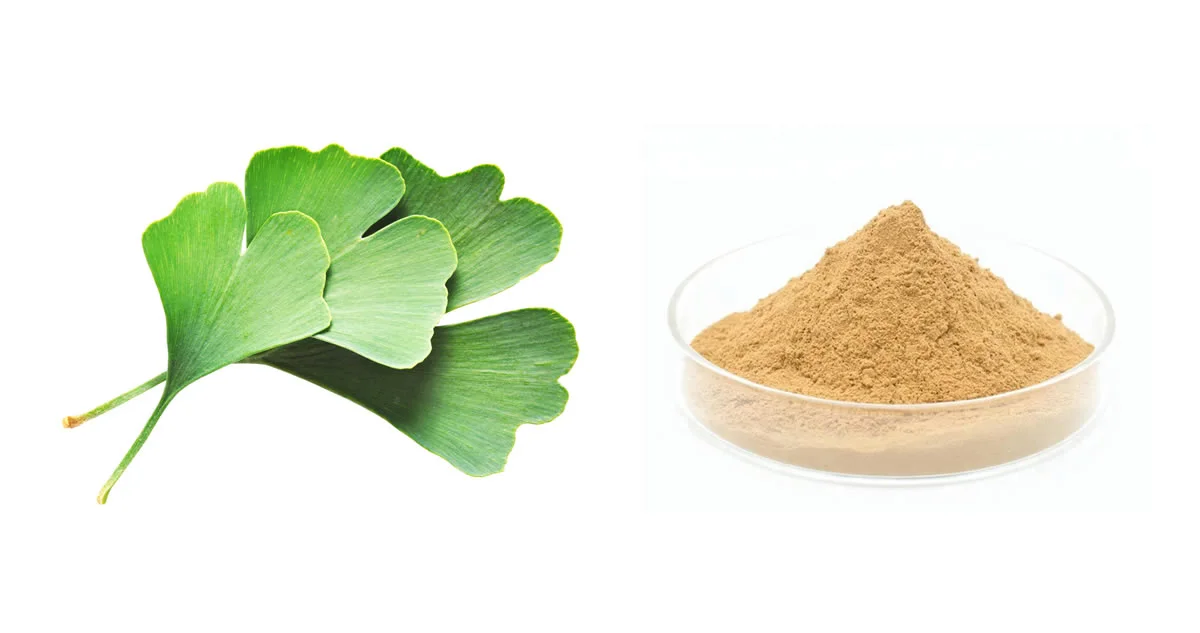
Understanding Healthy Circulation and Its Challenges
A body's ability to get air and nutrients to all parts of it depends on its circulation being in good shape. Every organ, tissue, and cell gets the nutrients it needs to do metabolic processes, keep cells healthy, and support general health when circulatory systems work at their best. This physiological process has a direct effect on the success of many types of products, such as those used to care for the old, athletes, people with medical conditions, and functional foods.
Common Circulatory Health Challenges
Circulatory health problems show up in many ways that buying teams and formulation experts need to deal with. Less blood flow, especially in the periphery, makes it harder to move and think clearly. Vascular stiffness rises with age, making it harder for the body to adapt to changes in blood pressure. Microcirculation is hampered by fragile capillaries, which makes it harder for nutrients to get to tissues and organs.
Root Causes Affecting Vascular Function
The most common cause is getting older, which lowers endothelial function and arterial stiffness over time. Poor venous tone and less efficient heart function are linked to sedentary lives. Diabetes and high blood pressure are examples of long-term diseases that put extra stress on the circulatory system, which speeds up the breakdown of vascular walls. The problems are made even worse by environmental factors and oxidative damage, which makes it hard for companies to formulate products that help the blood system.
When buying, teams are aware of these physiological and market-driven problems, and they can better match material requirements with product goals. When choosing plants for formulations that support circulation, it's important to know how vascular health works so that the formulations work well and the customers are happy.
How Ginkgo Biloba Extract Powder Supports Healthy Circulation
The qualities of Ginkgo Biloba Extract Powder that help blood flow come from two main types of compounds that work together. Flavonoid glycosides, like quercetin, kaempferol, and isorhamnetin, are usually defined at a 24% concentration. These molecules have strong antioxidant effects that protect the endothelium of blood vessels from oxidative harm and make nitric oxide more bioavailable. Platelet-activating factor is changed by terpene lactones, which are made up of ginkgolides and bilobalide at a concentration of about 6%. This stops blood from clotting too much and helps it move smoothly.
Mechanisms of Vascular Support
Clinical studies show that these beneficial substances improve blood flow in a number of different ways. Vasodilation happens when antioxidants increase the production of nitric oxide by endothelial cells, which relaxes the smooth muscle inside the walls of arteries. Lowering oxidative stress keeps lipid layers and cell structures safe from damage caused by free radicals, which helps blood vessels stay healthy over time. Better microcirculatory dynamics and stronger artery walls make capillaries work better, which makes sure that nutrients and oxygen get to peripheral tissues quickly.
Standardization and Efficacy
Clinical studies stress how important it is to use standardized extract amounts to make sure that the safety and effectiveness ratings are always the same. The 24/6 standardization ratio is generally known to offer benefits that can be repeated and measured. These benefits help with formulation decisions and boost trust in buying. As a result of this profile being based on proof, manufacturers can make goods that meet regulatory standards and back up substantiated health promises in the right places.
The Ginkgo Biloba Extract Powder made by Avans NutriHealth Co., Ltd. is of high quality and meets these strict standards. Our brown powder comes from carefully choosing Ginkgo biloba leaves from China. The amounts of active chemicals stay the same thanks to strict quality control measures. Our extract powder (CAS No: 90045-36-6) is a safe ingredient for food, health supplements, and cosmetics. It has been certified by HALAL, ISO, USDA, HACCP, and FSSC22000.
Comparing Ginkgo Biloba Extract Powder to Other Formats and Supplements
Format Selection Considerations
Which Ginkgo Biloba Extract Powder format is best depends on the goals of the application, the manufacturing skills, and the types of products that are being made. The powder form gives you a lot of freedom when making custom mixtures and recipes. You can easily control the amount and add it to pills, capsules, functional drinks, and topical products. With powder forms, it's much easier to make more of something because the bulk handling, storage, and processing are all done in a way that is similar to how pharmaceutical and nutritional products are made.
There are certain uses for capsules and liquid extracts, especially in direct-to-consumer goods, where ease of use is a big factor in buying choices. These pre-made choices, on the other hand, make customization harder and usually cost more per dose. Different types of products are not all stable. Powders stay effective longer than liquid extracts, which can go bad when not kept properly.
Comparative Analysis with Alternative Supplements
When compared to other natural ingredients that help blood flow, Ginkgo Biloba Extract Powder has unique benefits. Ginkgo Biloba especially improves blood flow to the brain and other parts of the body, while hawthorn extract mainly works on heart health by supporting the cardiac muscle. Omega-3 fatty acids help with inflammation and membrane flexibility, but they don't have the instant effects on blood vessels that flavonoids in Ginkgo Biloba do. Horse chestnut powder is used to treat venous insufficiency and reduce swelling, which is different from Ginkgo Biloba's more general effects for the vascular system.
The active ingredients in Ginkgo Biloba Extract Powder make it possible for a product to stand out in the crowded market for circulation support. Formulators can use this plant's unique mechanism profile to make specialized goods that improve cognitive performance, peripheral vascular health, or the deterioration of circulation function that comes with getting older. By understanding these factors, you can create and position your products in a way that meets changing customer wants and takes advantage of market possibilities.
Procurement Insights for Ginkgo Biloba Extract Powder
Critical Quality Parameters for Supplier Selection
When choosing Ginkgo Biloba Extract Powder providers, B2B procurement workers need to look at a number of factors to make sure the quality of the products they supply is solid and that they follow all the rules. The first step is to verify the certifications. If organic certification is needed, it must be shown along with HALAL, KOSHER, and food safety management system qualifications. To find out if cheaper Sophora japonica products have been added, HPLC fingerprint analysis must be used to confirm the real ratio of quercetin, kaempferol, and isorhamnetin. Purity levels must meet or exceed pharmacopeial standards.
Pay close attention to the ginkgolic acid content because chemicals that are higher than 5ppm can cause allergy reactions and cell death. Reliable providers use HPLC-FLD or LC-MS to make sure that this important safety measure is met. USP guidelines say that heavy metal testing procedures should make sure that lead content is below 3.0 mg/kg and cadmium content is below 1.0 mg/kg. This protects end users and keeps the brand's integrity.
Supply Chain Considerations
Risk is kept to a minimum throughout supply lines by checking out suppliers openly and having third-party tests and records of their origin. When buying in bulk, you need to think about more than just the price per unit. You also need to think about minimum order amounts, wait times, shipping logistics, and storage needs. When you're selling to customers in other countries, you need sellers with established transport networks and knowledge of how to clear customs.
Working together with providers who know how to do both original equipment manufacturer (OEM) and contract manufacturing makes it easier to fit into the production processes of clients. Avans NutriHealth Co., Ltd. has been making plant extracts for more than 15 years and has ISO 22000, HACCP, and BRC-certified facilities that make sure the safety and stability of their products. Our large distribution network, which includes more than 280 cities, makes sure that buying teams around the world get their orders on time and reliably. Plus, we can produce more than 1,000 tons of goods every year, so even when big orders come in, there will always be enough to go around.
Practical Applications and Usage Recommendations
Product Category Integration
Because Ginkgo Biloba Extract Powder is so flexible, it can be used in a wide range of products where improving circulation is a clear benefit for customers. Dietary supplements are the main use, and pills, capsules, and softgels make it easy to take the right amount every day for brain health and blood vessel support. The extract is used in functional foods and drinks to make nutrition bars, drinks with added nutrients, and meal replacement items for busy older adults.
The antioxidant and circulation-boosting qualities of Ginkgo Biloba are used in anti-aging products, eye creams, and hair treatments that improve hair health. The extract's ability to improve microcirculation in the skin helps nutrients get to the dermal layers, which makes cosmetic treatments more effective. When skin care companies use Ginkgo Biloba Extract Powder, they can be sure that their products will be good for your skin in the long term and feel good to the touch right away.
Formulation Technical Guidelines
For supporting circulation, the daily recommended doses of standardized extract are usually between 120 mg and 240 mg, but this can change based on treatment goals and legal frameworks. Formulators need to think about mixing methods that make sure the ingredients are spread out evenly in the finished product. This is especially important when making tablets and capsules, where even distribution of ingredients has a direct effect on how well they work and how well they are followed.
Because of the need for stability, care must be taken with the packing, keeping, and choice of excipients. Ginkgo Biloba Extract Powder stays at its most effective when kept away from too much water, heat, and light. Having less than 5.0% moisture stops microbes from growing and keeps active chemicals safe for the whole shelf life. A bulk density of 0.40 to 0.70 g/ml makes volumetric dosing more reliable during production processes.
Safety ratings are still good as long as the right dose instructions are followed. However, formulators should be aware of possible interactions with blood thinners and the fact that surgical patients shouldn't take this drug. Knowing about these things helps with following the rules and making honest product claims. It also helps the purchasing, research, and development teams make the best use of ingredients while lowering the risks that come after. Clear technical paperwork makes sure that solutions are ready for the market and follow health rules in all target areas.
Conclusion
Ginkgo Biloba Extract Powder is a scientifically proven and marketable ingredient that makers can use to make natural products that improve heart health. The normal amount of flavonoid glycosides and terpene lactones gives consistent benefits to the blood vessels, which supports the effectiveness of the product in nutraceutical, medicinal, and cosmetic uses. When procurement teams choose certified suppliers with strict quality control methods, they gain a competitive edge through reliable supply lines and the guarantee of compliance. As the market for natural ingredients that improve circulation keeps growing, Ginkgo Biloba Extract Powder helps makers meet customer needs while keeping their products unique in competitive markets.
FAQ
Is Ginkgo Biloba Extract Powder safe for long-term use in formulations?
Standardized Ginkgo Biloba Extract Powder has been used safely in clinical settings for decades, showing that it is safe in the long run when made in the right doses. Studies that tracked long-term use show that it is well tolerated and has few negative effects, as long as the ginkgolic acid level stays below 5ppm. When manufacturers use approved extracts that meet pharmacopeial standards, they can safely back up claims about long-term use while still following the rules in major markets.
What dosage ranges optimize circulation benefits in finished products?
For real circulation support, clinical study backs up daily doses of 120 mg to 240 mg of a standardized extract that has 24% flavonoid glycosides and 6% terpene lactones. The best dose depends on the therapeutic goal. For example, bigger doses are often used for cognitive uses, while lower daily amounts are better for maintaining general vascular health. Formulators should make sure that dosage suggestions are in line with how they want to place their products and the rules that guide structure-function claims in the markets they want to reach.
How can procurement teams verify ingredient purity and compliance?
Quality assurance needs a lot of different kinds of tests, like HPLC fingerprint analysis to make sure the flavonoid ratios are correct, ginkgolic acid measurement via LC-MS to show that the levels are below 5ppm, and heavy metal screening that meets USP standards. Certificates of analysis from recognized labs issued by a third party provide an independent check of the specs. Audits of suppliers that look at their quality management systems, paperwork for tracking goods, and the truth of their certifications add another layer of security that helps people make smart purchasing choices.
Partner with Avans for Premium Ginkgo Biloba Extract Powder Supply
Avans NutriHealth Co., Ltd. is ready to help you make a product that is focused on circulation by providing you with approved, standardized Ginkgo Biloba Extract Powder that has been designed to provide the most benefits to your blood vessels. As a reliable company that makes Ginkgo Biloba Extract Powder and has ISO 22000, HACCP, BRC, HALAL, USDA, and FSSC22000 certifications, we meet the strict needs of food, pharmaceutical, and skincare companies around the world. Our brown powder is kept in stock so that orders can be filled right away. It goes through strict quality control to make sure that it meets international safety standards and has accurate active compound ratios. Get in touch with our technical team at Lillian@avansnutri.com to get custom product specifications, cheap bulk quotes, and transportation solutions that make purchasing easier while also expanding your product line to meet changing market needs.
References
1. DeKosky ST, Williamson JD, Fitzpatrick AL, et al. "Ginkgo biloba for Prevention of Dementia: A Randomized Controlled Trial." Journal of the American Medical Association, 2008; 300(19): 2253-2262.
2. Mahadevan S, Park Y. "Multifaceted Therapeutic Benefits of Ginkgo biloba L.: Chemistry, Efficacy, Safety, and Uses." Journal of Food Science, 2008; 73(1): R14-R19.
3. Birks J, Grimley Evans J. "Ginkgo biloba for Cognitive Impairment and Dementia." Cochrane Database of Systematic Reviews, 2009; Issue 1: CD003120.
4. Koch E. "Inhibition of Platelet Activating Factor (PAF)-induced Aggregation of Human Thrombocytes by Ginkgolides: Considerations on Possible Bleeding Complications after Oral Intake of Ginkgo biloba Extracts." Phytomedicine, 2005; 12(1-2): 10-16.
5. Van Beek TA, Montoro P. "Chemical Analysis and Quality Control of Ginkgo biloba Leaves, Extracts, and Phytopharmaceuticals." Journal of Chromatography A, 2009; 1216(11): 2002-2032.
6. Smith JV, Luo Y. "Studies on Molecular Mechanisms of Ginkgo biloba Extract." Applied Microbiology and Biotechnology, 2004; 64(4): 465-472.