




Bulk Creatine Monohydrate Powder for Private Label: What to Know
When you're launching a private label sports nutrition line, selecting the right Bulk Creatine Monohydrate Powder supplier can make or break your brand's reputation in a competitive marketplace. This comprehensive guide walks you through everything procurement managers, formulators, and R&D teams need to know—from understanding core product characteristics to optimizing formulations and establishing reliable supplier relationships. Whether you're serving the nutraceutical, pharmaceutical, or cosmetic sectors, the insights ahead will help you navigate quality benchmarks, regulatory compliance, and strategic sourcing to deliver safe, effective products your customers trust.
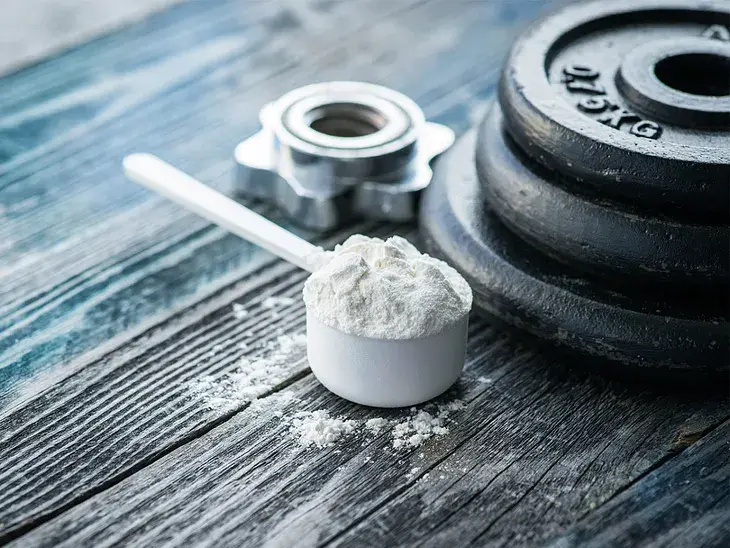
Understanding Bulk Creatine Monohydrate Powder
Chemical Composition and Fundamental Characteristics
If you bond one molecule of creatine to a water molecule, you get Creatine Monohydrate (CAS 6020-87-7), which is an organic acid. The chemical formula for it is C₄H₉N₃O₂·H₂O. HPLC tests show that premium-grade Bulk Creatine Monohydrate Powder is 99.9% pure, with only very small amounts of creatinine (<100 ppm), dicyandiamide (<30 ppm), and dihydrotriazine (not detectable). The material is usually a white crystalline powder that has a controlled moisture level of between 11% and 12.5%. It has no taste or smell. This is an important part of keeping the chemical stable while it's being moved and stored.
The range of particle sizes makes a recipe work or not work very well. These are the standard mesh sizes. 80 mesh is better for flow when making pills and less dust when manufacturing. 200 mesh micronized versions are better for spreading in water and making ready-to-drink forms less gritty. This ingredient is easy to package because its bulk density is between 0.50 and 0.65 g/mL. It is also thermally stable up to about 255°C, which means it can work in tough processing conditions without breaking down.
Biochemical Mechanism and Performance Benefits
When taken as a supplement for five to seven days, Creatine Monohydrate raises phosphocreatine levels in muscle by about 15%. It quickly adds phosphate groups to adenosine diphosphate (ADP), which helps make adenosine triphosphate (ATP) again during activities that are intense and last a short time. More than 500 studies that were reviewed by experts in the field have shown that this process directly raises the body's ability to produce rapid power, run fast, and lift heavy things.
In research tests, creatine supplements have been shown to protect neurons. This means that they help the brain work when you are mentally tired or don't get enough sleep. Creatine's anabolic properties help older people and people in recovery keep their lean body mass. This is why it is used in medical nutrition products for sarcopenia and other diseases that cause muscle loss.
Safety Profile and Dosage Recommendations
There is a lot of safety information from over 30 years that shows that Creatine Monohydrate is mostly safe to use as directed. The International Society of Sports Nutrition says that taking 3–5 grams per day for a long time is safe and good for you. It is possible to speed up saturation rates by loading, like giving 20 grams four times a day for five to seven days. However, this is not necessary.
Bodies that make rules, like the U.S. FDA, say that it is safe to use Creatine Monohydrate in functional foods and dietary supplements when used in small amounts. The drug was checked against lists of chemicals that the World Anti-Doping Agency (WADA) says are not allowed in sports. This means that it can be used to make products for professional and top-level athletes. Many false beliefs about renal stress have been debunked in clinical groups of people whose kidneys work normally. When someone already has kidney problems, they should talk to their doctor before taking vitamins.
Quality and Types of Bulk Creatine Monohydrate Powder
Differentiating Creatine Formulations
Because it has the most clinical data and the best cost-effectiveness ratio, pure Creatine Monohydrate is still the best form of the supplement. Extra mechanical work is done on micronized versions to get the particle size below 74 microns (200-mesh standard). And it gets rid of the grainy taste that can make people not want to drink protein shakes and pre-workout drinks. This makes the solution more stable in liquid matrices.
Other kinds of creatine, like "buffered" or "chelated" types, usually cost more than regular Bulk Creatine Monohydrate Powder because there isn't any evidence that they work better in human studies that were looked at by experts. Different forms of creatine, like hydrochloride and ethyl ester, don't really help with absorption any more than the original monohydrate substance. As a way to save money and store space, procurement teams should choose ingredients based on proof instead of marketing promises.
Branched-chain amino acids, beta-alanine, citrulline malate, and creatine are ergogenic compounds that work well together. When formulators mix these compounds, they can make products that stand out from the rest. It's important to think about dose synergies, flavour masking problems, and possible interaction effects when making these kinds of combinations so that they work well and taste good.
Production Methods and Source Verification
These days, sarcosine and cyanamide combine at a specific temperature and pH level to make Creatine Monohydrate. After this, there are several stages of drying, crystallisation, and spinning. This synthetic route promises stable product quality no matter what changes happen in farming. Botanically sourced products, on the other hand, can change based on the season and where the plants are grown.
The best companies use strict in-process controls at every step of the production process to keep an eye on crystal forms, impurity profiles, and reaction rates. The certificate of analysis (CoA) should have information about the specific batch that shows it meets the USP or EP monograph requirements. Traceability systems link many manufactured goods to the places where the raw materials came from and keep records of the production process. This lets people jump in and fix problems quickly if they happen, which doesn't happen often.
Quality Assurance Through Testing Protocols
Strong quality control is built on four key bases of proof. With HPLC, impurity analysis checks how many metabolic byproducts and intermediate products are in a product that could make it less pure or dangerous. Particle size distribution (PSD) testing with laser diffraction is one way to show that the micronization requirements change how well the mixture works. When checking for microbes, USP chapters 61 and 62 are used as guidelines. These chapters say how many total aerobic microbes, yeast, mould, and harmful organisms like E. coli and Salmonella are allowed.
Third-party approval programs check the quality of both the producing process and the finished product on their own. Certifying groups such as Informed-Sport, NSF Certified for Sport, and others do random batch tests for drugs that aren't allowed in sports. This keeps brands from being sued and gives athletes confidence when brands try to market to them. Heavy metals screening looks for mercury, arsenic, cadmium, and lead to make sure the limits set by California Proposition 65 and EU rules on contaminant levels are met.
At Avans NutriHealth, our Creatine Monohydrate goes through a lot of tests that are okay with ISO 22000, HACCP, BRC, and organic approval methods. Each batch of food is carefully checked for cleanliness, bacteria, and heavy metals before it is sent out to be delivered.
How to Choose the Right Supplier for Private Label Bulk Creatine Monohydrate Powder
Essential Supplier Evaluation Criteria
The most important thing to do when judging a supplier is to check the quality of their products. Check to see if the purity tests, impurity levels, and physical qualities are all the same by asking for several batch certificates of analysis from the last few production runs. The process controls aren't working right if there is a lot of difference from batch to batch. This could hurt the quality of the end product and your brand's reputation for Bulk Creatine Monohydrate Powder.
Minimum order quantities (MOQ) affect how material is handled and how much cash is needed. With MOQs that can be changed from 25 kg for trials to multi-ton contract manufacturing agreements, suppliers can help both new brands see if the market will accept them and established brands deal with changes in seasonal demand. It's harder to compare prices when quotes are bundled together, which can be confusing. Instead, competitive pricing models should include clear cost factors like supplies, testing, packing, and shipping.
Professional suppliers can promise delivery, which sets them apart from transactional vendors. Check out the steps you can take to make sure you deliver on time, your backup stocks, and your plans for what to do if there are production problems. When suppliers keep safety stock equal to 30–60 days of normal demand, it shows that they are dedicated to supply continuity. This is very important for brands that need their products to always be available to keep customers and sellers loyal.
Regulatory Compliance and Certification Verification
You can be sure that a company is good at making things and following the rules if they meet international quality standards. If you get ISO 22000 approval, it means you have set up systems for managing food safety that include risk analysis, key control points, and prerequisite programs. A company that has Brand Reputation Compliance (BRC) Global Standards certification has met the safety, quality, and business standards that major stores in North America and Europe look for.
Religious and dietary certifications make products more appealing to customers and make them easier to get into markets. If an official Islamic organization says a product is HALAL, it means that the rules for the building, how it is made, and where the ingredients come from are all in line with Shariah law. When a food item gets kosher approval from rabbinical review groups, it means that it follows Jewish dietary rules. It doesn't happen very often with fake Creatine Monohydrate, but finished products with other organic ingredients may be eligible for organic approval. This means that sellers need to keep track of all the paperwork for the whole chain of custody.
The USDA, HACCP, and FSSC 22000 certificates say the business cares even more about keeping food safe and not contaminating it. Current Good Manufacturing Practices (cGMP) for dietary supplements can be found in 21 CFR Part 111. Suppliers who work with the pharmaceutical or medical food industries need to show that they know what these are. Aside from that, they need to make sure that their ways of keeping track of goods, checking quality, and dealing with issues meet FDA requirements.
Supplier Reputation and Partnership Benefits
A supplier's reputation shows more than just compliance paperwork. It also shows how well they run their business and how happy their customers are over time. Being steady and good at your job can be seen by having been in the field for a long time, having a lot of different clients, and being a part of professional trade groups. You can get first-hand information about how quickly you reply to messages, how well you handle technology issues, and how you solve problems from people who are already using your product or service.
There are more benefits to buying in bulk than just dropping the price per unit. When suppliers promise a certain amount of goods, they can make better production schedules. This cuts down on lead times and makes batches more consistent. Deals for long-term goods protect you from changes in the cost of raw materials and make sure you get the most when supplies are low. When you use collaborative forecasting, you match your projected demand models with your ability to make things. It's less likely that you'll run out of stock, and it costs less to keep too much on hand.
Avans NutriHealth works with 338 wholesalers in 280 locations to show that we can grow with your business. More than 30 hospital research partners help us make plans for new products that make sure recipes are in line with new research and changing consumer tastes.
Optimizing Bulk Creatine Powder for Private Label Applications
Flavoring and Formulation Considerations
Brands have the most cooking freedom when they use unflavoured Bulk Creatine Monohydrate Powder because they can add it to a lot of different goods without having to worry about how it will taste. This balance is good for protein smoothies, meal replacement shakes, and custom stack recipes, which let users mix different supplement ingredients together. But sometimes it can feel a little chalky in the mouth, which is something to keep in mind for ready-to-drink forms that like smooth texture profiles.
When it comes to taste, flavoured creatine products work around issues by carefully selecting both real and fake flavourings. Citrus flavours like orange, grapefruit, and lemon-lime are good at hiding creatine's mild taste while giving you energy that fits the pre-workout drink setting. Berry tastes, like strawberry, raspberry, and mixed berries, are liked by many and go well with other well-known supplement tastes.
Flavourings and other ingredients that work well with creatine can change how long something lasts by absorbing water, breaking down quickly, and maybe even interacting with the molecules of creatine. Sweeteners that dissolve in water and some natural tastes need to be packed in a way that keeps the powder from sticking together and lets it flow freely. Before it goes on sale, the mixture is tested to make sure it stays stable in all possible storage conditions, such as at room temperature, in the fridge, and by cycling between those temperatures.
Packaging and Labeling Best Practices
To pick the right packing material, you need to find a way to save money, protect the product, and be good to the earth. Food-grade polyethylene covers on multi-layer kraft drums make bulk packing cheap for private label and contract manufacturers who do additional packaging. These arrangements can usually hold 25 kg loads, which makes the best use of boxes and speeds up the process of moving things around in the building. Automatic packing systems that can hold one metric tonne of goods are great for high-volume operations because they cut down on labour costs and the chance of contamination during ingredient transfer.
In order to keep the product stable during shipping and shop display, consumer-facing packages need to have moisture vapour shields. Heavy polyester films, aluminium foil layers, and special barrier plastics keep water out, which would make the substance clump or change into a crystalline product. When desiccant packets are added during the packing process, they protect the goods even more in damp places or make them last longer.
FDA rules under 21 CFR Part 101 say that labels must have certain information on them. This includes statements about the net weight, statements about the ingredients that list them in order of decreasing weight, and panels called "Supplement Facts" that list dose sizes and nutritional information. Claims about structure-function that talk about creatine's role in energy metabolism need to be accompanied by language that makes it clear that the product is not meant to diagnose, treat, cure, or stop illness. European markets that are governed by EU Regulation 1169/2011 have the same rules. These rules include specific guidelines for wording and formatting for releases around the world.
Storage and Logistics Protocols
Creatine Monohydrate stays chemically stable for a long time in the supply chain as long as it is kept properly. When temperatures are below 25°C and relative humidity is below 60% in cool, dry places, moisture can't be absorbed, and thermal stress can't happen. Creatine should be kept away from strong oxidisers, flammable chemicals, and materials that break down easily when they get wet. If these things get into the creatine, they could contaminate it and lower its quality.
Temperature control and handling methods need to be carefully thought out for the sake of transportation operations. Even though Creatine Monohydrate doesn't change much when it's hot, it does lose a little more water when it's hot for a long time, like when barrels are moved through tropical areas in the summer. These risks can be lowered for valuable goods going through more than one climate zone by using temperature-controlled transport or limiting shipping during certain times of the year.
When you work with transportation companies that have dealt with nutritional ingredients before, you can be sure that they know all the rules, how to properly record your goods for customs, and the best ways to keep the quality of your products. Third-party logistics (3PL) partners with food-grade warehouse certification know a lot about how to keep your goods safe from the time they are made until they are packed. They know about First-In-First-Out (FIFO) inventory rotation, lot tracking systems, and temperature monitoring routines.
Procurement Strategies and Transaction Tips for Bulk Creatine Monohydrate Powder
Identifying Reliable Sourcing Platforms
Markets for businesses to businesses make it easy for them to work with providers of Bulk Creatine Monohydrate Powder from all over the world. To make sure that suppliers are good at making things, they check their international experience and customer comments. Procurement teams can do more research on new vendors when they use platforms with source audit programs. These programs include building checks, quality system reviews, and financial stability studies. The risks of international trade are lower when you buy ingredients from other countries because of things like escrow payment systems, shipment inspection services, and ways to settle disagreements.
When you work directly with makers, you cut out the middlemen and set up ways to talk about technical questions, creating custom formulations, and deciding what to do first on the production schedule. Having good relationships with manufacturers is very helpful when it comes to regulatory submissions that need thorough production paperwork, customer complaints that need a root cause investigation, or making secret formulations that are covered by confidentiality agreements.
Professional workshops and trade shows in your field let you meet sellers in person and build relationships that you wouldn't be able to do online alone. Business events for functional foods, dietary supplements, and sports nutrition bring together qualified providers. This makes it easy to quickly compare product features, prices, and service offerings.
Negotiation Tactics and Contract Considerations
Value-based pricing shows how economies of scale work in transportation and manufacturing by giving big promises small cost cuts in return. A good way to get better prices and make the most of your working capital is to make yearly number promises and make sure that shipping plans are in sync with your production schedule every three months. Terms for price increases in long-term contracts that are tied to clear indicators like the cost of raw materials, currency exchange rates, or public inflation rates keep both parties safe from cost changes they didn't expect.
When you negotiate payment terms, you can get the best cash flow and lower the supplier's sense of risk at the same time. Standard terms for foreign trade with new sellers range from full payment up front to net-30 or net-60 day terms for creditworthy customers who have paid on time in the past. Well-known bank letters of credit are a good way for buyers and sellers to work together because they guarantee payment to both sides. Buyers can still check the quality of the goods before making the final payment.
Writing down quality requirements in purchase agreements sets clear standards for approval, which stops arguments after the goods have been delivered. Use well-known standards like USP monographs, EP specs, or industry group recommendations instead of vague personal comments. It's important to include rules about how to handle deliveries that don't meet the requirements, like replacing the goods, changing the price, or ending the contract. It's also good to have a third party test the goods in case there are disagreements about the specifications.
Managing International Transactions and Lead Times
Many people, like goods forwarders, customs agents, warehouse owners, and transportation carriers, need to work together to ship bulk powder ingredients. Incoterms are clear rules that buyers and sellers follow to agree on who is responsible for shipping costs, insurance, clearing customs, and passing on risk. They are put out by the International Chamber of Commerce. When buyers use FOB (Free On Board) terms, they have to pay for ocean freight and import taxes. When you use DDP (Delivered Duty Paid) terms, you get full delivered prices that cover all shipping costs.
When planning the lead time, you should think about how long it takes to make the product (7-14 days for standard specs), how long it takes for quality control testing and paperwork to be made (3–5 days), how long it takes for ocean freight to get from Asia to North America (20–35 days), and how long it takes for customs clearance and delivery within the country (5–10 days). Making sure you have enough buffer inventory, which is 1.5 times the total lead time, will protect you from supply problems that can happen because of things like production delays, logistics issues, or sudden sales increases.
Building Strategic Supplier Relationships
One way to lower risk is to get supplies from a variety of places. This stops single-point flaws. You can keep your options open in case your main suppliers have problems with capacity, quality, or business stability by finding backup suppliers that can meet similar product needs and making regular test purchases. When businesses get supply chain insurance, they are financially protected against bad things that could stop production, like lost goods, pollution, or sellers who don't pay their bills.
When you only look for ways to lower unit costs through transactional procurement, you miss out on big chances to build value that come with strategic supplier relationships. When suppliers work together on technical projects like improving processes, making new products, and optimising recipes, they use the knowledge they've gained from working with many customers and apps. It takes longer to get a product to market if suppliers aren't involved early on in the development process. It also costs more because the product has to be made again if certain ingredients don't work with the production process.
When sellers share information about projected demand, special plans, and market trends, it helps them choose the best times to buy raw materials and set up production. Every three months, business reviews give you a structured way to rate success based on metrics like quality, service, communication, and new ideas. Supplier appreciation programs that thank them lead to partnerships that go above and beyond what is needed by contract. As a strategic account, suppliers see your company as valuable. They will give you priority access to capacity when supplies are low, dedicate engineering resources to custom development projects, and offer good business terms that reflect the long-term value of the relationship.
Conclusion
Before you can find a good Bulk Creatine Monohydrate Powder for private label uses, you need to find a way to combine product quality, legal compliance, seller reliability, and business terms in a way that fits with your overall buying plan. Formulators can make decisions that meet the needs of their target market better when they know how creatine works biochemically and how it boosts performance. If you carefully check a supplier's quality systems, certifications, and operational skills, you can lower the risks that come with getting ingredients from other countries. In supply lines that are very complicated, the quality of things is kept safe by smart rules about how to pack, store, and move them. When you work with a seller based on a relationship, you can get new ideas and more reliable supplies than when you buy directly from the seller. In the tough nutraceutical market, this sets up your brand for long-term growth.
FAQ
1. What purity level should I require for private label creatine monohydrate?
An HPLC test shows that good Creatine Monohydrate should be 99.9% pure. The amount of impurities like creatinine (<100 ppm), dicyandiamide (<30 ppm), and dihydrotriazine (non-detectable) should be tight. This rule makes sure the product is safe and works well. It also makes sure it meets pharmacopoeia standards (USP, EP, or JP) that are accepted in all foreign markets.
2. How does micronized creatine differ from standard mesh sizes?
To get the particle size below 74 microns, micronized creatine (200-mesh standard) goes through extra steps. In turn, this makes it easier for liquids to mix with it and less gritty for ready-to-drink drinks. Standard 80-mesh versions let more air flow through when making tablets and make less dust when making them. The type of mesh you pick will depend on the format of your recipe and the tools you use to make it.
3. What certifications are essential for exporting to North American markets?
For goods to be sold in the U.S., they need to follow the rules set by the Dietary Supplement Health and Education Act (DSHEA) and come from the FDA. This needs to be backed up with paperwork about good manufacturing practices and papers of analysis that list the product's specs. If you want to reach players, extra licenses like those from the Informed-Sport or NSF Certified for Sport programs will give you an edge. Kosher and HALAL approvals, on the other hand, make your goods more acceptable to people of all faiths.
Partner with Avans NutriHealth for Your Creatine Monohydrate Needs
It is safe to buy Bulk Creatine Monohydrate Powder from Avans NutriHealth. There are many certificates we have, such as ISO, USDA, HACCP, FSSC 22000, and HALAL. We only use the best goods. There is a lot of high-purity white powder (CAS 6020-87-7) in our factory. It meets strict international standards and can make more than 1,000 tonnes of it every year. We can help you with formulations, let you choose from different MOQs, and set solid shipping times that can be changed as your business grows. Get in touch with our team at Lillian@avansnutri.com to talk about your specific needs and find out how our technical know-how can help you make your product faster while still making sure it meets all global legal standards.
References
1. Kreider, R.B., et al. (2017). "International Society of Sports Nutrition Position Stand: Safety and Efficacy of Creatine Supplementation in Exercise, Sport, and Medicine." Journal of the International Society of Sports Nutrition, 14(18).
2. Cooper, R., Naclerio, F., Allgrove, J., and Jimenez, A. (2012). "Creatine Supplementation with Specific View to Exercise/Sports Performance: An Update." Journal of the International Society of Sports Nutrition, 9(33).
3. Buford, T.W., et al. (2007). "International Society of Sports Nutrition Position Stand: Creatine Supplementation and Exercise." Journal of the International Society of Sports Nutrition, 4(6).
4. Rawson, E.S., and Volek, J.S. (2003). "Effects of Creatine Supplementation and Resistance Training on Muscle Strength and Weightlifting Performance." Journal of Strength and Conditioning Research, 17(4): 822-831.
5. Persky, A.M., and Brazeau, G.A. (2001). "Clinical Pharmacology of the Dietary Supplement Creatine Monohydrate." Pharmacological Reviews, 53(2): 161-176.
6. Wyss, M., and Kaddurah-Daouk, R. (2000). "Creatine and Creatinine Metabolism." Physiological Reviews, 80(3): 1107-1213.