




Sodium Saccharin Granular for Global B2B Buyers: Quality, Compliance, and Value
When sourcing high-intensity sweeteners for industrial-scale production, procurement managers and formulators across nutraceutical, pharmaceutical, and food sectors consistently turn to sodium saccharin granular for its unmatched combination of cost efficiency, regulatory acceptance, and functional versatility. This non-nutritive sweetener, delivering sweetness 300-500 times greater than sucrose without caloric burden, addresses critical formulation challenges in sugar-free and low-calorie product development. Understanding its technical properties, compliance landscape, and sourcing strategies empowers B2B buyers to make confident decisions that align with both quality standards and commercial objectives.
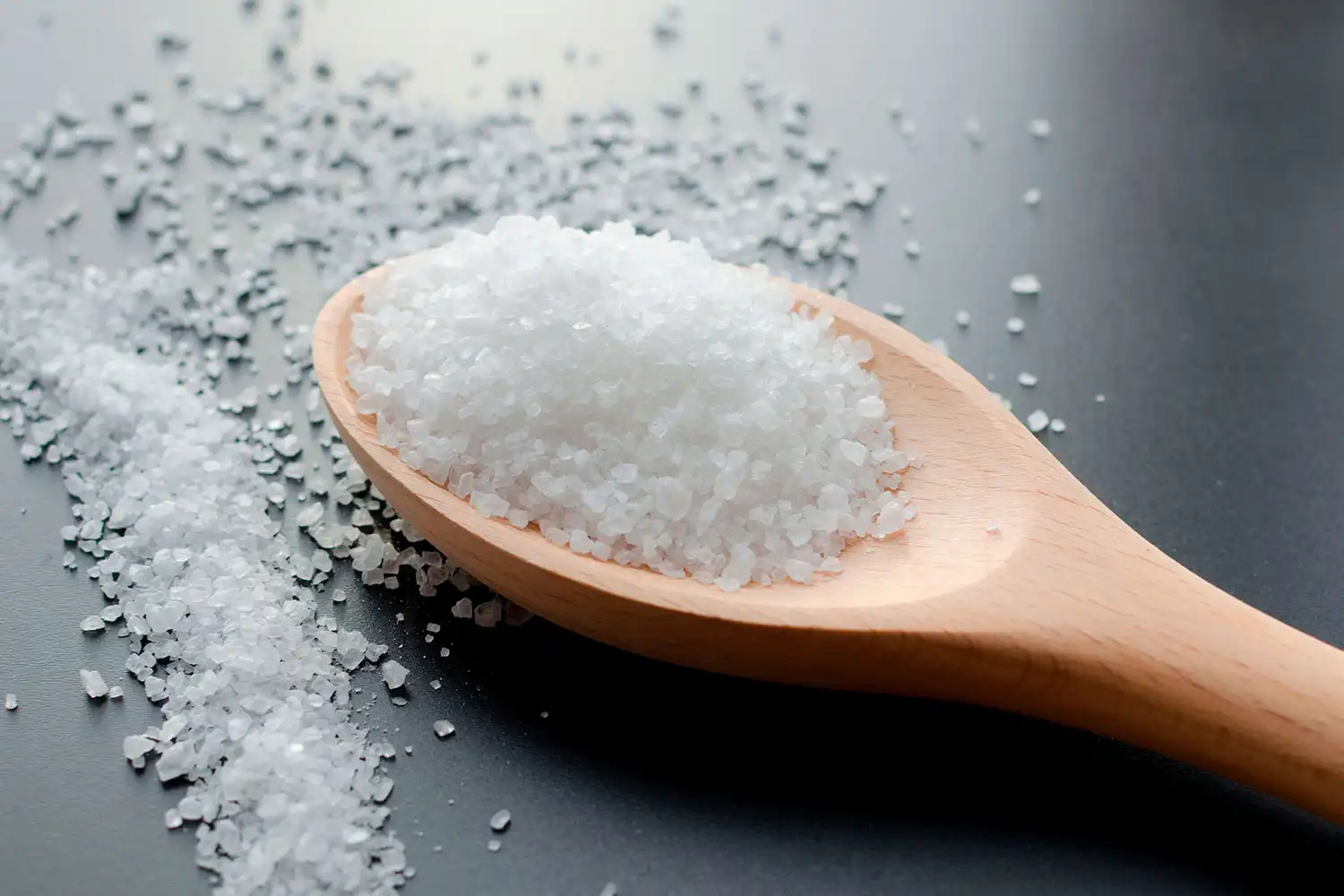
Understanding Sodium Saccharin Granular – Properties and Applications
Chemical Characteristics and Production Standards
Sodium Saccharin Granular (CAS 6155-57-3, 81-07-2) is very stable at high temperatures, keeping its shape up to 225°C. The granular form is easier to work with than the fine powder form. For example, it creates less dust during production and lets you control the rate of dissolving in formulation settings. We make Sodium Saccharin Granular at Avans NutriHealth Co., Ltd., and our purity levels always reach ≥99%. This is proven by high-performance liquid chromatography (HPLC) testing, which makes sure that impurity levels stay well below regulatory thresholds.
During the production process, precise crystallisation methods are used to control the particle size distribution. For normal granular forms, particle sizes range from 5 to 8 mesh, but finer sizes can be made upon request. This focus on physical properties has a direct effect on solubility—about 1g dissolves in 1.5ml of water—which makes it perfect for both wet blending in beverages and dry blending in dietary supplements.
Key Applications Across Industrial Sectors
This high-intensity sweetener can be used in a lot of different fields where cost-per-sweetness rates and following the rules come into play. In the pharmaceutical industry, it is the standard way to hide the bitter taste of active pharmaceutical ingredients (APIs) in syrups and chewable tablets for kids. It works well even in high-salt, high-moisture formulation environments where natural sugars would make the product less stable.
Sodium Saccharin Granular is used in fizzy soft drinks, energy drinks, baked goods, and sugar-free candies in the food and drink business. Because it doesn't break down or lose its sweetness when heated, it's especially useful for products that are going through heat-based processes like pasteurisation or baking. It's used in toothpaste and mouthwash by the cosmetics industry, and it's also used as a brightener in nickel plating baths by the electroplating industry. This shows that it has technical uses outside of food.
Manufacturers of animal feed use Sodium Saccharin Granular to make it taste better, especially in baby feeds where acceptance rates have a direct effect on how well the animals eat. This ability to be used in different industries is due to the ingredient's strong chemical profile and cost savings when produced in large quantities.
Safety Profile and Regulatory Standing
Sodium Saccharin Granular is safe for use in all markets around the world thanks to decades of chemical study and scrutiny by regulators. The ingredient is generally thought to be safe (GRAS) in the US, has been approved by the European Food Safety Authority (EFSA), and meets Codex Alimentarius guidelines. These regulatory approvals are based on thorough safety assessments that addressed concerns and were finally resolved through a lot of scientific review.
B2B buyers can safely include Sodium Saccharin Granular in products for diabetics because it has a glycaemic score of 0 and is not broken down by the body's metabolism. Because it is physiologically neutral and has a shelf life of more than five years in normal storage conditions, it is a good ingredient for products that need to be shipped across foreign markets over long periods of time.
Comparing Sodium Saccharin Granular with Other Sweeteners
Performance Characteristics Against Alternative Sweeteners
When procurement experts look at different sweetener choices, they need to think about more than just how sweet the food is. Sodium Saccharin Granular is more cost-effective than sucralose when used in large amounts, but in some cases, mixing both is necessary to get the best taste qualities. Aspartame breaks down in acidic environments and high-temperature situations, but Sodium Saccharin Granular stays stable down to pH 2 and through temperatures above 200°C.
Compared to stevia and monk fruit extracts, which are natural alternatives that people are increasingly choosing, Sodium Saccharin Granular has clear advantages when it comes to consistency of taste and supply chain reliability. Natural sweeteners often have different flavours from batch to batch, and they may have off-notes that come from plants that need to be covered up in a lot of different ways. Because Sodium Saccharin Granular is man-made, it is always the same from one production lot to the next. This is very important for brands that have to stick to strict taste standards across all of their global manufacturing sites.
The granular format solves the specific problems that come with handling fine powders, such as worries about air quality in the workplace and accurate dosing in automatic production lines. Granules move more steadily through volumetric feeds and don't clog up equipment as much as powders do, which cuts down on downtime in factory operations that go on all the time.
Cost-Benefit Analysis for Bulk Procurement
In terms of buying economics, Sodium Saccharin Granular is a great deal when you look at the cost-per-unit-of-sweetness. Natural sweeteners are more expensive because they are harder to get from farms. Sodium Saccharin Granular, on the other hand, is made in a lab, so its price stays fixed and it's always available, even when field yields change. This predictability in the supply chain is especially helpful for manufacturers with small profit margins, since changes in the cost of ingredients have a direct effect on their ability to make a profit.
To balance the performance of a formula with its ingredient claims, product developers are using combination strategies more and more. For example, Sodium Saccharin Granular is used as the main sweetener, and smaller amounts of natural alternatives are added to back up claims on the front of the package. This method finds the best cost structures while also taking into account what customers want. It shows how smart ingredient choice can meet different market needs.
Quality Assurance and Compliance for Global B2B Buyers
International Certification Standards
Our Sodium Saccharin Granular production at Avans NutriHealth Co., Ltd. follows a number of international quality standards. These include ISO system certification, HACCP, FSSC22000, HALAL, and KOSHER certifications. These credentials show that the company has strict quality control systems in place that make sure the raw materials are checked, the process is monitored, the finished products are tested, and there are ways to track them all. These systems meet the strictest legal requirements in North America, Europe, and the Middle East.
Each batch of products goes through strict scientific testing methods that go above and beyond what is required by law. In addition to standard purity tests, our quality control procedures include 'Loss on Drying' tests to make sure that dihydrate forms stay within 15% of the specification and 'Readily Carbonizable Substances' tests to make sure that there are no organic contaminants. Heavy metal tracking confirms that the amount of lead is less than 1ppm and the amount of arsenic is less than 3ppm. This meets the standards for food safety in all major regulatory areas.
Supplier Verification Best Practices
To lower the risk in the supply chain, business-to-business buyers should use structured supplier evaluation protocols that cover a range of verification factors. Ask for Certificates of Analysis (COA) for test runs that show they meet FCC (Food Chemical Codex) or USP standards. These papers should include tests to show that the solution is pure, impurity profiles that show o-toluenesulfonamide (OTS) levels are kept to less than 10ppm and p-toluenesulfonamide (PTS) levels are kept to less than 25ppm, and solution clarity tests that show there is no sediment or yellowing.
Supply chain openness includes more than just analysing data. It also includes how things are made and how well the quality system is developed. Reliable providers are happy to have their facilities inspected and keep a lot of records that make it easy to track products from the time they are made to the time they are shipped. This level of openness shows practical trust and a dedication to business relationships based on shared responsibility rather than transactional interactions.
Consistency over time in batch testing gives important information about how to control production. Ask for past COA data that covers more than one production run to look at trends of variation. Tough standard control across batches from the same supplier is a sign of advanced quality systems that can meet your formulation needs reliably over long-term supply relationships.
Procurement Guide: Buying Sodium Saccharin Granular in Bulk
Sourcing Channels and Supplier Selection
There are several ways for global business-to-business buyers to get Sodium Saccharin Granular, and each has its own benefits that depend on the needs of the company. Direct connections with manufacturers, like working with Avans NutriHealth Co., Ltd., offer the best prices, the ability to customise, and access to expert support. With the ability to make more than 1,000 tonnes of products every year, we can guarantee a steady supply even for big orders, and we're also flexible enough to meet unique needs.
When procurement workers look at possible sources, they should look at more than just unit price. Your ability to meet urgent orders and grow with your business depends on your manufacturing capacity and inventory positions. Logistics costs and lead times are affected by how close your suppliers are to your production facilities. A supplier's financial stability shows whether a partnership can work for long-term purchasing relationships.
The ability to provide technical support is what sets strategic partners apart from commodity suppliers. Suppliers who give help with formulation, help with regulatory paperwork, and application knowledge add value beyond the actual product. This is especially true when creating new formulas or entering regulatory markets that aren't familiar. Our dedicated research and development team at Avans works with clients to make sure that sweetener systems are working at their best in specific situations. We see ourselves as a problem-solving partner rather than just a supplier of ingredients.
Logistics and Storage Considerations
Sodium Saccharin Granular is very stable to store as long as it is kept in the right circumstances. The solid structure stops chemicals from breaking down and water from entering, so it can last longer than five years in sealed cases kept in cool, dry places out of direct sunlight. For a longer time, things will stay the same, which makes managing inventory easier and helps with strategic buying when prices are low.
Minimum order quantities (MOQ) are different for each supplier and can be anywhere from 500 kg to several tonnes, based on when the maker plans to make the goods. When negotiating MOQ terms, you have to weigh the costs of keeping inventory against the benefits of unit pricing and supply security. Buyers who are in charge of more than one recipe SKU may be able to get better terms by combining purchases across product lines and relying on total volume commitments instead of individual order sizes.
When transporting bulk products, the purity of the package and the right way to handle them to avoid contamination must be taken into account. Food-grade materials need to be stored separately during transport and in the building, and there needs to be proof that they are stored in a way that meets food safety shipping standards. By making these logistics duties clear when negotiating with suppliers, you can avoid mistakes that could hurt the quality of the ingredients or their compliance with regulations.
Maximizing Value: Why Choose Our Sodium Saccharin Granular Solutions?
Product Quality and Manufacturing Excellence
Avans NutriHealth Co., Ltd. stands out in the Sodium Saccharin Granular supply market because we blend modern manufacturing skills with customer-focused service methods. Our factories use cutting-edge crystallisation technology and process controls that make sure that each batch is the same. This is very important for brands that need to meet strict quality standards in markets around the world.
We are dedicated to quality throughout the whole production process, and our more than 100 skilled workshop workers bring a wealth of knowledge to every step of the process. With the help of advanced analysis instruments and quality management systems, along with this investment in human capital, we can find and fix possible quality differences before they affect customer operations.
Our many certificates, such as BRC, HALAL, KOSHER, and Organic, show that we are committed to meeting the needs of a wide range of markets and helping our customers reach their market entry goals. These aren't just compliance stickers; they're full-on practical pledges to a culture of food safety, tracking systems, and practices for constant improvement that keep your brand's image safe.
Comprehensive Technical Support and Partnership Approach
In addition to providing high-quality products, we see ourselves as partners who want your business to succeed. Our technical team gives formulation advice on how to improve taste, deal with problems related to processing stability, and meet regulatory documentation needs in various markets. This help is especially useful when changing the ingredients in existing products or making new ones, because the best sweetener systems have a direct effect on how well people like them and how much they cost.
We know that decisions about procurement affect a lot of people in R&D, quality assurance, regulatory affairs, and operations. Our approach to account management coordinates help across all of these points of contact, making sure that there is clear communication and quick problem-solving when questions or issues come up. This focus on partnerships changes supply relationships from one-way transactions to long-term partnerships that help both sides grow.
Customer reviews from well-known names in the food, nutrition, and pharmaceutical industries back up our operating skills and service reliability. These long-term relationships, some that go back many years, show that we keep our promises and change with our customers' needs as their businesses grow and market conditions change.
Conclusion
Choosing the right Sodium Saccharin Granular supplier is a strategic choice that affects the quality of the product, compliance with regulations, and the company's ability to compete in the market in many ways. This flexible sweetener has great thermal stability, known solubility qualities, and no effect on blood sugar levels. These technical features make it ideal for use in food, pharmaceutical, nutraceutical, and industrial formulations. Tough quality control rules, thorough foreign certifications, and open relationships with suppliers reduce the risks of buying things and make sure the integrity of ingredients all along the world's supply lines. When looking for Sodium Saccharin Granular, smart business buyers think about how the supplier can make the product, what technical help they offer, and how committed they are to a relationship, not just the price per unit. This thorough evaluation method finds providers that can help businesses reach their long-term goals by providing regular quality, ensuring a steady supply chain, and working together to solve problems.
FAQ
1. What distinguishes sodium saccharin granular from powder formats?
Sodium Saccharin Granular is easier to work with in factories because it doesn't dust as much, which makes the air quality better, and it flows more smoothly through automated feeding systems. Granules have a controlled particle size distribution that makes it possible to measure them accurately in both dry mixing and direct addition situations. Powders dissolve more quickly, but granules dissolve well enough for most uses and keep tools from getting dirty, and reduce the risk of cross-contamination during production runs that make more than one product.
2. How can buyers be sure that sodium saccharin is real and of good quality?
Trustworthy providers give Certificates of Analysis (COA) for every production batch. These show purity tests, impurity profiles, heavy metal content, and compliance with USP, BP, or FCC standards. These specifications can be confirmed by testing them in a separate lab, with a focus on HPLC analysis to check for purity and find specific impurities. Additionally, solution clarity tests and organoleptic evaluations are used to confirm the quality, and source facility checks are used to confirm the manufacturing practices and level of maturity of the quality system.
3. Is sodium saccharin suitable for all dietary preferences and restrictions?
Because it has no glycaemic index and doesn't turn into glucose in the body, Sodium Saccharin Granular can be used in a variety of food plans, including those that are good for diabetics. Products that are approved HALAL and KOSHER meet the nutritional needs of religious groups, and because it is man-made, it can be used in vegan formulations. People on low-sodium diets need to think about the sodium level, but the amounts used in most uses don't add much to daily sodium intake because the ingredient is so sweet.
Connect with Avans: Your Trusted Sodium Saccharin Granular Supplier
Avans NutriHealth Co., Ltd. is ready to help you buy Sodium Saccharin Granular by providing you with high-quality products, full certifications, and quick technical support that is tailored to your industry's needs. Our excellent manufacturing, which is backed by ISO, HACCP, FSSC22000, HALAL, and KOSHER certifications, guarantees consistent quality that meets the strictest legal standards in all areas around the world. Our large inventory levels allow us to fulfil orders quickly, and we can also make changes to meet the needs of specific applications. Email our team at Lillian@avansnutri.com to get product samples, talk about technical details, or find out how our Sodium Saccharin Granular solutions can help you reach your business goals and improve the performance of your formulations. As a well-known maker and provider that values partnership relationships over transactional ones, we give your business the quality guarantee, supply reliability, and teamwork support it needs.
References
1. Mitchell, H. (2021). Artificial Sweeteners in Food Technology: Chemistry, Applications and Regulatory Perspectives. Academic Food Science Publishers.
2. Gupta, R., & Chen, L. (2022). Quality Control and Analytical Methods for High-Intensity Sweeteners in Industrial Applications. Journal of Food Safety and Quality Assurance, 15(3), 178-195.
3. International Food Additives Council. (2020). Regulatory Status of Sodium Saccharin Across Global Markets: Compliance Guide for Food Manufacturers. IFAC Technical Publications.
4. Anderson, K. (2023). Sweetener Selection Strategies for Pharmaceutical and Nutraceutical Formulations. Industrial Pharmacy Quarterly, 28(2), 45-62.
5. World Health Organization & Food and Agriculture Organization. (2019). Evaluation of Certain Food Additives: Sodium Saccharin Safety Assessment. WHO Technical Report Series No. 1033.
6. Zhang, W., Thompson, M., & Rodriguez, A. (2022). Supply Chain Management for Food Ingredients: Best Practices in B2B Procurement. Global Trade Publishers.