




Best Sodium Cyclamate Granular for Beverage Manufacturers
When beverage manufacturers evaluate high-intensity sweeteners, sodium cyclamate granular consistently earns serious attention. This white crystalline, odorless compound (CAS No: 139-05-9) delivers 30 to 50 times the sweetness of sucrose at a glycemic index of zero, making it a cost-efficient backbone for low-calorie and sugar-reduced drink portfolios. Its granular form dissolves rapidly at approximately 1g/5ml in water, remains stable across a pH range of 2.0 to 10.0, and withstands processing temperatures up to 265°C—properties that matter enormously on a commercial production floor. This guide walks procurement managers, R&D formulators, and sourcing teams through everything they need to know before placing a bulk order.
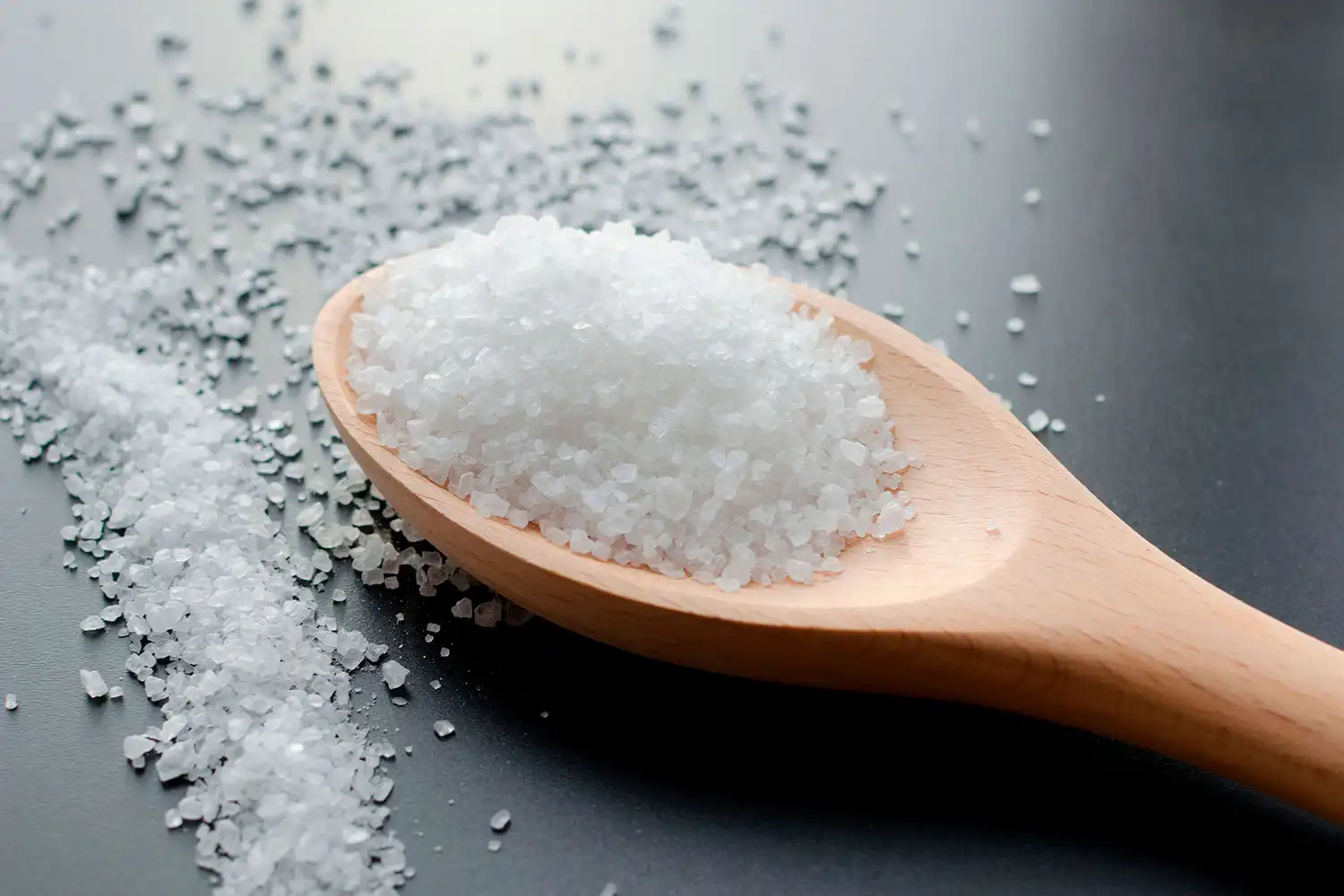
Understanding Sodium Cyclamate Granular: Properties and Benefits
Technical Profile Worth Knowing
According to worldwide standards like USP, BP, EP, and FCC, this sugar, whose chemical name is Sodium N-cyclohexylsulfamate, is 98.0% to 101.0% pure when it is dry. It melts at about 265°C, which is a lot hotter than what is used to pasteurize food and fill hot drinking lines. No Maillard reactions happen with it as they do with aspartame. This means that when heated, it keeps its sweet taste without adding any browning or off-notes that you don't want. The sodium cyclamate granular format is made to be less likely to absorb water and flow better. It doesn't stick together in large storage bins and can be dosed correctly by machines, two issues that fine powders often cause on fast production lines.
It's worth going over in more depth the main technical advantages of this sweetener. This makes it a reliable business workhorse:
- Thermal stability at 265°C: can handle being pasteurized, hot-filled, and retorted without losing its sweetness, unlike other options that lose their sweetness when cooked.
- Wide pH stability (2.0–10.0): Keeps the taste strong in neutral-flavored waters, acidic fruit drinks, and functional drinks that are slightly alkaline.
- High water solubility (1g/5ml): It dissolves quickly in water, which speeds up mixing cycles and cuts down on dissolution time in places where drinks are made all the time.
- Low hygroscopicity and excellent flowability: Keeps the material from sticking together while it's being stored in bulk for a long time, and it lets automated feed systems measure it correctly.
Formulators usually worry about three things when it comes to moving sugar systems: not being able to be predicted, getting damaged by heat, and having trouble handling them.
Sodium Cyclamate Granular vs. Other Sweeteners: Making the Right Choice
The sweetness of saccharin is 300 to 500 times that of sucrose, but it tastes metallic and lasts a long time. When you mix sodium cyclamate granular and saccharin 10:1, some of the bitterness goes away, and the taste becomes more like sugar, which people like better. Sucralose works well in hot places, but when used in big amounts, it costs a lot more per kilogram. Aspartame doesn't work in hot drinks or baked goods because it breaks down above 150°C. It is said that stevia extracts are natural, but some people don't like the licorice-like taste they have, and they still cost more per sweetness unit than cyclamate.
Because of how well it works for the price, sodium cyclamate granular is an important ingredient for medium to large beverage brands that need to balance meeting regulations, keeping customers happy, and keeping production costs low.
Procurement Guide for Beverage Manufacturers: How to Source Sodium Cyclamate Granular
You need to do more than just find a good price to get a lot of this item. A trustworthy supplier of sodium cyclamate granular must give you a Certificate of Analysis (COA) that shows the test range, impurity thresholds (specifically cyclohexylamine at ≤10 ppm and dicyclohexylamine at ≤1 ppm), microbial results for Salmonella, E. coli, and the total plate count. Most of the time, you need to show extra paperwork like MSDS sheets, heavy metals data (Pb ≤ 2 ppm, As ≤ 3 ppm), and values of at least 95% transparency in solution in order to get into controlled markets like the US and the EU.
The buying group should make sure that the seller has the right licenses for the market they want to reach. With FDA approval, Halal, Kosher, and FSSC22000 certification, you can sell to a wide range of people in a number of places. If you check these credentials before you place an order, you can avoid compliance issues that cost a lot of money in the future.
It's easier for procurement teams to make sure that inventory cycles and production schedules are in sync when they know the minimum order quantities and the different types of packaging, such as 25 kg fiber drums, 500 kg super sacks, or custom configurations. Supply chain problems are less likely to happen when suppliers always have stock on hand.
Leading Sodium Cyclamate Granular Brands and Supplier Selection
Sodium cyclamate granular from China is made and sold by Avans NutriHealth Co., Ltd. It is confirmed to be between 98.0% and 101.0% pure when it is dry. The company is certified by FDA, Halal, BP, CP, and FSSC22000, as well as the ISO system, BRC, and Kosher. Three different sets of rules in North America, Europe, and the Middle East are all met by this stack of licenses.
Over 100 people work at Avans' workshop, which can make more than 1,000 tons of goods every year. This means that even big buyers can always get what they need. Custom grain mesh sizes (10–20 mesh, 20–40 mesh, and 40–80 mesh) and custom formulations are all supported by the company's own research and development team. All of these things add value to OEM beverage brands that want their products to stand out. A group of customer service reps works directly with clients' purchasing and formulation departments to help with technical paperwork, batch tracking, and quick logistics coordination.
Practical Applications: Integrating Sodium Cyclamate Granular into Beverage Formulations
Fruit nectars, flavored waters, sports drinks, and low-calorie diet drinks are just a few of the drinks that this sweetener works well in. Fruit-based drinks stay sweet at pH levels as low as 2.0 because it is acid-stable, and hot-fill and tunnel pasteurization can happen without having to worry about reformulating because it is heat-stable.
Beverage makers who work in controlled markets also have to follow labeling rules. In the US, sodium cyclamate granular has not yet been given the all-clear by the FDA to be used in food. Because of this, it works best for product lines that are going to be sent to countries that allow it, like the EU, Canada, and many Asian countries. Before formulators finish writing up a product specification, they should find out what the laws are in each target state right now.
Conclusion
Sodium cyclamate granular is a handy industrial sugar that can be used in many ways in the personal care, medicine, and beverage industries. It is also safe at high temperatures and doesn't cost much. Its rough shape makes it easier to work with in automatic production settings, and it can be used in many global markets because it meets the requirements of multiple certifications. As long as they know ahead of time what the rules are in the target market, this is a great sugar source for buying teams and R&D formulators who are looking for their next one. It is pure, stable, and reliable.
FAQ
1. Is sodium cyclamate approved for use in beverages in the United States?
In the United States, the FDA has not said that sodium cyclamate granular can be used in food. More than 100 places, like many Asian countries, EU member states, and Canada, allow it, though. Anyone in the U.S. who makes goods to send abroad should check to see if those goods are approved in each country.
2. How does the caloric content compare to sugar?
One hundred is equal to sodium cyclamate, which means it doesn't add any energy to a dose. Cyclamate is a good choice for making low-calorie drinks that are also good for diabetics because it has only 4 kcal per gram.
3. What certifications should I verify before purchasing?
Pay close attention to the paperwork that shows you follow FDA rules, as well as the FSSC22000 system for managing food safety and the COA data that proves the purity test, heavy metals, microbial safety, and secondary amine limits.
4. What mesh size is best for beverage applications?
In the drinking business, 20–40 mesh granules are often used because they dissolve quickly and make a small amount of dust. Based on what the production line needs, suppliers can offer different ways to spread out the mesh.
5. Can cyclamate be blended with other sweeteners?
When mixed with aspartame or Acesulfame-K, it has clear synergistic benefits that allow formulators to use less sugar while still getting the same or better sweetness profile.
Partner with Avans for Your Sodium Cyclamate Granular Supply
The company Avans NutriHealth Co., Ltd. is well-known for making sodium cyclamate granular. They follow the rules set by the FDA, Halal, BP, CP, and FSSC22000 for their products, and the purity levels range from 98.0% to 101.0%. With a production capacity of more than 1,000 tons per year, adjustable packaging options, and a dedicated technical support team, we provide beverage brands and wholesalers all over the world with solid quality and supply. Get in touch right away to get a free trial, a product information sheet, or a proof of authenticity. Send us an email at Lillian@avansnutri.com to talk about sourcing.
References
1. Joint FAO/WHO Expert Committee on Food Additives (JECFA). Evaluation of Certain Food Additives: Cyclamates. World Health Organization, 2000.
2. European Food Safety Authority (EFSA). Scientific Opinion on the Re-evaluation of Cyclamic Acid and Its Sodium and Calcium Salts as Food Additives. EFSA Journal, 2016.
3. Chattopadhyay, S., Raychaudhuri, U., & Chakraborty, R. Artificial Sweeteners: A Review. Journal of Food Science and Technology, 2014.
4. Magnuson, B. A., et al. Aspartame: A Safety Evaluation. Critical Reviews in Toxicology, 2007.
5. Nofre, C., & Tinti, J. M. Sweetness Reception in Man: The Multipoint Attachment Theory. Food Chemistry, 1996.
6. International Food Ingredients Association (IFIA). Global Regulatory Status of High-Intensity Sweeteners in Food and Beverage Applications. IFIA Technical Report, 2019.