




Aluminium stearate powder Applications in Rubber and Paint
Aluminium stearate powder is a fine white powder, the aluminum salt of stearic acid. It is a functional releasing agent and lubricant in the manufacture of rubber, preventing the compound from caking during extrusion and molding. As a rheology modifier, matting agent, and anti-settling ingredient in paint formulas, it enhances the film texture and durability. Its thermal stability and hydrophobic surface chemistry are critical to both industrial sectors, and procurement teams are turning more and more to certified grades, in an effort to comply with the ever tighter regulatory and performance requirements.
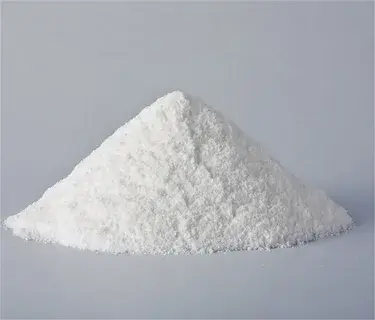
Understanding Aluminium Stearate Powder: Properties and Production
Chemical Identity and Physical Profile
When you mix three aluminum salts with octadecanoic acid, you get aluminum stearate (CAS 637-12-7). It looks like a fine white powder and feels like wax. Its melting point is between 115 and 145 °C, and it doesn't dissolve in water very well. It can spread out evenly in rubber mixtures and paint vehicles because it has a low density and a high specific surface area. This gives it even functional coverage at low use levels.
How It Differs from Other Metal Stearates
Calcium, magnesium, and zinc stearates have the same fatty acid structure, but their electrical and thermal characteristics are substantially different. The three-valent aluminum core generates stronger coordination bonds than its two-valent analogs , which leads to greater melt viscosity and superior thickening power in non-polar systems. Aluminum stearate is therefore the best option for formulators who need to build gel networks in solvent-based coatings or high anti-caking qualities in rubber compounding.
Purity Grades and Regulatory Compliance
Heavy metal limits and fatty acid purity ratios must be met by industrial-grade material. Avans NutriHealth Co., Ltd. makes aluminum stearate powder that meets the standards set by ISO, HACCP, FSSC22000, HALAL, FSC, and USDA. This is because they have a portfolio of multiple certifications that show they test their products thoroughly and make sure they follow international supply chain rules.
Core Applications in Rubber and Paint Industries
Thanks to its two useful properties—a hydrophobic surface and thermoplastic gel-forming behavior—the chemical is useful in two tough industry areas.
Role in Rubber Manufacturing
This metallic soap is added to the compound in the mixing process when rubber is prepared. It reduces the friction between the polymer chains and the metal surfaces of extruder barrels and mold cavities. This makes cycle times shorter and less energy is used. Studies in the polymer processing literature have shown that metallic aluminium stearate powder lubricants applied at concentrations from 0.5 to 2.0 phr may substantially decrease ejection forces and surface defect rates of natural rubber and synthetic elastomer compounds. Aluminum stearate is not only a lubricant but also prevents pre-mixed rubber batches from sticking together in storage. It ensures the flowability and dosing accuracy of automated lines.
Role in Solvent-Based and Waterborne Paints
Aluminum-based metallic soaps have been utilized by paint formulators for many years. It generates a gel network that retains pigment particles in suspension when used with alkyd, oil or solvent-based solutions. This prevents strong sediment and brush drag from occurring. It is used as a mattifying agent (by scattering light incident on the film surface) and a drying agent (by assisting in the acceleration of oxidative cross-linking of oil-modified binders). Adding metallic soap thickeners in a loading range of 0.5% to 3.0% to architectural and industrial maintenance coatings helps make the coatings less prone to sagging without modifying the gloss level of the coatings, as a study in the journal Progress in Organic Coatings finds.
This substance is a high-value, multi-task additive as it can operate in two separate fields. When procurement managers want to identify a single ingredient that enhances the performance of both product lines, they hunt for an inexpensive standard such as aluminum stearate.
Comparative Insights: Aluminium Stearate vs Other Stearates
It's not always easy to choose between stearate types, so a direct comparison shows where this substance shines.
Here are the main points of difference that you should look at:
- Aluminium stearate builds a firm, elastic gel in non-polar solvents, making it uniquely suited as a rheology modifier in oil-based paints and a robust lubricant in rubber. Its trivalent structure resists collapse under thermal stress far better than divalent alternatives.
- Calcium stearate offers excellent PVC stabilization and is water-dispersible, but its gel strength in hydrocarbon solvents is substantially lower, limiting its utility as a paint thickener.
- Zinc stearate excels as a mold release in thermoplastic processing and as a cosmetic slip agent, yet its regulatory profile in food-contact and certain pharmaceutical applications is more constrained.
- Magnesium stearate dominates oral solid dosage lubrication in pharma, where its hydrophobicity and low concentration are advantageous — but it lacks the gel-network capacity needed in paint formulations.
Because of these differences, buying leaders can match each material to its right use instead of treating them all the same. Choosing the right grade protects both the performance of the formulation and the cost of long-term supply.
Best Practices for Safe Use, Storage, and Handling
Safety at work and the integrity of materials rely on following set procedures exactly as they are written.
Safety and Regulatory Profile
Aluminium stearate powder is a low hazard material under standard working exposure guidelines. The inhalation hazard is mainly due to the resuspension of fine particles by handling in open bags or air movement. Engineering controls (i.e., local exhaust air flow, sealed transfer systems) reduce the quantity of dust in the air to below established limitations. It is a matter of course that anyone working with high volumes should always use NIOSH-approved respirators, safety eyewear, and anti-static gloves.
Storage Conditions and Packaging
Keep bags or containers closed and store in a cool, dry area (below 40 °C) away from direct sunshine and sources of moisture. High humidity accelerates hydrate formation. It may modify bulk density and reduce the effectiveness of paint systems in thickening. The original sealed package should be retained until it is time to utilize it. Avans supplies aluminum stearate powder in multi-layer, moisture-proof bags according to FSC and food safety requirements. These pouches keep the powder intact while it crosses international borders.
Procurement Guide for Aluminium Stearate Powder
There are more factors than just price that go into sourcing decisions, and a structured evaluation framework helps protect long-term supply resilience.
The most important things to look for in an aluminum stearate powder supplier are the ones below:
Wide Range of approvals: ISO, HACCP, FSSC22000, HALAL, and USDA approvals show strong quality systems and easy entry to controlled markets in North America, Europe, and the Middle East.
- Certification breadth: ISO, HACCP, FSSC22000, HALAL, and USDA certifications signal robust quality systems and open access to regulated markets in North America, Europe, and the Middle East.
- Production capacity and stock availability: Immediate inventory availability, like Avans's current in-stock status, eliminates lead-time risk during demand spikes and seasonal formulation cycles.
- Analytical documentation: Full Certificates of Analysis with batch-specific data on heavy metals, fatty-acid profile, loss on drying, and particle size are non-negotiable for regulated manufacturing environments.
- Technical support infrastructure: Pre-sales formulation guidance and post-sales troubleshooting support reduce integration time and protect production uptime — a factor that larger brand manufacturers weigh heavily during supplier qualification.
When you build a long-term connection with a certified maker instead of buying things on the spot, you can usually get better pricing information, priority handling during times of limited supply, and the chance to work together to create grades that are specifically made for your needs.
Conclusion
Aluminium stearate powder is a very valuable industrial ingredient, which is utilized in the creation of rubber compounds and paints. It’s something that formulators and procurement managers keep going back to since it can generate gels, is stable at high temperatures, and can be used as a lubricant, release agent, rheology modifier, and matting agent, among other things. Using a verified supplier with technical assistance reduces the risk of supply and ensures that all manufacturing batches behave the same. Manufacturing excellence requires that teams working in internationally regulated marketplaces engage with a manufacturer with the right qualifications for the target market.
FAQ
1. What concentration of aluminium stearate is typical in rubber compounding?
Standard loadings range from 0.5 to 2.0 phr (parts per hundred rubber), which rely on the target thickness of the product and the need for mold release. If the concentration is high, the rubber surface could bloom.
2. Can this additive be used in waterborne paint systems?
It works best in systems that are based on solvents, alkyds, or oils, where it can successfully form gel networks. To work with water-based systems, you need to use pre-dispersion methods, and the performance gains aren't as big as with special water-based rheology adjusters.
3. How do I verify batch consistency from a supplier?
Ask for Certificates of Analysis that list the fatty acid composition, the amount of moisture lost when dried, the heavy metal content, and the particle size distribution. Reliable companies that make aluminum stearate include this paperwork with every shipment.
4. Does HALAL certification affect performance specifications?
HALAL approval controls where the raw materials come from and how they are processed, but not how well the chemicals work in the end.
5. What distinguishes industrial-grade from cosmetic-grade material?
For industrial grades, gel strength and thermal behavior are more important than for beauty grades, which have tighter heavy-metal limits and sensory requirements. Before completing a buy order, you should always make sure that the grade is right for the job.
Partner with Avans for Certified Aluminium Stearate Powder Supply
Avans NutriHealth Co., Ltd. makes and sells high-quality aluminium stearate powder that has been certified by ISO, HACCP, FSSC22000, HALAL, and USDA. They also have stock available right away and offer full technical support. From testing samples to integrating them into full production, our expert team is there to help. Get in touch with us right away to get specs, a Certificate of Analysis, or a cheap quote that is based on the amount of your order. You can email our team at Lillian@avansnutri.com.
References
1. Progress in Organic Coatings — Elsevier, 2019
2. Rubber Chemistry and Technology — American Chemical Society, 2020
3. Industrial Lubrication and Tribology — Emerald Publishing, 2018
4. Journal of Coatings Technology and Research — Springer, 2021
5. Polymer Engineering & Science — Wiley, 2017
6. Paint and Coatings Industry Magazine — BNP Media, 2022