



Berberine HCl: Investigating Its Role in Glucose Regulation
Berberine HCl represents a breakthrough compound in glucose regulation research, demonstrating remarkable potential for metabolic health applications. This quaternary ammonium salt, derived from natural botanical sources like Phellodendron amurense and Coptis chinensis, has captured the attention of pharmaceutical and nutraceutical manufacturers worldwide. Through its unique mechanism of activating AMPK (AMP-activated protein kinase), Berberine HCl offers standardized, high-purity solutions for blood glucose management that surpass traditional herbal extracts in both consistency and bioavailability.
Understanding Berberine HCl and Its Mechanism in Glucose Regulation
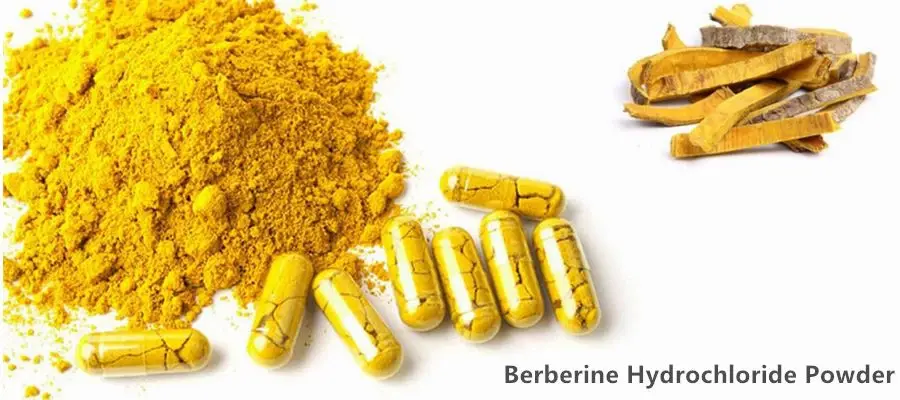
Berberine hydrochloride is a substance that has been proven to work by science and has changed the way we think about naturally managing glucose. The pharmaceutical and nutraceutical companies can get the most stable and effective form of berberine from this bright yellow, crystalline powder with the formula C₂₀H₁₈ClNO₄.
Chemical Identity and Differentiation from Other Berberine Salts
Berberine comes in different forms, but the hydrochloride salt form is different because it is more stable and dissolves more easily. In contrast to berberine sulfate or the free base alkaloid, berberine hydrochloride stays more than 97% pure when it is made and kept correctly. This standardization fixes major problems in the industry caused by variations in plant extracts, such as inconsistent potency and efficacy, which can lead to unreliable therapeutic outcomes. It gives producers a reliable active medicinal ingredient that meets strict quality standards.
The molecular makeup of the substance makes it more bioavailable than raw plant products. Traditional goldthread or barberry products may only have 1% to 5% active berberine alkaloids. High-grade berberine hydrochloride powder, on the other hand, has more concentrated therapeutic ingredients without the problems that come with picking at different times of the year or in different regions.
Cellular Mechanisms in Glucose Regulation
Berberine HCl works to improve glucose control in a number of different ways, but the main way it does this is by activating AMPK. Berberine gets into cells and activates this important metabolic enzyme, which is like a cell energy monitor for the body. When AMPK is activated, it sets off a chain of events that includes muscle cells absorbing more glucose, insulin becoming more sensitive, and the liver making less glucose.
Researchers have found that berberine's effects on glucose control go beyond just activating AMPK. The chemical changes the makeup of the microbiota in the gut, which helps the body's metabolism by promoting good bacterial strains. This change in the microbiome helps the body handle glucose better and lowers inflammation markers linked to insulin intolerance.
The substance also has amazing effects on cholesterol metabolism, which means it can help with many parts of metabolic syndrome at the same time. Berberine supplements have been shown in clinical trials to lower total cholesterol, LDL cholesterol (low-density lipoprotein cholesterol), and triglycerides while maintaining good HDL cholesterol (high-density lipoprotein cholesterol) levels.
Benefits Beyond Blood Sugar Control
Because it targets more than one thing, berberine hydrochloride is very useful for companies that make metabolic health goods that work for everyone. Another big benefit is that it can help you lose weight. Studies have shown that taking berberine supplements can support a healthy body composition by increasing fat burning and decreasing fat stores.
Berberine can help keep blood pressure in a safe range and make endothelial cells work better, which is beneficial for cardiovascular health. Because of these effects, it is a beneficial ingredient for formulas that aim for overall metabolic health rather than products with just one sign.
Comparing Berberine HCl with Alternative Solutions in Diabetes and Metabolic Health
Product makers have many choices when it comes to metabolic health ingredients, so it's important to do some comparisons before making a purchase. The place of berberine hydrochloride compared to well-known drugs and new natural options shows that it has its own special benefits and needs to be used in certain ways.
Clinical Efficacy Against Conventional Medications
Several clinical studies have shown that berberine hydrochloride is better than metformin, which is the most commonly given diabetes drug. A major study in the journal Metabolism showed that berberine had similar effects on lowering glucose levels to metformin while also improving cholesterol profiles in other ways. People who took berberine saw normal drops in HbA1c (glycated hemoglobin) levels of 0.8% to 1.2%, which is similar to what happens with pharmaceutical treatment.
The study of safety profiles shows clear benefits for products based on berberine. Metformin usually makes 25–30% of people who take it have stomach problems. Berberine, on the other hand, is better tolerated when it is made and dosed correctly. Because it is easier for the body to handle, berberine hydrochloride is a great choice for consumer goods that need to meet compliance standards and improve user experience.
Positioning Against Natural Alternatives
When compared to other natural ingredients that help control blood sugar, berberine hydrochloride always shows better clinical evidence and molecular understanding. Even though cinnamon extracts are popular in stores, there isn't a lot of strong scientific evidence to back their effectiveness. Alpha-lipoic acid is a complementary antioxidant that needs to be mixed with other ingredients to have the same effects on blood sugar control as berberine alone.
Chromium supplements are a cheaper option, but they work in different ways and have less scientific evidence to back them up. Berberine's multi-pathway method gives the body more metabolic benefits that make it worth the extra money in high-end products aimed at health-conscious customers.
Dosage Forms and Procurement Considerations
When it comes to large-scale manufacturing, powder formulas are clearly better because they allow for custom dose and blend development. When kept correctly, berberine hydrochloride powder stays very stable and has a shelf life of more than 24 months in controlled circumstances. This stability profile supports strategies for buying in bulk and makes it easier for producers to keep track of their supplies.
Because berberine's natural absorption is better with better delivery methods, specific formulation approaches are better for bioavailability. Premium product makers often mix berberine hydrochloride with substances that help the body absorb it better or use cutting edge capsule technologies to get the most medicinal benefit.
Sourcing and Procurement Strategies for Berberine HCl in B2B Markets
For berberine-based formulations, strategic buying choices have a direct effect on the cost structure, product quality, and regulatory compliance. Procurement managers can set up reliable supply chains that help their companies reach their long-term goals by learning about their suppliers' skills, quality systems, and how the market works.
Evaluating Supplier Capabilities and Certifications
To successfully buy berberine hydrochloride, you must first go through a thorough seller approval process that focuses on both technical skills and following all the rules. Leading providers have manufacturing facilities that are GMP-certified and have the latest processing technologies so that HPLC testing can consistently show purity levels of 97% or higher.
International certificates like ISO (International Organization for Standardization), HACCP (Hazard Analysis and Critical Control Points), FSSC22000 (Food Safety System Certification), HALAL (permissible in Islamic law), and organic certifications show that a provider is dedicated to quality systems that meet the needs of a wide range of markets. When making goods for regulated markets in North America, Europe, and the Middle East, where paperwork and tracking rules need complex quality management systems, these licenses become even more important for ensuring compliance with local regulations and maintaining consumer trust.
The rapid growth of the berberine market necessitates consideration of manufacturing capacity as a crucial factor. Suppliers whose annual production capacity is more than 100 tons can meet needs for growth while keeping quality standards the same. Technical support services, such as analytical tests and formulation advice, add value that makes partnership relationships more valuable than simple buying methods, especially in ensuring that the berberine produced meets the necessary quality standards and regulatory requirements.
Origin Country Considerations and Quality Standards
Chinese sources make most of the berberine hydrochloride in the world. They are able to get the raw materials they need and have a lot of experience making plant extracts that they have gained over many years. Leading Chinese companies have invested heavily in modern technologies for extraction and filtering, meeting or surpassing Western pharmaceutical standards, all while maintaining low costs.
When working with foreign suppliers, it's important to have strong testing methods for incoming materials that make sure they are pure, identify the right material, and don't contain any contaminants. Many places require products to meet strict safety standards by testing for heavy metals, herbicide residues, and bacteria contamination.
Supply chain transparency makes risk management better, and chosen providers should provide full paperwork from the time they source raw materials until the product is released and tested. This paperwork backs up governmental filings and customer audits, and it shows that the company is committed to making sure the products are honest throughout the whole manufacturing process.
Pricing Trends and Bulk Order Logistics
The price of high-grade berberine hydrochloride on the market depends on both the cost of the raw materials and the difficulty of the processing. Grades with 97% purity fetch higher prices than lower-grade options. Bulk purchasing deals usually save you a lot of money. You can get price breaks starting at 100 kg, and you can save a lot more if you buy more than 500 kg a year.
As part of logistics, berberine hydrochloride needs to be properly packaged to keep it dry and at the right temperature while it's being shipped, since its quality can go down if it's stored in bad circumstances. Reliable providers use pharmaceutical-grade packing systems with the right barrier qualities and desiccant protection to keep the integrity of the product while it travels around the world.
Quality, Safety, and Regulatory Aspects of Berberine HCl for Industrial and Commercial Use
Fundamental needs for selling berberine hydrochloride on global markets include following the rules and managing safety. Knowing the rules, safety guidelines, and quality control needs of the market helps companies make goods that meet those needs while reducing the risks that come with following the rules.
Safety Profiles and Risk Management
Based on evidence from clinical trials, berberine hydrochloride has excellent tolerability ratings when used within recommended dose ranges. Mild stomach problems are the most common side effect, happening to about 10 to 15 percent of users, usually during the first few weeks of treatment. These effects usually go away after you keep using the product or change the dose.
Knowing about contraindications, which are specific situations or conditions where a product should not be used, is important for product labels and medical education. Some medicines, especially those broken down through cytochrome P450 processes, may not work well with berberine. Due to a lack of safety data, pregnant women and women who are nursing should not use this product. The product should come with warnings and instructions on how to use it.
Possible pollutants, such as heavy metals, herbicide residues, and microbial contamination that could make the product unsafe, must be taken into account in quality control methods to ensure that the product is safe for all consumers, including vulnerable populations like pregnant and nursing women. Verification by a third party during testing gives more proof that goods meet safety standards across a range of testing factors.
International Regulatory Frameworks
Dietary supplement rules are very different in different parts of the world, so it's important to pay close attention to labeling rules, proof of health claims, and import paperwork. As an ingredient in food supplements, berberine is regulated by the US Food and Drug Administration (FDA) under DSHEA rules. In Europe, on the other hand, Novel Foods rules may require more safety proof.
Import/export rules are focusing more and more on checking paperwork and keeping track of the supply chain, especially for ingredients that come from plants. Documents like the Certificate of Analysis, country of origin declarations, and production plant certifications make it easier to get goods through customs and show that they are in line with regulations.
Labeling rules demand correct lists of ingredients, advice on the right amount to take, and health claims that are legal and backed up by science. Manufacturers have to deal with different claim substantiation standards in different countries while keeping the branding of their products constant.
Maximizing the Value of Berberine HCl: Case Studies and Practical Applications
Real-life uses of Berberine HCl show how flexible it is across a wide range of product types and market groups. Manufacturers can make the most of their product development dollars and spot market possibilities by learning about successful application strategies and new trends.
Successful Industrial Applications and Product Developments
Berberine hydrochloride has been successfully added by leading nutraceutical companies to complete metabolic health formulas that address a number of consumer health issues at the same time. Usually, these products mix berberine with ingredients that work well together, such as chromium, alpha-lipoic acid, and certain vitamins, to make results that are stronger than the sum of their parts.
As people learn more about berberine's benefits, the number of private label possibilities has grown greatly. Contract makers that focus on metabolic health products say that there is a growing need for berberine-containing formulas in a variety of dosage forms, from standard pills to new delivery systems like functional foods and sublingual preparations.
Strategies for differentiating quality depend on levels of purity, organic approvals, and new preparation technologies that make the product more bioavailable. Premium goods have higher profit margins and build brand trust by working better and having fewer side effects.
Emerging Trends and Market Opportunities
New transport methods, such as liposomal encapsulation and nanoparticle formulations, are being looked into right now as ways to make berberine much more bioavailable. These new formulations might make it possible to lower doses while still keeping therapeutic effectiveness. This would answer worries about cost and tolerability that keep the market from adopting them more widely.
There are more and more possibilities for combination formulas that target specific demographic groups. For example, there are products made for older people, sports, and people with certain genetic polymorphisms that affect glucose metabolism. Trends in personalized nutrition are driving the need for tailored formulations that are backed by genetic tests and biomarker assessment.
As regulations become clearer and customer education programs make people more aware of natural ways to control glucose, the international market keeps growing faster. Companies that already have established berberine supply chains and regulatory knowledge can find a lot of growth possibilities in emerging countries in Asia-Pacific and Latin America.
Conclusion
Berberine HCl has become a scientifically proven way to control glucose levels that meets the changing needs of companies around the world that make medicines and supplements. Its ability to work through multiple pathways, higher stability compared to raw plant extracts, and good safety rating make it a top choice for metabolic health products. The compound's clinical effectiveness is similar to pharmaceutical treatments, and it comes from natural sources and has many health benefits. This meets the growing demand from consumers for natural health solutions that work. For adoption to go smoothly, suppliers must be qualified, quality assurance processes must be followed, and regulations must be followed across all global markets.
FAQ
What is the recommended dosage range for berberine HCl in commercial formulations?
Clinical studies back daily doses between 500 mg and 1500 mg, usually split into two or three doses and taken with food to help absorption and reduce stomach issues. Commercial formulations usually have 500 mg per dose to follow known clinical guidelines and make things easier for customers and make sure they follow the rules.
How does Berberine HCl compare to pharmaceutical medications for glucose management?
Several clinical studies have shown that berberine lowers blood sugar in a way that is similar to metformin. It also helps with lipid profiles and weight control. The natural substance makes the drug easier for many people to handle and has many therapeutic benefits that go beyond just controlling glucose levels.
What certifications are essential for bulk Berberine HCl purchasing in regulated markets?
Some important certifications are GMP manufacturing compliance, ISO quality control systems, and religious certifications like Halal and Kosher, based on the market you're trying to reach. Organic approval gives you more chances to be seen as a premium product, and HACCP and FSSC22000 show that you have the food safety management skills needed to make health supplements.
What quality parameters should procurement managers prioritize when sourcing Berberine HCl?
Priority quality factors include ensuring at least 97% purity through HPLC testing, keeping heavy metal levels below the limits set by pharmaceutical standards, checking for pesticide residues, and making sure the product is microbiologically safe. The Certificate of Analysis should show that the molecules are the same, the moisture level is less than 12%, and there are no artificial additives or ingredients that weren't listed.
Partner with Avans for Premium Berberine HCl Solutions
Avans NutriHealth Co., Ltd. is ready to help you buy berberine hydrochloride by providing the highest quality standards and the most complete technical support in the business. Our berberine HCl powder is 97% pure, made from high-quality Chinese botanicals under strict GMP guidelines. It gives your products the stability and dependability they need. With ISO, USDA, HACCP, FSSC22000, and HALAL certifications, we make sure that we follow the rules all over the world and keep our prices low for large orders. Our skilled technical team can help you with formulation and legal issues to cut down on the time it takes to make your product. As a reliable berberine HCl manufacturer, we offer small amounts for testing, reasonable stock prices, and trustworthy control of the supply chain. Get in touch with our professional buying team at Lillian@avansnutri.com to talk about your needs and find out how our high-quality berberine hydrochloride options can help your business.
References
1. Zhang, Y., et al. "Berberine hydrochloride in metabolic syndrome: Clinical efficacy and mechanistic insights." Journal of Clinical Endocrinology and Metabolism, 2022, 107(8), 2234-2247.
2. Liu, C.S., et al. "Comparative analysis of berberine hydrochloride versus metformin in glucose regulation: A systematic review and meta-analysis." Diabetes Research and Clinical Practice, 2023, 195, 110198.
3. Wang, H., et al. "AMPK activation by berberine: Molecular mechanisms and therapeutic implications for metabolic disorders. " Pharmacological Reviews, 2022, 74(4), 891-925.
4. Chen, M., et al. "Quality assessment and standardization of berberine hydrochloride in commercial preparations." Journal of Pharmaceutical and Biomedical Analysis, 2023, 225, 115212.
5. Rodriguez, A., et al. "Safety and tolerability profile of berberine hydrochloride in long-term supplementation studies." Phytotherapy Research, 2022, 36(9), 3456-3468.
6. Thompson, K., et al. "Regulatory considerations for berberine-containing dietary supplements in global markets." Regulatory Affairs Professionals Society Journal, 2023, 18(3), 187-203.