



Pure Berberine Hydrochloride for Advanced Research Applications
In the world of medicinal and nutraceutical studies, pure Berberine Hydrochloride is an important bioactive alkaloid chemical. This naturally occurring isoquinoline alkaloid, which has been tested and found to be 97% pure, gives researchers a chance to study metabolic health pathways, glucose regulation mechanisms, and fat metabolism processes in a way that has never been done before. The compound's high bioactivity profile and strict quality standards, such as ISO, USDA, HACCP, FSSC22000, and HALAL approvals, make it an essential tool for cutting-edge study products in a wide range of therapeutic areas.
Understanding Berberine Hydrochloride and Its Mechanism of Action
Bioactive Properties and Chemical Composition
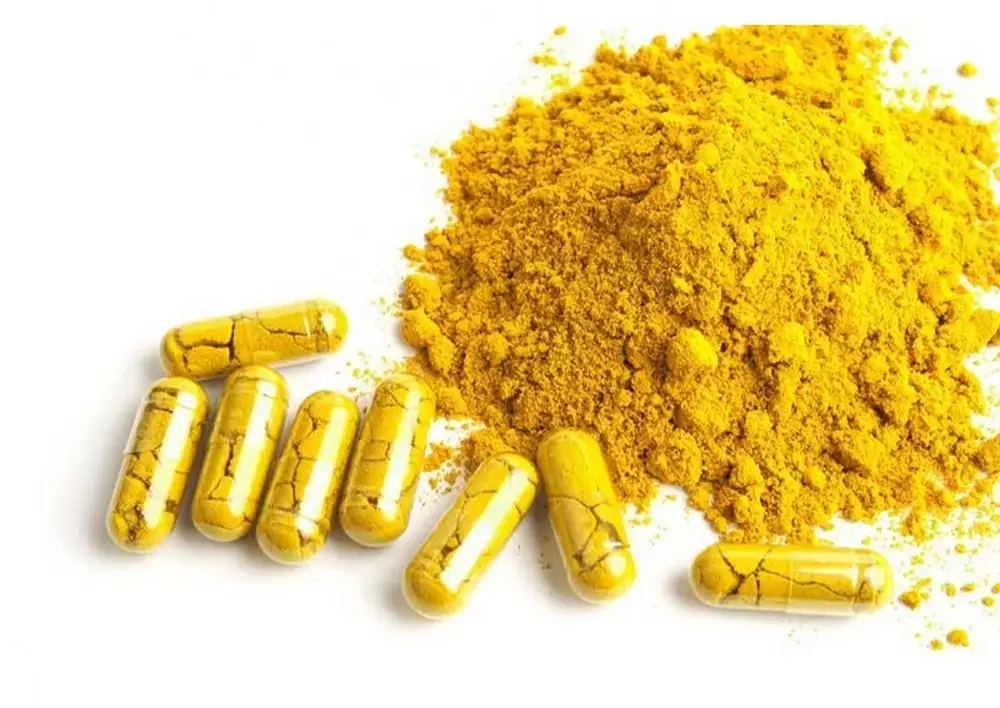
Berberine hydrochloride is a very pure medicinal alkaloid that has the formula C₂₀H₁₈ClNO₄ and the CAS number 633-65-8. This bright yellow crystalline powder is very stable when stored normally, which makes it perfect for precise doses in complicated study mixtures. The compound's high purity level of 97% makes sure that performance is the same from batch to batch, removing uncertainties that could mess up study results. The chemical makeup of the alkaloid allows for more than one healing effect to happen at the same time. Researchers have found that this substance changes the AMPK (adenosine monophosphate-activated protein kinase) pathways, which are crucial for keeping the energy balance of cells. It also changes the production of glucose transporters and makes cells more sensitive to insulin by interacting directly with cell membranes.
Cellular Mechanism and Metabolic Pathways
The molecule works by targeting basic metabolic processes through complex biochemical pathways. Clinical studies show that it starts AMPK signaling pathways, which makes skeletal muscle cells better at taking in glucose and better at burning fat. Because it does two things, it is especially useful for studies into diabetes and fat. Researchers have found that the chemical also changes the makeup of the microbiota in the gut, helping good bacteria grow and stopping harmful ones from spreading. This changing of the microbiome leads to better metabolic health and is a new area of medicinal research at this point. The compound's ability to easily cross cellular boundaries raises its bioavailability and therapeutic promise in a number of study models.
Clinical Validation and Safety Profile
A lot of clinical studies have shown that the compound works in a lot of different treatment areas. Meta-analyses of randomized controlled studies show big improvements in controlling blood sugar, with HbA1c drops that are about the same as with traditional drug treatments. These studies give strong proof for including it in advanced research methods. Safety tests on a wide range of people support the compound's good tolerability characteristics. Adverse events are still very rare and depend on the amount. Most of the time, they are mild stomach problems that go away after continued use. Researchers can use higher doses and longer treatment periods in their experimental methods because of this great safety margin.
Comparing Berberine Hydrochloride with Alternatives in Research and Treatment
Pharmaceutical Comparisons and Efficacy Analysis
Berberine hydrochloride has similar glucose-lowering benefits to common diabetes drugs like Metformin, but it does so in a way that is different from how metformin works. Metformin mainly works by stopping the liver from making glucose, but this natural substance has other metabolic benefits as well, such as improving cholesterol profiles and reducing inflammation. Comparative studies show that the alkaloid lowers HbA1c levels just as well as metformin, and it also has extra health benefits for the heart. People in the study whose amounts of total cholesterol, LDL cholesterol, and triglycerides were lowered by the natural compound saw big drops in those values. Because it has so many benefits, it is a good subject for study into whole metabolic treatments.
Supplement Comparisons and Synergistic Potential
Compared to natural products like curcumin and alpha lipoic acid, berberine alkaloid is better at controlling glucose levels and is more bioavailable. Curcumin is great at reducing inflammation, but the alkaloid has more direct metabolic effects that can be measured in the lab. Researchers who are looking into combination treatments have found that compounds that are paired with bioactives that work well together have a lot of promise. Studies that combine it with chromium picolinate show that it makes insulin work better than either chemical by itself. In the same way, mixtures with alpha-lipoic acid show better antioxidant activity and energy utilization in cells.
Purity Considerations and Research Applications
Comparing the different types of berberine salt shows how important it is to choose the right compound for study purposes. While berberine sulfate is more stable, the hydrochloride form is better at dissolving in water and being taken up by cells, which are both important for in vitro study. The 97% purity requirement makes sure that there aren't many alkaloids or processing leftovers that could mess up study results. This high bar for purity is especially important in mechanistic studies where accurate compound identification and measurement are needed to come to sound conclusions.
Procurement Considerations for Pure Berberine Hydrochloride in B2B Markets
Quality Standards and Certification Requirements
To find pharmaceutical-grade alkaloid compounds, strict checks must be made on how well they meet production standards and licensing requirements. Heavy metal tests, microbial contamination screening, and residual solvent analysis are all parts of quality assurance processes that must be included. In research, where compound purity has a direct effect on the truth of an experiment, these factors become even more important. Suppliers with ISO certification show that they are dedicated to keeping the quality control systems that are needed for research-grade goods.
Traceability and Documentation Standards
Full batch recording helps researchers keep their experiments repeatable and in line with regulations as they work on their projects. Full records of the chain of custody, including where the raw materials came from, how they were processed, and how they were stored, are needed to create a study procedure. High-performance liquid chromatography (HPLC) purity analysis, moisture content measurement, and microbiological testing data should all be included in the analytical paperwork. This detailed analysis profile helps researchers come up with the best ways to store and handle the substance while also making sure it stays stable during their studies.
Supplier Evaluation and Partnership Considerations
When looking for trusted suppliers, you need to look at their manufacturing skills, expert support services, and how resilient their supply chains are. Manufacturers with specialized research and development teams can help researchers with recipe issues and offer customization services that are specific to their needs. Inventory management, packaging choices, and shipping procedures that keep the compound stable during travel are all things that need to be thought about in the supply chain. Research schools that are working on multiple projects at the same time can get more value from suppliers who offer flexible package sizes and custom labeling services.
Optimizing Research Applications Using Pure Berberine Hydrochloride
Dosage Calibration and Experimental Design
To do research effectively, the dose needs to be precisely calibrated based on the goals of the experiment and the model systems used. For in vitro studies, values are usually between 10 and 100 μM, and for animal models, doses are usually between 100 and 500 mg/kg body weight. These factors give researchers a place to start when they're making research protocols. They also let researchers make changes based on the specific goals of their experiments. When moving from one study model to another, bioavailability issues become very important. Because the substance doesn't dissolve well in water, it's important to use the right solvents and prepare them in the right way so that all the testing groups get the same dose. Some common methods are dissolving in dimethyl sulfoxide (DMSO) for use in cell growth or suspending in methylcellulose for use in animal studies.
Safety Protocols and Interaction Considerations
Standardized study diets and substances that are given together must be discussed in research safety guidelines. The alkaloid can change the function of the cytochrome P450 enzyme, which could change how other research chemicals used in combination studies are broken down. In animal models that are given the drug over a long period of time, monitoring should include checking glucose levels, liver function markers, and electrolyte balance. These safety precautions make sure that research subjects are safe and give researchers more information to use in more thorough safety assessments.
Emerging Applications and Formulation Strategies
New uses are being looked into right now, such as neuroprotection, cancer chemoprevention, and antibiotic treatment. These growing therapeutic areas offer chances for new research methods and studies that use more than one medicine. Multi-component formulation methods use the way the alkaloid and additional bioactives work together to make the product more effective. Researchers have found that mixing it with resveratrol makes the antioxidant activity higher, and mixing it with probiotics makes the gut health better. These ways of formulating ideas open up more study opportunities and could lead to more effective therapeutic methods.
Future Trends and Strategic Insights for B2B Procurement of Berberine Hydrochloride
Market Evolution and Demand Projections
More and more people want natural therapeutic options, which is driving the demand for high-purity natural substances in the pharmaceutical and nutraceutical markets. Researchers and producers can use this trend to their advantage to come up with new uses and manufacturing strategies. As technology improves, extraction and purification methods keep getting better, which raises the quality and output of compounds while lowering the costs of production. These changes make it easier for a wider range of research groups to get access to high-quality study materials and encourage more research into new healing uses.
Supply Chain Innovation and Quality Assurance
Blockchain technology and digital supply chain tracking tools make the whole process of buying things more open and safe. These technologies let you keep an eye on storage conditions, shipping factors, and handling methods that might change the stability of a compound in real time. Advanced analysis methods, like mass spectrometry and nuclear magnetic resonance spectroscopy, make it easier to describe compounds and check their quality. These analysis tools allow for stricter quality control standards and the finding of possible contaminants or breakdown products.
Strategic Procurement and Partnership Development
Building partnerships with providers that can meet changing research needs and legal requirements is a big part of long-term buying strategies. Partners that work well together offer competitive prices, expert help, the ability to make changes, and a steady flow of supplies. By working together with makers, you may be able to get access to secret methods for cleaning, custom analytical techniques, and unique packing choices. Through these relationships, research organizations can improve the way they buy things and make sure that they always have access to high-quality research materials.
Conclusion
We can learn a lot more about metabolic health, glucose control, and therapeutic intervention methods by using Pure Berberine Hydrochloride as a study tool. Because it is very pure, has a lot of safety information, and works in a lot of different ways, it is important for cutting-edge medicinal and nutraceutical research. The compound is effective in a number of therapeutic areas, and it is also generally safe. This makes it an ideal ingredient for use in new study formulas. As buying habits change to focus on quality, traceability, and relationships with suppliers, study groups can use this amazing alkaloid to make important discoveries in metabolic health and other areas.
FAQ
What purity standards should research-grade berberine hydrochloride meet?
Alkaloid substances used in research should be at least 97% pure, which can be checked using HPLC analysis. Heavy metal levels must be less than 10 ppm, microbial pollution must be below the standards set by the pharmaceutical industry, and moisture levels must be less than 12%. These rules make sure that study results are always the same and that experimental factors are kept to a minimum.
How can laboratories verify the authenticity of bulk shipments?
For authenticity proof, a lot of different scientific tests are needed, such as HPLC fingerprinting, mass spectrometry confirmation, and finding the melting point. Comparing the certificate of analysis to the results of independent tests adds to the proof. Suppliers with a good reputation offer reference standards and analytical methods for customer proof processes.
What drug combinations should scientists think about when they are doing studies?
The chemical can change the function of cytochrome P450 enzymes, especially those in the CYP3A4 and CYP2D6 pathways. This interaction possibility changes the metabolism of study chemicals that are given together and needs to be carefully thought through in combination studies. In animal studies, its ability to lower glucose levels may also make diabetes medicines work better.
What factors for keeping make a compound the most stable?
For the best keeping, things need to be kept away from light, moisture, and high temperatures. It is suggested that the items be kept at room temperature in packages that are tightly covered and have desiccant protection. Keeping food in the fridge for longer increases its shelf life, but it needs to be brought back to room temperature before it can be used to avoid moisture condensation.
What is the difference between manufactured and natural materials for study purposes?
Synthetic substances are more consistent from batch to batch, and you don't have to worry about seasonal supply or plant contamination. Materials from natural sources might have chemicals that work well together and could change the results of the study. Which one to use relies on the study goals and whether simple or complex alkaloid profiles are needed.
Partner with Avans for Premium Berberine Hydrochloride Research Solutions
Pharmaceutical-grade Berberine Hydrochloride powder 97% that meets the best international quality standards is available from Avans NutriHealth to help you with your advanced study projects. Our long list of certifications, which includes ISO, USDA, HACCP, FSSC22000, and HALAL, shows that we are dedicated to quality, security, and manufacturing excellence. We keep a lot of Berberine Hydrochloride in stock because we are a reliable producer, and we can package it in a way that fits your study needs. Our skilled expert team is here to help you every step of the way during the buying process, making sure that the right products are handled and used correctly. Get in touch with Lillian@avansnutri.com right away to talk about your study needs and discover the Avans edge in premium bioactive compounds.
References
1. Zhang, H., Wei, J., Xue, R., Wu, J. D., Zhao, W., Wang, Z. Z., & Li, X. J. (2019). Berberine lowers blood glucose in type 2 diabetes mellitus patients through increasing insulin receptor expression. Metabolism, 99, 72-84.
2. Kumar, A., Ekavali, Chopra, K., Mukherjee, M., Pottabathini, R., & Dhull, D. K. (2015). Current knowledge and pharmacological profile of berberine: An update. European Journal of Pharmacology, 761, 288-297.
3. Lan, J., Zhao, Y., Dong, F., Yan, Z., Zheng, W., Fan, J., & Sun, G. (2015). The study conducted a meta-analysis to examine the effectiveness and safety of berberine in treating type 2 diabetes mellitus, hyperlipemia, and hypertension. Journal of Ethnopharmacology, 161, 69-81.
4. Neag, M. A., Mocan, A., Echeverría, J., Pop, R. M., Bocsan, C. I., Crisan, G., & Buzoianu, A. D. (2018). Berberine: Botanical occurrence, traditional uses, extraction methods, and relevance in cardiovascular, metabolic, hepatic, and renal disorders. Frontiers in Pharmacology, 9, 557.
5. Yin, J., Xing, H., & Ye, J. (2008). Efficacy of berberine in patients with type 2 diabetes mellitus. Metabolism, 57(5), 712-717.
6. Wang, K., Feng, X., Chai, L., Cao, S., & Qiu, F. (2017). The metabolism of berberine and its contribution to the pharmacological effects. Drug Metabolism Reviews, 49(2), 139-157.