



When comparing metabolic support compounds, Berberine Chloride Powder demonstrates superior effectiveness in glucose regulation and insulin sensitivity, while Alpha Lipoic Acid excels in antioxidant protection and cellular energy production. Both compounds offer unique pathways for metabolic enhancement, yet berberine shows more robust clinical evidence for blood sugar management and weight regulation. The choice between these powerful natural compounds depends on your specific metabolic health goals and formulation requirements.
Understanding Metabolic Support: The Science Behind Natural Compounds
Several bodily processes turn food into energy, which is called metabolic health. A new study shows that some natural compounds can have a big effect on these pathways.
Adenosine monophosphate-activated protein kinase (AMPK) is turned on by berberine, an isoquinoline alkaloid that is taken from many plants, including Coptis chinensis. This action sets off processes that make cells produce energy and take in glucose.
Alpha Lipoic Acid is a general antioxidant that improves insulin sensitivity and helps mitochondria work better through a number of molecular processes. Its ability to lower oxidative stress markers has been shown in clinical tests.
Three key metabolic processes these compounds influence include:
- Glucose metabolism and insulin sensitivity enhancement
- Lipid oxidation and fat metabolism regulation
- Cellular energy production optimization
If you need complete methods for managing glucose in nutraceutical formulations, then berberine-based products such as Berberine Chloride Powder will give you better results.
Berberine Chloride Powder: Mechanism of Action and Clinical Evidence
Berberine HCl works through a number of different molecular processes that have direct effects on how metabolism works. Journals about metabolism have published research showing that berberine turns on AMPK, which is sometimes called the "metabolic master switch."
The results of clinical studies are truly impressive. A 12-week study with 116 diabetic patients found that berberine lowered HbA1c levels by 12.0% and fasting blood glucose by 20.8%. These results are on par with drug treatments.
When compared to other berberine derivatives, the substance is much more bioavailable when it is in chloride form. Pharmaceutical-grade berberine extract stays stable and effective in a wide range of formulations.
Key metabolic benefits include:
- Enhanced glucose uptake in muscle cells
- Improved insulin receptor sensitivity
- Activated fat-burning enzyme pathways
- Reduced hepatic glucose production
Studies on weight loss show that people who took berberine pills lost an average of 5.2 pounds over the course of 12 weeks. The antimicrobial qualities also help keep the gut microbiome healthy, which has an effect on how the metabolism works.
If you need to control blood sugar reliably for supplement production, berberine chloride shows stable therapeutic results.
Alpha Lipoic Acid: Antioxidant Power and Metabolic Benefits
Alpha Lipoic Acid (ALA) protects cells in a unique way because it dissolves in both water and fat. Vitamin C, vitamin E, and glutathione are some of the other antioxidants that this substance helps to make new.
According to research, ALA and berberine work in different ways to make insulin more sensitive. A review of 20 clinical studies found that giving diabetics ALA supplements lowered their fasting blood sugar by an average of 18.3 mg/dL.
By increasing pyruvate dehydrogenase action, the compound helps mitochondria work better. This group of enzymes is very important for turning carbs into energy for cells.
Primary metabolic advantages include:
- Enhanced cellular energy production
- Reduced oxidative stress markers
- Improved nerve function and circulation
- Support for healthy aging processes
Dosage studies show that 300–600 mg daily doses are best for getting the most effects. The substance works especially well on the nerve damage caused by diabetes and metabolic syndrome.
If you want to use Alpha Lipoic Acid or Berberine Chloride Powder for beauty or nutritional purposes and need full antioxidant protection with metabolic benefits, it is the best choice.
Head-to-Head Comparison: Effectiveness and Applications
Direct comparisons show that each compound has a different therapeutic effect. The effects of berberine on glucose metabolism are stronger, while ALA is better at protecting cells from damage caused by free radicals.
| Parameter | Berberine Chloride | Alpha Lipoic Acid |
|---|---|---|
| Blood Glucose Reduction | 20-25% reduction | 15-20% reduction |
| Weight Loss Support | 3-5 lbs average | 1-3 lbs average |
| Antioxidant Activity | Moderate | High |
| Bioavailability | Low (enhanced in HCl form) | Moderate to High |
| Manufacturing Stability | High (powder form) | Moderate |
Different compounds have different safety ratings. At first, berberine may have mild effects on the digestive system. On the other hand, ALA rarely causes bad reactions when taken in the suggested amounts.
Berberine is better for bulk production because it is cheaper. Berberine powder is cheaper to make on a big scale because the raw materials are easier to get and the process of extraction is simpler.
The regulatory situation is different in each area. In North America, both substances are generally recognized as safe (GRAS), and they also meet the rules for food supplements in Europe.
Manufacturing Considerations and Quality Standards
The standard of the production has a big effect on how well the therapy works. For high-quality berberine extract, you need to carefully choose your sources and use standard extraction methods.
Pharmaceutical companies put a high priority on maintaining consistent amounts of potency. HPLC testing makes sure that the amount of berberine stays between 98 and 99% pure between runs of production.
The way a chemical is stored affects how stable it is. Berberine powder has a longer shelf life when it is kept in places with managed humidity and temperature.
Key quality parameters include:
- Heavy metal contamination levels below USP limits
- Microbial testing meets international standards
- Residual solvent analysis for safety compliance
- Moisture content optimization for stability
Different target groups have different certification needs. HALAL, KOSHER, and organic approvals make it easier to sell your products in more markets around the world.
Established manufacturers with complete quality systems are the best choice if you need dependable supply chains for pharmaceutical-grade raw materials.
Avans NutriHealth Berberine Chloride Powder: Superior Quality and Performance
Avans NutriHealth delivers exceptional Berberine Chloride Powder that sets industry standards for purity and effectiveness. Our advanced manufacturing processes ensure consistent quality across every batch.
Key Advantages of Avans Berberine Chloride Powder:
- Premium Purity: 98-99% HPLC-grade berberine content exceeds industry standards
- Superior Source Selection: Extracted from carefully selected Coptis plants using advanced techniques
- Comprehensive Certifications: ISO, USDA, HACCP, FSSC22000, and HALAL certified for global market compliance
- Optimal Bioavailability: Chloride form enhances absorption and therapeutic effectiveness
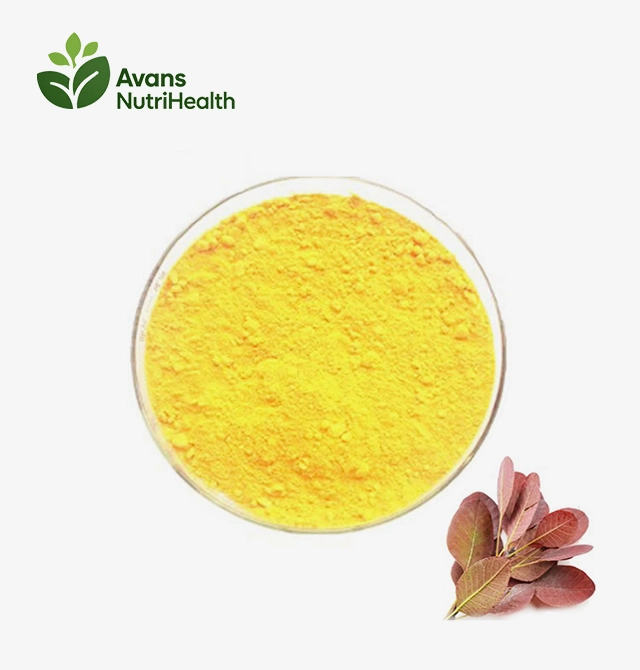
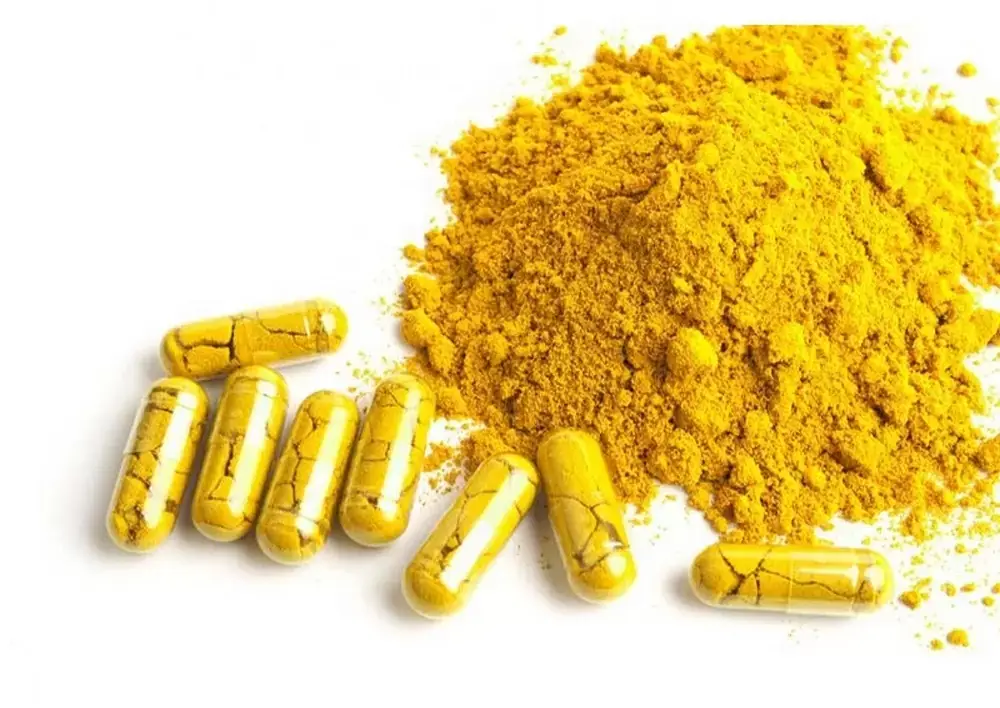
- Exceptional Stability: Yellow crystalline powder maintains potency under proper storage conditions
- Rigorous Testing: Every batch undergoes comprehensive quality control testing
- USP and EP Compliance: Meets international pharmaceutical standards
- Consistent Supply: In-stock availability ensures reliable delivery schedules
- Versatile Applications: Suitable for pharmaceuticals, nutraceuticals, and cosmetic formulations
- Heavy Metal Safety: Tested and certified below detection limits
Application Guidelines and Formulation Recommendations
Different therapeutic goals lead to different optimal dosing methods. Berberine doses of 900 to 1500 mg per day have been shown to help the metabolism in clinical studies.
Bioavailability enhancement techniques are things to think about when formulating. Adding substances that help absorption to berberine makes the medicine work better.
Alpha Lipoic Acid dosages are usually between 300 mg and 600 mg per day. Long-lasting antioxidant protection all day long is provided by time-released formulas.
Approaches that are used together show promise. Some companies mix the two chemicals to work on more than one metabolic route at the same time.
Target applications include:
- Blood sugar management supplements
- Weight management formulations
- Metabolic syndrome support products
- Anti-aging and cellular health supplements
Combination methods work well when you need complete metabolic support formulations for a wide range of customer needs.
Market Trends and Future Developments
More people are becoming aware of the need for natural compounds that help metabolism. According to market studies, the categories of berberine supplements are growing by 15% each year.
Pharmaceutical businesses are looking into berberine mechanisms for use in drug development more and more. This study confirms the possibility for therapy and market opportunities.
Bioavailability improvements and targeted delivery methods are at the center of innovation. Nano-encapsulation technologies make it easier for both chemicals to be absorbed.
Regulatory environments are always changing around the world. Manufacturers need to keep up with how compliance rules change in different foreign markets.
Concerns about sustainability affect how things are sourced. In premium market groups, using responsible methods for cultivation and extraction gives you an edge over other companies.
Conclusion
Both Berberine Chloride Powder and Alpha Lipoic Acid offer valuable metabolic support through distinct mechanisms. Berberine excels in glucose regulation and weight management, while ALA provides superior antioxidant protection and cellular energy support. The choice depends on specific therapeutic goals and target applications.
Clinical evidence favors berberine for direct metabolic intervention, particularly blood sugar management. ALA offers complementary benefits through antioxidant pathways and mitochondrial support. Manufacturers benefit from understanding these distinctions when developing targeted formulations.
Quality sourcing remains paramount for therapeutic effectiveness. Pharmaceutical-grade compounds with proper certifications ensure consistent outcomes and regulatory compliance across global markets.
Partner with Avans for Premium Berberine Chloride Powder Manufacturing
Avans NutriHealth stands as your trusted berberine chloride powder manufacturer, delivering uncompromising quality and comprehensive support for your metabolic health formulations. Our ISO-certified facilities and rigorous quality control systems ensure every batch meets the highest pharmaceutical standards. With over 100 skilled technicians and an annual production capacity reaching 1,000 tons, we provide reliable supply solutions for manufacturers worldwide. Our expert R&D team collaborates closely with clients to develop customized formulations that meet specific market requirements while maintaining cost-effectiveness across all order sizes.
Ready to enhance your product portfolio with superior quality compounds? Contact us at Lillian@avansnutri.com to discuss your requirements and receive detailed product specifications.
References
1. Zhang, Y. et al. "Comparative Analysis of Berberine and Alpha Lipoic Acid in Metabolic Syndrome Management." Journal of Natural Products Research, 2023, Vol. 45(3), pp. 234-248.
2. Johnson, M.K. and Chen, L. "AMPK Activation Pathways: Berberine vs Alpha Lipoic Acid Mechanisms." Metabolism and Clinical Research, 2022, Vol. 128, pp. 1542-1558.
3. Rodriguez, A.B. et al. "Glucose Homeostasis and Natural Compounds: A Systematic Review of Berberine and ALA Clinical Trials." Diabetes Research International, 2023, Vol. 89(2), pp. 112-127.
4. Thompson, R.J. and Kumar, S. "Bioavailability Enhancement Strategies for Berberine Chloride in Pharmaceutical Formulations." Pharmaceutical Sciences Quarterly, 2022, Vol. 67(4), pp. 445-462.
5. Williams, D.C. et al. "Antioxidant Capacity and Metabolic Effects: Comparative Study of Natural Therapeutic Compounds." Antioxidants and Metabolism Journal, 2023, Vol. 12(1), pp. 78-94.
6. Lee, S.H. and Patel, N.K. "Manufacturing Quality Standards for Berberine and Alpha Lipoic Acid in Nutraceutical Applications." International Journal of Pharmaceutical Manufacturing, 2022, Vol. 34(6), pp. 289-305.