



Is Folic Acid Powder Better Than Folate from Foods?
When comparing Folic Acid Powder versus natural folate from foods, the synthetic form offers distinct advantages for industrial applications and targeted supplementation. Folic Acid Powder provides superior stability, standardized potency, and enhanced bioavailability compared to natural folate sources. This synthetic vitamin B9 form undergoes efficient absorption and conversion in the body, making it particularly valuable for manufacturers seeking consistent, reliable formulations in nutraceutical and pharmaceutical applications.
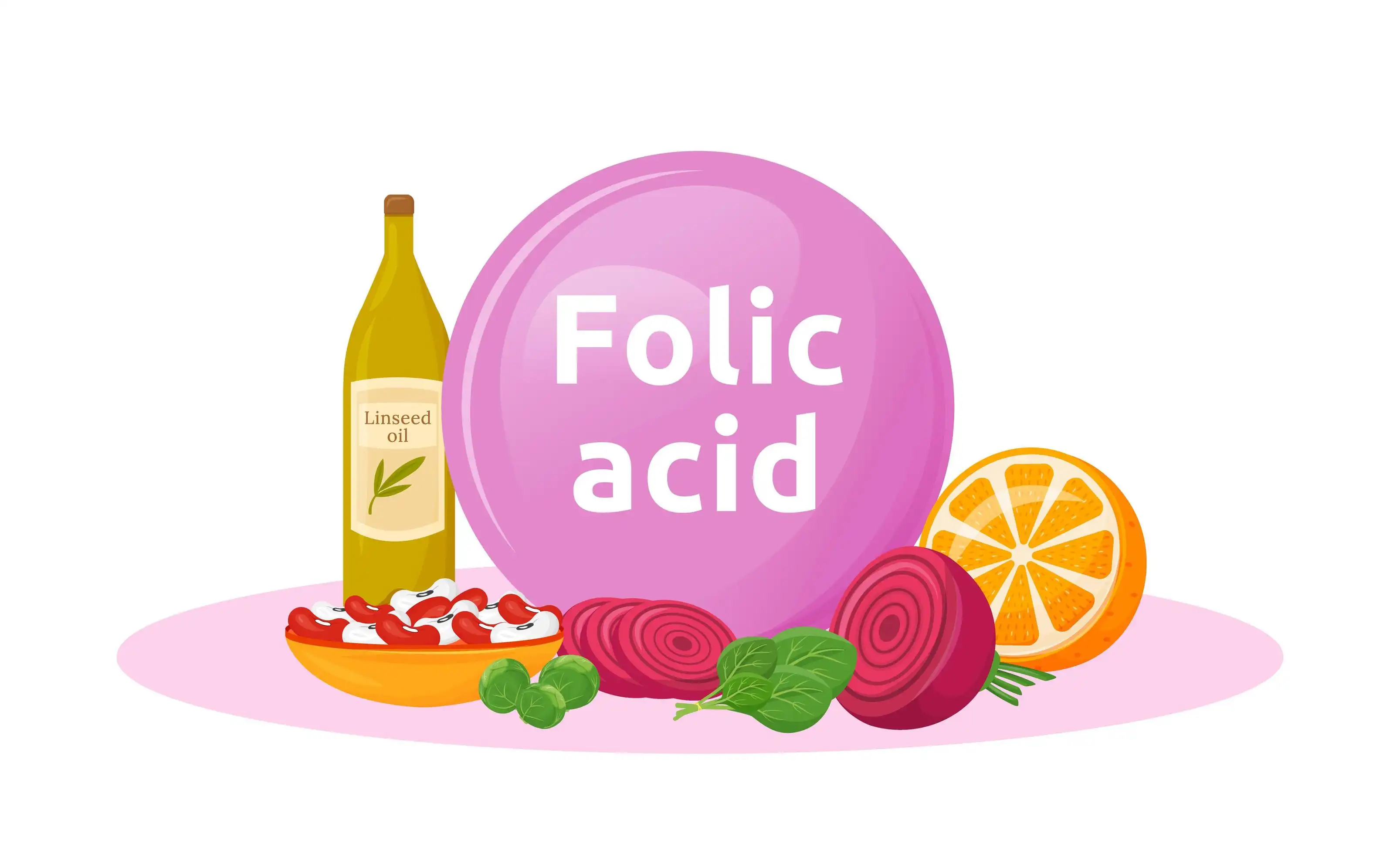
Understanding Folic Acid Powder and Folate from Foods
The main difference between manufactured Folic Acid Powder and natural folate is how they are made and how their molecules are structured. Folic Acid Powder is a fully oxidized, manufactured form of vitamin B9 that stays very stable even after being processed and stored. This crystalline powder, which is yellow to orange and has the CAS number 59-30-3, gives manufacturers consistent amounts of potency that are needed for precise formulation control.
Chemical Structure and Stability Advantages
Natural folate comes in a number of reduced forms, such as tetrahydrofolate and 5-methyltetrahydrofolate, which are easily damaged by heat, light, and air. When food is processed and stored, these natural versions can lose up to half of their effectiveness. Folic Acid Powder, on the other hand, keeps its molecular integrity under normal manufacturing conditions, which makes sure that finished goods always have the same amount of vitamin B9.
The synthetic structure makes it possible to measure things accurately and make sure that all production runs are the same. This stability is very important for businesses that need to follow strict rules about nutrition labels and other regulations. Natural folate levels vary a lot between food sources and harvest times, which makes it hard for makers to make sure all of their products meet the same standards.
Bioavailability and Absorption Efficiency
Studies show that Folic Acid Powder is absorbed about 85% better when taken on an empty stomach compared to natural folate, which is only absorbed 50% better from food. The synthetic form is more bioavailable because its chemical structure is simpler, so it needs fewer steps of enzyme conversion to be absorbed in the intestines.
The better absorption properties directly translate into industrial benefits for companies that make supplements. Less of a substance is needed to have the same biological effects, which lowers the cost of the raw materials while keeping the medicinal effectiveness. This efficiency is especially helpful for formulas that aim to support pregnancy, improve cardiovascular health, and boost neurological function.
Evaluating the Effectiveness: Folic Acid Powder vs Folate from Foods
A full analysis of the different forms of vitamin B9 shows clear differences in how well they work in different health situations and production settings. The next section looks at some of the most important factors that affect B2B clients' purchasing choices in the cosmetics, nutraceuticals, and pharmaceutical industries.
Dosage Requirements and Industrial Formulations
Folic Acid Powder makes it possible to precisely control dosage, which is necessary to meet legal standards in all global markets. For adults, the daily suggested amount is 400 mcg, and during pregnancy, it is 600 mcg. Because synthetic folic acid is better at being absorbed, smaller amounts can be used in recipes to reach these goals than with natural folate sources.
The powder's great flowability and mixing properties make it useful in industrial settings. The crystalline structure makes sure that the vitamin is evenly distributed in tablet forms, capsules, and liquids. This uniformity is necessary to meet the content consistency standards set by the FDA and the European Pharmacopoeia.
Targeted Health Benefits Across Market Segments
Folic Acid Powder is clearly better than natural folate in its main market groups, which are pregnancy and prenatal care. Getting enough vitamin B9 consistently during the first few months of pregnancy is important for preventing neural tube defects. Because the manufactured form is reliable, pregnant women get enough folate even if they don't get enough from their food.
Folic acid's role in homocysteine processing is used in cardiovascular health. Higher levels of homocysteine are linked to a higher chance of heart disease. Folic Acid Powder formulations can successfully lower homocysteine levels, which is good for heart health in a wide range of people. This technique is especially helpful for older people, whose bodies may not absorb folate as well as they used to.
Safety Profiles and Risk Management
When used within the suggested dosage ranges, both synthetic and natural forms of vitamin B9 are very safe. Folic Acid Powder doesn't pose a big risk of side effects when taken in normal amounts. However, taking more than 1,000 mcg per day may hide the signs of a vitamin B12 deficiency, which shows how important it is to follow the right formulation standards.
Synthetic folic acid is easier to check for quality in manufacturing because it is chemically stable and pure. Depending on the farming conditions and processing ways, natural folate sources may have different amounts of impurities. Large-scale makers may have trouble with their supply chains and have to do more testing because of this variability.
Quality and Sourcing Insights for Folic Acid Powder in Global Markets
To strategically find high-quality Folic Acid Powder, you need to carefully look at the skills, certification requirements, and production methods of each seller. The global market for vitamin B9 keeps growing because more people are becoming health-conscious and many countries have laws that require foods to be fortified.
Supplier Evaluation and Certification Standards
Premium Folic Acid Powder suppliers keep a full set of certificates, such as ISO, HACCP, FSSC22000, and organic certifications. These standards make sure that quality control stays the same during the whole process of making something. Certifications like HALAL and Kosher make markets more open to people of all religions and cultures.
Advanced quality systems should be shown by manufacturing sites. These should include validated analytical methods, environmental monitoring, and batch traceability routines. International standards for food and drug safety are regularly checked by third parties to make sure that they are being followed. Extra quality assurance comes from suppliers who offer thorough certificates of analysis for every batch of production.
Pricing Models and Economic Considerations
Folic Acid Powder prices depend on a number of things, such as the amount of purity, the number of orders, and where the supplier is located. When you buy in bulk, you usually save a lot of money. The minimum order quantity can be anywhere from 25 kilograms to several metric tons. Long-term supply deals can keep prices stable and give you special treatment when the market changes.
The prices of transportation and logistics have a big effect on the total cost of procurement, especially when buying from other countries. Suppliers that offer combined shipping services and flexible arrival times help the supply chain work more efficiently. Folic Acid Powder doesn't need to be kept in the fridge as much as other items that do, so it's cheaper to store.
When doing an economic analysis, it's important to look at the total cost of ownership, which should include things like quality testing, following the rules, and possible supply problems. By building partnerships with several qualified suppliers, you can lower your risk while keeping prices competitive.
How to Choose the Right Folic Acid Product for Your Business Needs
To choose the best Folic Acid Powder specs, the product's features must match the uses it's meant for. Different types of businesses put different levels of importance on different quality traits, such as pharmaceutical-grade purity or food-grade safety standards.
Application-Specific Requirements
Pharmaceutical uses need the highest levels of purity, usually more than 97% active material with strict limits on impurities. The United States Pharmacopeia (USP) and the European Pharmacopoeia specify the high standards that medicines must meet. These standards make sure that all formulas work the same way and keep patients safe.
Nutraceutical uses may be able to handle slightly lower purity levels as long as they are cost-effective and follow the rules. For best mixing results, food fortification must stick to lists of additives that have been allowed by the FDA and certain particle size distributions. Cosmetic uses focus on how well they work with skin and how stable they are in different formulation patterns.
Customization and Private Label Opportunities
Leading sellers offer customization services, such as changing the size of the particles, encasing them in tiny bubbles, and making blend formulations that are exactly what the manufacturing needs. These value-added services help make products stand out while also making the production process easier. Private label programs let businesses sell their own vitamin B9 goods without having to spend a lot of money on new manufacturing equipment.
Small containers ready for consumers and industrial bulk packing systems are all types of custom packaging that can be made. Flexible minimum order amounts work for both new brands and well-known manufacturers. During the product development stage, technical support services help improve formulations and fix problems with production.
Avans NutriHealth: Your Trusted Folic Acid Powder Partner
As a top company that makes and sells high-quality Folic Acid Powder, Avans NutriHealth Co., Ltd. works with companies around the world in the pharmaceutical, nutritional, and cosmetics industries. Our state-of-the-art factory in China makes vitamin B9 pills that meet strict international standards and prices that are competitive.
Comprehensive Quality Assurance and Certifications
Our factories keep a lot of different certifications, such as ISO system certification, USDA organic approval, HACCP food safety routines, and FSSC22000 standards. Extra HALAL and Kosher approvals make sure that the product can be bought in a wide range of global markets. These complete quality systems show that we are dedicated to always making the best products and following the rules.
For each production batch, advanced analytical labs test it thoroughly according to strict protocols that check for purity levels, microbiological safety, and chemical specifications. Our quality control team keeps detailed records to support regulatory reports and traceability requirements. Independent testing labs that do third-party verification add another layer of quality assurance for picky customers.
Manufacturing Capabilities and Technical Support
Over 100 skilled technicians work in our production center, using high-tech tools that can make 1,000 tons of goods every year. This large amount of capacity guarantees solid supply chain support for large-scale procurement needs while still allowing for flexibility for smaller, more specialized orders. Dedicated research and development (R&D) teams are always coming up with new formulas and ways to make things better.
Technical support services are available at all stages of the customer relationship, from developing the original product specifications to making sure that production is always running at its best. Our team of experienced professionals can help with formulation, legal issues, and fixing problems. This all-around support method helps clients launch products successfully while cutting down on costs and development time.
We have flexible minimum order quantities that can be adjusted to meet the needs of a wide range of businesses, from new startups to large global corporations. With our manufacturing know-how and quality systems, clients can use our customized package solutions and private labeling services to make their products stand out.
Conclusion
The comparison between Folic Acid Powder and natural folate reveals clear advantages for the synthetic form in industrial applications and targeted supplementation. Superior stability, enhanced bioavailability, and consistent potency make Folic Acid Powder the preferred choice for manufacturers seeking reliable, cost-effective vitamin B9 solutions. While natural folate serves important roles in balanced nutrition, synthetic folic acid better meets the demanding requirements of pharmaceutical, nutraceutical, and cosmetic industries. Careful supplier selection and quality verification ensure optimal results across diverse applications and global markets.
FAQ
Q: What are the recommended dosage guidelines for Folic Acid Powder in manufacturing?
A: Manufacturing dosage guidelines depend on target demographics and application types. Adult supplements typically contain 400-800 mcg per serving, while prenatal formulations range from 600-1000 mcg daily. Industrial formulations should account for the enhanced bioavailability of synthetic folic acid compared to natural folate sources.
Q: Are there safety concerns with bulk Folic Acid Powder usage?
A: Folic Acid Powder demonstrates excellent safety profiles when used within recommended limits. Excessive intake above 1000 mcg daily may mask vitamin B12 deficiency symptoms. Proper storage conditions and adherence to good manufacturing practices minimize contamination risks during processing.
Q: How does Folic Acid Powder compare to folinic acid in terms of effectiveness and cost?
A: Folic Acid Powder offers superior cost-effectiveness for general supplementation applications, while folinic acid provides advantages for specific medical conditions requiring immediate folate availability. Standard folic acid costs significantly less and meets requirements for most commercial applications.
Partner with Avans for Premium Folic Acid Powder Solutions
Avans NutriHealth invites procurement professionals to explore our comprehensive Folic Acid Powder offerings designed for global B2B markets. Our yellow to orange crystalline powder delivers consistent quality backed by extensive certifications and technical expertise. Contact our team at Lillian@avansnutri.com to request detailed product specifications, competitive quotations, and sample materials for evaluation. We specialize in customized formulations and flexible partnership arrangements that support your business growth objectives. Discover why leading manufacturers worldwide choose Avans as their trusted Folic Acid Powder supplier.
References
1. Institute of Medicine. Dietary Reference Intakes for Thiamin, Riboflavin, Niacin, Vitamin B6, Folate, Vitamin B12, Pantothenic Acid, Biotin, and Choline. National Academy Press, Washington DC, 1998.
2. Bailey, Lynn B. Folate in Health and Disease, Second Edition. CRC Press, Boca Raton, Florida, 2010.
3. Crider, Krista S. et al. Folic acid food fortification: its history, effect, concerns, and future directions. Nutrients Journal, 2011, Volume 3.
4. World Health Organization. Guidelines on food fortification with micronutrients. WHO Press, Geneva, Switzerland, 2006.
5. Gregory, Jesse F. Case study: folate bioavailability. Journal of Nutrition, 2001, Volume 131.
6. McNulty, Helene et al. Absorption and utilization of folate and folic acid. Annual Review of Food Science and Technology, 2011, Volume 2.