



Zeaxantin Powder vs Lutein: Which Is Better for Eyes?
When evaluating eye health ingredients for your product formulations, the choice between zeaxanthin powder and lutein often becomes a pivotal decision. Both carotenoids offer substantial benefits for ocular health, yet they serve distinct roles in protecting vision. Zeaxanthin powder excels in filtering harmful blue light and concentrates specifically in the central macula, while lutein provides broader retinal protection and anti-inflammatory benefits. The optimal choice depends on your target market's specific needs, formulation requirements, and cost considerations.
Understanding Zeaxanthin and Lutein: Key Nutritional Facts and Benefits
Carotenoids are becoming more and more recognized by the nutraceutical industry as important ingredients for complete eye health formulas. Zeaxanthin and lutein are both carotenoids from the xanthophyll family. They are naturally occurring pigments that build up in the eye's cells to protect them from oxidative damage and harmful light.
Natural Origins and Extraction Methods
Zeaxanthin extract powder is mostly made from marigold flowers (Tagetes erecta), which are extracted using complex methods. Firstly, the marigold raw material is ground up. Next, it is extracted to make marigold oil. Next, it is cleaned up to get zeaxanthin crystals. Finally, it is mixed to make the powder form. High levels of purity are guaranteed by this methodical process, and commercial preparations are available in concentrations of 5%, 10%, and 20%.
Lutein comes from plants that are related to lutein; it is mostly taken from marigold petals using similar methods. To keep the delicate chemical structure of these carotenoids, the temperature and solvents must be carefully controlled during the extraction process. Quality manufacturers follow strict rules to keep the product from oxidizing during processing. This makes sure that the end product has the best bioactivity possible.
Zeaxanthin's Specialized Functions
It's amazing how selective zeaxanthin is for the center macula. It forms the macular pigment with lutein. Compared to other xanthophylls, this carotenoid is better at blocking blue light, which makes it very useful for current digital eye strain formulations. According to research, taking zeaxanthin supplements can raise the amount of macular pigment by up to 38% after six months of regular use.
Zeaxanthin Powder is an antioxidant that does more than just get rid of free radicals. Studies show that Zeaxanthin Powder can stop lipid breakdown in retinal tissues, which protects photoreceptor cells from damage caused by oxidative stress. Zeaxanthin Powder also helps the brain process information by making it more sensitive to contrast and lessening the pain of glare.
Lutein's Comprehensive Retinal Support
By being found in many eye cells, lutein protects the retina in a wider range of ways. In contrast to zeaxanthin, which is mostly found in the center macula, lutein is spread out across the whole retina, protecting it from free radicals. Because it is found in a lot of different places, lutein is very good at stopping age-related retinal degeneration in its early stages.
Lutein has been shown in clinical studies to have anti-inflammatory qualities that help keep the blood vessels in the retina healthy and lower inflammatory markers linked to diabetic retinopathy. The compound also helps keep the tear film stable, which helps with the signs of dry eye syndrome that many people who use digital devices experience.
Zeaxanthin Powder vs Lutein: A Decision-Making Framework for Procurement
When procurement teams have to choose between these carotenoids for their formulas, they have to make tough choices. Knowing the subtle differences between quality markers, how well they work, and how much they cost lets you make smart buying decisions that meet market needs and government rules.
Quality Certifications and Purity Standards
High-quality zeaxanthin extract powder is certified by ISO, USDA Organic, HACCP, FSSC22000, and HALAL, which are all strict worldwide standards. These qualifications make sure that manufacturers are in line with the rules of many global markets and give manufacturers confidence when they are going after regulated industries. The CAS number 144-68-3 shows that the substance is pure zeaxanthin, which helps procurement departments make correct specification documents.
The amount of purity has a big effect on both how well something works and how much it costs. Higher concentration solutions (20% zeaxanthin) are better for formulation because they use less powder and make the manufacturing process easier. But 5–10% concentrations might be better for price-conscious markets because they are cheaper while still being useful for therapy.
Dosage Considerations and Safety Profiles
Zeaxanthin doses between 2 and 10 mg per day are beneficial for eye health. Higher amounts of lutein work best, usually between 10 and 20 mg per day. These variations in dosage have a direct effect on the costs of formulation and pill sizes, which in turn affect how well the product sells and how much it costs to make.
The safety profiles for both compounds show that they are well-tolerated, with few side effects seen in clinical tests. Long-term supplementation studies that lasted two years show that both carotenoids are safe at the suggested doses, which supports taking them every day.
Market Positioning and Consumer Preferences
People are more interested in tailored protection formulas now that they know the risks of blue light exposure. Because it blocks blue light better than other chemicals, zeaxanthin is a good ingredient for digital eye strain items aimed at younger people. On the other hand, older people who care about their eye health may be interested in lutein because it has been studied for a long time and has many health benefits.
Market study shows that combination formulations with both carotenoids could be positioned as premium products. This method takes advantage of synergistic benefits and meets a variety of consumer wants within a single product, which could lead to higher prices and higher profit margins.
How to Choose and Procure Zeaxanthin Powder or Lutein for Your Business
For procurement strategies to work, they need to take a close look at the skills, quality processes, and logistics of each supplier. Setting clear standards and procedures for quality control prevents variations in quality that could hurt the effectiveness of the product and the brand's image.
Defining Product Specifications
To do effective buying, you must first carefully create specifications that are in line with the applications that will be used. Think about whether your formulation is meant to address certain eye health issues, needs certain particle sizes to be compatible with manufacturing, or needs certain purity levels to meet legal requirements. To make sure quality is always the same, write down the standards for moisture content, microbiological limits, and heavy metals.
Storage and stability needs have a big impact on procurement choices. To keep its effectiveness, zeaxanthin powder needs to be kept away from light, heat, and air. Suppliers should give detailed stability data that shows how long something will last in different storage situations. This will help with accurate inventory planning and setting expiration dates.
Supplier Evaluation and Verification
Suppliers with a good reputation keep clear quality systems that include detailed records of the manufacturing process and testing procedures. Ask for certificates of analysis for the most recent production lots that show consistent quality standards and meeting set requirements. Check the supplier's audit records and certifications to make sure they can make the product and that their quality system works.
For continuous output schedules, supply chain reliability is very important. Check the production capacity, methods for getting raw materials, and inventory management systems of your suppliers to make sure that your products are always available. Geographic diversity may improve supply security, especially for high-volume uses that need to be sure of a steady supply of goods.
Pricing Structures and Commercial Terms
The price of zeaxanthin depends on how hard it is to extract and how pure it needs to be. Higher amounts command higher prices. Set clear pricing structures that take into account promises to buy a certain amount, payment terms, and protections against currency fluctuations. For specialized carotene preparations, the minimum order quantities are usually between 25 kg and 100 kg. To get the most out of your inventory purchases, you need to carefully predict demand.
When sending nutraceutical ingredients internationally, you need to keep them at a certain temperature and provide customs paperwork. To keep the quality from going down during transport, work with logistics partners who are skilled and know how to handle carotenoids.
Natural Sources and Alternatives: Expanding Your Product Portfolio
Getting carotenoids from a variety of sources and trying out new ways to remove them can give you a competitive edge and meet the changing needs of customers who want natural ingredients. Knowing where botanicals come from and the different ways they can be made allows for smart product development that follows market trends.
Botanical and Microalgae Sources
Marigold flowers are still the best commercial source for extracting both zeaxanthin and lutein because the quality is always the same and the supply chain is stable. But new methods for growing microalgae offer different ways to get food that might be better for the environment. Carotenoids that come from algae may appeal to people who care about the environment and allow production to happen all year, without being affected by farming cycles.
Another natural source of zeaxanthin is goji berries, though they give lower extraction rates than marigold sources. This plant-based source may help formulations that focus on traditional health ingredients and superfood connections get a premium placement.
Formulation Format Comparisons
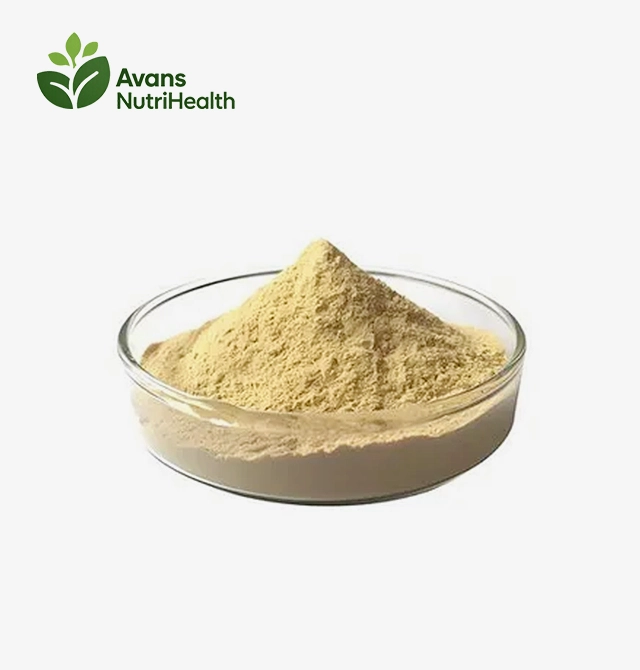
Powder forms give you the most options for a wide range of uses because they can be put into capsules, tablets, soft gels, and functional foods. The orange-yellow to orange-red color of zeaxanthin powder can be used as a natural colorant in some situations, but light-sensitive formulations need to be carefully thought through.
Microencapsulation technologies make things more stable and bioavailable while letting you control how they are released. The price of these advanced formulations is higher, but they may offer differentiation options for specific uses that need better absorption or longer action.
Innovation Opportunities and Market Trends
Combination formulas with several types of carotenoids and other nutrients that work well together are growing markets. When you mix zeaxanthin with omega-3 fatty acids, vitamin D, or plant extracts like bilberry, you get complete eye health treatments that work in more than one way.
New research on how carotenoids interact with each other shows that zeaxanthin and lutein work better together in certain amounts. These results support the creation of better formulations that provide the most protection while possibly lowering the amount of each element needed.
Premium Zeaxanthin Extract Solutions from Avans NutriHealth
Avans NutriHealth Co., Ltd. is a leader in the supply of carotenoids. They serve the global nutraceutical market by combining modern manufacturing skills with thorough quality systems. We offer zeaxanthin extract powder in concentrations of 5%, 10%, and 20%. All of these are made under strict quality controls and have a wide range of certifications, such as ISO, USDA, HACCP, FSSC22000, and HALAL approvals.
Our top-notch manufacturing comes from China's top-notch independent research and development, along with the work of over 100 skilled workshop workers and a production capacity of 1,000 tons per year. This large capacity guarantees a steady supply for customers ranging from new supplement brands to large global companies that need consistent, high-quality ingredients.
Our zeaxanthin extract is naturally pure, as shown by its orange-yellow to orange-red powder color. It is made through carefully controlled extraction processes that keep the bioactivity while getting higher stability profiles. We can quickly fulfill sample requests and commercial orders because we have a lot of stock on hand right now. This helps shorten the time it takes to create a new product.
Quality assurance includes more than just basic requirements. It also includes thorough testing procedures that check for safety, purity, and effectiveness. As part of our commitment to openness, we provide thorough certificates of analysis, stability data, and regulatory paperwork that make it easier for products to be registered in a wide range of foreign markets.
Our ingredient supply services are complemented by technical support services that give customers the formulation advice, regulatory help, and market information they need to make successful eye health products. Our experienced team works closely with R&D to make sure that the performance of ingredients is optimized while also meeting the needs of production and staying within budget.
Conclusion
The choice between zeaxanthin powder and lutein ultimately depends on specific formulation objectives, target demographics, and market positioning strategies. Zeaxanthin excels in blue light protection and central macular support, making it ideal for digital eye strain products and younger consumer segments. Lutein provides broader retinal protection with established research supporting age-related eye health benefits. Successful procurement requires careful evaluation of quality certifications, supplier capabilities, and commercial terms that align with business objectives. Both ingredients offer substantial opportunities for product differentiation and premium positioning within the rapidly expanding eye health supplement market.
FAQ
Q: What is the recommended dosage for zeaxanthin in eye health supplements?
A: Clinical studies support zeaxanthin dosages between 2-10mg daily for optimal eye health benefits. Most commercial formulations contain 2-4mg per serving, which provides effective macular pigment support without exceeding safety thresholds. Higher doses may be appropriate for specific populations with elevated blue light exposure or existing macular concerns, though consultation with healthcare professionals is recommended for doses exceeding 10mg daily.
Q: How do organic and synthetic zeaxanthin powders compare in terms of cost and efficacy?
A: Organic zeaxanthin extract powder typically costs 20-30% more than conventional preparations due to certified organic cultivation requirements and more complex supply chains. However, efficacy profiles remain comparable between organic and conventional sources when purity levels are equivalent. The choice often depends on target market preferences, with premium segments showing a strong preference for organic certifications despite higher costs.
Q: What storage conditions are required to maintain zeaxanthin powder stability?
A: Zeaxanthin powder requires storage in cool, dry conditions away from direct light exposure to maintain optimal stability. Recommended storage temperatures range from 2-8°C for long-term storage, though room temperature storage is acceptable for shorter periods when properly packaged. Moisture content should remain below 5%, and oxygen exposure should be minimized through appropriate packaging systems using nitrogen flushing or vacuum sealing.
Partner with Avans for Premium Zeaxanthin Powder Solutions
Ready to elevate your eye health formulations with premium carotenoid ingredients? Avans NutriHealth offers comprehensive zeaxanthin powder solutions backed by rigorous quality systems and global certifications. Our experienced team provides technical support from initial formulation through commercial production, ensuring optimal ingredient performance and regulatory compliance. Contact Lillian@avansnutri.com to discuss your specific requirements and request detailed product specifications. As a trusted zeaxanthin powder manufacturer, we're committed to supporting your product development success with reliable supply, competitive pricing, and exceptional service that drives lasting business partnerships.
References
1. Bone, R.A., Landrum, J.T., Mayne, S.T., Gomez, C.M., Tibor, S.E., and Twaroska, E.E. "Macular Pigment in Donor Eyes with and without AMD: A Case-Control Study." Investigative Ophthalmology & Visual Science 42(1): 235-240, 2001.
2. Richer, S., Stiles, W., Statkute, L., Pulido, J., Frankowski, J., Rudy, D., Pei, K., Tsipursky, M., and Nyland, J. "Double-Masked, Placebo-Controlled, Randomized Trial of Lutein and Antioxidant Supplementation in the Intervention of Atrophic Age-Related Macular Degeneration." American Journal of Ophthalmology 137(5): 822-831, 2004.
3. Stringham, J.M. and Hammond, B.R. "The Glare Hypothesis of Macular Pigment Function." Optometry and Vision Science 84(9): 859-864, 2007.
4. Yeum, K.J., Shang, F.M., Schalch, W.M., Russell, R.M., and Taylor, A. "Fat-Soluble Nutrient Concentrations in Different Layers of Human Cataractous Lens." Current Eye Research 19(6): 502-505, 1999.
5. Zeimer, M., Hense, H.W., Heimes, B., Austermann, U., Fobker, M., and Pauleikhoff, D. "The Macular Pigment: Short- and Intermediate-Term Changes of Macular Pigment Optical Density Following Supplementation with Lutein and Zeaxanthin and Co-antioxidants." Graefe's Archive for Clinical and Experimental Ophthalmology 247(12): 1661-1669, 2009.
6. Ma, L., Dou, H.L., Wu, Y.Q., Huang, Y.M., Huang, Y.B., Xu, X.R., Zou, Z.Y., and Lin, X.M. "Lutein and Zeaxanthin Intake and the Risk of Age-Related Macular Degeneration: A Systematic Review and Meta-Analysis." British Journal of Nutrition 107(3): 350-359, 2012.