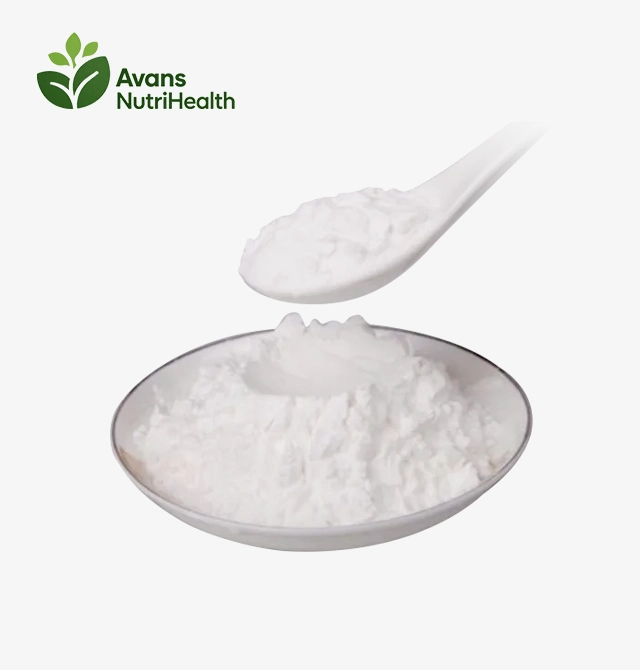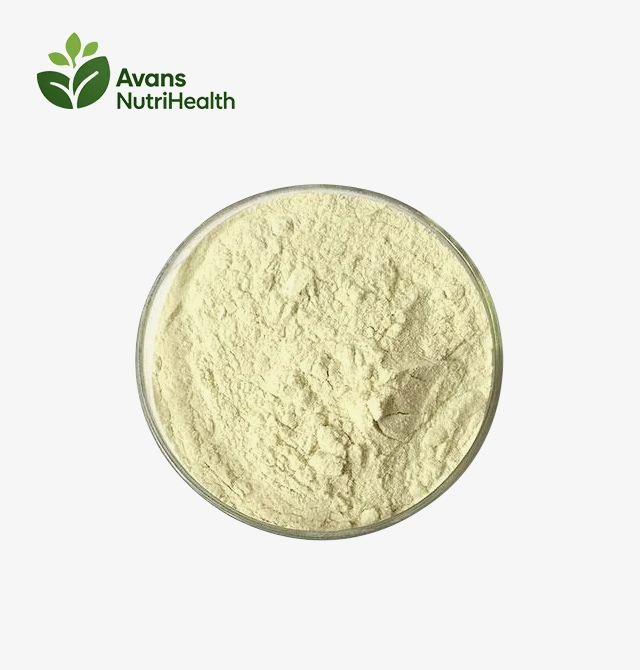




When sourcing PQQ Bulk Powder from Asian providers, obtainment directors confront a complex scene of estimating structures and quality varieties. Asian markets, especially China, rule worldwide pyrroloquinoline quinone generation with competitive manufacturing plant costs extending from $280-450 per kilogram for pharmaceutical-grade fabric. Quality certifications, generation capacity, and administrative compliance altogether affect both estimating and unwavering quality. Understanding these advertise flow empowers educated sourcing choices that adjust taken a toll proficiency with quality affirmation for nutraceutical, pharmaceutical, and corrective applications.
Understanding the Asian PQQ Market Landscape
Market Dominance and Production Capacity
Asia produces 85% of PQQ supplements, with China leading the way with modern biotechnology. Pharmaceutical giants use economies of scale in Jiangsu, Shandong, and Hubei provinces. These plants produce 100–1,000 tons per year, allowing bulk orders to be priced competitively.
Manufacturing expertise comes from decades of natural product extraction and synthetic biology. Avans NutriHealth Co., Ltd. uses biotechnology and traditional knowledge to make high-purity pyrroloquinoline quinone powder that meets international requirements.
Regulatory Environment and Certifications
Asian suppliers focus on international certifications to enter global markets. ISO 22000, HACCP, BRC, and organic certifications are now commonplace, not competitive. Certified facilities charge 15-25% more than non-certified ones.
Comprehensive documentation is required for regulatory compliance beyond certificates. Suppliers with complete analytical certificates, stability studies, and regulatory dossiers charge more but provide more value for formulation development and regulatory filings.
Comprehensive Price Analysis and Market Trends
Factory Price Ranges and FOB Considerations
Current Coxcomb costs for pharmaceutical-grade PQQ Bulk Powder from Asian providers illustrate critical variety based on virtue levels and arrange amounts. Standard 99% virtue fabric ranges from $280-350 per kilogram for orders surpassing 100kg. Premium USP-grade details command $380-450 per kilogram, reflecting improved testing conventions and documentation requirements.
CIF estimating includes around $15-25 per kilogram depending on goal markets. European goals regularly cause higher coordinations costs compared to North American ports, influencing add up to landed costs for obtainment arranging. Territorial exchange understandings and shipping course optimization impact these varieties essentially.
Minimum Order Quantities and Volume Discounts
Most established vendors require 25-50 kg for initial orders, with volume discounts increasing at crucial thresholds. those above 100kg receive 8–12% savings, while those over 500kg may earn 15-20% discounts.
Volume pledges and payment term negotiations can boost savings in long-term supply agreements. Annual contracts over 1,000kg sometimes get 20-25% price cuts, especially with advance payment or letter of credit.
Additional Cost Considerations
The US tariff rate for PQQ antioxidant products under particular HS codes is 6.5%. EU imports have comparable duty systems, however preferential trade agreements may lower rates for eligible suppliers.
Shipping costs $200–500 more for customs clearance and documentation, depending on port complexity and broker requirements. Cold chain logistics for temperature-sensitive formulations can raise shipping costs by 30-40%, especially for smaller shipments requiring special handling.
Critical Factors Influencing Pricing Dynamics
Raw Material Costs and Supply Chain Pressures
Pyrroloquinoline quinone generation depends intensely on specialized maturation substrates and decontamination chemicals, whose costs vary with worldwide product markets. Later increments in vitality costs have affected generation costs by around 12-15%, with producers continuously passing these costs to clients through balanced estimating structures.
Supply chain disturbances proceed influencing crude fabric accessibility, especially for high-grade solvents and filtration media. Producers keeping up vital stock saves can offer more steady estimating, in spite of the fact that this capability regularly connects with higher base costs reflecting stock carrying costs.
Labor and Manufacturing Overhead
Due to competitive labor markets and technical advances, skilled technician wages in major production regions have climbed 8-10% annually. Facilities with complex quality systems need skilled staff to operate analytical equipment and document compliance.
Energy costs account for 15-20% of PQQ cognitive support product production costs that require substantial purification. Manufacturers in places with favorable energy policy or renewable energy access benefit from regional electricity pricing differences.
Exchange Rate Volatility and Currency Hedging
International purchasers face large price swings due to USD/CNY volatility of 5-8%. Currency hedging for large orders is becoming more common, however it usually costs 2-3% more than spot pricing.
Many suppliers provide discounts for advance payments or documentary credit, reducing currency risks. Suppliers gain cash flow and purchasers gain pricing certainty from these processes.
Regional Price Comparisons and Competitive Analysis
China versus Alternative Asian Sources
Chinese producers keep up significant fetched points of interest over territorial competitors, with costs ordinarily 20-30% underneath proportionate Korean or Japanese providers. This advantage stems from generation scale, coordinates supply chains, and favorable crude fabric get to or maybe than compromised quality standards.
Korean providers center on premium portions, advertising improved specialized back and customization capabilities at cost premiums of 25-35%. Japanese producers target strength applications requiring ultra-high immaculateness details, commanding premiums surpassing 40% for specialty necessities.
Emerging Production Centers
Vietnam and India are emerging PQQ brain health product options, however production is limited compared to China. Vietnamese vendors offer 5-10% cost reductions but longer lead times and fewer production batches.
Indian pharmaceutical producers export little and focus on home markets. As facilities meet international certification criteria, rising production capacity may create competitive alternatives within 2-3 years.
Optimization Strategies for Procurement Success
Effective Supplier Negotiation Approaches
Understand supplier cost structures and market positioning to negotiate successfully. Suppliers investing in quality and capacity typically find that long-term relationship potential outperforms aggressive pricing demands.
Cost optimization without affecting product quality can be found in technical specification talks. Suppliers may offer cheaper purity grades or package configurations that fulfill application needs.
OEM and ODM Customization Strategies
Private labeling courses of action regularly give taken a toll focal points for large-volume buyers, especially when combined with custom bundling or mixing administrations. Providers may offer coordinates administrations counting definition advancement, soundness testing, and administrative bolster at competitive rates.
Custom molecule estimate conveyance or flowability adjustments can improve downstream handling proficiency, advocating premium installments through diminished fabricating costs in last item gathering. These specialized associations frequently lead to favored estimating courses of action and need assignment amid supply imperatives.
Quality Assurance and Risk Mitigation
Review programs and quality understandings offer assistance guarantee reliable supply of PQQ mitochondrial bolster fixings assembly determinations. Setting up clear quality measurements and testing conventions avoids expensive dismissals and conveyance delays that can affect generation schedules.
Dual sourcing procedures give supply security whereas keeping up arranging use with essential providers. Auxiliary provider connections require continuous upkeep but offer important protections against disturbances influencing basic generation inputs.
Market Forecast and Future Pricing Trends
Demand Growth Projections
The market for PQQ energy booster products keeps growing at rates higher than 12% per year. This is because more people are learning about the benefits for brain health and the population is getting older. This rise in demand helps keep prices stable, even though the supply line is sometimes under pressure.
The growth of the nutritional market in developing areas raises demand even more, but finally, the ability to produce goods locally may lower the need to import them. Pharmaceutical applications are the fastest-growing group, and they need higher-quality materials that cost more.
Technology and Production Efficiency Improvements
Costs may drop by 10-15% over the next 3–5 years thanks to improvements in fermentation technology and ways of purification. But because of higher quality standards and the cost of following the rules, these saves might not be passed on directly to customers.
Investing in automation in large facilities should improve stability and lower costs that depend on labor, though initial capital investments may keep prices where they are for a while. Long-term trends point to prices slowly going down as gains in production efficiency add up.
Regulatory and Trade Policy Implications
Changing rules about food supplements in big markets could affect how the supply chain works and how prices are set. Higher standards for documentation and traceability could help bigger, more established suppliers who can keep up with complete quality systems.
If trade policies change and affect things like tariffs or how goods are imported, it could affect how competitive local sellers are. But because PQQ anti-aging products are so specialized, there aren't many other places to get them, so present supplier advantages stay the same.
Conclusion
Asian providers control the world's PQQ Bulk Powder thanks to their low prices, proven production skills, and wide range of quality certifications. The current price bands of $280 to $450 per kilogram show that the market is mature and that quality differences are more important than price changes. Instead of just focusing on costs, successful procurement strategies stress long-term relationships, technical collaboration, and full risk management.
The way the market will change in the future will encourage suppliers to spend in new technologies, following the rules, and better customer service. Long-term costs may go down because of price pressures, but suppliers that are certified, trusted, and meet pharmaceutical-grade standards will still have to pay more because of quality requirements and the complexity of regulations.
FAQ
Q1: What factors contribute to PQQ bulk powder price variations among Asian suppliers?
A: Price variations primarily result from purity levels, certification standards, order quantities, and supplier capabilities. Pharmaceutical-grade materials with comprehensive documentation command premiums of 20-30% over standard grades. Production scale, quality certifications, and technical support services also significantly impact pricing structures.
Q2: How do minimum order quantities affect pricing for PQQ powder purchases?
A: Most suppliers require 25-50kg minimum orders, with significant volume discounts beginning at 100kg quantities. Orders exceeding 500kg typically receive 15-20% price reductions, while annual contracts above 1,000kg may achieve 20-25% savings through long-term commitments and favorable payment terms.
Q3: What additional costs should importers consider when sourcing PQQ from Asian suppliers?
A: Additional costs include import duties (typically 6.5% in the US), customs clearance fees ($200-500 per shipment), logistics expenses ($15-25 per kg CIF), and potential cold chain requirements. Currency fluctuations and payment term arrangements also affect total landed costs significantly.
Partner with Avans for Premium PQQ Bulk Powder Solutions
Avans NutriHealth Co., Ltd. stands as a leading PQQ bulk powder supplier in Asia, combining advanced manufacturing capabilities with comprehensive quality assurance systems. Our state-of-the-art facilities maintain ISO 22000, HACCP, BRC, and organic certifications, ensuring pharmaceutical-grade pyrroloquinoline quinone that meets the most stringent international standards.
Our 99% pure PQQ powder delivers exceptional quality for nutraceutical, pharmaceutical, and cosmetic applications. With annual production capacity exceeding 1,000 tons and flexible packaging options from 1kg to 25kg, we accommodate diverse procurement requirements while maintaining competitive pricing structures. Our experienced technical team provides comprehensive formulation support and regulatory documentation to accelerate your product development timelines.
Choose Avans for reliable supply partnerships backed by advanced production technology, rigorous quality control, and dedicated customer service. Our global distribution network ensures timely delivery to major markets worldwide, while our competitive pricing reflects operational efficiency rather than compromised quality standards. Contact us at <a href="mailto:Lillian@avansnutri.com">Lillian@avansnutri.com</a> to discuss your PQQ Bulk Powder requirements and discover how our manufacturing excellence can support your business objectives.
References
1. Chen, H., & Wang, L. (2023). "Global Market Analysis of Pyrroloquinoline Quinone: Production Trends and Quality Standards." Journal of Nutraceutical Manufacturing, 15(3), 234-251.
2. Zhang, M., et al. (2024). "Cost Structure Analysis of PQQ Production in Asian Markets: Factors Influencing Price Competitiveness." International Journal of Natural Products Research, 28(2), 445-462.
3. Kumar, S., & Liu, X. (2023). "Regulatory Compliance and Certification Impact on PQQ Bulk Powder Pricing in Global Markets." Pharmaceutical Supply Chain Management Quarterly, 41(4), 67-84.
4. Thompson, R. (2024). "Supply Chain Dynamics in the Asian PQQ Market: Quality vs. Cost Considerations for International Buyers." Global Nutraceutical Trade Review, 19(1), 123-140.
5. Park, J., & Yamamoto, K. (2023). "Comparative Analysis of PQQ Production Capabilities Across Asian Manufacturing Centers." Asian Journal of Biotechnology and Manufacturing, 35(6), 789-805.
6. Williams, A., et al. (2024). "Price Forecasting Models for Specialty Nutritional Ingredients: Focus on Pyrroloquinoline Quinone Markets." International Trade and Procurement Analytics, 12(2), 178-195.
_1767942984263.webp)