




Why OEM Curcumin Extract Powder Matters for Private Labels
If you are a procurement manager or product developer searching for a reliable ingredient to anchor your next private label launch, curcumin extract powder deserves serious attention. Derived from Curcuma longa rhizomes and standardized to a minimum of 95% total curcuminoids by HPLC, this concentrated botanical ingredient delivers measurable antioxidant and anti-inflammatory activity that raw turmeric root simply cannot match. Choosing an OEM route for this ingredient gives your brand formulation flexibility, regulatory compliance, and cost predictability—three factors that determine long-term shelf viability in the US, EU, and Middle Eastern markets.
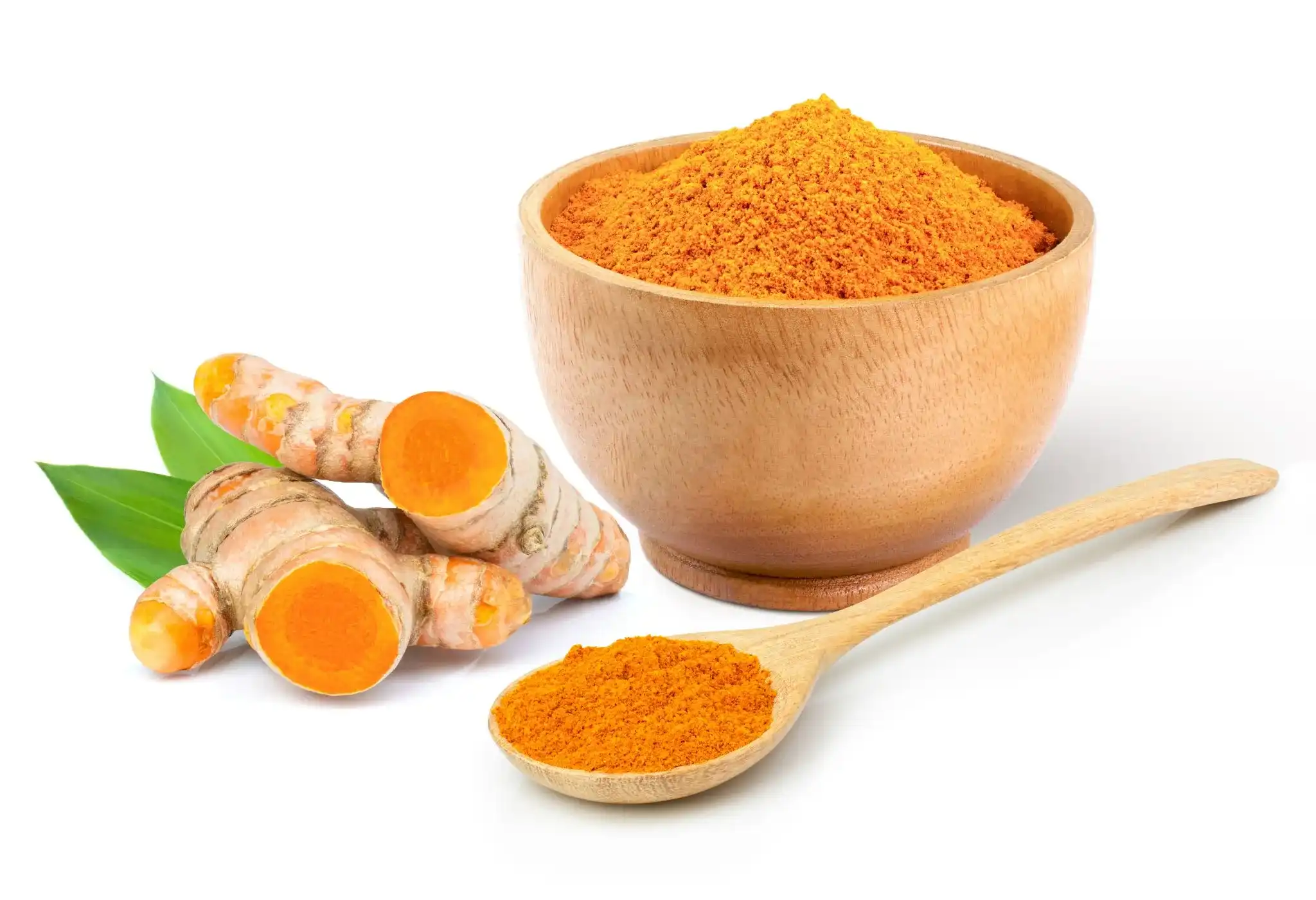
Understanding Curcumin Extract Powder and Its Market Potential
Grand View Research says that the world market for turmeric and curcumin was worth about USD 58.4 million in 2021 and will continue to grow at a CAGR of about 12.5% until 2028. There is strong evidence to support this movement. Studies in journals like Nutrients and the Journal of Medicinal Food have confirmed that curcumin can change NF-κB inflammation pathways and remove reactive oxygen species.
What Separates Extract from Raw Powder
Turmeric root powder that you buy in stores only has 2–3% curcuminoids in it. Professional-grade curcuma longa extract, on the other hand, is made to contain at least 95% curcuminoids by extracting them with a liquid and then crystallizing them. The process makes a fine orange-yellow powder with a freezing point close to 183°C and a concentration ratio of 30:1 to 50:1. This means that formulators can make therapeutic doses with a lot less bulk material, which is very helpful when making pills, tablets, or functional foods.
The Bioavailability Challenge Every Formulator Faces
Curcuminoids are lipophilic, which means they don't dissolve well in water. The problem is made worse by fast metabolic removal. Oral absorption stays low without help, no matter how pure the drug is. Because of this, choosing advanced delivery methods like piperine co-administration, liposomal encapsulation, or nanoparticle dispersion is not an extra that you can choose, but a fundamental choice that determines whether your finished product works as promised. If you know about this technical fact early on in the sourcing process, it will protect your brand from claims of effectiveness that can't be backed up.
Why Choose OEM Curcumin Extract Powder for Your Private Label
When brands buy generic white-label products, they have to stick to the same specifications and formulas. When you use OEM production, none of those limits apply at all.
When brands work with a skilled original equipment maker (OEM) turmeric curcumin extract powder manufacturer, they can get turmeric extract with different concentrations, particle sizes (usually 80–100 mesh), and versions with or without additives or piperine that fit their market positioning. A certified OEM partner keeps audit-ready records like certificates of analysis, heavy metal test results, and microbial limits data that meet FDA, EFSA, and Health Canada standards. This makes regulatory compliance easier to handle.
Here are the main benefits that private label nutrition brands always get from OEM agreements when they buy supplies:
- Specification ownership: You define the curcuminoid percentage, particle size, and excipient profile. The finished ingredient reflects your brand's performance standard rather than a commodity baseline, which directly supports label claim credibility during regulatory review.
- Certification alignment: Reputable OEM suppliers carry internationally recognized credentials such as HALAL, KOSHER, USDA Organic, ISO, HACCP, and FSSC22000. These certifications reduce your own compliance burden and accelerate market entry in regulated regions including the Middle East, North America, and Europe.
- Supply chain predictability: Bulk OEM contracts establish pricing tiers, lead time schedules, and minimum order quantities in advance. This protects procurement teams from commodity price volatility that frequently disrupts spot-buying strategies.
These benefits take care of the three biggest problems that come up when sourcing ingredients for private label products: inconsistent potency, regulatory exposure, and unpredictable landed costs.
How to Select the Right OEM Curcumin Extract Powder Supplier
Before sending out any RFQs, a structured seller evaluation method starts with setting quality standards that can't be changed. Before you talk about price, your standard sheet should include proof of purity through HPLC, proof of organic sources, and clear rules against using synthetic fillers.
Technical Capability Indicators to Evaluate
A reliable Curcuma root curcumin extract powder provider will have independent third-party lab tests, scalable production capacity (ideally more than 1,000 metric tons per year), and a specialized research and development team that can help with formulation optimization further down the line. A clear sign of operational transparency is when suppliers are ready for audits and are willing to let inspectors into the facility.
Red Flags Worth Recognizing Early
There is a big risk with suppliers who can't give you batch-to-batch HPLC data or who don't have certification paperwork that can be checked. The safety and effectiveness story your brand tells customers is harmed by curcuminoid assay results that aren't uniform across batches. Regulatory agencies in both the US and EU have also sent out import alerts for plant extracts that don't meet standards.
Optimizing Product Formulation and Market Position with OEM Curcumin Extract Powder
A good OEM partner is more than just a supplier of raw materials; they also work with you on technical issues. Avans NutriHealth Co., Ltd. works with more than 30 hospital research partners to make sure that our formulation advice is based on the latest clinical evidence.
For nutrition pills and tablets, curcumin extract powder needs to be granulated or mixed with other ingredients that work well with it to fix its naturally low bulk density and poor compressibility. When making softgels, mixing it with medium-chain triglyceride oil or sunflower lecithin makes it much easier for the body to absorb. Microencapsulation keeps the pigment from breaking down when used in functional foods like drinks, dairy, and sweets. It still does its job as the natural colorant E100.
Custom packaging that meets FDA marking requirements and local HALAL or KOSHER standards makes a private label product stand out even more on store shelves that are already full of products. When brands invest in formulation optimization at the OEM stage, customers are more likely to buy from them again, and they receive fewer returns due to quality issues.
Risks and Considerations When Procuring OEM Curcumin Extract Powder
This type of procurement risk is real and can be measured. In low-cost turmeric ingredient sources, synthetic colors have been found to be added without permission. Lead contamination levels above what the FDA considers to be unsafe have caused recalls of both food and supplement brands.
Three fields are at the heart of effective risk mitigation. Every batch that comes in should be checked against your standard sheet by a third-party lab that has been approved by you. Whether they are done in person or by a trained third party, supplier audit procedures make sure that facility standards are met before and during the supply relationship. To protect your brand if a quality problem gets to your production line, your contracts must spell out who is responsible for nonconformance, how to handle batch testing, and who is responsible for testing.
Planning logistics should get the same amount of attention. Curcumin extract is sensitive to light and alkaline environments, so it needs to be shipped in opaque, moisture-controlled containers, and the temperature must be carefully managed while it's in transit. Working with a supplier who knows how to handle international customs paperwork cuts down on delays in clearance that can throw off production schedules.
Conclusion
OEM curcumin extract powder gives private label brands a way to make goods that are unique, legal, and backed by science. The right OEM relationship can turn a common plant into a branded asset by providing standard 95% curcuminoid purity and formula support that improves bioavailability. The most important thing you can do in the product creation process is choose a provider with verified certifications, clear testing methods, and real R&D capabilities.
FAQ
1. What is the standard purity level for professional-grade curcumin extract?
Professional-grade Curcuma longa extract is tested to make sure it has at least 95% total curcuminoids. Curcumin, demethoxycurcumin, and bisdemethoxycurcumin are the three active chemicals in this. This level is mentioned in both the USP and EP monographs, and it is the standard that B2B buyers should look for in certificates of analysis from suppliers.
2. How does OEM curcumin extract differ from standard turmeric powder?
Curcuminoids make up 2–3% of regular turmeric root powder. OEM-grade extract has a concentration 30 to 50 times higher, which lets beneficial doses be delivered in a small, finished form. This difference is very important for people who make nutraceutical and pharmaceutical formulas because they have to back up label claims with active marker content that can be measured.
3. Does piperine really improve curcumin absorption?
Several clinical studies, one of which was reported in Planta Medica, showed that giving 20 mg of piperine along with curcumin improved the bioavailability of curcumin in the blood by 2,000% in humans. Piperine is a well-known and generally accepted way to formulate private label goods that are meant to reduce inflammation or support the joints.
4. What certifications should I require from my OEM supplier?
For markets with rules in the US, EU, and Middle East, purchasing teams should check at least HALAL, KOSHER, USDA Organic, ISO, HACCP, and FSSC22000 certifications. These credentials make it easier for you to follow the rules and help with market entry paperwork in more than one jurisdiction.
Partner with Avans for Premium Curcumin Extract Powder Supply
Since 2005, Avans NutriHealth Co., Ltd. has been making certified botanical extracts. They can make more than 1,000 tons of them every year and have credentials from HALAL, ISO, USDA, HACCP, and FSSC22000. As a reliable curcumin extract powder provider, we can create unique specifications, provide batch-tested COAs, and have products in stock so that you can place your order right away. You can email our team directly at Lillian@avansnutri.com to get samples and talk about your formulation needs.
References
1. Grand View Research. Turmeric Extracts Market Size, Share & Trends Analysis Report. 2022.
2. Hewlings, S. J., & Kalman, D. S. "Curcumin: A Review of Its Effects on Human Health." Foods, 2017.
3. Shoba, G., et al. "Influence of Piperine on the Pharmacokinetics of Curcumin in Animals and Human Volunteers." Planta Medica, 1998.
4. Anand, P., et al. "Bioavailability of Curcumin: Problems and Promises." Molecular Pharmaceutics, 2007.
5. Aggarwal, B. B., & Harikumar, K. B. "Potential Therapeutic Effects of Curcumin." International Journal of Biochemistry & Cell Biology, 2009.
6. European Food Safety Authority (EFSA). Scientific Opinion on the Re-evaluation of Curcumin (E 100) as a Food Additive. EFSA Journal, 2010.