




Why Is L-Carnitine Powder Popular in Sports Nutrition?
The explosive growth of L-Carnitine Powder in sports nutrition stems from its scientifically validated role in fatty acid metabolism and cellular energy production. As a quaternary ammonium compound synthesized naturally in the human body, it facilitates the transport of long-chain fatty acids into mitochondria—the cellular powerhouses—where they convert into usable ATP energy. This mechanism directly supports enhanced fat burning, improved endurance capacity, and accelerated post-exercise recovery, making it indispensable in modern athletic formulations. For B2B stakeholders in nutraceutical manufacturing, pharmaceutical development, and functional beverage production, this amino acid derivative represents not just a trending ingredient but a cornerstone of performance nutrition backed by decades of peer-reviewed research and clinical validation.
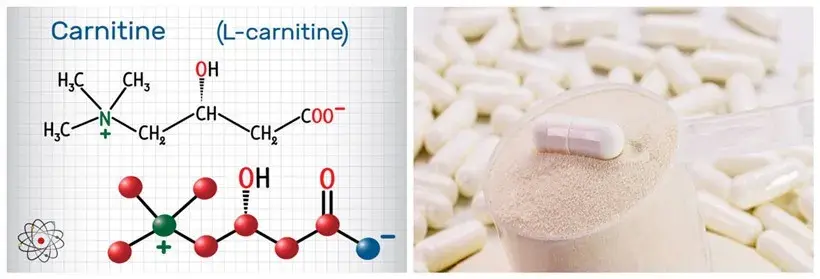
Understanding L-Carnitine Powder and Its Role in Sports Nutrition
The Biochemical Foundation of Energy Production
L-Carnitine works inside human cells as a biological shuttle system. When you work out, your muscles need to quickly get energy from fat stores. This chemical attaches to fatty acid molecules in the cytoplasm and forms acyl-carnitine complexes that pass through the mitochondrial membrane, which free fatty acids cannot get through. When these complexes get inside, they go through beta-oxidation, which makes acetyl-CoA units. These units power the Krebs cycle and make a lot of ATP. When there is not enough carnitine in the body, fatty acids build up in the areas between cells, which slows down metabolism and limits endurance potential. This molecular fact explains why supplementation is so helpful for runners whose bodies need a lot of energy.
Why Powder Form Dominates Industrial Formulations
In production settings, the powder version is clearly better than the enclosed or liquid versions. It dissolves easily in water (more than 200 grams per 100 milliliters at room temperature), so it can be easily added to ready-to-drink drinks, protein shake mixes, and pre-workout mixes. Avans NutriHealth sells pharmaceutical-grade material that looks like white crystalline powder and is as pure as 97–103% according to tests. It meets USP and EP pharmacopeial standards. This consistency lets formulators get accurate doses across batch processes while keeping costs low. Because L-Carnitine Powder has a higher molecular weight, it contains more active carnitine per gram than salt forms like L-Carnitine L-Tartrate. This means that pill sizes and inclusion rates in finished products can be reduced, which is an important thing for brands that want to make supplement facts panels as useful as possible.
Athletic Benefits Validated Through Clinical Evidence
Studies show that taking a daily supplement of 2 to 4 grams increases the rate at which fat is burned during moderate-intensity activity. In a study with trained riders, steady intake for six months led to an 11% increase in work output. Muscle soreness signs went down a lot in people who did strength training, which means they recovered faster between workouts. These results directly translate into product claims that appeal to target customers, such as bodybuilders who want to gain lean muscle mass, endurance athletes who want to improve their performance, and fitness fans who want to control their body composition. Because the compound's safety profile was established through thorough toxicological studies in several countries, manufacturers can enter a wide range of global markets with trust.
Why L-Carnitine Powder Is Preferred Over Other Forms in Sports Nutrition
Bioavailability and Absorption Dynamics
Comparative pharmacokinetic studies show that pure base L-Carnitine Powder reaches its highest plasma concentrations 3–4 hours after being taken, with bioavailability rates close to 15% to 20% of mouth amounts. Despite how small it may seem, this absorption profile is the same as or better than that of esterified versions when changes in molecular weight are taken into account. Since pure powder does not have any carrier structures or binding agents, it cannot get in the way of how the stomach absorbs nutrients. This is a feature that manufacturers of liquid supplements really like because it means the powder dissolves fully in acidic pH environments, which is a problem that some salt products have when they are heated up to make drinks.
Economic Advantages in Bulk Production
A study of costs shows strong economic reasons for buying powder for medium to large-sized businesses. The compressed form of the material cuts down on the amount that needs to be shipped and stored. Avans NutriHealth keeps more than 1,000 tons of goods on hand all the time, which makes sure that the supply chain is reliable even when demand goes up. Our pricing systems allow for flexible minimum order numbers, which works for both new names testing the market and established companies increasing production runs. The powder has a long shelf life under controlled conditions—it stays steady for 24 months in sealed, moisture-controlled spaces. This means that less is wasted because it goes bad, and supports lean inventory management.
Certification Standards Driving Supplier Selection
Verification by a third party is now a must in all B2B purchasing choices. Our factories have ISO 22000, HACCP, BRC, HALAL, KOSHER, and USDA Organic certifications, which means they meet the rules in markets in North America, Europe, and the Middle East. These certificates show that the company has strict quality management systems that include testing of raw materials, controls during production, and validation of produced products. Optical rotation analysis is done on each batch to make sure there are no D-carnitine isomers present, which is very important to avoid harmful poisoning. Screening for heavy metals, microbiological tests, and residue solvent analysis all give a complete safety guarantee that keeps consumers trusting the brand.
How L-Carnitine Powder Enhances Sports Performance and Weight Management
Mitochondrial Fatty Acid Transport Mechanism
The compound's ability to improve function comes from the part it plays in cell metabolism. Long-chain fatty acids store a lot of energy, but they cannot get across mitochondrial membranes on their own because they are hydrophobic and too big. Carnitine palmitoyltransferase enzymes help connect carnitine molecules to these fatty acids, creating clusters that can be moved around. Inside the mitochondria, reverse processes free up fatty acids for oxidation and make free carnitine so that the shuttle activity can continue. During long-term exercise, when carnitine supply drops compared to fatty acid mobilization, this repetitive process slows down. Taking supplements keeps the right amount of transporters full, which keeps fat-burning rates high and glycogen stores full for short bursts of intense effort.
Real-World Performance Outcomes
When elite soccer players took 3 grams of supplement every day, they had less lactate buildup during sprint training, which showed that their cardio metabolism was better. Bodybuilders who added the ingredient to their cutting-phase routines saw better subcutaneous fat loss while keeping lean muscle tissue. This is a great result for figure events because it means you can win twice as many prizes. Because L-Carnitine Powder plays a secondary part in acetyl-group buffering in brain tissue, marathon runners felt tired in their central nervous system later than other people. These different uses show how useful the ingredient is in a wide range of sports and customer groups.
Formulation Synergies and Optimal Dosing
Strategic pairings make patterns of effectiveness stronger. Combining the thermogenic benefits of carnitine with the catechins in green tea extract makes them stronger through biochemical pathways that work together. Giving it with alpha-lipoic acid makes the body more sensitive to insulin, which makes it easier for muscle cells to take in carnitine. When you eat matters—eating before you work out makes fatty acids more available during training, and eating afterward helps your body heal. Depending on the product, the daily recommended range is between 1 and 4 grams. Formulas for weight loss usually use 2 to 3 grams, while performance goods may go up to 4 grams for trained athletes with high metabolic needs. These dosing parameters help our OEM clients make goods that fit with certain plans for positioning in the market.
Procurement Insights: How to Source High-Quality L-Carnitine Powder for Your Business
Supplier Evaluation Criteria
To find trusted manufacturing partners, you need to do a thorough evaluation of many factors. The most important thing to think about is production capacity—suppliers must show that they can regularly meet large order numbers without lowering quality as they increase. Every month, our facility handles more than 100 tons through specialized production lines, with the help of more than 100 trained workers following approved standard operating procedures. Technology is also important. Our relationships with more than 30 hospitals for clinical research make sure that our formulas reflect the latest scientific knowledge and therapeutic uses. This method, which is based on research, tells the difference between commodity sellers and innovation partners who can help with the development of unique products like L-Carnitine Powder.
Quality Assurance and Testing Protocols
Before processing, HPLC analysis is used to prove the name and purity levels of raw materials. Specific optical rotation tests between -29.0° and -32.0° makes sure that the stereochemical stability, which is what makes pharmaceutical-grade material unique. Using Karl Fischer titration to measure the moisture level stops hygroscopic degradation while the product is being stored. Residue-on-ignition testing confirms the purity of the minerals, and particle size distribution analysis makes sure that the materials will always move smoothly during automatic filling operations. The results of these tests, which are written down in detailed Certificates of Analysis, give procurement managers clear evidence of quality that helps with regulatory reports and customer checks.
Logistics and the ability to make changes
Supply chains that work well combine inventory flexibility, wait times, and shipping prices. Our distribution network, which includes more than 280 cities, allows for regional storing, which speeds up deliveries for urgent restocking needs. Our ODM services go beyond simple white-label agreements; they also include recipe optimization, choosing the right ingredients, creating flavor systems, and designing packages. Support for regulatory compliance helps clients understand FDA GRAS notices, EU Novel Food reviews, and Health Canada NHP applications. Starting minimum order amounts are low enough for new brands to meet, while also being able to handle bulk orders from well-known names. This creates partnership possibilities for companies at all stages of their growth.
Emerging Trends and Future Outlook of L-Carnitine Powder in Sports Nutrition
Clean Label and Vegan Formulation Demands
People are paying more attention to where ingredients come from, which is increasing the need for plant-based or fermentation-based carnitine alternatives to the usual ways of extracting carnitine from animal tissue. Our biosynthetic production methods use bacterial fermentation to make vegan-certified material that meets organic standards without lowering the quality or effectiveness of the product. The principles of the clean-label movement—transparency, minimal processing, and ethical sourcing—are used in this production method. These principles are becoming more and more important to young and Gen-Z customers when they are shopping. This set of certifications is especially useful for brands that market their goods as plant-based fitness nutrition.
Enhanced Delivery System Innovations
Nanotechnology is being used to solve the problems that carnitine has with being bioavailable. Liposomal encapsulation methods keep the substance safe while it moves through the stomach, which could make absorption rates 30–40% higher than with normal formulations. Time-release matrix methods allow plasma concentrations to last longer, which lowers the need for frequent doses. These improvements in technology make it possible for brands to make expensive products that stand out by making claims of better effectiveness that are backed up by pharmacokinetic data. Our research and development team is keeping a close eye on these changes and getting ready to add proven delivery systems to custom formulations as soon as there is enough clinical proof and it becomes cost-effective to make them.
Strategic Positioning for Market Growth
The global market for sports nutrition is expected to grow at a rate of more than 8% per year until 2030. Amino acid products are expected to grow at the fastest rate. Purchasing managers who have secured reliable supply deals now put their companies ahead of rivals whose markets are volatile on a spot basis. Long-term relationships let people work together to make new products, give people early access to new formulations, and give people better prices when the cost of raw materials changes. Building relationships with suppliers based on consistent quality and technical support creates competitive moats that are hard for competitors to quickly copy. For those in B2B, securing a stable supply of L-Carnitine Powder is a key part of this strategy.
Conclusion
L-Carnitine Powder is the most popular sports supplement because it has metabolic functions that have been proven by science, can be made in a variety of ways, and fits with growing customer tastes for performance supplements with clean labels. For people who buy things for businesses, the ingredient is a valuable tool that can help set product lines apart by supporting claims of effectiveness and following all global regulations. Successful buying strategies put an emphasis on providers with pharmaceutical-grade quality systems, the ability to customize products in a variety of ways, and support for new ideas that are based on research. As the market continues to favor openness and sustainability, it will become more and more important to work with approved makers who offer vegan and organic options in order to stay competitive and take advantage of the growth in this sector.
FAQ
What is the best daily dose to improve sports performance?
For performance purposes, clinical studies support dosing levels of 2 to 4 grams per day, with 3 grams being the most widely studied amount. The top range may help athletes doing high-intensity training, but 2 grams is usually enough for fitness fans who are just working out for fun. Taking doses at different times, like before and after a workout, helps the body absorb and use the nutrients more efficiently during important training moments.
Are there any risks or side effects to think about?
The substance is very safe for healthy people when taken in the recommended amounts. Mild stomach pain can happen when you first start taking the supplement, but it usually goes away after a while or when you divide the dose. People who have seizure conditions should talk to their doctors because a few case reports show that these drugs might interact with each other. There isn't enough safety information on supplements for pregnant and nursing women to make suggestions.
How does L-Carnitine compare to Acetyl-L-Carnitine for sports applications?
Even though both substances help the mitochondria work, L-Carnitine is better for burning fat and improving physical fitness. Because it passes the blood-brain barrier more easily, Acetyl-L-Carnitine is better for use in cognitive function. Standard L-Carnitine is often the first ingredient in sports nutrition products that aim to burn fat and improve stamina because it has direct metabolic benefits.
Partner with Avans for Premium L-Carnitine Powder Supply
The pharmaceutical-grade L-Carnitine Powder from Avans NutriHealth Co., Ltd. is ready to help you build your sports nutrition products. It comes with several certifications, such as HALAL, ISO, USDA Organic, HACCP, and FSSC22000. As a major producer and supplier based in China with almost 20 years of experience in the field, we guarantee quality through strict testing procedures and advanced production methods that allow us to make more than 1,000 tons of products every year. Our technical team works closely with formulators to find the best ratios of ingredients, and our minimum order numbers are open so that they can work with businesses at all stages of growth. Get in touch with our purchasing agents at Lillian@avansnutri.com to ask for samples, talk about unique formulations, or get low bulk prices that are tailored to your needs. Visit https://www.avansnutri.com/ to see our full list of ingredients and learn how our OEM/ODM services can help you get your goods on the market faster while still meeting the best international standards.
References
1. Fielding, R., Riede, L., Lugo, J.P., and Bellamine, A. (2018). L-Carnitine Supplementation in Recovery after Exercise. Nutrients, 10(3), 349-362.
2. Wall, B.T., Stephens, F.B., Constantin-Teodosiu, D., Marimuthu, K., Macdonald, I.A., and Greenhaff, P.L. (2011). Chronic oral ingestion of L-carnitine and carbohydrate increases muscle carnitine content and alters muscle fuel metabolism during exercise in humans. Journal of Physiology, 589(4), 963-973.
3. Pooyandjoo, M., Nouhi, M., Shab-Bidar, S., Djafarian, K., and Olyaeemanesh, A. (2016). The effect of L-carnitine on weight loss in adults: a systematic review and meta-analysis of randomized controlled trials. Obesity Reviews, 17(10), 970-976.
4. Karlic, H. and Lohninger, A. (2004). Supplementation of L-carnitine in athletes: does it make sense? Nutrition, 20(7-8), 709-715.
5. Broad, E.M., Maughan, R.J., and Galloway, S.D. (2011). Carbohydrate, protein, and fat metabolism during exercise after oral carnitine supplementation in humans. International Journal of Sport Nutrition and Exercise Metabolism, 21(5), 385-396.
6. Stephens, F.B., Wall, B.T., Marimuthu, K., Hamilton, D.L., Constantin-Teodosiu, D., Macdonald, I.A., and Greenhaff, P.L. (2013). Skeletal muscle carnitine loading increases energy expenditure, modulates fuel metabolism gene networks and prevents body fat accumulation in humans. Journal of Physiology, 591(18), 4655-4666.