




Why Is Grape Seed Extract Powder Popular in Supplements?
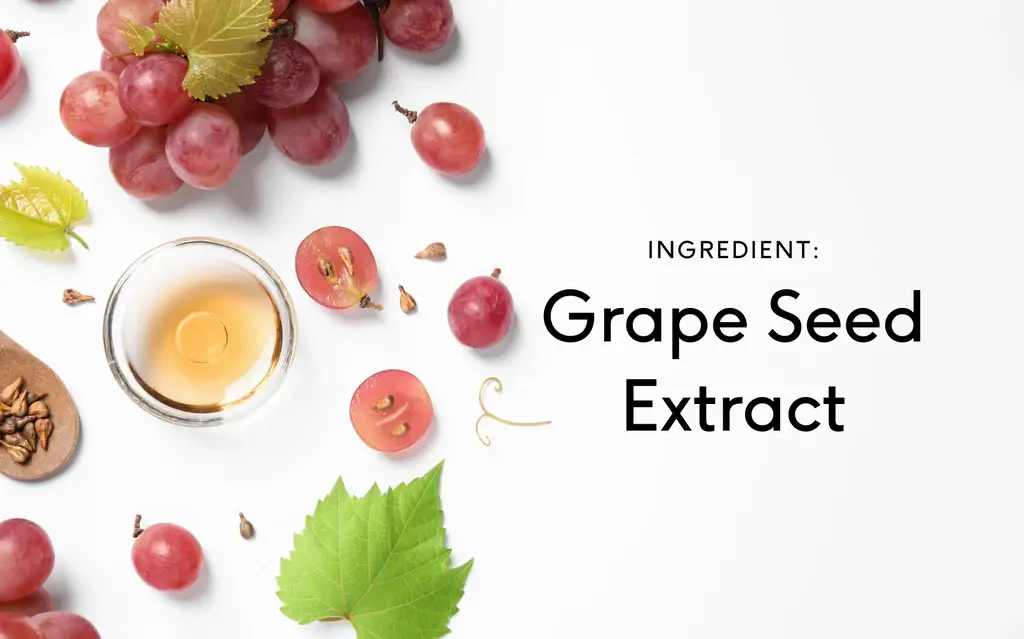
Due to its high content of oligomeric proanthocyanidins (OPCs) and outstanding antioxidant ability, Grape Seed Extract Powder has become a staple ingredient in the global supplement business. This rust-colored plant extract solves some of the most important formulation problems that procurement teams face every day, like keeping ingredients stable, making sure they are bioavailable, and making sure the labels are clean. More and more people want natural ingredients that are backed by science and have measurable health benefits. This Vitis vinifera product gives nutraceutical formulators a flexible option that is backed by a lot of studies and high-quality standards.
Understanding Global B2B Procurement Trends
Over the past few years, the way plant extracts are bought has changed drastically. Digitizing the supply chain now allows real-time visibility from the farm to the factory floor. This solves long-standing problems with quality consistency and being able to track products. At Avans NutriHealth, we've seen procurement managers use data analytics more and more to evaluate supplier performance measures, such as the difference between batches and the completeness of compliance paperwork.
Sustainability Drives Sourcing Decisions
Modern buyers give more weight to sellers who care about the earth during the whole extraction process. Our ethanol-water extraction method leaves behind the least amount of solvent waste while keeping the most proanthocyanidin, which is in line with the growing trend toward environmentally friendly production methods. Purchasing workers can tell that a facility meets international standards for ethics and the environment by seeing that it has BRC, HALAL, KOSHER, or Organic certifications.
Digital Integration Enhances Efficiency
Quality certificates, COA paperwork, and technical specs are now all part of procurement systems' unified dashboards. This change in technology shortens the time it takes to get approval and lets formulators look at more than one Grape Seed Extract Powder source at the same time. It's easy for buyers to compare ORAC values above 10,000 µmol TE/g, particle size distribution (usually 100% through 80 mesh), and bulk density factors.
Key Challenges in Industrial Procurement
Nutraceutical procurement teams have to deal with complicated legal settings where the details of ingredients have to meet FDA rules, European Pharmacopoeia standards, and regional certification needs all at the same time. One supply failure can stop production lines that serve multiple markets. This makes reducing risk a strategic requirement rather than an administrative formality.
Supply Chain Vulnerability
Changes in the weather that affect grape farming cause changes in the prices of raw materials, which in turn affect the prices of finished supplements. This problem is lessened by procurement professionals who make long-term deals with makers that guarantee a minimum of 1,000 tons of production each year. Our facilities in China keep stocks all year, so we can always get what we need. This lowers the risks of dependence that come with single-harvest providers.
Compliance Complexity
There are different testing rules for each target market. In North America, buyers want heavy metal analysis that meets USP standards. In the Middle East, buyers want HALAL approval from a known organization. More and more, European clients want to measure polyphenols using HPLC instead of UV methods. To handle these different needs, supply partners must have complete quality management systems that are approved to ISO 22000 and HACCP standards.
Price Volatility Management
The world grape crop affects the prices of raw materials, which makes budgeting for yearly formulation planning difficult. Strategic buyers work with tightly integrated sellers that directly oversee the seed buying process. This method keeps prices stable during harvest rounds and makes sure that the level of proanthocyanidin is always the same, usually at 95%, using approved UV test methods.
Strategic Sourcing for Manufacturing Efficiency
The total cost of ownership includes more than just the price per unit. It also includes professional support, help with formulation, and responsiveness to regulatory documents. Teams in charge of buying things judge providers by whether they can provide spray-dried powders or standard extracted powders. Each type has its own benefits for different types of delivery.
Supplier Collaboration Models
Leading companies that make nutraceuticals are teaming up with extract providers who offer R&D collaboration options more and more. Our team works with medical study partners at more than 30 institutions, giving clinical information that helps doctors decide what doses to give patients and how to mix medicines. This joint method cuts down on the number of times a formulation trial needs to be done, which speeds up the product development process.
Category Management Application
Smart buyers divide plant extract purchases into strategic groups based on how important the ingredients are and how the supply market works. Grape Seed Extract Powder is in a key area because it can be used in many different ways to help the heart, protect against free radicals, and improve skin health. This classification makes it okay to have stronger relationships with suppliers instead of just buying things one at a time.
Quality-Driven Sourcing
Consistency in ingredients is important for manufacturing because it gets rid of batch rejects and rework processes. As part of our quality control procedures, we check every output lot for moisture levels (which must be less than 5.0%), microbiological contamination, and liquid residue levels (with ethanol levels tightly controlled below 5000ppm). This strict method ensures that it works with high-speed sealing equipment and keeps production from stopping further down the line.
Leveraging Technology in Procurement Processes
The proanthocyanidin profile that formulators can use is directly affected by new separation methods. Modern facilities use controlled temperature levels and the best liquid ratios to keep the oligomeric parts and reduce the amount of polymerized tannins that make the substance less soluble.
Analytical Precision
HPLC fingerprinting technology lets formulators keep track of the exact polyphenolic makeup of each batch, so they can be sure that the ingredients will work as planned. Our lab systems create detailed spectral data that matches reference standards. This takes the guessing out of stability testing methods. Regulatory scrutiny is met by this level of scientific accuracy during new dietary ingredient notifications and EU novel food applications.
Process Automation Benefits
Automated extraction systems keep the temperature under tight control during the multiple-step separation process. This keeps heat-sensitive flavonoids and phenolic acids safe. Because of this investment in technology, the product is more resistant to heat (it can stay intact up to 120°C), which means it can be used in more places, like functional drinks and hot-fill processing areas.
Supply Chain Visibility
Customers of Grape Seed Extract Powder can use private websites to check on the progress of their orders, the schedule for production, and the coordination of logistics with real-time inventory management systems. Because of this, buying administrators don't have to work as hard, and just-in-time shipping models that cut down on storage costs are made easier. With over 280 towns in our distribution network, we can reliably send to factories in North America, Europe, and the Middle East.
Building Trusted Supplier Relationships
Long-term relationships between companies that supply extracts and companies that make nutraceuticals are good for both sides because they allow them to share information and come up with new ideas together. Procurement teams look for partners who understand formulation problems and legal details, and they give more weight to sellers who can show technical knowledge beyond just selling commodities.
Performance Monitoring Frameworks
Measurable performance measures, such as on-time delivery rates, certificate accuracy, and technical help response times, are important for building good relationships with suppliers. Since 2005, our customer service teams have been in regular contact with R&D departments and buying managers to answer questions about specifications and make formulation suggestions based on decades of experience with plant extracts.
Innovation Collaboration
Early-stage cooperation on new product ideas is a key part of the most productive supply relationships. Our technical team helps with basic feasibility assessments, checking to see if ingredients will work with suggested delivery methods, and guessing how stable the product will be when stored the way it's supposed to be. This consultative method lowers the cost of research and speeds up the time it takes for new supplement formulations to hit the market.
Risk Sharing Models
Progressive sellers show their dedication by being flexible when the market is down. Our inventory management keeps backup stocks that protect customers from short-term changes in supply, and clear communication about the state of the raw material market lets customers plan for purchase. These methods make global supply lines that serve controlled markets more stable.
Conclusion
Grape Seed Extract Powder has stayed popular in supplement forms because it has a unique mix of science support, formulation flexibility, and customer acceptance across a wide range of groups. Professionals in procurement know that sourcing choices aren't just based on price comparisons; they also take into account how reliable the provider is, how well they can do technical tasks, and how well they follow regulations. In the nutraceutical market, which is changing quickly, strategic relationships with well-known makers that offer complete quality systems and support for new ideas give brands a competitive edge. In these markets, ingredient authenticity and performance stability are what determine brand image.
FAQ
What standardization levels are available?
A lot of professional-grade products have 95% proanthocyanidins by UV test or 80% total polyphenols by the Folin-Ciocalteu method. Higher levels of standards allow for more dose options and more accurate label claims. The extraction ratios usually fall between 30:1 and 100:1, but it depends on the bioactive concentration and application.
How does particle size affect formulation?
The way particles are distributed affects their ability to flow during packaging and how they dissolve in finished goods. Standard requirements say that 95–100% of the material must pass through 80-mesh screens. This makes sure that it can work with automatic filler equipment and that it will break down in a regular way in digestive settings.
What documentation supports regulatory compliance?
Comprehensive sellers offer Certificates of Analysis, allergy declarations, BSE/TSE statements, GMO-free certificates, and region-specific paperwork, such as EU contaminant testing and California Prop 65 compliance. This set of documents makes it easier to submit to regulators and get ready for audits.
Partner with Avans: Your Trusted Grape Seed Extract Powder Supplier
Avans NutriHealth offers complete solutions that solve the unique sourcing problems that nutraceutical makers and makeup formulators face. Standardized to 95% proanthocyanidins, our brownish-red Grape Seed Extract Powder has a high medicinal strength and is reliable enough to be used over and over again, which is important for production managers. We describe our business by producing high-quality goods. Over 100 trained workers run our certified facilities, which produce more than 1,000 tons of goods every year while strictly following ISO 22000, HACCP, BRC, HALAL, KOSHER, and USDA Organic standards. This certification portfolio makes it easier for you to follow the rules in many different markets, which cuts down on paperwork and speeds up the approval process for your products.
As a company that makes Grape Seed Extract Powder, we stand out because of our technical know-how. Our research and development work with medical institutions helps us make sure that the specs of our products are in line with what scientists are learning about how bioavailable and effective polyphenols are. We let you change the particle size distribution, standardization levels, and solubility properties to fit your specific recipe needs, whether you're making hard-shell capsules, drinks, or skin care items that you put on your skin. Quality control is a part of every step of the production process. Before it is released, each batch goes through a lot of tests to make sure it is free of pesticides and heavy metals, is microbiologically pure, and has the right amount of active ingredients. This multi-step process makes sure that the botanical extract you get always meets your needs, so there are no expensive delays in production or quality problems.
Get in touch with our team right away at Lillian@avansnutri.com to talk about your buying needs. We'll give you thorough technical paperwork, samples of our products to look at, and cheap price structures that are meant to make your relationship work for a long time.
References
1. Bagchi, D., et al. (2014). "Molecular mechanisms of cardioprotection by proanthocyanidins: therapeutic application in cardiovascular diseases." Journal of Clinical Biochemistry and Nutrition, 54(3), 176-182.
2. Ferreira, D. & Slade, D. (2015). "Oligomeric proanthocyanidins: naturally occurring O-heterocycles." Natural Product Reports, 32(5), 651-669.
3. Shi, J., et al. (2016). "Polyphenolics in grape seeds—biochemistry and functionality." Journal of Medicinal Food, 19(9), 815-828.
4. Zern, T.L. & Fernandez, M.L. (2015). "Cardioprotective effects of dietary polyphenols in nutraceutical applications." International Journal of Food Sciences and Nutrition, 66(1), 1-15.
5. Weber, H.A., et al. (2017). "Chemical characterization and standardization of grape seed extracts: a comprehensive analytical approach." Phytochemical Analysis, 28(4), 325-338.
6. Williamson, G. & Manach, C. (2018). "Bioavailability and bioefficacy of polyphenols in humans: review of 97 bioavailability studies." American Journal of Clinical Nutrition, 107(5), 935-942.