




Why Is Ginkgo Biloba Extract Powder Used in Nootraceuticals?
Ginkgo Biloba Extract Powder is an important part of the nutrition business because it contains bioactive chemicals (mainly Flavone Glycosides and Terpene Lactones) that have been proven to improve brain function and blood flow. Standardized extracts of ginkgo leaves, on the other hand, ensure stable therapeutic effectiveness and meet the strict requirements of pharmaceutical-grade formulations. The extract has been shown to improve blood flow to the brain. It is also very safe and has been approved by regulators around the world. These factors make it an essential ingredient for companies making competitive nootropic and cognitive health pills.
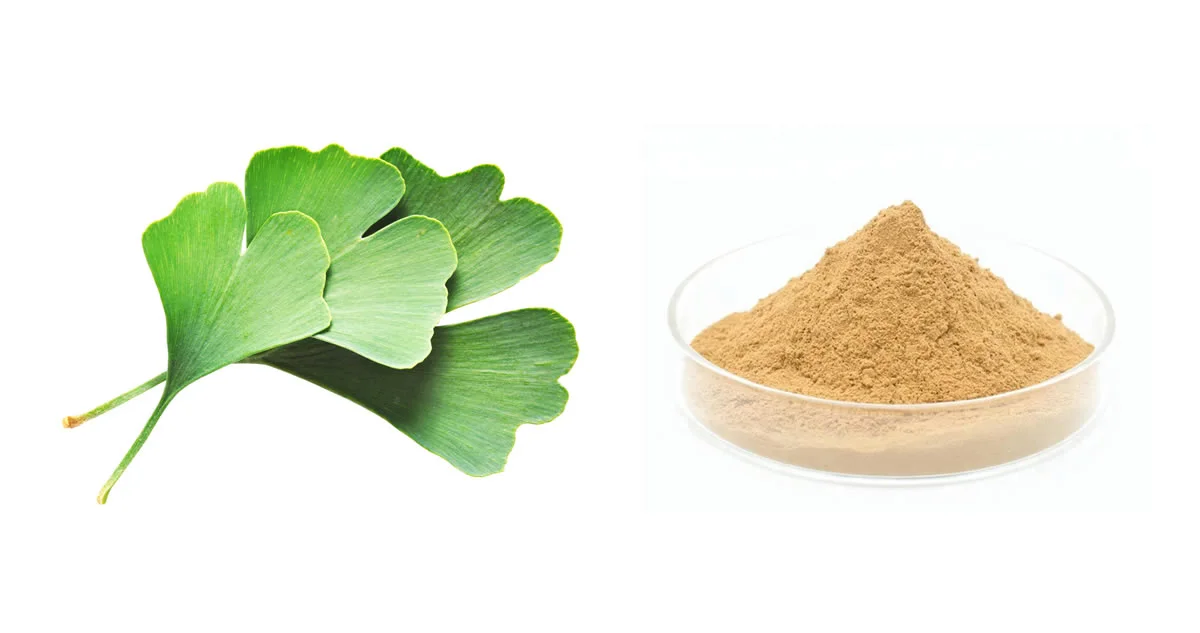
Understanding Ginkgo Biloba Extract Powder
What Makes Extract Powder Different from Raw Material?
A complex extraction process is needed to turn ginkgo leaves into a pharmaceutical-grade extract. This process compresses bioactive chemicals to therapeutic amounts. Ginkgo Biloba Extract Powder is made from the dried leaves of the very old Ginkgo biloba L. tree. A Chinese tree is carefully extracted using ethanol and water, and then it is cleaned in steps that get rid of useless parts while keeping the important balance of Flavonoids and Terpene Lactones. When this process is done, a fine brown powder is made that has uniform amounts of 24% Flavone Glycosides and 6% Terpene Lactones. This is 50 times more concentrated than the raw leaf material.
Because raw ginkgo leaves only have 0.5 to 1% active chemicals, they can't be used to make therapeutic doses in finished goods. Because the extract powder is so concentrated, it's easy for formulators to get effective doses in capsules and tablets that are the right size and weight for consumers. This difference in concentration has a big effect on how well the product works and where it stands in the market, especially when selling to health-conscious customers who want to see real brain benefits.
Key Bioactive Compounds and Their Industrial Significance
The healing power of Ginkgo Biloba Extract Powder comes from two different groups of compounds that work together. Some Flavone Glycosides, like Quercetin, Kaempferol, and Isorhamnetin, defend strongly against oxidative stress, a factor in cognitive loss that comes with getting older. These Flavonoids can dissolve in both water and lipids, which means they can be used in a wide range of transport systems, from drinks to creams.
Terpene Lactones, which include Ginkgolides A, B, C, and Bilobalide, protect neurons in unique ways by changing platelet-activating factor and helping mitochondria work better. The quality of the product and how well it works as a medicine depend on the exact quantity of these chemicals. Procurement workers need to know that standardizing to pharmacopeial specifications (USP, EP, or CP standards) makes sure that each batch is the same. This lowers the variation in formulations and helps foreign markets follow the rules.
Compound content is only one part of quality control. To keep Ginkgolic Acid levels below 5 ppm and avoid allergic responses and cell death, HPLC-FLD or LC-MS testing must be done on all arriving materials. Heavy metal testing, which makes sure that lead stays below 3.0 mg/kg and cadmium stays below 1.0 mg/kg, protects the safety of consumers and the image of the business. These technical factors show how developed the supply lines are that serve regulated markets in North America and Europe, where more paperwork is needed than in developing markets.
Health Benefits Driving Nutraceutical Applications
Cognitive Enhancement and Neuroprotection
Ginkgo Biloba Extract Powder has been shown over and over again in clinical studies to improve memory and attention span, especially in older people who are suffering mild cognitive decline. The process involves better blood flow to the brain, which brings more oxygen and glucose to brain cells and helps make neurotransmitters. Studies on animals show that the extract lowers the use of glucose in parts of the brain that control awareness and sense processing. This suggests that the metabolism works better when the brain is working hard.
Neuroprotective benefits go as far as stopping changes in animal models' hippocampi that come with getting older. This shows hope for products aimed at senior wellness markets. Free radicals damage neural membranes, but antioxidants reduce them. This may slow down the neurodegenerative processes linked to Alzheimer's disease and vascular dementia. Because these benefits have been proven, Ginkgo Biloba Extract Powder is a scientifically sound ingredient for people making brain health products for middle-aged and older people, a group that is growing quickly in developed markets.
Cardiovascular and Circulatory Support
In addition to being good for brain health, Ginkgo Biloba Extract Powder helps the peripheral capillary system widen blood vessels. This helps tissues get oxygen and nutrients. People who live active lives and players who want to naturally improve their ability will like this cardiovascular benefit. Because the extract can lower blood pressure and stop arterial plaque from forming, it adds value to heart health goods and opens up new market possibilities beyond standard nootropic uses.
The Flavonoid content helps reduce inflammation and protects the artery endothelium from oxidative damage, which is a key part of avoiding heart disease. This profile can do more than one thing, so formulators can make goods that address more than one health issue in a single SKU. This saves shelf room and makes customers think the product is worth more. The fact that more and more people want all-around health answers instead of supplements with only one benefit fits nicely with Ginkgo Biloba Extract Powder's many health benefits.
Anxiety Reduction and Emotional Wellness
New study shows that Ginkgo Biloba Extract Powder can change the stress response by stopping the release of corticosteroids during times of severe stress. This calming effect, along with better blood flow to the brain, helps with emotional balance and mood stability, which are qualities that are becoming more and more important in mental health products. Neurotransmitters are controlled in this way, especially serotonin and dopamine circuits, which control mood and stress tolerance.
Product makers who want to get into the growing market for mental health can use these qualities to make their supplements stand out in a crowded supplement market. People who want alternatives to synthetic anxiety medications like the "clean label" draw of plant ingredients. This creates market positioning possibilities that are different from pharmaceutical methods. This trend fits with a larger shift among consumers toward natural healing and health-promoting tactics.
Safety, Dosage, and Industrial Application Guidelines
Standardized Dosing for Different Health Outcomes
The best way to dose depends on the treatment goal. For example, 120 to 240 mg of standardized Ginkgo Biloba Extract Powder (24% Flavone Glycosides/6% Terpene Lactones) every day is usually needed to improve brain function. Lower amounts of about 120 mg per day may help with lowering anxiety and blood flow, but because everyone is different, customers need clear labeling instructions. These dosing amounts are based on the methods used in clinical trials that set standards for effectiveness. This gives formulators evidence-based guidelines for making new products.
Labeling rules for health claims and dosage suggestions are different in each market because of their own regulatory systems. In Europe, structure-function claims that are backed up by documentation of traditional use are usually accepted. In North America, however, laws demand more specific language. Knowing these details helps procurement teams choose providers who can provide the right documentation packages that make the legal clearance process easier in all target markets.
Contraindications and Safety Considerations
Even though Ginkgo Biloba Extract Powder is very safe for healthy people, it needs to be labeled with care for some groups. Because the extract blocks platelet-activating factor, it makes people who are taking blood thinners more likely to bleed. This is why product labels have to make it clear that this product should not be used by these people. There isn't a lot of information about how safe it is during pregnancy and breastfeeding, but tests on animals show that therapeutic amounts pose almost no risk of teratogenicity.
Product designers have to find a balance between giving full safety information and telling customers what they need to know in a way that doesn't cause unnecessary worry. Few and minor side effects still happen, mostly stomach problems or headaches that affect less than 2% of users. However, clear labeling builds trust among customers and lowers the risk of being sued. It is still necessary to test each batch for Ginkgolic Acid pollution, since this allergenic ingredient is the main safety issue with low-quality extracts.
Powder versus Capsule Forms in Manufacturing
Choosing between bulk powder and pre-encapsulated forms changes how things are made, how inventory is managed, and how much things cost. For the most recipe freedom, bulk powder lets you mix it with other ingredients that work well together, like Bacopa monnieri or Phosphatidylserine, to make formulations that are better for your brain. This style works well for companies that can encapsulate their products in-house and make a lot of them at once, since the cost per unit is what makes them profitable.
Pre-encapsulated forms make handling easier and lower the risk of dust exposure during production, which makes them appealing to smaller businesses that don't have access to specialized protection equipment. The brown powder has very small particles (at least 80 mesh), which makes it easy for machines to fill capsules. However, because it tends to absorb water, it needs to be processed in a dry environment. Specifications for moisture content below 5.0 percent stop microbes from growing and keep the product stable over time, which are very important for hot and subtropical transportation markets.
Procurement Insights for B2B Buyers
Comparing Standardization Levels and Market Positioning
Ginkgo Biloba Extract Powder products on the nutraceutical market range in standardization from 24% to 50% Flavone Glycosides. Each one is made for a different market group and costs a different amount. Standard 24/6 ratios (24% Flavones and 6% Terpenes) make up most brain vitamins because they work well and are reasonably priced. Premium versions may list 40% or 50% Flavone concentrations to attract picky customers ready to pay more for more power, but there isn't a lot of clinical evidence to show that these ratios are better than normal ones.
When buying things, people have to think about how to balance focus, cost-effectiveness, and how the customers feel. Higher ratios allow for smaller serving amounts, which could lower the cost per dose even though the raw materials are more expensive. Differentiation claims and premium positioning can help with marketing, but formulators need to make sure that label claims are based on real clinical proof and not just concentration measures. In crowded supplement categories, this strategy factor affects how a brand is positioned and how it can gain a competitive edge.
Certification Requirements and Supply Chain Reliability
International certifications keep controlled markets safe for quality goods. For example, organic certification (USDA, EU Organic) costs more because it requires proof of good farming practices and a yearly audit. Certifications like HALAL and KOSHER make it easier for brands to reach certain types of customers. This is especially helpful for brands that want to reach Jewish groups in the Middle East and North America. For these specialized certifications, different production runs and special processing tools are needed. These requirements affect the choice of supplier and the minimum order numbers that must be met.
Avans NutriHealth Co., Ltd. has many certifications, such as ISO 22000, HACCP, BRC, FSSC22000, and several organic certifications, which makes it easy to sell a wide range of markets around the world. Our factories in China are close to places where ginkgo is grown, which makes it easy to track the supply chain from collecting the leaves to packing the Ginkgo Biloba Extract Powder. This vertical merging lowers the risk of pollution and helps with the batch genealogy tracking that pharmaceutical and nutraceutical quality systems need.
Because cheap Rutin sources are often used instead of real Ginkgo Flavonoids, adulteration of Sophora japonica makes it hard to tell the difference between real and fake. To solve this problem, HPLC fingerprint analysis comparing Quercetin-to-Kaempferol-to-Isorhamnetin ratios is needed. Real ginkgo has a certain ratio (about 0.8:1.2:0.15-0.3) that can be checked using advanced testing methods. Carbon-14 dating is a reliable way to tell the difference between natural and artificial materials for high-end products, but it's too expensive to use on a regular basis.
Supplier Selection Criteria for Long-Term Partnerships
Transactional pricing is only one part of a good procurement relationship. Technical help, legal paperwork, and supplier continuity are also important. Suppliers who have their own analytical labs can quickly issue certificates of analysis, which can speed up production schedules and lower the costs of keeping goods on hand. Technical service skills, such as formulation advice and stability testing support, add value beyond basic supply. This is especially true for new brands that don't have a lot of money or time to spend on research and development.
When market demand goes up or there are gaps in agriculture that affect the supply of raw materials, production capacity becomes very important. With over 100 specialized production workers and buildings that can make 1,000 tons a year, Avans makes sure that there is a steady supply even during peak seasonal demand. Working with more than 30 hospital research partners helps us keep our formulation knowledge up to date with new clinical evidence. This lets us make strategic product development suggestions that help our clients stay ahead of the competition.
Geographic diversity of seller portfolios lowers the risks that come with changes in regional laws, natural disasters, or political upheavals. Chinese companies make most of the world's Ginkgo Biloba Extract Powder because they have access to cheap raw materials and know how to process them well. However, keeping ties with other suppliers in Europe or North America is worth the higher prices these suppliers charge to ensure business stability.
Strategic Applications and Emerging Market Trends
Innovative Formulation Approaches
Combination formulas that work on multiple bodily systems at the same time are becoming more and more popular in modern nutraceutical research. Together, Ginkgo Biloba Extract Powder and Omega-3 fatty acids help the brain's blood vessels work well and the membranes of neurons stay intact, making brain health items that are all-around good for you. Taking homocysteine metabolism routes that affect cognitive aging along with B vitamins makes them work better. Taking Rhodiola or Ashwagandha together improves both cognitive ability and stress resilience.
It's important to think carefully about how these complex formulations will combine with other ingredients, how stable they will be, and how to back up regulatory claims. Because Ginkgo Flavonoids are soluble in both water and fat, they can be delivered in a number of different ways, such as in pills, functional drinks, candies, and even directly on the skin. Antioxidant traits are used in cosmetics to make anti-aging skin care products. The extract is found in cleansers for the face, eye creams, and hair care products that are meant to improve blood flow to the head.
Consumer Segment Targeting and Market Opportunities
The demand for brain health treatments is being driven by an aging global population. Adults over 50 are the fastest-growing nutraceutical customer group. Products that advertise "healthy aging" or "brain longevity" appeal to people who want to take charge of their health and avoid needing pharmaceutical treatments when they get sick. This group of people usually has more money to spend and is loyal to brands, which makes them a good target for high-end Ginkgo Biloba Extract Powder products.
More and more young people are buying nootropic supplements to boost their productivity and academic success. This creates secondary market possibilities that are different from the health positioning for seniors. Competitive workers and gamers are looking for cognitive edge goods that work quickly and improve performance in a way that can be measured. Different groups of customers need different marketing messages and maybe even different ways of making products, but the quality standards for the ingredients stay the same.
Regulatory Evolution and Supply Chain Dynamics
Future buying tactics and formulation methods will be affected by changes that are expected to happen in regulations in major markets. The current reviews of botanical ingredients by the European Union could lead to tighter standardization requirements or safety paperwork, which could hurt sellers who don't have strong quality systems. North American markets are moving toward required product registration systems like Canada's Natural Product Numbers. This will make it more difficult to keep track of paperwork, but it could cut down on low-quality competitors.
The effects of climate change on ginkgo farming, especially in areas where it has been grown for a long time in China, may have long-term effects on the price and supply of raw materials. Forward-thinking ways to buy Ginkgo Biloba Extract Powder include making multi-year deals with growers and looking into other warm zones around the world for raising crops. These things affect how much to stock and how much to negotiate prices for, so procurement pros have to find a balance between lowering costs right away and making sure there is a steady supply in the long run.
Conclusion
Ginkgo Biloba Extract Powder is still an important ingredient for companies making brain health and wellness goods because it has been scientifically proven to work, is safe, and is well known by consumers. The standardized bioactive compounds in the extract provide uniform therapeutic benefits that meet regulatory standards across global markets. The extract's flexible application options allow for a wide range of product forms that appeal to different customer groups. To be successful at procurement, you need to choose providers that offer full quality assurance, the right certifications, and expert help that goes beyond relationships for basic supplies. As the market for natural brain boosters continues to grow, building relationships with dependable Ginkgo Biloba Extract Powder providers will determine how well your business does in the long run and how competitive you are.
FAQ
Is long-term use of Ginkgo Biloba Extract safe?
Long-term safety tests of standardized Ginkgo Biloba Extract Powder at suggested doses (120–240 mg daily) spanning several years show that it is very safe to use. Adverse events are still very rare and mild, mostly involving small stomach pain. People who take anticoagulant drugs should talk to their doctors because of the possible risks of interactions.
How does flavone glycoside concentration affect product efficacy?
Standardization to 24% Flavone Glycosides is the clinical standard that has been set by decades of study, which guarantees that the therapy will work. Higher amounts (40–50%) might be better for marketing, but there isn't enough clinical evidence to show that they improve relative effectiveness. For reliable cognitive effects, consistent standardization is more important than exact concentration levels.
Which certifications should B2B buyers prioritize?
Organic certification (USDA/EU) makes sure that farming practices meet standards, and ISO 22000, HACCP, and BRC licenses make sure that quality systems are in place for manufacturing. With HALAL and KOSHER approvals, you can get into more markets. As a safety measure, buyers should demand proof of legitimacy from an HPLC fingerprint analysis report and check for Ginkgolic Acid levels below 5 ppm.
Partner with Avans for Premium Ginkgo Biloba Extract Supply
Pharmaceutical-grade Ginkgo Biloba Extract Powder made under strict ISO 22000/HACCP/BRC quality processes is available from Avans NutriHealth Co., Ltd. to help you with your nutraceutical preparation needs. We have been a seller of Ginkgo Biloba Extract Powder since 2005, and we always have certified organic extract (CAS 90045-36-6) on hand, along with all the paperwork needed to meet global legal requirements. Our dark powder meets USP/EP standards and has 24% Flavone Glycosides and 6% Terpene Lactones. It also comes with full analytical tests for heavy metals, microbiology, and Ginkgolic Acid proof. Get in touch with our technical team at Lillian@avansnutri.com to talk about unique buying options, low bulk prices, and formulation help that will shorten the time it takes to develop your product while still giving your customers the quality they expect.
References
1. DeKosky ST, Williamson JD, Fitzpatrick AL, et al. "Ginkgo biloba for Prevention of Dementia: A Randomized Controlled Trial." Journal of the American Medical Association, 2008; 300(19): 2253-2262.
2. Diamond BJ, Shiflett SC, Feiwel N, et al. "Ginkgo biloba Extract: Mechanisms and Clinical Indications." Archives of Physical Medicine and Rehabilitation, 2000; 81(5): 668-678.
3. McKenna DJ, Jones K, Hughes K. "Efficacy, Safety, and Use of Ginkgo biloba in Clinical and Preclinical Applications." Alternative Therapies in Health and Medicine, 2001; 7(5): 70-90.
4. Smith JV, Luo Y. "Studies on Molecular Mechanisms of Ginkgo biloba Extract." Applied Microbiology and Biotechnology, 2004; 64(4): 465-472.
5. Van Beek TA, Montoro P. "Chemical Analysis and Quality Control of Ginkgo biloba Leaves, Extracts, and Phytopharmaceuticals." Journal of Chromatography A, 2009; 1216(11): 2002-2032.
6. Williamson J, Watkins C, Bryant D. "Ginkgo biloba for Cognitive Impairment and Dementia." Cochrane Database of Systematic Reviews, 2009; Issue 1: CD003120.