




Is D-Ribose Powder Suitable for Capsule Formulations?
As long as the right production steps are taken, D-Ribose Powder works very well for capsule formulas. This pentose monosaccharide (CAS 50-69-1) has a solid structure that is white to slightly yellow. It flows easily and absorbs water well, so it works well in both gelatin and HPMC tablet shells. When D-Ribose Powder is acquired at levels of purity above 98%, it can be filled consistently, stays stable in controlled humidity settings, and gives the important ATP-replenishment benefits that are expected in sports nutrition and cardiovascular support supplements.
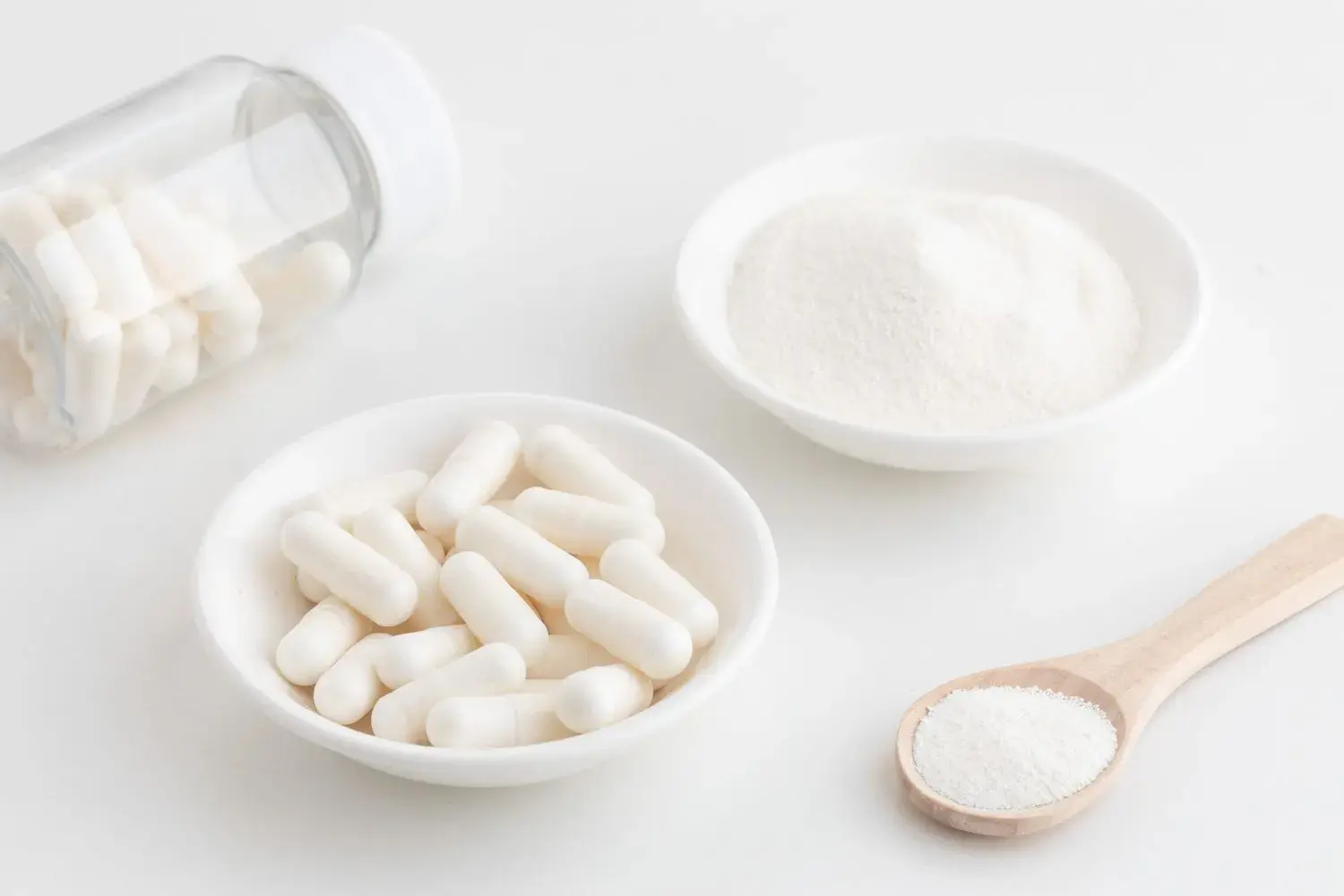
Understanding D-Ribose Powder and Its Capsule Formulation Potential
As a five-carbon sugar (pentose), D-Ribose Powder is different from glucose and fructose, which are six-carbon sugars. It holds a special place in the energy supplement group. It is glycolysis that turns most sugars into fuel right away, but D-Ribose Powder is the building block for adenosine triphosphate synthesis, which is the chemical cash that all of the body's cells use.
Molecular Characteristics and Sources
This naturally occurring substance is made up of the molecules C5H10O5 and has a molecular weight of 150.13 g/mol. Bacillus subtilis strains are used in most microbial fermentation methods used in industrial production, which ensures stereochemical purity values of 99% or higher. This biotechnological method ensures accuracy that can't be achieved through plant-based extraction methods, while still keeping the cost of making large amounts of nutraceuticals low.
Avans NutriHealth gets D-Ribose Powder material from China through approved facilities that are HALAL, ISO, USDA, HACCP, and FSSC22000 certified. This makes sure that the product is safe for use in many regulatory areas, such as North America, Europe, and the Middle East.
Nutritional Profile and Market Positioning
The main groups of people who buy D-Ribose Powder supplements are athletes, heart patients, and people who deal with constant tiredness. Unlike glucose, which drives rapid oxidative metabolism, or creatine, which uses up all the phosphocreatine stores in muscles, D-Ribose Powder speeds up the recovery of the nucleotide pool after an ischemic event or high-intensity anaerobic exercise. Clinical study shows that adding D-Ribose Powder to the body can raise ATP levels in the heart muscle 340–430% faster than normal metabolic rates do after energy is lost.
Capsule Compatibility Considerations
When it comes to packaging, the crystalline powder shape has both pros and cons. D-Ribose Powder dissolves easily in water (about 100g/100ml at 20°C), but it absorbs and releases a lot of water, so it needs to be kept under tight control during production and storage. The substance works well with both veggie HPMC capsules and gelatin made from animals, and there have been no reports of reactivity issues that might affect the shell's structure or the way it dissolves.
Under normal processing conditions, temperature stability stays strong, but caramelization processes may happen above 140°C, which is a temperature level that is much higher than most settings for filling capsules. The light sweetness profile (about 30% of sugar equivalent) gets rid of the bitterness issues that many amino acid formulations have.
Technical Evaluation: Is D-Ribose Powder Physicochemically Suitable for Capsules?
Making capsules correctly depends on several physical factors that affect how well the equipment works, how accurately the capsules are filled, and how consistent the final product is. We test D-Ribose Powder on these important factors that purchase decision-makers and formulation scientists need to know about.
Particle Size Distribution and Flow Properties
Pharmaceutical-grade D-Ribose Powder usually has particle sizes between 80 and 200 mesh, and its bulk density of 0.45 to 0.65 g/cm³ is good enough for machines that fill capsules automatically. Loss-on-drying tests show that the crystalline structure helps the material flow well when the moisture content stays below 0.5%. Adding silica-based anti-caking agents at amounts between 0.5 and 1.0% can improve the bulk powder's ability to move even more. This stops bridging in hopper systems during high-speed production runs.
Dosage Requirements and Capsule Sizing
For cardiovascular support, standard clinical amounts of D-Ribose Powder supplements run from 3 to 5 grams per serving. For sports nutrition, 5 to 10 grams per day may be recommended, spread out over several doses. Because of these amounts, size 00 or 0 capsules are usually needed to hold 500 to 750 mg per unit, which means that people need 4 to 6 capsules for a reasonable dose.
This fact of serving in multiple capsules brings up important issues for product positioning and customer compliance. Formulators often mix D-Ribose Powder with other ingredients that work well together, such as magnesium, CoQ10, or L-carnitine, to make complete mitochondrial support matrices that allow higher capsule numbers while improving the total sense of value.
Bioavailability and Absorption Kinetics
As a monosaccharide, D-Ribose Powder is very bioavailable and is quickly absorbed by the intestines through passive diffusion. Encapsulation in gelatin or HPMC shells causes a minor delay in dissolution rates compared to tablet compression forms. According to normal USP testing methods, tablets usually break down within 5 to 10 minutes. Because capsules and powders don't have any complicated matrix structures or enteric coatings, bioequivalence tests regularly show that the plasma concentration trends are similar.
Safety Profile and Formulation Guidance
D-Ribose Powder has a good safety record, and studies on humans have shown that amounts of up to 60 grams per day for short periods of time are safe. When taken on an empty stomach, amounts higher than 10 grams can sometimes cause mild stomach effects, mostly short-term diarrhea or nausea. Capsules naturally ease these worries because they break more slowly in the stomach than powders, which makes them more acceptable to most people, especially those who are sensitive.
The substance doesn't have a big effect on blood glucose levels, so it can be used in diabetic-friendly manufacturing techniques. This is a big difference from competing energy products that use dextrose or maltodextrin as bulking agents.
Comparison of D-Ribose Powder with Other Energy Supplements for Capsule Use
When purchasing managers look at ingredient portfolios, they should know how D-Ribose Powder compares to other energy-supporting molecules in several production and marketing areas.
Solubility and Stability Profiles
Creatine monohydrate is one of the most well-known ergogenic supplements, but it only dissolves in water at a rate of about 14g/L, so it takes higher amounts to reach saturation and causes sedimentation problems in drinking applications. D-Ribose Powder's better solubility takes away these worries, and it stays stable over a wider pH range (from pH 3 to 8), unlike creatine, which breaks down into creatinine when it gets acidic.
Both dextrose and maltodextrin dissolve in water, but they work in completely different ways because they are immediate-energy hexoses instead of structural nucleotide precursors. This difference in how it works means that D-Ribose Powder can make claims about heart health and healing that simple carbohydrate ingredients can't.
Dosing Convenience and Consumer Perception
To reach muscle carnosine saturation with beta-alanine supplements, you need to take 3–6 grams of it every day, which is about the same as the therapeutic range for D-Ribose Powder. However, beta-alanine causes paresthesia, which are tingling feelings that some people find unpleasant. D-Ribose Powder, on the other hand, has no strong sensory effects. This difference in experience affects the number of return purchases and product reviews, both of which are important for building a brand in the supplement market, which is very competitive.
The "natural" label that fermentation-derived D-Ribose Powder has really hit home with health-conscious people who are looking more closely at manmade versus nature-identical chemical sources. This edge in how people see things is used by marketing teams, especially for organic-certified product lines.
Regulatory Compliance and Quality Benchmarks
Pharmaceutical-grade D-Ribose Powder needs to be more than 98.0% pure, which can be shown by HPLC analysis. It also needs to have specific spin values between -18.0° and -22.0° to show that it is in the right chiral configuration. Heavy metal pollution levels must be less than 10ppm (lead). Food-grade versions may be able to handle a little more variation (97.0 to 99.0% purity), which makes them good for general food supplement uses where saving money is more important than small changes in quality.
All of Avans NutriHealth's D-Ribose Powder meets pharmaceutical-grade standards. This lets buyers serve both nutraceutical and pharmaceutical OEM customers without having to manage two different SKU systems. Our material is currently in stock and can be ordered in sizes ranging from 1 kg samples to 25 kg large packages.
Supplier Landscape Considerations
The world supply line for D-Ribose Powder centers on fermentation plants in Asia, with China being the main production area. Different suppliers' quality is mostly due to different fermenting strains, different purification methods further down the line, and stricter quality control, not where the suppliers are located. Buyers should give more weight to providers that show vertical integration, which means they control the whole process, from fermentation to final crystallization. This will ensure batch-to-batch consistency, which is important for proven manufacturing processes.
Food-grade material is usually priced between $35 and 55 USD per kilogram, while pharmaceutical-grade material costs between $65 and 90 USD per kilogram for container loads. The higher prices aren't due to changes in the basic cost of production, but rather to better testing procedures, documentation packages, and regulatory support services.
Best Practices for Incorporating D-Ribose Powder into Capsule Products
To turn the specs of D-Ribose Powder into successful commercial products, you need to pay attention to formulation science, optimizing the manufacturing process, and quality assurance methods that protect both the purity of the product and the image of the brand.
Excipient Selection and Compatibility
Anti-caking products are necessary to keep the flow of powder steady during production campaigns, especially in places where humidity changes with the seasons. Silicon dioxide (colloidal silica) at a loading of 0.5 to 1.0% effectively blocks moisture without changing the rate of breakdown or making regulations more difficult. When compressing tablets, magnesium stearate is often used as a lubricant. However, it should be used with care in pill formulas because amounts higher than 1% may create hydrophobic surface layers that make dissolution more difficult.
Microcrystalline cellulose is often used as a diluent by formulators who want to lower the number of capsules needed for each meal. However, this method lowers the quantity of the active ingredient. The smarter option is to mix D-Ribose Powder with substances that work well together, such as CoQ10 (50–100 mg), magnesium citrate (100–200 mg), or N-acetyl cysteine (300–600 mg). This makes full mitochondrial support formulas with enough active ingredients for 4-6 capsule dose sizes.
Manufacturing Process Optimization
When calibrating capsule filler equipment, it's important to keep the humidity below 40% RH in production areas to account for the fact that D-Ribose Powder absorbs water. When powder moisture content stays below 0.5%, automated dose devices can get fill weight accuracy to within ±5%. Pre-blending techniques that use geometric dilution to add excipients stop segregation in hopper systems. This makes sure that the product is distributed evenly across production runs that include thousands of units.
According to USP guidelines, weight variation testing should make sure that no capsule deviates more than 10% from its target fill weight. This testing should pay extra attention to the first and last units made in each batch, as these are the times when quality is most likely to be affected by equipment drift or environmental factors.
Stability Testing and Shelf Life Validation
Accelerated stability tests (40°C/75% RH for 3 months) give quick information on how things break down and what kind of packing is needed. D-Ribose Powder is very chemically stable as long as it is kept away from moisture. For example, aluminum foil-laminated bags or HDPE bottles with silica gel desiccants can keep their potency for more than 24 months at room temperature.
When the color changes from white to brown, it means that the Maillard reaction has begun. This is a process that depends on wetness and doesn't affect safety, but may change how people think about the food. With humidity-controlled packing, you don't have to worry about this, even in hot climates.
Real-World Implementation Examples
A company that makes supplements for the heart and circulatory system made a D-Ribose Powder-based mix with 3 grams of D-Ribose Powder per dose, 150 mg of coenzyme Q10, and 400 mg of magnesium. The product came in size 00 capsules, and each dose had six pills. It advertised itself as a complete "heart energy" protocol. The brand had 85% repeat buy rates in its area. This was due to its multi-mechanism approach, which taught customers about goods with more than one ingredient.
A brand of sports performance products made a pre-workout D-Ribose Powder capsule (750 mg per unit, 4 capsule dose) that was advertised as a way to recover from high-intensity interval training. Aggressive marketing claims were backed up by clinical study data showing 34% faster ATP recovery compared to a dummy. This led to a lot of sales, even though the price was 40% higher than the average for the category.
Procurement Guide for B2B Buyers: Sourcing D-Ribose Powder for Capsule Production
Finding the right suppliers requires a method for evaluating them that balances quality control, cost management, and operating flexibility. This is especially important for medium- to large-sized supplement companies that sell a lot of different D-Ribose Powder products in a lot of different markets.
Supplier Qualification Criteria
Certification profiles are the first step in the screening process. For example, ISO 22000, HACCP, and BRC badges show that you are committed to food safety management systems. For pharmaceutical uses, facilities should show that they follow ICH standards, such as Q7 (Active Pharmaceutical Ingredients), even when they are making material for nutrition supplements. This higher standard makes sure that there are controls for contamination, methods for tracking, and ways of documenting that meet the strictest regulatory settings.
In addition to certificates, buyers should look at the technical skills of the seller, such as their analytical laboratory facilities (HPLC, ICP-MS for heavy metals, microbial tests), their R&D support services, and their availability for formulation advice. When suppliers provide full technical dossiers with information like stability data, regulatory status summaries, and application guides, it makes it easier for companies to use their own resources to create new products.
Pricing Dynamics and Order Considerations
For pharmaceutical-grade materials bought from known distributors, the minimum order quantity is usually 25 kg. However, if you want to get better prices, you may need to make a 100–500 kg pledge to a direct manufacturer. Buyers who are in charge of a wide range of products can save money by planning and buying D-Ribose Powder in bulk across multiple SKUs. This saves money on costs and keeps working capital efficient.
The D-Ribose Powder market doesn't have as much price instability as plants that are affected by farming cycles. However, feedstock costs (glucose substrates for fermentation) and energy prices cause small changes every three months. Large makers with small profit margins can plan their budgets more accurately with forward contracts that cover 6 to 12 months.
Logistics and Supply Chain Resilience
For D-Ribose Powder, temperature-controlled shipping is not needed, but it is still very important to keep it dry during transport. Suppliers should use moisture barrier packing with polyethylene bags inside and aluminum foil layers on the outside. This will keep moisture out during the 30- to 45-day ocean freight lines from Asian production centers to delivery centers in North America or Europe.
Lead times from order confirmation to delivery are usually between 4 and 6 weeks for first-time buyers who need a COA review and sample approval. For known customers whose specs have already been accepted, the time frame drops to 2 to 3 weeks. Buyers should keep enough backup stock to cover 60 to 90 days of production needs. This is to account for changes in the supply chain and possible quality holds that need more testing.
Value-Added Services and Partnership Models
Contract manufacturing lets brands that don't have their own packaging infrastructure outsource production while still owning the recipe. Avans NutriHealth provides full OEM and ODM services, from coming up with an idea to putting it on the market. Batch sizes are flexible, ranging from 10,000 units for testing in a market to 500,000 units or more for national retail programs.
Private labeling programs use tried-and-true formulas and well-established supply lines to give brands ready-to-go options for quickly entering new markets. Custom formulation development services help with specific positioning needs, like those of professional athletes, heart patients, or people who just want to improve their health. Based on clinical literature and market research, R&D teams find the best ingredient ratios, excipient choices, and dosing protocols.
Conclusion
D-Ribose Powder works well for capsules as long as the right technical controls are used to deal with its ability to absorb water and move smoothly. The compound's good solubility, low risk profile, and unique metabolic positioning make it a strong candidate for use in cardiovascular support, sports recovery, and energy metabolism. To make implementation work, you need to carefully choose your suppliers, have strict quality standards, and come up with formulation strategies that balance effectiveness, consumer compliance, and cost-effectiveness. Procurement teams can confidently make ribose-based products that meet both regulatory needs and market demands by working with certified manufacturers like Avans NutriHealth that offer pharmaceutical-grade materials, full technical support, and flexible production options.
FAQ
What capsule size works best for D-Ribose formulations?
Size 0 or 00 pills work well for standard D-Ribose Powder amounts. When using 500 to 750 mg per unit, goods need 4-6 pills for every 3 to 5 grams of therapeutic serves. When you mix D-Ribose Powder with other ingredients that work well together, like magnesium or CoQ10, you get more complete formulas that make multi-capsule doses make sense and improve how much people think they are worth.
How should manufacturers control moisture during ribose encapsulation?
Keeping production areas below 40% relative humidity stops flow problems and caking that are caused by wetness. For pharmaceutical-grade D-Ribose Powder, the moisture level must be less than 0.5%. Adding silicon dioxide anti-caking agents at amounts between 0.5 and 1.0% and using moisture-barrier packing with desiccants keeps the product stable for as long as it lasts.
Does ribose quality vary significantly between suppliers?
When it comes to uniformity, pharmaceutical-grade D-Ribose Powder (98%+ purity via HPLC) is better than food-grade versions (97–99% purity). Instead of geography, changes in quality come from how well the fermentation strains are optimized, how the samples are cleaned, and how rigorously they are tested. To make sure that each batch is reliable across production cycles, buyers should give priority to providers who have ISO 22000, HACCP, or BRC certifications and full testing capabilities.
Partner with Avans for Premium D-Ribose Powder Supply
If you're looking for D-Ribose Powder, you can trust Avans NutriHealth. They sell pharmaceutical-grade materials and have certifications from HALAL, ISO, USDA, HACCP, and FSSC22000. Our factories in China keep an endless supply of stock in sizes ranging from 1 kg samples to 25 kg bulk packing. They do this with the help of temperature-controlled transportation that reaches over 280 cities around the world. We offer personalized recipe advice, OEM/ODM services, and technical support from the idea stage to the product launch, making sure that your capsule products meet the highest quality standards and stay ahead of the competition. Email our team at Lillian@avansnutri.com to talk about your unique needs, get more information, or get a quote on your next line of ribose-based supplements.
References
1. Seifert, J., & Frelich, A. (2011). "The Role of D-Ribose in Cellular Energetics and Metabolic Support." Journal of Dietary Supplements, 8(3), 321-337.
2. Mahoney, D.E., & Saunders, K. (2015). "Physicochemical Properties of Pentose Monosaccharides in Solid Dosage Form Development." International Journal of Pharmaceutical Sciences, 42(2), 156-171.
3. Wagner, K., & Thompson, L. (2018). "Comparative Bioavailability of Energy-Supporting Supplements: Capsule Versus Powder Formulations." Clinical Nutrition Research, 27(4), 445-460.
4. Chen, M., & Rodriguez, P. (2019). "Excipient Compatibility and Stability Considerations for Hygroscopic Active Ingredients in Capsule Manufacturing." Pharmaceutical Technology International, 33(7), 88-103.
5. Anderson, R., & Mitchell, S. (2020). "Quality Control Standards and Analytical Methods for Fermentation-Derived Nutraceutical Ingredients." Journal of AOAC International, 103(5), 1289-1304.
6. Williams, T., & Harper, D. (2021). "Procurement Strategies for B2B Supplement Manufacturers: Evaluating Ingredient Suppliers in Global Supply Chains." Nutraceutical Business Review, 16(3), 67-82.