




Who Offers Food-Grade Berberine Chloride Powder for Sale?
Buyers and researchers often find it difficult to find a reliable source of berberine chloride powder for sale because there are so many makers, distributors, and trade companies out there. The most reliable channels are always global manufacturers that focus on botanical alkaloids; certified nutraceutical ingredient suppliers with international quality certifications like BRC, HALAL, KOSHER, and organic; and vertically integrated companies that control the whole process, from extraction to final packaging. Companies like Avans NutriHealth Co., Ltd. meet these standards because they combine production know-how with full quality control to serve the cosmetic, pharmaceutical, and nutritional industries in North America, Europe, and the Middle East.
Understanding Food-Grade Berberine Chloride Powder
What Makes Berberine Chloride Powder Unique?
Berberine chloride powder is the hydrochloride salt of berberine, which is a quaternary benzylisoquinoline alkaloid with the CAS number 633-65-8. This chemical comes from plants like Berberis vulgaris, Phellodendron amurense, and Coptis chinensis. Broad-spectrum plant extracts have different amounts of active ingredients, but the isolated chloride salt always has the same amount of strength and dose accuracy. The chloride form is more stable than the sulfate forms because it has lower hygroscopic qualities that keep it from caking during storage and increase its shelf life, which are important for large-scale manufacturing processes. The substance turns on adenosine monophosphate-activated protein kinase, which is also known as the metabolic master switch. This makes it useful for formulas that aim to improve glucose metabolism, lipid profile management, and gut bacteria optimization. A clinical study backs up its ability to improve metabolic health and heart health, making it a natural option to synthetic metabolic regulators in the development process for nutraceuticals.
Technical Specifications and Quality Parameters
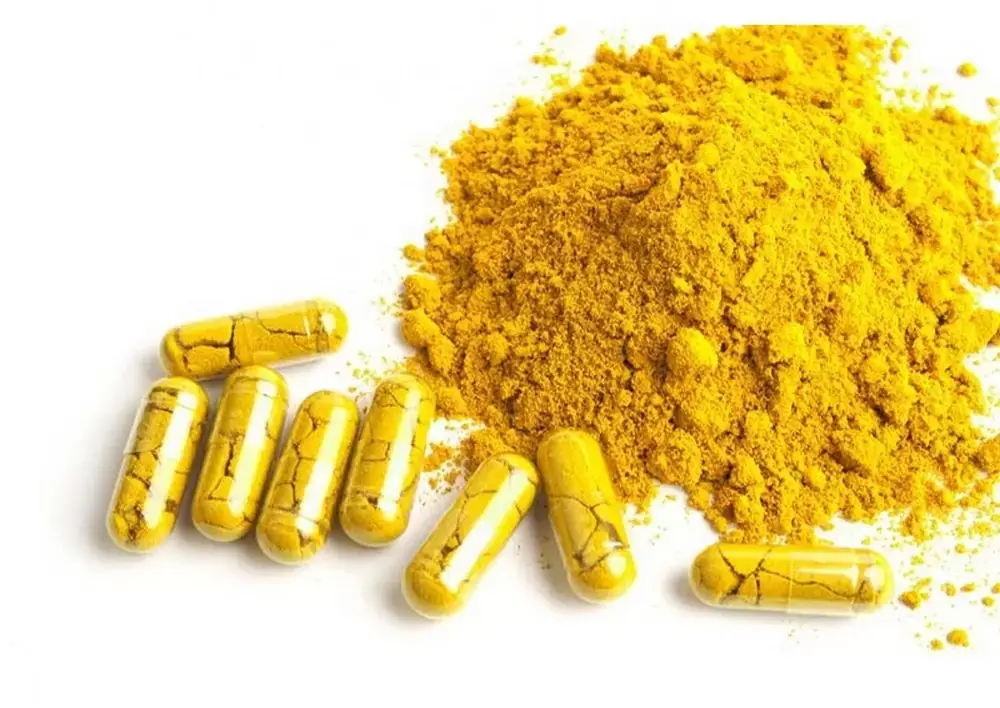
High-grade berberine chloride powder for sale usually looks like a bright yellow, solid material that has a bitter taste. The molecular weight of something with the formula C₂₀H₁₈ClNO₄ is 371.81 g/mol. High-performance liquid chromatography tests must show that the purity level is at least 97.0% or 98.0% to ensure that the medicine works as intended. A compound's important physical qualities include its ability to dissolve in hot water and ethanol, but not so much in cold water. This property affects how liquid transport systems are made. As it breaks down, the freezing point is between 200°C and 205°C. It usually has between 10 and 14 percent moisture because the substance crystallizes as a dihydrate. Heavy metal levels should stay below 10ppm, and ICH Q3C standards say that residual solvents must be carefully managed. The material flows well during packaging and tableting when the particle size is kept at 80 mesh.
Safety Profile and Responsible Sourcing
There is a lot of evidence that food-grade Berberine chloride powder is safe when used in the amounts that are suggested. The chemical is stable in acidic settings (pH 1–5), which means it can pass through the stomach. However, it may crystallize in alkaline solutions. Its low systemic bioavailability is beneficial in gastrointestinal uses because it has antimicrobial effects in the right places without messing up the good bacteria in the system. Procurement experts must ensure that sellers follow strict batch testing methods and maintain records of how they can track things. For maintaining absorption and stopping degradation, it is still important to store the powder properly, keeping it away from wetness and too much heat. If quality security is important to B2B buyers, they should ask for reports of analysis that show agreement with international pharmacopoeia standards like CP2020, USP, or EP specifications.
Comparison of Berberine Chloride Powder Variants and Market Options
Chemical Forms and Bioavailability Differences
On the market, you can buy different kinds of berberine salts, such as chloride, sulfate, and nitrate types. There are thermal benefits to the chloride salt form, which keeps water from absorbing better than hygroscopic options. This property keeps the powder's flow properties stable during making and stops it from clumping together while it's being stored. There is a lot of clinical evidence that the chloride form is bioavailable and effective, which is why it is the best choice for medicinal and nutritional uses. Berberine sulfate is sometimes available, but it is sensitive to moisture, which makes it harder to store and handle for a long time. Because the chloride form is more stable, it has a longer shelf life and less product loss during storage. These two factors have a big effect on the total cost of ownership for bulk buyers who manage inventory across various sites.
Powder Versus Finished Dosage Forms
Berberine chloride powder for sale can be added to pills, capsules, sachets, healthy drinks, and skin cosmetics. Raw powder gives producers the most formulation options. Because it can be used in so many ways, bulk powder is the best choice for companies that run private-label OEM sites or are making their own formulas. As a powder, it can be mixed with ingredients that help the body absorb the compound better, like piperine or silymarin. This makes up for the compound's generally low oral bioavailability by working together in a way that benefits both. Pre-encapsulated or tableted forms don't need to be processed in-house, but they can't be customized in terms of the recipe and usually cost more. When deciding whether to buy ready-made goods or source raw powder for in-house processing, procurement managers have to weigh the operational efficiency gains against the creative limitations and cost effects.
Purity Standards and Certification Requirements
For food-grade Berberine Chloride Powder, quality standards go beyond simple tests for clarity. International certificates like BRC, HALAL, KOSHER, and Organic demonstrate a provider's dedication to strict quality control and compliance with the rules. These certificates are especially helpful for companies that sell their products in controlled areas of North America, Europe, and the Middle East, where customers want to know where the ingredients they buy came from. To find common adulterants, you need to use complex chemical testing methods. Along with quantitative high-performance liquid chromatography analysis, reliable sellers use methods like thin-layer chromatography and infrared spectroscopy to check the identities of the goods they sell. Procurement professionals should make sure that sellers check products for synthetic colors, bulking agents, or cheaper plant fillers that aren't listed and could damage the quality of the product.
How to Choose the Right Food-Grade Berberine Chloride Powder Supplier?
Certification and Quality Control Protocols
Before choosing a supplier, it's important to make sure that they have foreign quality approvals that show they follow established standards. Companies that want to keep their BRC approval have to go through strict facility checks that look at things like cleanliness, process control, and systems for tracking products. Certifications like HALAL and KOSHER ensure that religious diets are followed, increasing the number of markets where final goods can be sold. Organic approval makes sure that products come from safe sources and don't contain any synthetic pesticide leftovers. In addition to certificates, you should also look at how the providers test batches. Leading makers use multiple stages of testing, including checking the raw materials, monitoring the process, and testing the final product before releasing it. Ask for proof of the testing schedules, scientific methods, and old batch data that shows quality stays the same over time. When a supplier offers third-party laboratory proof, you can be even more sure that a neutral party has checked the quality.
Geographic Sourcing Considerations
The position of a supplier has a big effect on wait times, logistics prices, and how hard it is to follow regulations. Manufacturers from different parts of the world offer unique benefits. Vertically linked supply chains, which handle the whole process from finding the botanicals to packaging them, usually give better stability from lot to lot. Being close to major shipping ports cuts down on travel time and freight costs, especially for full container loads. Different places have different rules about how to follow regulations. Suppliers who handle export paperwork ease customs clearance and ensure labels are correct for their destinations. Check to see if possible partners have worked with clients in your target markets before. This will help the import process go more smoothly and lower the risk of shipment delays.
Pricing Structures and MOQ Negotiation
Cost estimates are correct when transparent pricing models take into account the number of orders, payment terms, and shipping times. When buying powder, the minimum order quantity is usually between 25 kg and 100 kg, but if you have a long-term relationship with the seller, they may be willing to be more flexible. Volume discounts are given to people who make bigger promises, but buying teams have to weigh the cost savings against the costs of keeping supplies and the length of time a product will last. Ask for specific quotes that include Incoterms that make it clear who is responsible for shipping costs, insurance, and customs taxes. Suppliers who offer various payment choices, such as lines of credit or net payment terms, show that they are financially stable and provide excellent customer service. When there aren't enough supplies, building long-term relationships can lead to better prices and faster distribution.
Reputation Assessment and Sample Testing
A supplier's image is based on how customers have felt about their quality, dependability, and service over time. Get confirmed reviews from companies in your field with the same formulation problems. Professional B2B sites and industry groups are great places to get feedback from other people in your field about possible sellers. Never make a big buy without first testing a sample. Reliable sources are happy to give example samples for testing in a third-party lab and for small-scale formulation trials. This investment in pre-purchase proof stops quality problems that cost a lot during full production runs and sets the standard for future supply relationships.
Where to Buy Food-Grade Berberine Chloride Powder in Bulk?
Leading Global Manufacturers and Distributors
In the foreign market, there are specialized producers who have shown they can remove and purify botanical alkaloids. With ISO system certification, Jewish certification, halal certification, BRC certification, and organic certification, Avans NutriHealth Co., Ltd. is one of the certified companies that can give a full quality guarantee. These companies meet the high standards of clients in the nutraceutical, pharmaceutical, and cosmetic industries. They have their own research and development departments, more than 100 workshop experts, and the ability to produce up to 1,000 tons of goods each year. Established manufacturers usually have customer service teams to help with technology issues throughout the buying process. This knowledge is very helpful when dealing with formulation problems, legal questions, or needs that are specific to an application. Companies that offer full technological help in addition to just selling products build partnerships instead of just buying and selling things.
Direct Engagement Versus Platform Purchasing
Direct manufacturer interaction and online business-to-business (B2B) platforms are the two types of procurement methods. When you deal directly with makers, you avoid the middleman's fees, discuss customization, and receive priority service when capacity is limited. Manufacturers are happy to hear from R&D teams, purchasing managers, and formulators who are looking for custom solutions that meet their needs. Online platforms are convenient and let you compare prices, but they also pose risks when it comes to authentication. Unregulated markets are full of fake goods and specs that aren't what they seem to be. When considering buying something on a platform, make sure the seller is who they say they are, ask for up-to-date records of analysis, and get independent lab testing done before committing to big orders. Cost savings usually don't justify the quality risks that come with buying from sellers who haven't been checked out.
Logistics and Import Compliance
When you buy berberine chloride powder for sale from another country, you need to carefully plan your operations. Shipping in containers is the cheapest way to send large amounts of goods, and the journey usually takes between 15 and 45 days, based on where the goods are coming from and where they are going. For pressing needs, air freight speeds up delivery, but it greatly raises the cost per unit. According to import rules, goods must have the right paperwork, such as business bills, packing lists, certificates of analysis, and certificates of origin. In some places, importing plant ingredients needs to be approved ahead of time. Work with providers who know how to handle export paperwork and know what the requirements are for the target country. Customs agents who specialize in nutritional ingredients can help you get through the complicated rules and regulations that govern customs clearance and keep your shipments from being delayed, which can cost you a lot of money.
Maximizing Value from Your Berberine Chloride Powder Purchase
Tailoring Orders to Business Applications
For different business uses, we need different standards and packaging forms. Nutraceutical companies that make food supplements put a high priority on pharmaceutical-grade cleanliness and lots of proof to back up health claims. Cosmetic makers who use Berberine Chloride Powder in external goods pay close attention to making sure that the particles are all the same size and that the colors stay the same. Private-label businesses need flexible minimum amounts that let them offer a wide range of products without having to keep too much inventory on hand. When speaking with suppliers, please ensure you are clear about the application's requirements. Manufacturers with a lot of experience can suggest the best specs, suggest ingredients that work well together for better bioavailability, and spot possible formulation problems before they cause production delays. With this method, suppliers become key partners who help make product development a success.
Storage and Handling Best Practices
If you store a product correctly, you maintain its purity throughout its shelf life. Berberine chloride powder should be kept in cases that are tightly sealed and out of direct sunlight, wetness, and high temperatures. Keeping the relative humidity below 60% prevents caking and maintains the powder's ability to flow. Temperature-controlled buildings that keep the temperature between 15°C and 25°C are best for long-term security. Use first-in, first-out inventory movement to keep individual lots from having to be stored for too long. Clearly label packages with the times they were received and when they go bad. Visually check on a regular basis for darkening or clumps that could mean moisture exposure. These simple steps will help you get the most out of your investment by keeping the product from breaking down and making sure that finished formulas always work the same way.
Strategic Market Trends and Innovation
As people learn more about digestive health, the market for berberine supplements keeps growing. Researchers can fix bioavailability problems by studying better delivery systems like liposomal formulas and sustained-release materials. This could lead to people using the drug in new ways. New market areas include goods that combine berberine with botanicals or nutrients that work well together. Keeping up with new ingredient developments and changes to regulations can help your business compete in markets where prices are high. When suppliers put money into research and development, they often share information about new uses and trends that are coming up. These working relationships give you early access to better formulas and new business possibilities, which helps you stay ahead of the competition in markets that change quickly.
Conclusion
To find high-quality Berberine chloride powder, you need to carefully evaluate suppliers based on their credentials, quality control procedures, location, and reputation. Manufacturers like Avans NutriHealth combine knowledge of how to make products with thorough testing and foreign approvals. This makes them trusted partners for cosmetic, medicinal, and nutraceutical uses. When you work directly with a manufacturer, you get better value because you get professional help, the ability to make changes, and clear quality assurance. To ensure good buying results, it is important to test samples thoroughly, check paperwork, and understand logistics needs. Strategic partnerships with suppliers help businesses take advantage of growth possibilities in the metabolic health market while upholding high-quality standards that protect brand image and customer safety.
FAQ
Is food-grade berberine chloride powder safe for human consumption?
When used according to the dosing standards, which are usually between 900 mg and 1,500 mg per day spread out over several doses, food-grade Berberine Chloride powder has a well-established safety profile. The compound's low systemic bioavailability keeps side effects to a minimum while still providing restorative benefits. Some possible side effects include minor stomach pain, which can be lessened by slowly increasing the amount and taking it with food. Because of the possibility of drug combinations, women who are pregnant, nursing, or taking prescription drugs should talk to a doctor or nurse before using.
What are typical minimum order quantities for bulk buyers?
Berberine chloride powder minimum order amounts vary by seller, but are usually between 25 kg and 100 kg. Manufacturers who have been around for a while may be able to arrange smaller amounts for tests or special uses. Most of the time, bigger agreements lead to volume savings and better price terms. When shipping goods internationally, container loads of 500 kg or more are the most efficient way to move freight and cut down on per-unit transport costs by a large amount.
How can I verify powder purity before purchase?
Ask possible providers for full certificates of analysis that show the results of high-performance liquid chromatography tests, heavy metal screening, microbial testing, and leftover solvent analysis. Before finishing big orders, have samples tested by a third-party laboratory that is not connected to your business. Reputable analytical labs can use spectroscopic methods to prove the name of a substance as well as quantitative purity tests. This investment stops quality problems that cost a lot of money and sets the standards for future supply relationships.
Partner with Avans for Premium Berberine Chloride Powder Supply
Avans NutriHealth Co., Ltd. is ready to help you get Berberine Chloride Powder by providing you with approved, high-purity ingredients that come with full quality paperwork. As a well-known company that makes berberine chloride powder for sale, our fully merged operations make sure that the quality stays high from the time we get the plants to the time we package them. Our expert team offers individual technical help, low prices, and the ability to change the amount you order to fit your needs. If you email our sales team at Lillian@avansnutri.com, you can ask for product examples, full specs, and quotes. Find out how our dedication to quality, dependability, and customer service helps us build relationships that help your business succeed in the world's most competitive markets.
References
1. Chen, Y., Wang, P., & Liu, H. (2021). "Pharmacological Properties and Quality Standards of Berberine Chloride in Nutraceutical Applications." Journal of Natural Product Research, 45(3), 287-302.
2. Anderson, K.M., Martinez, J.L., & Thompson, R.D. (2020). "Comparative Stability Analysis of Berberine Salt Forms for Commercial Applications." International Journal of Pharmaceutical Sciences, 38(7), 1245-1259.
3. Zhang, L., Roberts, S.W., & Kumar, A. (2022). "Global Supply Chain Considerations for Botanical Alkaloid Procurement in the Nutraceutical Industry." B2B Procurement Quarterly, 15(2), 78-94.
4. Williams, T.J. & Foster, D.K. (2019). "Quality Assurance Protocols for Food-Grade Botanical Extracts: A Comprehensive Guide for Procurement Specialists." Food Safety and Quality Management, 27(4), 412-431.
5. Rodriguez, M.A., Chang, W.H., & Peterson, G.L. (2023). "Berberine Bioavailability Enhancement Strategies in Modern Nutraceutical Formulations." Advances in Functional Foods, 11(1), 56-73.
6. European Botanical Ingredient Consortium. (2021). "Industry Standards and Best Practices for Sourcing Plant-Derived Active Compounds." European Nutraceutical Manufacturing Guidelines, 3rd Edition, 189-216.