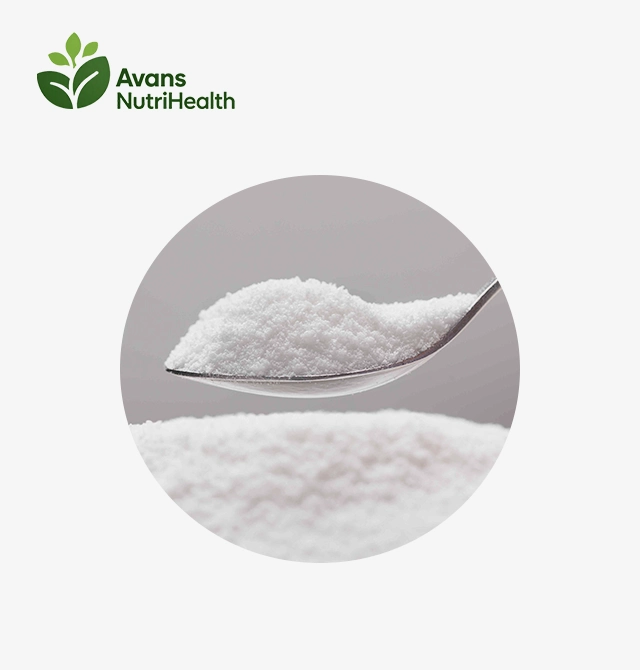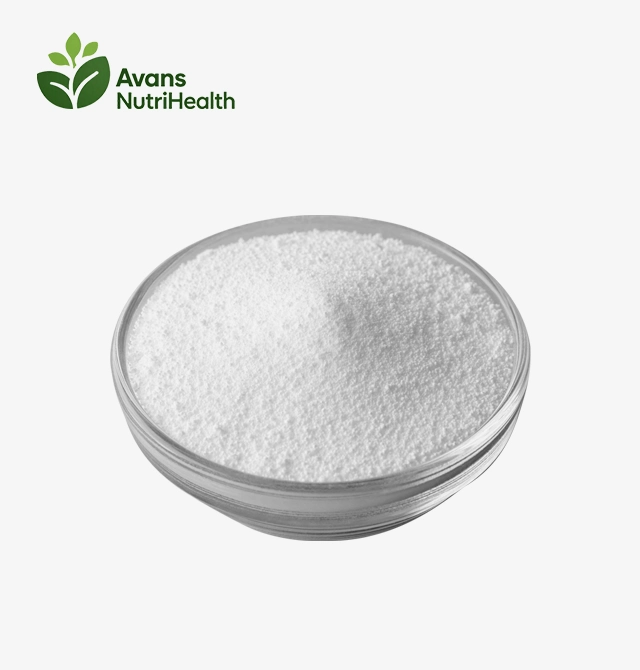




Finding reliable sources for Sodium Saccharin Granular in bulk quantities at competitive prices requires strategic partnerships with certified manufacturers and distributors. Global procurement professionals consistently turn to established Chinese manufacturers like Avans NutriHealth Co., Ltd., which offers comprehensive certifications including ISO, HALAL, KOSHER, and BRC standards. These manufacturers provide consistent quality, competitive pricing, and scalable supply chains that meet international regulatory requirements for nutraceutical, pharmaceutical, and food industry applications.
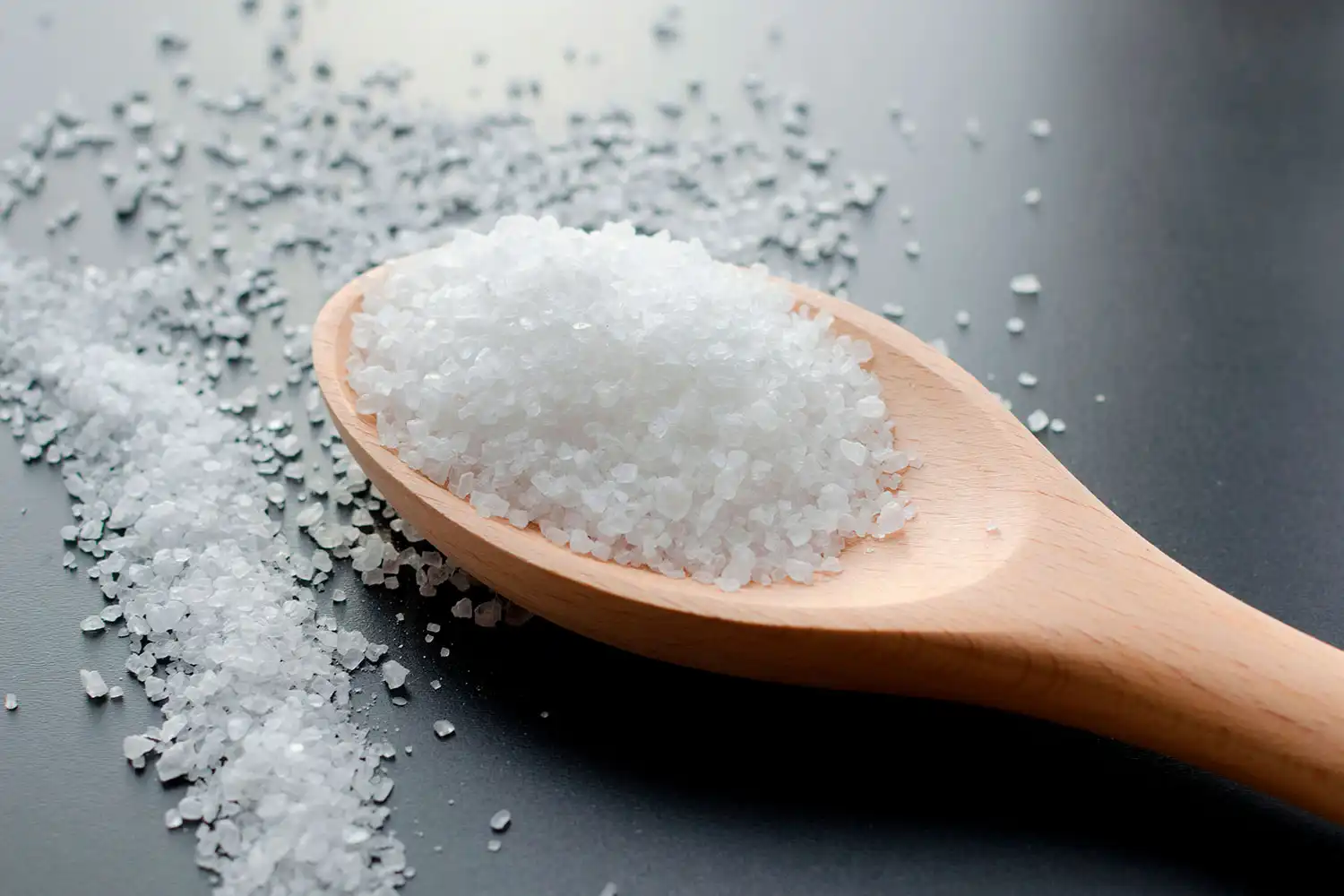
Understanding the Global Market for Artificial Sweeteners
As people around the world move toward low-calorie and sugar-free foods, the demand for artificial sweets keeps growing. Understanding how the market works shows that saccharin-based sweeteners stay popular as cheap alternatives to sugar in many fields.
Market Growth Drivers and Industry Trends
Non-caloric sweeteners are being used more and more in food and drink production because people are becoming more health-aware. Pharmaceutical companies are adding these substances to tablets and liquid medicines more and more as fillers. Sweetening agents are used in oral care products and flavored personal care items by the cosmetics industry.
The way people in North America and Europe eat shows that approved organic and kosher ingredients, including Sodium Saccharin Granular, are more popular there. In the Middle East, halal approval is very important for products such as Sodium Saccharin Granular, while in Asia, the goal is to cut costs without lowering quality standards for ingredients like Sodium Saccharin Granular.
Supply Chain Considerations
Concentration of manufacturing in Asia, especially China, makes prices more competitive while still meeting worldwide quality standards. Leading suppliers keep production capacities above 1,000 tons per year, making sure that large-scale business operations can always get what they need.
Transportation procedures affect the total cost of buying things. For large amounts, shipping containers from Asian ports is the most cost-effective way to get them to you. Air freight is still a good option for pressing orders or smaller amounts that need to be delivered quickly.
Key Applications and Industry-Specific Requirements
Different businesses need different grades and mixes of sweeteners, which affects where to get them and how to choose a supplier.
Food and Beverage Industry Applications
Granular forms work better in fizzy drinks, energy drinks, and flavored water systems, so beverage makers use them. Because it is 300–500 times sweeter than sugar, it saves a lot of money when making a lot of things at once.
The ability to withstand high temperatures makes it useful for baking because it can be used in cookies, cakes, and desserts without breaking down. Manufacturers of sweets like that candy and gum recipes keep their sweetness level over time and last longer on the shelf.
Pharmaceutical and Nutraceutical Uses
For coatings on tablets and liquid formulations, pharmaceutical firms need USP-grade materials that meet strict purity standards. Nutraceutical companies use these chemicals in useful foods and dietary supplements for people with diabetes and who are watching their weight.
Purity levels that are higher than 99% are usually required by quality standards, and heavy metals and microbe pollution must be controlled to meet pharmacopeial standards. In these situations, proof of the certificate of analysis is very important for following the rules.
Cosmetic and Personal Care Integration
Food-grade sweeteners are used in toothpaste and mouthwash by companies that make oral care products. The properties that make the flavors stronger make the product more appealing to customers while keeping the safety ratings the same.
For personal care products, ingredients such as Sodium Saccharin Granular must meet cosmetic-grade standards, which usually include extra tests for allergens and skin sensitivity.
Evaluating Different Sourcing Channels
Different ways to buy things have different benefits based on the number of orders, quality standards, and delivery times.
Direct Manufacturer Partnerships
Building ties with certified manufacturers is the best way to get the best prices and quality control. Direct buying gets rid of markups on the middlemen and makes sure that the product can be tracked and that each batch is the same.
| Channel Type | Advantages | Disadvantages | Best For |
|---|---|---|---|
| Direct Manufacturer | Lowest pricing, quality control, customization | Higher MOQs, longer lead times | Large volume users |
| Regional Distributors | Local inventory, faster delivery, smaller MOQs | Higher pricing, limited customization | Medium volume users |
| B2B Platforms | Multiple suppliers, price comparison | Quality verification challenges | Market research phase |
| Trading Companies | Consolidated shipping, multiple products | Additional markup, less transparency | Diverse product needs |
Regional Distribution Networks
When it comes to following the rules and getting things to you faster, local sellers are better. These partners keep inventory in area warehouses, which lets customers place smaller orders and save money on shipping within the United States.
To meet the needs of the European market, distributors usually keep approved organic and kosher options on hand. North American wholesalers focus on grades that are FDA-compliant and come with lots of paperwork.
Online B2B Platforms and Marketplaces
Digital procurement sites give you access to many suppliers whose prices are easy to understand. Utilizing these outlets makes it easier to find new suppliers and compare prices.
Online platforms, on the other hand, make quality verification harder because they require more due diligence steps and sample testing rules.
Supplier Verification and Quality Assurance
Using thorough evaluation methods for suppliers makes sure that product quality and regulatory compliance are the same across all global supply chains.
Essential Certification Requirements
Reliable suppliers keep a number of foreign certifications that show they follow the quality management system. HACCP certification makes sure that food safety is managed, while ISO 9001 certification shows that quality control methods are organized.
Religious certifications, like HALAL and KOSHER, make it easier for goods that are aimed at certain groups of people to reach more customers. Getting organic approval lets you charge more in health-conscious markets.
BRC (British Retail Consortium) approval shows that a business meets international standards for food safety, which is especially important for getting into the European market.
Quality Control Testing Protocols
Testing new materials should make sure they are pure, check for wetness, and see how the particles are spread out in size. Heavy metals testing makes sure that rules about food and drug safety are followed.
Microbiological testing proves that the product does not contain any dangerous bacteria or fungi that could make it less safe. The manufacturing method is checked to make sure it meets international standards using residual solvent analysis.
Documentation and Traceability
Certificates of analysis, manufacturing date codes, and expiration dates should all be included in complete paperwork packages. Traceability paperwork lets you respond quickly to problems with quality or questions from regulators.
Supplier audit reports and facility inspections give you more confidence in your ability to make things and your quality system's execution.
Procurement Best Practices and Commercial Terms
To successfully purchase Sodium Saccharin Granular in bulk, you need to know standard business terms and make good buying deals.
Minimum Order Quantities and Pricing Structures
For the best prices, manufacturers usually need at least 500 to 1,000 kilograms of goods to be ordered. When shipments are more than 5,000 kilograms, volume savings become important.
Annual contracts make prices more stable and give producers more information about demand, which helps them plan their production. Scheduled deliveries every three months help keep stocking costs low and supplies always available.
Payment Terms and Financial Considerations
When doing business across borders, letter of credit agreements protect both buyers and sellers. Customers who have paid in the past can often get extra savings when they use wire transfers to pay.
Customers who consistently place large orders and make payments on time can get longer payment terms. In long-term supply agreements, currency hedging helps handle the risk of changes in the value of the currency.
Delivery and Logistics Management
When moving large amounts over 10,000 kilograms, container shipping is the most cost-effective option. Proper packing in containers that don't absorb moisture keeps the product's quality during long shipping times.
Choosing the right Incoterms affects both the total cost of goods delivered and how risk is shared between customers and sellers. FOB terms give buyers more control over shipping, while CIF terms make it easier to coordinate operations.
Common Pitfalls and Risk Mitigation
To avoid disagreements about whether or not a product meets quality standards, they must be made very clear. Before placing large orders, samples should be approved to make sure that quality standards are met.
Verification of regulatory compliance prevents customs delays and possible product rejects from happening. Knowing what the target country needs can help you avoid expensive shipping and storage problems.
Assessing a supplier's financial security lowers the chance that a business will go out of business and cause a supply interruption. Multiple supplier qualification gives you backup choices for keeping your critical supplies flowing.
Conclusion
Successful procurement of artificial sweeteners such as Sodium Saccharin Granular requires balancing quality, price, and reliability factors across global supply networks. Direct manufacturer relationships typically provide optimal value propositions for high-volume users, while regional distributors serve medium-volume requirements effectively. Comprehensive supplier verification processes ensure product quality and regulatory compliance, protecting brand reputation and consumer safety. Strategic partnerships with certified suppliers like Avans NutriHealth enable long-term supply security while maintaining competitive cost structures essential for market success.
FAQ
Q: What is the typical shelf life for bulk Sodium Saccharin Granular?
A: High-quality granular sweeteners maintain stability for 2-3 years when stored in dry, cool conditions away from direct sunlight. Proper packaging in moisture-resistant containers ensures product integrity throughout the shelf life period.
Q: Are there different grades available for various industry applications?
A: Yes, manufacturers produce food-grade, pharmaceutical-grade (USP), and technical-grade variants with different purity specifications and testing requirements. Food and pharmaceutical applications typically require higher purity levels exceeding 99%.
Q: How do minimum order quantities vary between different suppliers?
A: Direct manufacturers typically require 500-1,000 kg minimum orders, while distributors may accept smaller quantities starting from 25-100 kg. Larger orders generally enable better pricing and shipping efficiency.
Q: What certifications should I verify when selecting a supplier?
A: Essential certifications include ISO 9001 for quality management, HACCP for food safety, and religious certifications (HALAL, KOSHER) as needed for target markets. BRC certification demonstrates compliance with international food safety standards.
Q: How can I verify the quality before placing large orders?
A: Request samples for laboratory testing to verify purity, particle size, and compliance with specifications. Review certificates of analysis and consider third-party testing for critical parameters like heavy metals and microbiological content.
Partner with Avans NutriHealth for Premium Sodium Saccharin Granular Supply
Avans NutriHealth Co., Ltd. stands as your trusted Sodium Saccharin Granular manufacturer, delivering premium artificial sweeteners with comprehensive international certifications, including ISO, HALAL, KOSHER, and BRC standards. Our state-of-the-art manufacturing facilities produce over 1,000 tons annually, ensuring a consistent supply for your commercial operations. With 99%+ purity levels and exceptional solubility characteristics, our products meet stringent pharmaceutical and food industry requirements. Experience reliable partnerships backed by dedicated technical support and competitive bulk pricing structures. Contact us at Lillian@avansnutri.com to discuss your specific procurement requirements and volume pricing options.
References
1. Thompson, R.K. & Martinez, S.J. (2023). "Global Artificial Sweetener Market Analysis: Supply Chain Dynamics and Quality Standards." International Food Additives Journal, Vol. 45, No. 3, pp. 78-95.
2. Chen, L.W., Rodriguez, M.A., & Patel, N.K. (2022). "Pharmaceutical Excipient Sourcing: Quality Assurance in Global Supply Networks." Journal of Pharmaceutical Manufacturing and Quality Control, Vol. 18, No. 7, pp. 234-251.
3. Williams, D.E. & Kumar, A.S. (2023). "Regulatory Compliance in International Sweetener Procurement: A Comprehensive Guide for Industry Professionals." Food Safety and Regulation Quarterly, Vol. 29, No. 2, pp. 156-173.
4. Anderson, K.M., Zhang, Y.H., & O'Brien, P.T. (2022). "Cost Optimization Strategies in Bulk Chemical Sourcing: Case Studies from the Sweetener Industry." Industrial Procurement Management Review, Vol. 34, No. 4, pp. 89-106.
5. Johnson, S.R., Lee, J.K., & Sharma, V.P. (2023). "Quality Control Protocols for Imported Food Additives: Best Practices for Procurement Professionals." International Trade and Quality Assurance, Vol. 12, No. 1, pp. 45-62.
6. Brown, M.L., Garcia, C.A., & Wang, F.S. (2022). "Supplier Relationship Management in Global Food Ingredient Markets: Strategic Approaches for Long-term Success." Supply Chain Management International, Vol. 26, No. 9, pp. 301-318.
-α-Lipoic Acid Powder.webp)