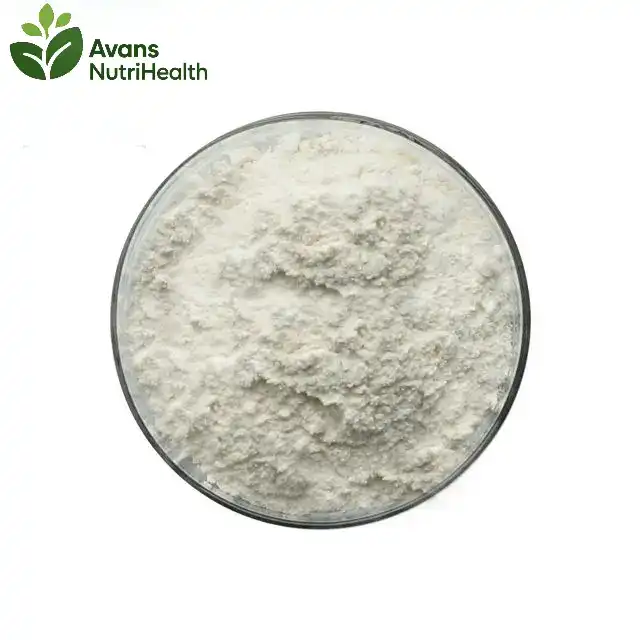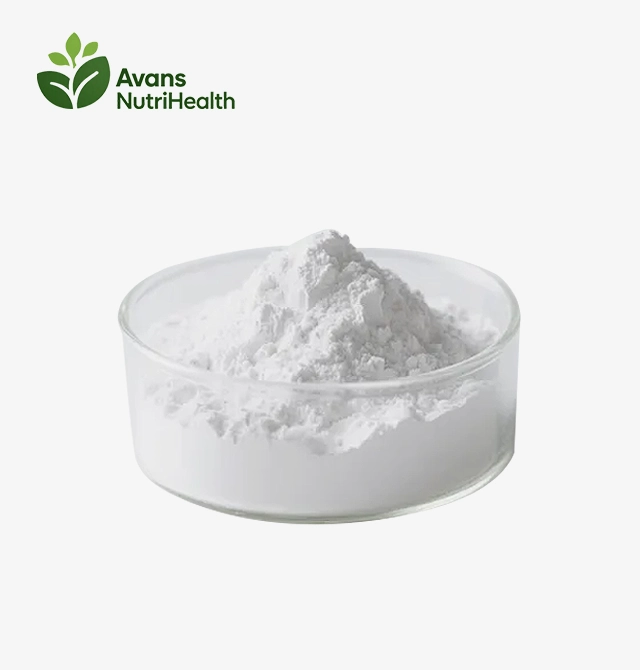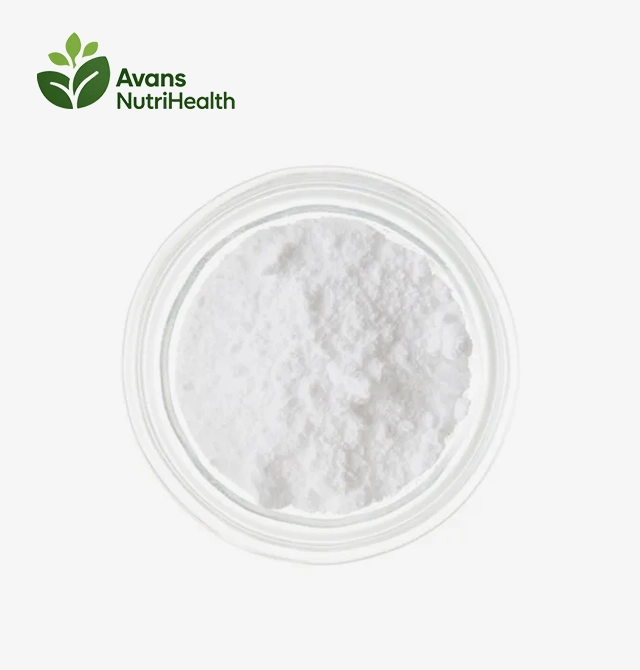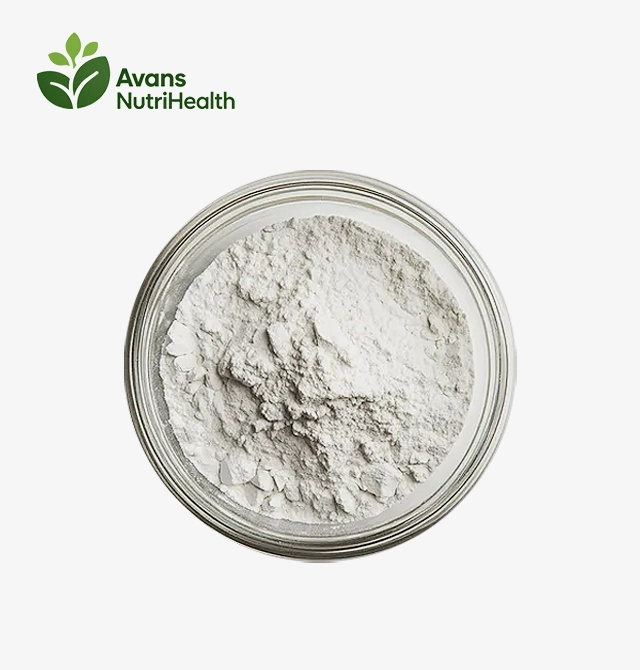




Finding a reliable supplier for Bulk Creatine Monohydrate Powder requires careful evaluation of quality standards, certifications, and pricing structures across global markets. Leading manufacturers like Avans NutriHealth Co., Ltd. offer pharmaceutical-grade creatine monohydrate with comprehensive certifications, including ISO, HALAL, KOSHER, and USDA organic approvals. The best procurement strategies focus on verified suppliers who maintain consistent quality, competitive pricing, and reliable supply chains to meet your manufacturing requirements.
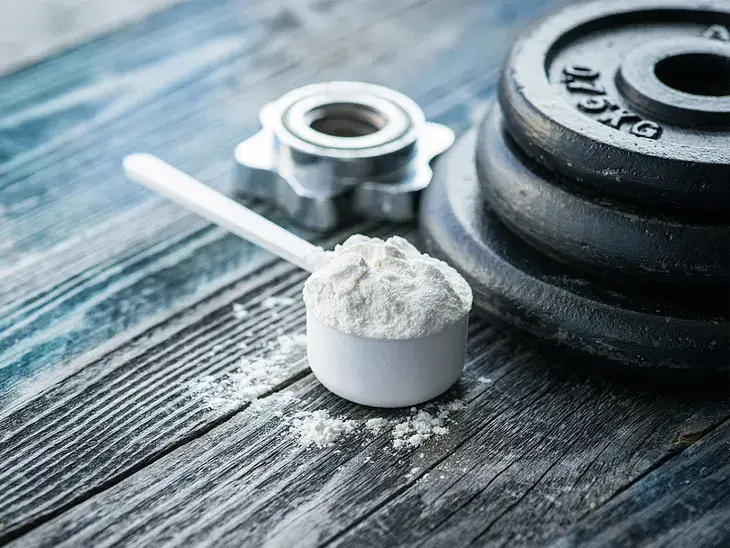
Understanding the Global Creatine Monohydrate Market Landscape
The global market for creatine supplements keeps growing because more people want them in the sports nutrition, vitamin, and pharmaceutical industries. This growth brings both chances and problems when it comes to getting pure creatine for business use.
Market Dynamics Driving Demand
The current market conditions for buying creatine monohydrate are affected by a number of things. A big part of the demand comes from the fitness supplement business, which wants pure creatine monohydrate for pre-workout supplements and muscle recovery products. Pharmaceutical companies are becoming more aware of creatine's therapeutic potential, which goes beyond improving athletic ability.
Researchers and doctors are looking into how creatine can be used to help neurological disorders and conditions that cause muscles to lose mass. This growing interest in medicine provides new demand streams that go beyond the usual fitness markets. Manufacturers of animal feed also add creatine to improve the performance of livestock, which expands the market's uses even more.
Regional Supply Variations
Both price and supply of Bulk Creatine Monohydrate Powder are affected by where it is sold. The world's production ability is dominated by Asian companies, especially those in China, which also keep their prices low. European suppliers stress high standards for quality and full paperwork for markets that are regulated.
North American distributors often act as go-betweens, offering local stock and technical help. When procurement managers understand these area factors, they can come up with better sourcing plans that balance cost, quality, and supply security.
Applications and Advantages of Commercial-Grade Creatine
Using high-quality creatine monohydrate has many benefits in many different fields. Knowing about these benefits helps buyers see value in offers in more ways than just price.
Sports Nutrition Applications
One benefit of creatine monohydrate is that it speeds up the recovery of ATP during intense exercise, which helps you do better in your workouts and build muscle. This ingredient is used in a lot of different products, like protein powders, pre-workout supplements, and creatine supplements that you buy on their own.
Because the compound has been shown to work well in strength training, it is an important ingredient in bodybuilder supplements. When athletes use properly made creatine products, their power output goes up, and their fatigue goes down. Sports nutrition brands consistently see demand based on this well-known performance profile.
Pharmaceutical and Medical Applications
Medical study shows that creatine can be used for more than just improving athletic performance. Its use in treating muscular dystrophy, Parkinson's disease, and other diseases affecting cellular energy metabolism is being studied in clinical trials. Pharmaceutical companies need the purest types that meet strict government standards.
The compound helps cells make energy at the most basic level, which makes it useful for medical nutrition goods. More and more hospitals and other healthcare facilities are realizing that creatine can be used for therapeutic purposes. This opens up new market segments for qualified providers.
Emerging Applications
Cosmetic companies are looking into how creatine can help fight aging and give cells energy. Early research shows that these could be used in skin care products that target energy metabolism and cell renewal. These new uses open up new market possibilities that go beyond traditional supplement categories.
Analyzing Supply and Demand Dynamics Worldwide
The global Bulk Creatine Monohydrate Powder market is complicated because it depends on production capacity, government rules, and the buying habits of end users. Effective procurement plans are based on understanding these forces.
Production Capacity and Quality Standards
Different major manufacturing areas have different production and quality standards. Chinese manufacturers make more than any other country's manufacturers combined, and they put a lot of money into improving quality and getting foreign certifications. Cost savings at these facilities are common because of economies of scale and supply lines that work together.
European makers stress high quality and lots of paperwork to show they are following the rules. Their goods usually cost more, but they have benefits in markets with strict rules that need a lot of quality control.
Demand Patterns Across Industries
The biggest group of demand comes from companies that make supplements. For large-scale uses, they need consistent quality and low prices. When they buy things, they usually sign annual contracts with well-known sellers that give them volume discounts and supply guarantees.
Pharmaceutical firms want the purest grades with full documentation and compliance with all regulations. These buyers care more about quality and consistency than about saving money, which makes these buyers premium market segments for qualified providers.
Cosmetics and animal feed are two areas of growing demand that have specific quality needs. These markets provide chances for companies that make specialized goods to meet specific wants in different applications.
Comparing Different Sourcing Channels and Suppliers
Using more than one way to buy something has different pros and cons. By weighing these choices, buyers can choose the best sourcing strategies for their needs.
Direct Manufacturer Relationships
There are a lot of benefits to working directly with creatine monohydrate providers like Avans NutriHealth. Because there are no middlemen, there are no markups, so prices are competitive for big purchases. Manufacturers provide technical help, allow for custom packaging, and make the supply chain clear.
Talking to the production teams makes it easier to talk about quality control and make changes to specifications. Direct purchasing, on the other hand, usually has higher minimum orders and longer wait times. Buyers are also responsible for handling foreign shipping, clearing customs, and making sure the quality is acceptable.
Regional Distributors and Warehouses
Local distributors keep supplies close by and cut down on lead times. They usually have lower minimum order amounts, which helps flexible buying strategies. Regional partners know the rules in the area and can provide proof that they are being followed.
But markup margins are added to distributor prices, which raises total costs. There may not be as many products to choose from as when you buy directly from the maker. Controlling quality relies on the standards of the distributor and the conditions of storage.
B2B Trading Platforms
Online platforms put buyers of Bulk Creatine Monohydrate Powder in touch with many sellers, so they can compare prices and rate suppliers. A lot of the time, these sites offer rating systems and services that keep transactions safe. They make it easier to find suppliers and make the first contact.
Platform flaws include limited quality control and possible contact problems. There are different levels of price transparency, and site fees may change the total cost. Even though the platform is being watched, due diligence standards are still very important.
Comparison Table: Sourcing Channel Analysis
| Channel Type | Price Level | MOQ Requirements | Quality Control | Lead Times | Technical Support |
|---|---|---|---|---|---|
| Direct Manufacturer | Lowest | High (1-25 tons) | Highest | Longest (2-4 weeks) | Excellent |
| Regional Distributor | Medium | Medium (50-500 kg) | Good | Short (1-2 weeks) | Limited |
| B2B Platform | Variable | Variable | Variable | Variable | Minimal |
| Trading Company | Higher | Medium | Dependent | Medium | Basic |
Practical Procurement Guidelines and Best Practices
To buy creatine successfully, you need to evaluate suppliers, check their quality, and handle your relationships with them in a planned way. These rules help buyers avoid common problems and make sure they get the best supply arrangements.
Supplier Verification and Due Diligence
A full study of a supplier starts with a review of their certification. Check for ISO 22000, HACCP, BRC, and any other related organic certifications. Get up-to-date certificates and check with the issuing authorities to make sure they are still good. Look at the documentation and quality control processes in the manufacturing facility.
When you can, do audits of your real or virtual facilities. Check out the conditions of the storage areas, quality control labs, and production tools. Look at customer references and the reputation of the business. Check the production capacity and financial stability to make sure there will be a steady supply in the long run.
Quality Control and Testing Protocols
Set clear quality standards, such as amounts of purity, mesh size, and limits on contaminants. With few impurities, pure creatine monohydrate should meet medicinal standards. Ask for reports of analysis for each batch and check the methods used for testing.
Set up processes for incoming inspections that include checking people's identities and testing for purity. For important uses, you might want to use third-party laboratory verification. Set clear standards for acceptance and clear steps for rejection. For regulatory compliance, all quality control actions must be written down.
Commercial Terms and Contract Negotiation
Different providers have very different minimum order amounts. Direct makers usually need at least 1 to 25 tons, but distributors may be able to take less. Talk about prices based on yearly volumes and how you want to be paid.
A 30% deposit is usually required, and the rest is due when the shipping papers are ready. Large deals are protected by letter of credit agreements. Think about how the prices of commodities might change and set up ways for long-term contracts to adjust prices.
Direct orders from manufacturers take between 2 and 4 weeks to arrive, while distributor inventory takes only 1 to 2 weeks. Include clauses for "force majeure" and make plans for a backup provider. List the needs for packaging, such as bag sizes, labels, and paperwork.
Common Procurement Pitfalls to Avoid
Avoid sellers who offer prices that are much lower than the market average without a good reason. When prices are very low, it usually means that quality has been lowered or the supply isn't stable. Make sure the product is real by trying it properly and reading the paperwork.
Set reasonable lead time goals and stay away from buying things at the last minute. Keep enough safety stock on hand based on how much you normally buy. To make sure you always have supplies, build ties with several qualified suppliers.
Carefully read over the contract's terms, such as the quality requirements, delivery terms, and ways to settle disagreements. Make sure you follow the local rules for importing things and keep the right paperwork for customs clearing.
Industry-Specific Requirements and Considerations
Different business areas have different needs when it comes to getting creatine monohydrate. Knowing these requirements helps buyers choose the right suppliers and goods.
Nutraceutical Industry Requirements
Supplement makers need quality that is consistent and meets the standards of Good Manufacturing Practice. Products have to follow the rules set by the FDA for dietary supplements or foreign standards that are similar. The recommended daily dose of creatine is usually between 3 and 5 grams, which affects the needs for packing and formulation.
For nutritional labels to work, they need to have correct statements about allergens and potency. Label claims must be backed up by the right paperwork from suppliers. Think about getting organic approval for high-end lines of products that are aimed at health-conscious customers.
Pharmaceutical Industry Standards
For pharmaceutical uses, you need USP or pharmaceutical-grade products that meet strict purity standards. It's necessary to keep full batch paperwork, which includes manufacturing records and stability data. Facilities that supply goods must keep their cGMP certification and go through frequent inspections.
Drug applications may need help with regulatory filing. When suppliers send regulatory documents, they should include master files or other technical information to back them up. Change control procedures make sure that the standard of commercial production stays the same.
Cosmetic Industry Specifications
For cosmetic uses, you need materials that meet safety standards, such as INCI name compliance. Suppliers must show safety information for makeup use, such as studies on skin irritation and sensitization. Think about how long it needs to be kept and whether it works with cosmetic formulation methods.
Conclusion
Successful procurement of high-quality Bulk Creatine Monohydrate Powder requires balancing multiple factors, including cost, quality, reliability, and regulatory compliance. Direct relationships with established manufacturers like Avans NutriHealth offer advantages in pricing, technical support, and supply security. Comprehensive supplier evaluation, clear quality specifications, and proper due diligence protect against common procurement risks while ensuring optimal value for your investment. The global creatine market offers numerous opportunities for buyers who understand market dynamics and implement systematic procurement strategies.
FAQ
Q: What minimum order quantities should I expect when buying bulk creatine monohydrate powder?
A: Minimum order quantities vary by supplier type. Direct manufacturers typically require 1-25 tons per order, while regional distributors may accept 50-500 kg minimums. Trading companies and B2B platforms offer more flexible quantities, often starting at 25-100 kg. Consider your storage capacity and consumption rates when evaluating MOQ requirements.
Q: How can I verify the quality and authenticity of creatine monohydrate suppliers?
A: Verify supplier certifications, including ISO, HACCP, BRC, and relevant organic or halal certifications. Request current certificates of analysis and manufacturing documentation. Conduct facility audits when possible and review customer references. Implement incoming inspection protocols and consider third-party laboratory testing for quality verification.
Q: What are typical lead times for bulk creatine monohydrate orders?
A: Lead times depend on the sourcing channel and order size. Direct manufacturer shipments typically require 2-4 weeks, including production and shipping. Regional distributor inventory may ship within 1-2 weeks. Custom packaging or special specifications may extend lead times. Plan procurement schedules accordingly and maintain appropriate safety stock levels.
Partner with Avans NutriHealth for Premium Bulk Creatine Monohydrate Powder
Avans NutriHealth stands as a trusted Bulk Creatine Monohydrate Powder manufacturer offering pharmaceutical-grade quality with comprehensive certifications, including ISO, HALAL, KOSHER, and organic approvals. Our GMP-certified facilities ensure consistent purity levels exceeding 99.9% with competitive pricing and reliable global delivery. With over 338 distributors covering 280 cities and partnerships with 30+ research institutions, we provide unmatched technical support and supply chain reliability. Ready to secure your creatine supply with a proven industry leader? Contact us at Lillian@avansnutri.com to discuss your specific requirements and receive detailed quotations.
References
1. Kreider, R.B. et al. "International Society of Sports Nutrition position stand: safety and efficacy of creatine supplementation in exercise, sport, and medicine." Journal of the International Society of Sports Nutrition, vol. 14, 2017.
2. Antonio, J., and Ciccone, V. "The effects of pre versus post workout supplementation of creatine monohydrate on body composition and strength." Journal of the International Society of Sports Nutrition, vol. 10, 2013.
3. Avgerinos, K.I., et al. "Effects of creatine supplementation on cognitive function of healthy individuals: A systematic review of randomized controlled trials." Experimental Gerontology, vol. 108, 2018.
4. Rawson, E.S., and Volek, J.S. "Effects of creatine supplementation and resistance training on muscle strength and weightlifting performance." Journal of Strength and Conditioning Research, vol. 17, no. 4, 2003.
5. Gualano, B., et al. "Creatine supplementation and brain bioenergetics in mild cognitive impairment." Neurology, vol. 95, no. 4, 2020.
6. Ostojic, S.M. "Creatine supplementation in young soccer players." International Journal of Sport Nutrition and Exercise Metabolism, vol. 14, no. 1, 2004.
_1768378293441.webp)