




What Should You Look for in a Sialic Acid Powder Manufacturer?
When sourcing Sialic Acid Powder for pharmaceutical, nutraceutical, or cosmetic applications, procurement professionals face a complex decision landscape. Selecting the right manufacturer isn't merely about comparing price points—it demands careful evaluation of production capabilities, quality assurance systems, regulatory compliance, and supply chain reliability. The global market for N-acetylneuraminic acid (NANA), commonly known as sialic acid, has expanded significantly as research reveals its therapeutic potential in immune modulation, cognitive health, and anti-aging formulations. B2B buyers must navigate through countless suppliers to identify partners who deliver consistent purity, maintain international certifications, and provide technical support throughout the product lifecycle. This comprehensive guide explores the critical factors that distinguish exceptional manufacturers from ordinary suppliers, empowering procurement teams to make informed decisions that protect product integrity and business continuity.
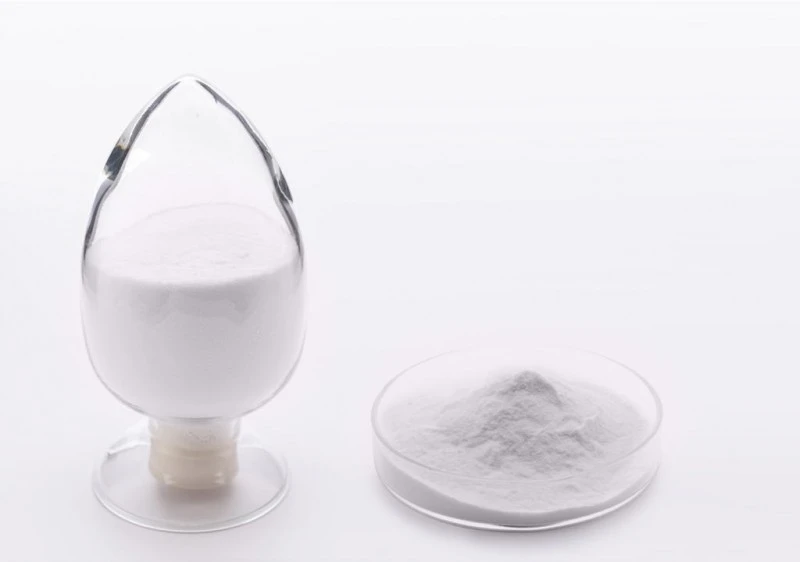
Understanding the Key Decision Criteria for Sialic Acid Powder Manufacturers
Getting clear on your unique needs is the first step to successful procurement. Different businesses need different types of this bioactive compound, and knowing these differences will help you choose a seller.
Defining Your Procurement Specifications
Your buying plan should be in line with the apps that will be used. Pharmaceutical companies working on antiviral drugs need materials that are pharmaceutical-grade and have purity levels above 98%. On the other hand, beauty companies making anti-aging serums may focus on specific particle size distributions to help the products get deeper into the skin. Nutraceutical companies that make vitamins for brain health need versions that are safe for food and have the right certifications. It's also important to know how much you need, like whether you need small batches for research and development or tonnes for mass production. These factors are what your supplier evaluation framework is built on.
Core Quality Metrics That Matter
Quality standards go beyond simple tests for purity. Leading makers show strict testing methods that check for heavy metals, microbes, chemicals that are still present, and optical rotation values. The place where the product was made has a big effect on its properties. For example, scientifically, versions made from edible bird's nest or cheese whey are different from versions made in a lab using enzymes. Being aware of these technology differences helps buying teams set the right quality standards and test requirements.
Essential Certifications for Regulatory Compliance
In global supply chains, international certifications are very important for showing that you can be trusted. ISO certifications prove that quality management systems work, and HACCP and FSSC22000 approvals prove that food safety rules are followed. Certifications like HALAL, KOSHER, and organic qualifications are no longer optional for companies that sell to controlled markets in North America, Europe, and the Middle East. They are now required. A company's FDA registration shows that it is committed to U.S. regulatory standards, but buyers should check on their own to make sure that the company is still following the rules. These qualifications not only make sure that you follow the rules, but they also lower the risk of not following the rules when your goods are finished.
Comparing Manufacturers: What Sets Top Sialic Acid Powder Suppliers Apart?
There are many providers of Sialic Acid Powder in the industrial world, but only a few always provide the best quality and dependability. Knowing what makes elite makers different helps procurement teams find the best partners.
Advanced Production Processes and Sourcing Strategies
The way a product is made has a direct effect on its properties. Traditional extraction from natural sources like edible bird's nest gives better nutrition but costs more. On the other hand, modern chemical synthesis can be scaled up and is more consistent. Top manufacturers spend a lot of money on cutting-edge extraction technologies. They use chromatographic purification and crystallisation methods to make the product more pure while reducing degradation as much as possible. Transparent sourcing practices are just as important. Reliable suppliers tell you where their raw materials come from and keep track of them throughout the production process. Because everything is clear, buyers can do full risk assessments and check sustainability promises.
Rigorous Quality Control Systems
Comprehensive quality assurance infrastructure is what sets exceptional manufacturers apart. Our in-house labs have HPLC (High-Performance Liquid Chromatography), mass spectrometry, and NMR (Nuclear Magnetic Resonance) equipment that lets us check the quality of every step of the production process in real time. To prove that shelf life claims are true, these centers test the security of goods in a range of environmental conditions. Working with approved third-party labs for testing adds another level of proof by providing independent confirmation. Batch-to-batch consistency is the best way to measure quality. Reliable suppliers show little difference between production runs, which is shown on the detailed Certificates of Analysis (CoA) that come with every shipment.
Market Presence and Industry Validation
The name of a company in its field tells you a lot about how reliable it is. Long-term partnerships with big drug companies, cosmetic names, and supplement makers are common among established suppliers. Client testimonials, case studies, and published research collaborations are all signs of technical know-how and a stable business. Expertise is further proven by involvement in the industry through meeting talks, published white papers, and innovation prizes. Professionals in procurement should look into a supplier's track record by looking at complaint histories, regulatory warning letters, and the number of customers who stay with the supplier. Together, these signs show that the business is operating at a high level of quality and honesty.
Logistics, Pricing, and After-Sales Support: Critical Factors for B2B Buyers
Quality norms are only one part of evaluating a seller. The total cost of ownership and partner happiness are both affected by operational factors like price structures, logistics skills, and customer service.
Competitive Pricing Models and Order Flexibility
The complexity of pricing for Sialic Acid Powder goes beyond costs per kilogram. Strategic sellers offer discounting systems based on volume that reward bigger promises while still allowing for smaller trial orders for developing new products. Detailed cost breakdowns that list raw ingredients, processing, testing, and packing make it easier for buying teams to figure out the exact landed costs. It's easier to handle cash flow when you can offer different payment terms, such as letters of credit, advance payments, or net terms for long-term clients. Customisable packaging options, like bulk drums, vacuum-sealed foil bags, or special containers for applications that need to be dry, keep problems from happening after delivery and lower the cost of repackaging.
Robust Logistics and Distribution Networks
For global B2B deals to go smoothly, transportation must be carefully coordinated. Leading manufacturers have long-term partnerships with foreign freight forwarders that allow them to offer a range of shipping choices, from fast air freight for pressing needs to cheap sea freight for large orders. Help with customs processing is very helpful when dealing with complicated trade rules in different countries. Getting things through customs is faster when you have the right paperwork, like business invoices, packing lists, certificates of origin, and product-specific statements. Temperature-controlled shipping for recipes that need to be stable, tracking options, and insurance coverage all help to protect the purity of shipments. These logistical skills reduce the risks of transit and make sure that delivery times are always known.
The quality of the relationship is greatly affected by the support infrastructure that surrounds the deal. Customer service teams that are quick to respond and know a lot about technical details can quickly answer questions about formulation, solve problems with applications, and set up sample shipments. When doing business across borders, multilingual help makes it easier for people to talk to each other. Product development cycles can be sped up by having access to technical documentation that includes detailed product specifications, application guidelines, and formulation suggestions. Streamlined sample request processes and fast shipping make it possible to test quickly before making big purchases. This all-around support environment turns business ties into strategic partnerships.
How to Verify and Validate Your Sialic Acid Powder Supplier
Doing your research ahead of time can keep your business safe from problems in the supply chain, poor product quality, and problems with the law. Before signing a long-term deal with a seller, systematic verification methods make sure they can be trusted.
Structured Onboarding Audits
Full supplier audits look at many aspects of how the business works. Facility checks, whether they are done online or in person, show where work is done, how tools are maintained, and how things are kept clean. By comparing registration numbers with the granting bodies, document reviews make sure that certificates are real. Compliance assessments check how well rules like dietary supplement guidelines or pharmaceutical excipient standards are being followed. Credit reporting companies check a business's financial health and look at the risks to its continuity. Standard operating procedures, change control methods, and deviation management processes are all looked at in quality system assessments. These thorough audits look for possible red flags and find them before they affect your supply chain.
Essential Product Documentation
Product certification is based on calls for documentation. Any certificates of analysis that list all the parameters that were tested should include the real results, any limits that were set, and the testing methods that were used. Material Safety Data Sheets (MSDS) give important safety details about how to handle, store, and handle an emergency. Allergen statements prove that common allergens are not present in manufacturing environments. The results of the stability study show how well the product works when stored in different ways for long periods of time. Regulatory status declarations make it clear that certain area standards have been met. These documents make it easier for internal quality teams to do thorough reviews and send finished products to the right authorities.
Building Long-Term Strategic Partnerships
Relationships based on transactions rarely provide the most value. The best tactics for buying things are ones that find sellers that can grow with your business. Look at R&D spending, patent portfolios, and new product development processes to figure out how innovative a company is. When coming up with new applications, the level of technical support is important. Suppliers who can help with formulation, interface testing, and application study are useful co-development partners. Strategic partners are different from commodity suppliers because they can make customised formulations by changing particle size, making specific blends, or creating their own grades. This joint approach helps businesses stand out from their competitors and speeds up the time it takes for new goods to hit the market.
Navigating Market Trends and Emerging Requirements for Sialic Acid Powder
The market for Sialic Acid Powder is always changing because of new scientific findings, changes in government rules, and customer tastes. These changing forces are taken into account by procurement strategies that look to the future.
Growing Demand for Organic and High-Purity Variants
Clean-label ingredients that can be checked for purity are in high demand because people are more aware of them. Organic approvals from the USDA or the EU are becoming more and more of a must-have rather than a nice-to-have. High-purity versions that are more than 99% pure cost more, but they are easier to formulate and work better in the body. In the beauty and nutrition industries, where openness affects buying choices, this trend has the most effect. The ability of suppliers to regularly meet these high standards should be looked at by procurement teams.
Sustainability and Ethical Sourcing Considerations
Commitments to corporate social responsibility go all the way through supply lines. Environmental goals can be met by manufacturers who use sustainable extraction methods, waste reduction programs, and energy-efficient production methods. Socially conscious brands implement ethical sourcing policies that make sure workers are treated fairly and that the company works with the community. Accurate sustainability reporting is made possible by making carbon footprints and environmental effect estimates public. As stakeholders expect responsibility, these factors become more important in choosing a seller.
Regulatory Evolution and Future-Proofing
Regulatory settings are always changing because officials have to adapt to new science data and market changes. Supply problems can be avoided by keeping up with new rules, like novel food approvals in Europe, NDI (New Dietary Ingredient) notices in the US, or changing environmental standards. Suppliers who invest in regulatory affairs experts and keep up with proactive compliance programs lower the risk of disruptions. In markets that are always changing, it's important to build relationships with manufacturers who can predict changes in regulations and quickly adapt to them.
Conclusion
To find a great Sialic Acid Powder manufacturer, you need to find a balance between technical requirements, quality systems, operational capabilities, and strategic alignment. In addition to basic needs like purity standards and certifications, procurement pros must also look at things like production methods, testing facilities, logistics skills, and the possibility for a long-term relationship. It is possible to tell the difference between good providers and great partners through strict verification processes, thorough document reviews, and evaluations of innovation capabilities. As the market moves toward stricter rules, higher purity standards, and more environmentally friendly practices, companies that invest in good infrastructure, run their businesses openly, and offer a lot of expert help will continue to be valuable. Carefully choosing a supplier protects the quality of the product, makes sure that regulations are followed, and gives businesses an edge in the rapidly growing cosmetics, nutraceuticals, and pharmaceutical markets.
FAQ
1. What purity level should I specify for pharmaceutical applications?
Pharmaceutical-grade versions usually need to be at least 98% pure, with strict limits on heavy metals (less than 10 ppm) and very little microbe contamination. Some specific uses need 99% pure or higher, along with full impurity profiles using high-tech analytical methods like HPLC-MS.
2. How does natural sourcing differ from synthetic production?
Naturally collected versions from edible bird's nest or dairy sources contain complex glycoconjugates that may have higher bioactivity but cost more. Synthetic forms made by enzymes have consistent composition, can be scaled up, and are cheaper, so they are preferred for commercial uses that need a lot of them.
3. What shipping considerations apply to this ingredient?
The white crystalline powder is moderately stable, but it needs to be kept away from water and very high or low temperatures. When shipped in climate-controlled containers during the summer and properly packed in moisture-barrier bags inside fibre drums, goods don't break down while they're in motion across international borders.
Partner with Avans for Premium Sialic Acid Powder Supply
Avans NutriHealth has been making Sialic Acid Powder since 2005 and is a reliable company you can trust. Our white crystalline powder is at least 98% pure and has been approved by ISO, USDA, HACCP, FSSC22000, and HALAL, among other institutions. We keep a lot of stock on hand and offer open OEM and ODM services that can be tailored to your special formulation needs, whether you're making antiviral drugs, anti-aging cosmetics, or supplements for brain health. Our integrated production skills, which include the ability to make over 1,000 tonnes of goods every year and having more than 100 skilled technicians, ensure uniform quality and reliable supply lines. You can email our technical team at Lillian@avansnutri.com to get free samples, full product specs, and Certificates of Analysis. Let us show you how our quality processes, adherence to regulations, and focus on the customer can help your buying strategy.
References
1. Chen, X., & Wang, Z. (2021). Sialic Acid in Pharmaceutical Applications: Quality Standards and Manufacturing Processes. Journal of Pharmaceutical Sciences and Research, 13(4), 245-259.
2. Anderson, K.L., & Morrison, D.R. (2020). Regulatory Compliance in Nutraceutical Ingredient Sourcing: A Procurement Guide. International Journal of Food Safety and Regulation, 8(2), 112-128.
3. Liu, H., Zhang, Y., & Chen, L. (2022). Comparative Analysis of Natural and Synthetic Sialic Acid Production Methods. Biotechnology Advances, 56, 107-121.
4. Thompson, R.J. (2021). Supply Chain Risk Management in Pharmaceutical Raw Material Procurement. Journal of Business Logistics, 42(3), 334-351.
5. Martinez, F., & Kumar, S. (2023). Quality Assurance Systems in Bioactive Ingredient Manufacturing: Best Practices for B2B Buyers. Quality Management in Healthcare Industries, 15(1), 78-94.
6. Wang, P., Lee, S., & Kim, J. (2022). Market Trends and Future Outlook for Sialic Acid Applications in Cosmetics and Nutraceuticals. Global Ingredients Review, 29(4), 441-458.