




What's better for you, turmeric extract or root powder?
When looking at turmeric choices for commercial use, Turmeric Extract Powder always does better than regular root powder in terms of strength, consistency, and ease of production. Root powder only has a 2-5% percentage of standardized curcuminoids, but extract powder has 95% of them. This makes it the better choice for pharmaceutical, nutraceutical, and skincare companies that need reliable bioactive content. For bulk food uses, root powder is cheaper, but extract powder has the concentrated therapeutic chemicals needed for high-value formulations and to follow global market regulations.
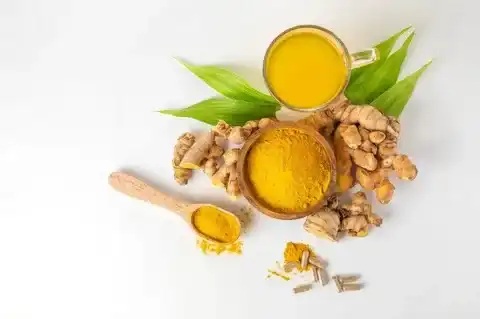
Understanding Turmeric Extract Powder and Root Powder
This section explains the main differences between turmeric root powder and extract powder, including how they are made and what they are made of. When you dry and grind raw turmeric roots to make turmeric root powder, you get a natural, full-spectrum product with a modest amount of curcumin that has been used for a long time. Turmeric Extract Powder, on the other hand, uses advanced extraction methods to concentrate curcumin, giving it standardized strength, better purity, and grades that are made to fit the needs of different industries.
Processing Methods and Composition Differences
To make turmeric root powder, fresh rhizomes are dried out and then ground up by hand to make a fine powder. This old way of doing things keeps the whole phytochemical makeup of the plant, which includes the essential oils, fiber, and other secondary compounds. However, the curcumin level is still pretty low, usually between 2 and 8 percent, based on how the plants were grown and how they were harvested. To make extract powder, complex solvent extraction methods are used with ethanol or ethyl acetate to separate and concentrate the bioactive curcuminoids. Advanced processing methods, like supercritical CO2 extraction and standardization processes, make sure that curcumin amounts stay at 95% or higher all the time. This concentrated form gets rid of the problems with variability that often happen with farming raw materials and makes therapeutic doses much easier.
Storage and Shelf Life Considerations
Because extract powder is more concentrated than root powder, it needs to be stored in a different way. Extract mixtures are more stable when they are kept away from light and moisture. Under the right conditions, they will stay effective for 24 to 36 months. Root powder can be stored for longer without going bad, but it is more likely to get oxidized and contaminated by microbes because it contains more water and the whole plant. When procurement workers understand these differences, including how they affect storage and shelf life, they can choose goods that meet their needs for manufacturing and formulation.
Comparing Benefits and Applications for B2B Clients
We look at how the different nutritional and useful properties of turmeric powders can be used in different commercial settings. Root powder is better for bulk food or goods that focus on natural ingredient profiles, while extract powder is better for supplements and high-potency recipes because it has stronger anti-inflammatory and antioxidant effects. Cost, flexible packing, and quality control measures like organic certification and lab testing are also looked at to help clients get the best value and make sure the product always works well.
Pharmaceutical and Nutraceutical Applications
For curcumin to work in the body, the pharmaceutical business needs exact doses. This is why Turmeric Extract Powder is the best ingredient for medicinal formulations. Formulators can figure out the exact bioactive content of standardized extracts, which supports clinical claims and regulatory reports. Researchers have found that concentrated curcumin formulations are more bioavailable when mixed with piperine or given through liposomal systems. This can't be done with root powder because of the limited volume. Nutraceutical companies benefit from the extract powder's constant potency across production batches, which gets rid of the problems that come with farming goods being inconsistent. Predictable curcumin amounts are needed for anti-inflammatory, cognitive support, and joint health supplements to live up to their promises on the package and keep customers trusting them. Because it is concentrated, the capsules can be smaller, and the cost of making each effective amount is lower.
Food and Beverage Industry Requirements
Root powder is often preferred by food makers for uses that focus on natural coloring and mild taste improvement. Root powder's full taste profile and low cost make it a good choice for large-scale production in bakery goods, dairy products, and traditional spice mixes. But extract powder is used in specific ways in functional drinks and high-end foods where the makers want to highlight certain health benefits by using measured curcumin content. When looking at the natural colorant market, there are some things that stand out. For example, extract powder gives stronger coloring with lower usage rates than root powder. This efficiency is useful when the taste of the product must not be affected, while the appearance must be improved. Cost, the ability to use different types of packaging, and quality control measures like organic licensing and lab testing help clients get the most for their money and make sure that products work the same way in different industries, such as cosmetics, food processing, and health manufacturing.
Procurement Insights: How to Choose the Right Turmeric Product?
This part shows procurement managers how to make sure that their strategic sourcing plan fits with their business's goals and the available market choices. By separating needs into groups, like making supplements vs. cosmetics, it's easier to match the right type of turmeric to the quality and price requirements of each application. Supplier settings are very different. Trusted makers and approved suppliers make sure that products are safe and that logistics run smoothly.
Quality Assessment and Supplier Evaluation
When choosing turmeric providers, people who work in procurement need to come up with a thorough set of evaluation factors. High-performance liquid chromatography (HPLC) should be used in the lab to check the curcumin level, and heavy metal screening should be done to make sure that medicinal and food safety standards are met. Root powder has a higher chance of contamination, so microbiological testing is even more important. On the other hand, extract powder usually has better microbial stability. Different target markets have different certification needs. For B2B clients, organic, kosher, and halal approvals make it easier to get into new markets. Suppliers with multiple foreign licenses show that they are dedicated to quality systems and following the rules. To support due diligence standards and supply chain transparency, traceability documents should include records of cultivation, processing methods, and analytical data that are unique to each batch.
Cost-Benefit Analysis Framework
When you look at the cost per unit of active ingredient, root powder doesn't always have the lower price that it seems to have. When therapeutic potency is needed, the extract powder with its high curcumin level is usually a better choice. Root powder, on the other hand, is still a good deal for large-volume food uses with low bioactivity needs. Extract powder is cheaper to ship and store because it comes in smaller amounts and lasts longer. The total cost of ownership should be looked at by procurement managers. This includes things like quality testing, managing supplies, and the chance of having to return a product because it was contaminated or lost its effectiveness. It looks at the landscapes of suppliers and points out reliable makers and approved suppliers who make sure the quality of the products and the efficiency of the supply chain. This presents trustworthy turmeric extract powder options, focusing on how certified, high-potency goods help brands stand out and keep customers happy over time.
Making the Final Decision: Turmeric Extract Powder vs Root Powder
When choosing between turmeric extract and root powder, you need to look at a number of factors, such as the amount of curcumin, how pure it is, how much it costs, how trustworthy the seller is, and how well it works with the end use. This part gives you a useful screening method to use when weighing these factors in a number of different industrial settings, ranging from large-scale food processing to making high-quality supplements.
Turmeric Extract Powder is a good choice for companies making medicinal products because it has a standard strength and is easy to comply with regulations. Clinical studies regularly show that concentrated curcumin formulations work better, which helps products stand out in markets with a lot of competition. When items can say they have certain amounts of curcumin and back it up with normal raw materials, they can be positioned as high-end.
For cosmetic uses, there are special things to think about because the extract powder has a lot of bioactivity that can help with anti-inflammatory and antioxidant properties. The smaller amount needs are helpful for cream and serum recipes where the texture and steadiness of the product are very important. Because of its small particles and ability to stain skin, root powder can make it hard to make cosmetics, but extract powder works well in complex cosmetic mixtures.
When food manufacturers are deciding between choices, they should think about how to place their products. Mass-market products emphasizing cost efficiency may favor root powder, while premium functional foods benefit from extract powder's ability to support specific health claims. Personalized ideas tell you when to choose the natural profile of root powder over the concentrated benefits of extract powder, along with suggestions for blending both to achieve desired functionality and cost efficiency in product lines.
Conclusion
Turmeric Extract Powder, the choice between turmeric extract and root powder comes down to the needs of the product, the quality standards, and the goals for placing in the market. Extract powder is the best choice for pharmaceutical, nutritional, and high-end beauty uses that need consistent bioactivity and regulatory compliance. Root powder can still be used for large-scale food uses that value natural products and low costs. Instead of just looking at the starting cost of materials, good procurement plans take into account the total cost of ownership, the supplier's skills, and the needs of the end product. Manufacturers can get the best turmeric for new products and market success by knowing these differences and only working with certified sources.
FAQ
When buying turmeric powders for businesses, the frequently asked questions (FAQ) section answers some of the most important questions that buyers usually have. These include differences in the amount of curcumin present, safety concerns when taking large amounts, and ways to make sure that the seller is real by using certifications and testing processes. These answers give customers confidence and clarity that helps with thorough research and lowers risks. This lets them speed up the buying process and build relationships with suppliers that are open and trustworthy.
What is the typical curcumin concentration difference between extract and root powder?
Root powder naturally has 2 to 8 percent curcuminoids, while standardized extract powder has 95% curcumin due to more improved extraction methods. This means that extract powder has about 12 to 50 times more bioactive chemicals per gram than root powder. This has a big effect on how much to use and how well the mixture works.
How do storage requirements differ between the two forms?
Extract powder requires protection from light, moisture, and oxygen to maintain potency, with optimal storage at controlled room temperature in sealed containers. Root powder can be stored in a wider range of conditions, but because it has more water and the whole plant, it is more likely to become contaminated by microbes and oxidize.
Which form provides better regulatory compliance for international markets?
Extract powder typically offers superior regulatory compliance due to standardized potency, lower risk of contamination, and thorough testing methods. Standardized ingredients with consistent specs are often more popular in international markets. This makes extract powder a better choice for goods that need to make specific health claims or meet pharmaceutical-grade quality standards.
Partner with Avans for Premium Turmeric Extract Solutions
Avans NutriHealth stands as your trusted Turmeric Extract Powder manufacturer, delivering pharmaceutical-grade ingredients that meet the strict requirements of markets around the world. Our cutting-edge extraction facilities make curcumin concentrations that are uniform up to 95%. They are backed by a wide range of certificates, such as BRC, HALAL, KOSHER, and Organic compliance. With a production capacity of more than 1,000 tons per year and an R&D team of more than 100 experts, we can guarantee steady quality and new ways to meet your recipe needs. Get in touch with our knowledgeable staff at Lillian@avansnutri.com to talk about unique specs, bulk purchasing options, and technical support that will help you turn your product development goals into solutions that are ready for the market.
References
1. Aggarwal, B.B., & Harikumar, K.B. (2009). Potential therapeutic effects of curcumin, the anti-inflammatory agent, in pharmaceutical applications. International Journal of Biochemistry & Cell Biology, 41(1), 40-59.
2. Anand, P., Kunnumakkara, A.B., Newman, R.A., & Aggarwal, B.B. (2007). Bioavailability of curcumin: problems and promises in clinical applications. Molecular Pharmaceutics, 4(6), 807-818.
3. Hewlings, S.J., & Kalman, D.S. (2017). Curcumin: A review of its effects on human health and industrial applications. Foods, 6(10), 92-108.
4. Prasad, S., Tyagi, A.K., & Aggarwal, B.B. (2014). Recent developments in delivery, bioavailability, absorption, and metabolism of curcumin in pharmaceutical and cosmetic applications. Cancer Research and Treatment, 46(1), 2-18.
5. Pulido-Moran, M., Moreno-Fernandez, J., Ramirez-Tortosa, C., & Ramirez-Tortosa, M. (2016). Curcumin and health benefits in food industry applications. Nutrients, 8(9), 584-602.
6. Vogel, H.A., & Pelletier, J. (2005). Curcumin-biological and medicinal properties in pharmaceutical manufacturing. Journal of Ethnopharmacology, 2(1), 23-35.