




Aspartame Powder for Sugar-Free Beverages & Desserts
Aspartame Powder is a key component used by companies all over the world to create sugar-free drinks and sweets. For companies that want to make diabetic-friendly and low-calorie products, this high-intensity artificial sweetener is a must-have ingredient because it provides great sweetness levels with very few calories. Aspartame has become more important in formulation plans around the world because more and more people want healthier options. This thorough buying guide is designed to meet the needs of B2B workers who are trying to find sweeteners in a complicated market. We look at aspartame's scientific background, safety record, and strategic benefits in current product creation frameworks. Procurement managers, formulators, and industry leaders will learn useful tips on how to choose the best sources, do competition analyses, and use reliable sourcing methods that encourage new ideas and market growth.
Understanding Aspartame Powder: Composition, Benefits, and Safety
Chemical Foundation and Manufacturing Excellence
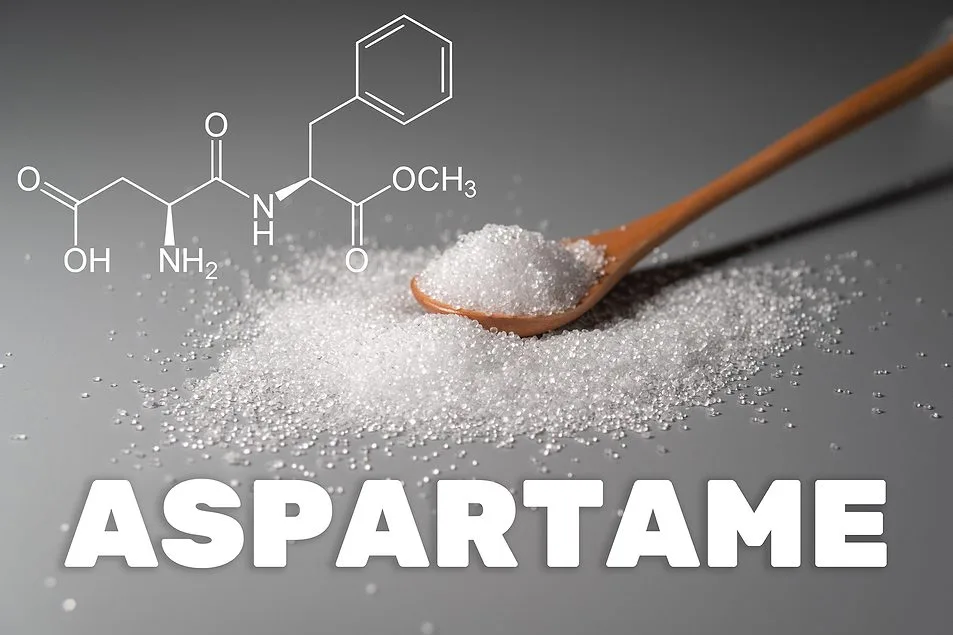
Aspartame powder is a complex methyl ester of the dipeptide made up of L-aspartic acid and L-phenylalanine, which are both amino acids that occur naturally. The chemical formula for this white, odorless solid powder is C14H18N2O5, and its CAS number is 22839-47-0. Advanced biochemical manufacturing methods make sure that the quality is higher than 98.0% on a dry basis, passing strict pharmaceutical standards like FCC, USP, and EP requirements. To get the best solid structure, the manufacturing method needs to carefully control the temperature and pH levels. Some of the quality factors are a melting point between 242 and 247°C and controlled solubility properties that make the product work better in a range of formulation settings. These technical standards make it possible for the product to behave the same way in a wide range of situations, from fizzy drinks to powdered dessert mixes.
Sweetness Profile and Functional Benefits
Aspartame Powder provides a sweetness intensity that is approximately 200 times greater than sucrose. While adding almost no calories to finished goods, this amazing sweetening efficiency lets makers get the tastes they want with very little sugar, which cuts down on the cost of raw materials and the space needed to store them. The clean taste profile tastes a lot like sugar, but it doesn't have the harsh or bitter aftertaste that comes with other sweets like saccharin or acesulfame-K. Aspartame does more than just make things sweeter; it also improves the taste of fruit-based products. It brings out the notes of citrus and berries while hiding off-flavors that are common in medicine products. This dual usefulness is especially helpful for companies that are making medicines for kids, food supplements, and functional drinks, since consumers are more likely to follow through with products that they like the taste of.
Regulatory Approval and Safety Validation
Through decades of scientific study, international governing bodies have carefully looked into how safe aspartame is. The FDA, EFSA, Health Canada, and other major bodies have set acceptable daily dose levels and confirmed that it is safe for most people to consume. These approvals cover pregnant women, kids, and people with diabetes. However, because of the phenylalanine level, phenylketonuria patients need special labeling considerations. Thorough chemical studies involving more than 200 research projects have repeatedly shown that aspartame is safe when used according to the rules. In 2013, the European Food Safety Authority confirmed that the food was safe, and the FDA is still keeping an eye on data from post-market monitoring. This strong regulatory base gives manufacturers faith in their long-term plans for product creation and market positioning.
Aspartame Powder vs. Other Sweeteners: Making the Right Choice for Your Products
Comparative Analysis Framework
To find the best sweetening options, you need to carefully consider how they taste, how stable they are at different temperatures, how much they cost, and how they are regulated in each target market. Aspartame Powder works best in situations where clean sweetness levels and reasonable processing temperatures are needed. Other sweeteners might be better in some formulation situations. Knowing these differences helps you make smart choices that are in line with how you place your product and what customers want. While the raw materials are more expensive, sucralose is better at withstanding heat in baking uses and keeping its sweetness over a wider pH range. Stevia-based sweeteners meet the claims of natural products, but they may leave behind licorice-like tastes that need to be covered up with other flavors. In corporate settings, saccharin is cheaper than acesulfame-K, and when mixed with other sugars, it works better.
Market Trends and Consumer Preferences
The way the market is moving now shows that consumers are becoming more health-conscious and aware of what ingredients are in products. Even though the demand for natural sweeteners keeps going up, artificial ones like aspartame keep a big share of the market thanks to well-established regulatory routes, reliable supply, and performance traits that have been shown to work. The world market for artificial sweeteners is expected to grow a lot by 2028. Aspartame will still be the most popular high-intensity sweetener. When buying from businesses, B2B buyers have to weigh changing customer tastes against the needs of practical formulation and economic factors. Aspartame is already regulated in many countries, which makes export paperwork and compliance easier than with newer technologies that add sweetness. This clarity in regulations is especially helpful for businesses that do business in more than one country, or that want to enter new markets where regulations are still being developed.
Procurement Guide for Aspartame Powder: Sourcing High-Quality Supply
Supplier Evaluation and Market Landscape
To successfully buy aspartame, you must first carefully evaluate each seller, paying special attention to their production skills, quality control methods, and ability to follow rules. Leading providers have businesses in North America, Europe, and the Asia-Pacific region. They offer a range of sourcing choices to lower supply chain risks. Manufacturers that have been around for a while usually have ISO 22000 food safety certifications, HACCP implementation, and building registrations with the right regulatory bodies. As part of the due diligence process, the output capability, quality control labs, and technical help should all be looked at. Suppliers who give analysis reports, stable studies, and formulation advice add value above and beyond the price of a commodity. Geographic diversity among supply networks helps keep things running even when regional problems or limited capacity affect main sources.
Pricing Dynamics and Contract Strategies
The cost of raw materials, the difficulty of production, and changes in market demand all affect the price of Aspartame Powder. When you commit to buying in bulk, you usually get a better price, but when supplies are low, you might have to pay more for spot purchases. Long-term supply deals offer stable prices and secure sharing, which is especially helpful for beverage makers who make a lot of drinks and need stable ingredient costs for pricing strategies at retail. Price indexing, volume flexibility, and quality standard terms are all important parts of good buying strategies. To find the best balance between cash flow optimization and supply security, payment terms, shipping arrangements, and defenses for "force majeure" must be carefully negotiated. When foreign buying deals cover more than one fiscal quarter, currency hedging becomes important.
Quality Assurance and Compliance Requirements
The quality standards must match the planned uses and the rules that apply to all target areas. Standard factors include levels of cleanliness, the amount of moisture, the spread of particle sizes, and the limits for microbes. Heavy metals, leftover solvents, or certain toxins may need extra testing for specialized uses, depending on how they are made and what they will be used for. The paperwork that comes with the certificate of analysis should show that it meets all food safety and pharmaceutical standards. Verification testing by a third party gives more confidence for important applications or government submissions. To keep supply quality uniform, supplier quality agreements spell out exactly how deviations should be reported, how changes should be controlled, and how to take corrective action.
Why Choose Avans Aspartame Powder: Trusted Manufacturing Excellence
Quality Leadership and Certification Standards
Avans NutriHealth Co., Ltd. is the best place to get high-quality aspartame powder because they have all the right certifications and make great products. Our building has ISO system certification as well as HALAL, KOSHER, BRC, and organic certifications, which shows that we care about meeting the needs of a wide range of customers and religious food needs. Throughout the production process, these globally known standards make sure that the integrity of the product is maintained. Our quality control methods include checking the raw materials that come in, keeping an eye on the work that's being done, and using advanced analytical instruments to test the end product. Dedicated quality assurance teams use strict testing methods that go above and beyond what the industry requires. Traceability tools allow full batch genealogy tracking from raw materials to final packing. This all-around method makes sure that product quality and regulatory compliance are the same in all global areas.
Manufacturing Capabilities and Technical Support
The Avans manufacturing platform has modern production facilities that can make more than 1,000 tons of goods every year. This makes sure that there is a stable supply for large-scale purchasing needs. Over 100 skilled techs who specialize in advanced extraction and cleaning technologies make up our experienced staff. Because of this technical knowledge, production schedules can be changed easily, and packing solutions can be made to fit the needs of each individual user. Avans does more than just make products; they also offer a wide range of technical support services, such as formulation advice, application guidance, and help with regulatory paperwork. Our research and development (R&D) team works with customers to find the best sweetener methods for each job, like making new drinks or making desserts better. This help that adds value speeds up the development process while ensuring that the product performs at its best.
Customer Partnership and Service Excellence
Avans keeps a customer-centered approach that values long-term ties over short-term deals. Our dedicated account management team offers quick communication, flexible order sizes, and fast shipping choices to meet the needs of a wide range of businesses. We know how important it is to keep getting ingredients, so we keep smart inventory levels to make sure that our customers' activities don't stop. Our global delivery network makes it easy to coordinate logistics across foreign markets, and our full paperwork support makes it easy to clear customs and follow regulations. Regular reviews of customers, quality, and performance make sure that things are always getting better and keeping up with changing market needs.
Conclusion
Aspartame Powder keeps proving itself to be an important ingredient for companies making new sugar-free drinks and sweets. Its unique mix of strong sweetness, clean taste, and legal acceptance across global markets makes it a good choice for businesses that want to reach health-conscious customers. Aspartame's technical benefits, safety record, and important buying factors that are needed to make smart sourcing choices are all shown in this in-depth study. To make implementation work, you need to carefully choose your suppliers, come up with quality standards, and build smart partnerships with makers like Avans that have a lot of experience. As the market changes, it needs ingredients that consistently meet customer and regulatory standards while also meeting stricter requirements. Companies can use aspartame's proven abilities to drive product innovation and market growth in the competitive sugar-free product world by using smart purchasing strategies and building trusting relationships with suppliers.
FAQ
Is aspartame safe for long-term use in commercial beverage production?
Aspartame maintains an excellent safety profile validated by extensive research spanning over three decades. Regulatory authorities, including the FDA, EFSA, and Health Canada, have established acceptable daily intake levels far exceeding typical consumption patterns. Commercial beverage manufacturers can confidently utilize aspartame in long-term product lines, supported by comprehensive toxicological data and continued regulatory oversight, ensuring consumer safety.
How does aspartame compare with stevia and sucralose for dessert applications?
Aspartame provides superior sugar-like taste characteristics without bitter or metallic aftertastes, making it ideal for dessert applications requiring clean sweetness profiles. Stevia may introduce licorice notes requiring masking agents, while sucralose offers better heat stability for baking applications. Cost considerations typically favor aspartame for large-scale production, though specific formulation requirements may dictate choices based on processing conditions and target taste profiles.
What certifications should I verify when purchasing bulk aspartame powder?
Some important certificates are ISO 22000 for food safety management, HACCP implementation, and building registration with the right government agencies. Depending on the customers and the places you want to reach, you may need more certificates like HALAL, KOSHER, organic, and BRC. Documentation for the certificate of analysis should show that it meets FCC, USP, or EP pharmacopoeial standards for things like heavy metals testing, purity levels, and microbial limits.
Partner with Avans for Premium Aspartame Powder Solutions
Avans NutriHealth Co., Ltd. is ready to help you create sugar-free products with our high-quality Aspartame Powder manufacturing and full range of expert services. As a top provider of aspartame powder, we mix cutting-edge production with quick response times to customer questions to make sure your formulation works. Our approved production facilities and experienced technical team give us the dependability and knowledge we need to place ourselves in a competitive market. Get in touch with Lillian@avansnutri.com right away to talk about your unique needs, ask for product samples, and look into special formulation options. Our dedication to quality excellence and customer partnership lets us confidently create new products that meet strict legal standards in all global markets.
References
1. Magnuson, Bernadene A., et al. "Aspartame: a safety evaluation based on current use levels, regulations, and toxicological and epidemiological studies." Critical Reviews in Toxicology 37.8 (2007): 629–727.
2. Butchko, Harriett H., et al. "Aspartame: review of safety." Regulatory Toxicology and Pharmacology 35.2 (2002): S1–S93.
3. Renwick, Andrew G. It was updated in 2006 and is called "The Intake of Intense Sweeteners–an Update Review."
4. It's Lluis Serra-Majem et al. who wrote "Updating the evidence on nutritional and health claims for foods containing low/no caloric sweeteners." Food & Function 9.8 (2018): 4166-4178.
5. Report by Siddhartha Chattopadhyay et al. entitled "Artificial sweeteners–a review." The Journal of Food Science and Technology 51.4 (2014): 611-621.
6. Kroger, Michael, et al. "A review of the safety issues with low-calorie sweeteners and other sugar substitutes." Comprehensive Reviews in Food Science and Food Safety 5.2 (2006): 35–47.