




What Makes Microcellulose Powder a High-Value Functional Additive?
Due to the fact that a single component can perform multiple functions within a formulation, microcellulose powder is considered a high-value functional addition. The tablets are bound together, the bulk is added, the powder flow is improved, the moisture is absorbed, and the texture of the food is smoothed out. The powder from our MCC series, CAS 9004-34-6, is odorless and white or almost white in color. We produce it through the controlled hydrolysis of alpha-cellulose derived from plant fibers that is of high purity. A reduction in the number of excipients results in easier sourcing, shorter batch records, and more consistent production. In this article, I describe how the material functions, where it is used by formulators in the United States, how it compares to other cellulose products that are similar, and what you should think about before making a purchase.
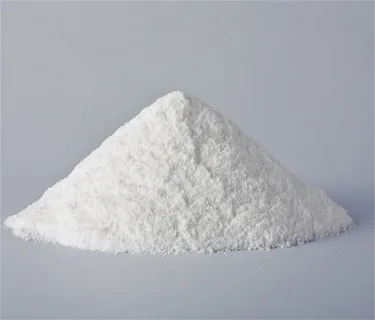
What Is Microcellulose Powder? Composition, Manufacturing, and Core Properties
Composition and Plant-Based Source
Because microcellulose powder can mean different kinds of cellulose, let me explain what ours is. The cellulose we sell has been cleaned up and depolymerized in part. It is made of threads from plants that can grow back. The weak and loosely packed parts of the cellulose chain are broken down by acid hydrolysis. This leaves behind the parts that are structured and crystallized. Because it is made up of crystals, the powder is easy to pack down and keeps water from getting in. If you want to accept something, you should get written proof of the grade, CAS number, and pharmacopeial monograph. This is because the name is used by more than one seller.
How Controlled Hydrolysis Shapes Performance?
It is common to clean, break down, wash, dry, roll, sort, and check the quality of something before it is made. The powder works in your plant in different ways after each step. How much water is used shapes the amount of polymerization (DP). DP changes how you can bind. You decide how big the particles are when you mill and classify something. This changes the way the stuff moves, mixes, and dusts. The DP number and particle size will stay the same. It will always be between 50 and 200 μm in size. It's important to know why the powder is so sticky but still goes through the machines that feed, hopper, and encapsulate.
Technical Parameters Buyers Should Check
The specs are more important than the name of the product. A range of 0.26 to 0.31 g/cm³ and 5.0 to 7.5 pH describe our MCC line. USP, EP, and BP all give it good marks. When you talk to different providers, make sure you ask about the ash, microbial limits, heavy metals, and leftover solvent values that are written on the certificate of analysis. By putting these numbers next to each other, you can quickly tell if two materials with the same name will act the same way on your line.
Why Is Microcellulose Powder a High-Value Functional Additive?
One Ingredient, Several Functions
In the pharmacy field, this ingredient is used to break down and bind things so that they do not stick together. It gives food shape, replaces fat, and gives you good fiber. You only need one material for that area instead of two or three. It might be easier to keep track of stock, find good suppliers, and try out new ingredients when there aren't as many of them. But the gain can only go so far. How well you do depends on your grade, how focused you are, how the process works, and how many tests you do on your own. You should always do a small test run before starting the real thing because of this.
Tablet Binding and Compression
Microcellulose powder is a great dry binder for formulators because it packs down well without having to go through a granulation step. Microcrystalline cellulose is called a straight compression binder in a study that came out in 2014 in the International Journal of Pharmaceutics. Also, both direct compression and wet granulation work well to break up our powder. It helps keep active ingredients that are sensitive to water safe because it doesn't soak up water very well. It's possible to make profiles that break down quickly and pills that are tougher. A big plus for tablet design is that you don't have to make this choice.
Texture, Stability, and Flow in Food and Supplements
You can use the powder to replace up to 30% of the fat in cooked goods, and they will still taste the same. This makes you eat less. This stops syneresis and keeps emulsions in soy milk and sauces from moving around when the temperature changes. It is used as a filler in capsules to keep the powder moving evenly while the capsules are sealed. This helps with accurate doses. It can also be used as a natural filler in vitamins that are safe for vegetarians and don't have any chemicals added to them.
Where Is Microcellulose Powder Used?
Pharmaceutical Tablets
This part is used to glue tablets together, break them up, and keep them from caking. It can be used with both dry and wet granulation lines. Before buying something in the US, people should check that it meets pharmacopeial standards, doesn't have any harmful microbes, can be traced back to its source, and is still in its original packaging. The MCC series is in line with the USP, EP, and BP, and a COA can be sent with every pack. They can see how those papers fit with what you need to give them.
Food and Beverage Products
The powder is used to make foods thicker, change their texture, lower their fat content, and add fiber. It's often used in soups, baked goods, and other foods that don't have cheese. You should find out how much of your product can be used before you start making more of it. This is because rules can change depending on where you live and the type of food. FSSC22000 and HACCP have both given their approval to our MCC machine. This is something that a lot of people who buy food look for when they check out the source.
Dietary Supplements, Cosmetics, and Feed
The powder is mostly used to fill capsules and make them bigger by people who make supplements. You can make pressed powders, creams, and scrubs for your face with coir powders. It's important to know how the powder's particles feel, look, smell, and how good their germs are. We only said it could be used for medicine and food. Talk to our team first if you want to use it for beauty products or food for animals. We'll then let you know if this grade meets your needs.
Microcellulose Powder Comparisons: Which Grade or Material Is Right?
Microcrystalline Cellulose Versus Cellulose Powder
You can also call microcrystalline cellulose an ingredient by a different name. Water breaks it down, giving it a solid shape that makes it easy to stack. It is common to use a machine to grind up clean cellulose into powder. Most of the time, it doesn't stack as well. This type can also be called microcellulose powder, which is a more general term. This means that the two names don't always mean the same thing. You should be able to choose which one to use based on the book, DP, and particle measurements.
Fine Versus Coarse Particle Sizes
Each powder has different-sized pieces that work in different ways. It is better to mix and soak up smaller bits since they have more surface area. But this can make dusting worse and flow more slowly. The bigger bits might be able to move around and make less dust, but they might feel rougher and stick together less evenly. Because its range is 50–200 μm, it works well for a lot of different kinds of pills and capsules. Before you choose the filter, find out more about it to make sure it can handle the grade.
Documents Over Product Names
Named things might not do the same thing. You should ask each applicant for a technical data sheet, an analysis certificate, sieve data, and a statement of agreement with the planned use. Next, look at each line's DP, particle size, wetness, mass density, and pH and compare them. This quick check often keeps batches from being turned down, recipes from having to be changed, and delays from happening after the first sale.
How to Select, Store, and Buy Microcellulose Powder?
Build a Specification Checklist
Think about what you want to sell, where you want to sell it, how you want to store it, how much you want to make each year, and any laws that you need to follow. For tablets, you need to be able to squeeze them hard and still get a flow. Food powders need to be dry and have a certain consistency. Then, ask for the safety data sheet, the allergen statement, the GMO warning, the technical data sheet, and the certificate of analysis (COA). We can make sure that your lot has the most recent COA, ISO, USDA, HACCP, FSSC22000, and HALAL papers if you ask us to. This kind of paperwork comes with our MCC series.
Safety, Shelf Life, and Storage
Before the stuff falls, read the safety sheet. It should tell people how to keep the dust down, wear safety gear, stay safe, put out fires, clean up after accidents, and throw away trash. According to NFPA 652, fine cellulose dust can irritate the eyes and lungs and can sometimes catch fire. Close the lids and make sure the containers are cool, dry, and have good airflow. Do not let them touch water or the sun. Keep track of the lots and change the stock. The label that came with it is still the best place to find out how long something will last.
Bulk Buying: Price, MOQ, and Logistics
The gross landed cost is just as important as the unit price. The price is based on the grade, certifications, packing, size of the box, order number, location, Incoterms, and how the payment is to be made. To reorder, find out how much you need, the lead time, and how well it works. The goods, packing, freight, duties, and insurance should all be listed separately in a clear quote. The MCC series is always in stock, and our plant can make up to 1,000 tons of it every year, which is enough for daily needs and test orders.
What Makes a Supplier a Long-Term B2B Partner?
Quality Control and Traceability
Learn how to keep an eye on raw materials, test products as they're being made, deal with complaints, make changes, and be ready to go back home. The company level of Avans NutriHealth Co., Ltd. has ISO, kosher, HALAL, BRC, and organic awards. Our MCC line is also certified by HACCP and FSSC22000. We tell people to carefully read our paperwork and ask for up-to-date copies before they place their first order.
Technical Support and Sampling
Good customer service starts before the sale. The tech and R&D teams at our company help you choose the right grade, make samples, test formulations, keep records, and plan the pilot scale. We work with each client to learn what they need so we can help them get the right grade. If the formulators try the flow, compression, and sharpness on your own tools, you can be sure that the match is good.
Supply Continuity and Total Cost
Reliable suppliers keep items in stock, plan production, and ship with all the necessary paperwork. There are more than 100 techs working in the workshop, and having MCC on hand makes wait times shorter. You can figure out how much something is worth by adding up how fast it works, how long it lasts, how well it meets the law, and how much it costs. With a better grade, you might not have to throw away batches, change the recipe, or stop making the product, which could save you money in the long run.
Conclusion
Microcellulose powder is very useful because it can be used for many things. Solids that can be pressed are made when hydrolysis is managed. DP, particle size, how wet it is, bulk density, and pH are some of the things that can change how well it works. It fills bottles, burns fat, keeps emulsions stable, and holds pills together. When you look at cellulose powder and different particle sizes, it's clear that screen data and papers are more important than product names. To keep production safe, get clear quotes, store things safely, and check the quality often. Getting the best grade means always meeting your needs, the needs of the law, and the needs of the process.
FAQ
Is microcellulose powder the same as microcrystalline cellulose?
They don't always work together, but sometimes they do. You should ask the source about the book, the CAS number, and any other technical details.
Is microcellulose powder water-soluble?
Most of the time, cellulose powders don't mix with water. They spread out and grow, which helps the dough's structure and ability to stick together.
Which documents should I request before buying?
You should ask for the most recent documents, the allergen statement, the GMO declaration, the safety data sheet, the technical data sheet, the certificate of analysis, and the allergen statement.
How can I request a sample?
Tell us about yourself, how much you want to buy, and the market you want to reach. Our group is going to look at the grades and sample choices that are out there.
Request a Microcellulose Powder Sample or Bulk Quote from Avans NutriHealth.
Want to find a company that sells microcellulose powder, always has it in stock, and can talk to you in plain English? The papers that back up the MCC series that we use are from COA, ISO, USDA, HACCP, FSSC22000, and HALAL. It's from China. To get a sample or price quote, email Lillian@avansnutri.com with what the product will be used for, how much of it you want, and where you plan to sell it. You can find out more at https://www.avansnutri.com/.
References
1. Handbook of Pharmaceutical Excipients, 2009
2. Microcrystalline Cellulose, Industrial & Engineering Chemistry, 1962
3. Microcrystalline Cellulose: A Direct Compression Binder in a Quality by Design Environment, International Journal of Pharmaceutics, 2014
4. Microcrystalline Cellulose: Isolation, Characterization, and Bio-Composites Application, International Journal of Biological Macromolecules, 2016
5. European Pharmacopoeia, 11th Edition, 2022
6. NFPA 652: Standard on the Fundamentals of Combustible Dust, 2019