




Can Microcellulose Powder Improve Your Manufacturing Process?
Microcellulose powder can, in fact, make a production process more efficient if the grade is appropriate for the task at hand. Tablet lines can benefit from its ability to bind and condense tablets. It contributes body to food products and assists in the replacement of a portion of the fat. It facilitates powder flow and maintains dosage consistency when capsules are being filled. It is important for each team to conduct tests before committing to volume because the results are dependent on the particle size, moisture, bulk density, and dosage. This guide was written for research and development, procurement, and quality assurance teams in the United States that are looking for easy-to-understand technical information, a selection procedure that is applicable, and a supplier checklist for microcellulose powder.
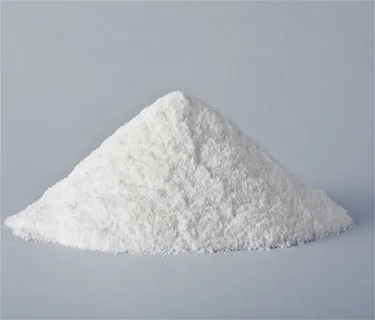
What Is Microcellulose Powder?
Definition, Source, and Basic Properties
The CAS number for microcellulose powder we sell at Avans NutriHealth is 9004-34-6. It is part of our MCC range. Coir that has been cleaned up and depolymerized in part. It doesn't smell like anything and looks like a white or almost white powder. We use acid to break down plant fibers in a controlled way to get high-purity alpha-cellulose. The acid gets rid of the fuzzy parts of the cellulose chain but doesn't change the parts that are solid. That's what keeps water out and makes the cloth easy to squeeze. It doesn't break down in water. It gives structure instead of stickiness because it can soak up water and spread out. In the EU, E460(i) is the code for microcellulose powder that is added to food.
Manufacturing Process and Quality Controls
Most of the time, people who make things get cellulose, wash, dry, mill, sieve, and then mix it with water. It is important to check the quality at each step since the powder changes shape. The powder in our MCC line has particles that are 50 to 200 μm in size and a degree of polymerization (DP) that is between 180 and 375. The bulk density is between 0.26 and 0.31 g/cm³, and the pH stays between 5.0 and 7.5. These thoughts are shared by the USP, the EP, and the BP. The COA, ISO, USDA, HACCP, FSSC22000, and HALAL licenses we have are all on file with us. If someone wants to buy a lot, they should first compare the batch COA to the technical data sheet.
Microcellulose Powder vs. Other Cellulose-Based Materials
It would be a mistake for cellulose buyers to think that every component is identical. To create powdered cellulose (E460(ii)), pure cellulose is first ground by hand. Then, it is broken down into microcellulose powder using acid. Basically, there is a difference between texturing and compression. Ethers such as methylcellulose and carboxymethyl cellulose (CMC) undergo transformations. To make substances more stable, gel-like, or stiff, they combine them with water. Microcellulose powder adds structure, mass, and binding to the material without breaking it down. Before you compare costs, make sure you check the CAS number, book, and technical data sheet, since various dealers may use different meanings of the term. A method defined for one object must be compatible with all others; this check ensures it is.
How Microcellulose Powder Can Improve Manufacturing Performance?
Pharmaceutical Tablet Production
Microcellulose powder is used as a dry binder to make tablets. Because it doesn't have to be ground up first, it can be pressed straight away. This can speed up the process. Also, it breaks down easily when pressed or mixed with water, so pills that get hard break apart quickly. Because it doesn't draw in water, its low hygroscopicity helps keep essential oils safe while they are being kept. A review that came out in the International Journal of Pharmaceutics in 2014 said that microcellulose powder is one of the most common direct compression binders. So, it is used in the form of solids that are swallowed. First, do a small test run. What you get will still depend on how much you use, how fast you press, and other factors.
Food and Beverage Processing
It lowers the number of calories in baked goods without changing their taste or structure. Food plants use microcellulose powder to do this. We know that our product can replace up to 30% of the fat and make the food taste and feel the same. When liquid leaks out of a gel or sauce, this is called syneresis. It stops syneresis and keeps emulsions stable in sauces and dairy-free foods. That means the products' viscosity doesn't change over time, and they stay more stable when the temperature changes on the shelf. One part of a recipe can help with more than one thing because it adds fiber and texture.
Dietary Supplement Capsules
Supplement companies use microcellulose powder as a filler that doesn't do anything. Check out your recipe to see how the fat replacement level works. As the powder is being surrounded, it stays moving evenly. This makes dosing more accurate and the line more stable. It works well with veggie foods and labels that are easy to read because it is made from plant fibers. The fill weight can be changed without adding more active ingredients because it is natural. Teams should use their own tools to track the flow and changes in pill weight. Just a test blend might not work the same way as a mix that has sticky plant extracts in it. The Avans NutriHealth MCC series powder is already in stock, so the first runs can begin right away.
How to Select the Best Microcellulose Powder for Your Application?
Specifications That Drive Performance
These are the first things I look at when I compare grades.
- Particle size and degree of polymerization: The Avans NutriHealth MCC line powder has particles that are 50–200 μm in size and a DP level of 180–375. Before you pick a grade, you should see how these two numbers change the way the excipient and your tablet press or encapsulation tools work together to bind and move microcellulose powder.
- Moisture and bulk density: Between 0.26 and 0.31 g/cm³, the bulk density stays below 5%. Ingredients that are sensitive to water are better protected when it's not so wet outside. How much the die can hold, how big the container is, and how dense the batch is all depend on the blender capacity and bulk density. Every package you get should come with a Certificate of Analysis.
- pH and pharmacopeial status: The pH level stays between 5.0 and 7.5, and it meets USP, EP, and BP guidelines. Documents that are food-grade and documents that are pharmaceutical-grade are not the same. Make sure the monograph you order is the right grade for the people you want to send it to. It's possible that you won't be able to pass the batch or get the product out on time.
Before a test goes live, these checks make sure that most grade mistakes don't happen.
Food Grade, Pharmaceutical Grade, and Destination Rules
Please decide how you will use the file first. There may be a correlation between a low score for medication files and a high score for food files. When looking to purchase pharmaceutical products, Europeans check the score. When purchasing medications in the United States, consumers consult the USP-NF monograph. The microcellulose powder from Avans NutriHealth has received permission from USP, EP, and BP for its use. The pharmaceutical and food industries make use of it. Businesses with more than one location can benefit from this product. Verify that the details on the grade sticker, the book, and the ID match up. Document everything you need to know about the dosages, storage instructions, and label claims, including any allergies. The seller will have a better idea of the documentation you require if you do this.
Matching the Grade to Your Equipment
Powder goes through hoppers, feeders, and dies based on how dense it is and how big its pieces are. The particles in this group are between 50 and 200 μm wide and weigh between 0.26 and 0.31 g/cm³. But each line of production deals with those numbers in a slightly unique way. What kind of tools do you have? Tell us how much you want to dose and how much of a batch you want to make. Thereafter, we'll help you pick the right MCC grade. We can work with our clients to find the best answers for their needs and give them samples from our stock for bench tests. You can see how the flow, hardness, and dissolution change by putting at least two grades next to each other.
How to Evaluate a Microcellulose Powder Supplier?
Documentation and Traceability
First, please fill out the forms. There are records that show how each lot is linked to its raw material and a Safety Data Sheet that comes with each batch. They should also give you a Certificate of Analysis. Ask for claims that your product is safe for people with allergies and doesn't contain GMOs if it needs them. Find out how the provider lets customers know when the process or needs change as well. The flow or compression could change without warning. In your papers, you need to write down the exact grade, spot, and package you want to buy. Based on how quickly and clearly they answer your questions, you can usually guess how helpful they will be after the first order.
Certifications for Regulated Markets
One that has a certificate means that their systems have been checked by auditors from outside the company. The COA, ISO, USDA, HACCP, FSSC22000, and HALAL have all signed off on this item. It's at Avans NutriHealth. Our company is also Kosher, BRC, and organic, which helps people in Greece, the Middle East, and North America. Check the dates and ask any supplier for copies that are up to date. The document should also cover both the goods and the place where they were made. A website badge doesn't show anything. We can send you the files you need along with a quote so that your quality control team can quickly check them out.
Capacity, Pricing, and Packaging
Both the consistency of the supply and the level of quality determine the amount of time required to manufacture an item. At its many locations, Avans NutriHealth employs more than a hundred individuals. Up to 1,000 tons of items can be made annually at their facilities. The microcellulose powder series is now in stock. Microcellulose powder can be priced differently based on factors such as grade, testing, packaging, shipping method, and Incoterms. You should compare the first order with test, company, and annual contract quotes for the most accurate pricing. How does the vendor ensure that the powder remains dry? How did you make those boxes? When they load bags or cartons onto pallets, how do they designate the batches? You can see that the cost of use is greater than the price per kilogram when you include the rejections and productivity rates.
How to Validate Microcellulose Powder and Avoid Common Mistakes?
Build a Documented Baseline
Write down how things work now before you change them. It is important to know the blend's yield, rejection rate, compression force, pill hardness, friability, dispersion time, and flow rate. More thickness, structure, and shelf life should be added to the food and drink items. You can't prove anything without these numbers. It did help to add something new. Use the same tools and supplies that you would in a business when you can. Make sure that everyone in engineering, production, quality, and procurement agrees on what the success criteria will be in writing before the first test. This way, everyone on the team can use the same standard, not their own ideas, to judge the results.
Run Controlled Laboratory and Pilot Trials
You can compare at least two grades and several dose amounts in two safe ways. The first one is in a test batch, and the second one is on the bench. You can connect each result to its cause one variable at a time. The height and width should be the same as the base. Then, check out how much the items cost, how much waste is cut down, and how well the business runs and follows the rules. After the supplier has been accepted, they should send out samples, look over paperwork, let you know about changes, keep an eye on batches, and be re-qualified on a frequent basis. This habit keeps your line safe after the pilot is over and makes it simple for auditors to find the paperwork.
Common Mistakes to Avoid
People consistently make a few blunders when purchasing cellulose. On the other hand, some team members may assume that any powder that doesn't dissolve in water is CMC, or they may treat all microcellulose powders equally and choose one just by looking at the price. Some people don't conduct test runs or adhere to end-market regulations, which leads to problems with the final product, such as poor flow, uneven packing, dust, or poor spreading. New recipes, line stops, or rejected shipments can all be caused by any of these issues. By following these steps, you can avoid them. Before you buy in bulk, make sure you have the correct grade and CAS number, verify that each batch is consistent, and conduct tests. A lot more money is wasted on something that doesn't pan out than on something that does.
Conclusion
A different name for microcellulose powder is microcrystalline cellulose (CAS 9004-34-6). It can help you make things if you use it the right way. The food should have fat replacement and emulsion stability. The pills should have a steady powder flow. It's not the same as powdered cellulose, methylcellulose, or CMC because of its particle size, degree of polymerization, wetness, bulk density, and pH. Comparing the total cost of use is important. You should also check the batch papers and certifications and do baseline, controlled trials, and official source qualification to be sure the results are correct. Also, buyers should be sure that the grade is right for the market they want to go to. You can't make stupid decisions like choosing based on price alone to keep compliance and returns safe.
FAQ
Is microcellulose powder soluble in water?
Not at all. It doesn't break down or spread out in water, so it doesn't do that.
Which industries use Avans NutriHealth MCC series powder?
Our baked goods, sauces, dairy substitutes, tablets, and capsules are used in both the food and drug industries.
What specifications does the Avans NutriHealth MCC series list?
The particles are 50–200 μm, the DP is 180–375, the bulk density is 0.26–0.31 g/cm³, the moisture level is less than 5%, and the pH ranges from 5.0 to 7.5. USP, EP, and BP all say it needs to do that.
How should I store it?
Put it somewhere clean, dry, and airy, away from germs and water.
Can I request a sample?
Yes. We do have the microcellulose powder series in stock. Explain how you plan to use it, the dose range, the customers you want to reach, and the amount of money you make each year.
Request Microcellulose Powder Samples and a Quotation from Avans NutriHealth
Want to find a company that makes microcellulose powder, has it in stock, and gives you all the paperwork you need? This powder is in the MCC line and comes from Avans NutriHealth Co., Ltd. It has marks from HACCP, ISO, USDA, COA, and HALAL. To get a sample, specification sheet, and quote, email Lillian@avansnutri.com with your application, dosage range, target market, and annual volume. To find out more, go to https://www.avansnutri.com/.
References
1. Handbook of Pharmaceutical Excipients, 2020
2. International Journal of Pharmaceutics, "Microcrystalline cellulose, a direct compression binder in a quality by design environment—A review," 2014
3. International Journal of Biological Macromolecules, "Microcrystalline cellulose: Isolation, characterization, and bio-composites application—A review," 2016
4. Industrial & Engineering Chemistry, "Microcrystalline Cellulose," 1962
5. United States Pharmacopeia–National Formulary (USP–NF), Microcrystalline Cellulose monograph, 2023
6. European Pharmacopoeia, Cellulose, Microcrystalline Monograph, 2023