



What Dosage of Zeaxantin Powder Is Recommended?
The recommended dosage of Zeaxanthin Powder typically ranges from 2-10 mg daily for general eye health support, with clinical studies demonstrating optimal benefits at 6-10 mg when combined with lutein. This dosage range applies to most nutraceutical formulations targeting macular health and blue light protection. However, specific dosing requirements for Zeaxanthin Powder vary based on product concentration, target demographics, and intended applications. Understanding these parameters enables procurement professionals to source appropriate Zeaxanthin Powder grades while ensuring regulatory compliance across different markets.
Understanding Zeaxanthin Powder and Its Benefits
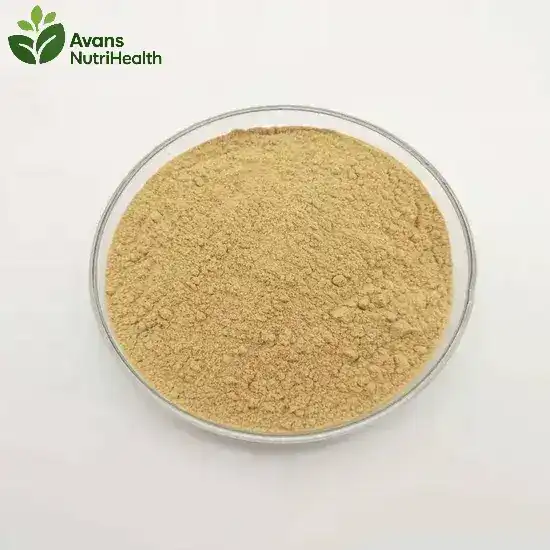
Zeaxanthin is one of nature's strongest carotenoids, and it is mostly found in the center of the eye, where it protects against oxidative damage in a very important way. This naturally occurring compound is officially named CAS No. 144-68-3. It looks like an orange-yellow to orange-red powder and is very stable, which makes it perfect for many business uses.
Chemical Properties and Natural Sources
Zeaxanthin selectively blocks harmful blue light wavelengths and neutralizes reactive oxygen species that can hurt retinal cells at the same time. Compared to synthetic options, zeaxanthin that comes from marigold flowers is more bioavailable and well-liked by consumers. Careful purification steps are used in the extraction process to keep the compound's structure while reaching standard concentrations of 5%, 10%, and 20%.
In the manufacturing process, things are usually done in a planned way: marigold raw materials are ground up, then extracted to make marigold oil, and finally cleaned to make zeaxanthin crystals, which are then mixed together to make the end powder. This method makes sure that all production batches have the same level of quality and effectiveness.
Health Benefits and Market Applications
Zeaxanthin Powder has a lot of therapeutic promise that goes beyond just helping with eye health. It has a lot of important functions that drive market demand. Zeaxanthin Powder effectively blocks blue light, stops macular degeneration, lowers the risk of cataracts, and eases digital eye strain. These are all issues that are becoming more important in our technology-driven world.
In addition to being good for your eyes, zeaxanthin is a natural colorant that has been allowed for use in food in both Europe and the United States. The substance also improves brain function by making neurons fire more, which makes it easier to pay attention, think clearly, and reason. Zeaxanthin also protects the heart by stopping the oxidation of low-density lipoproteins, and its antioxidant qualities stop the oxidation of cellular lipids.
Recommended Dosage of Zeaxanthin Powder: Industry Guidelines and Best Practices
Scientific studies consistently back up certain dosage ranges that get the most therapeutic benefits from zeaxanthin while still being safe enough to take for a long time. Clinical studies have shown that taking between 2 and 10 mg every day improves the optical density of the macular pigment. Higher amounts offer better protection against eye diseases that come with getting older.
Standard Dosing Protocols for Different Applications
For general eye health maintenance, nutraceutical makers usually use doses of 2 to 4 mg per day. Therapeutic formulations for specific conditions may use 6 to 10 mg concentrations. A lot of clinical testing has shown that these dosing methods work, showing that the amount of macular pigment that builds up and the improvement in visual performance rely on the dose.
The way a product is made has a big effect on how much of it is needed. For example, powder forms may need different amounts than encapsulated forms because of differences in bioavailability. The best dose is also affected by age, with higher intake levels possibly being better for older people to make up for less efficient absorption.
Regulatory Compliance and Safety Parameters
When making decisions about what to buy, you need to think about the rules that guide the use of zeaxanthin in different markets. The European Food Safety Authority (EFSA) sets specific maximum daily intake limits that change based on product category and target population. The US Food and Drug Administration (FDA) considers zeaxanthin to be Generally Recognized as Safe (GRAS).
Zeaxanthin powder should meet foreign certification standards like ISO, USDA Organic, HACCP, FSSC22000, and HALAL certifications. Quality assurance protocols should check this. These certificates make sure that the integrity of the product is maintained throughout the global supply chain. They also meet the needs of different markets for religious, organic, and safety compliance.
Comparing Zeaxanthin Powder Dosage with Other Carotenoids
By knowing how zeaxanthin reacts with related carotenoids, formulators can make products work better by using combination therapies. When lutein and zeaxanthin are mixed in certain amounts, they have additive effects that make the combination more bioavailable and improve the effectiveness of therapy.
Synergistic Formulation Strategies
Clinical study shows that lutein-to-zeaxanthin ratios of 5:1 or 10:1 are similar to how the body naturally absorbs these compounds while also increasing the amount of both compounds in the macula. In real life, these ratios mean that 10 mg of lutein and 2 mg of zeaxanthin can be combined, or 20 mg of lutein and 4 mg of zeaxanthin can be combined, based on the desired level of potency.
Beta-carotene is different because too much of it can make it harder for the body to absorb zeaxanthin through competitive processes. Formulators should limit the amount of beta-carotene in goods that focus on zeaxanthin to make sure that the main active ingredients are as bioavailable as possible.
Absorption and Bioavailability Factors
When eaten with fats, zeaxanthin is absorbed much better, which makes oil-based delivery methods or fat-soluble formulations work especially well. Micronization methods can improve bioavailability even more by making particles smaller and giving them more surface area, which speeds up the dissolution process.
Another important factor is storage stability. Zeaxanthin stays active when it is kept away from light, heat, and reactive conditions. Using amber containers or aluminum pouches for proper packaging keeps the integrity of the product throughout the distribution chain and upholds the stated potency promises.
Procurement Considerations for Zeaxanthin Powder Dosage Compliance
Quality control is still very important when buying zeaxanthin powder for business use, so you need to carefully look at the supplier's skills, the product details, and their approval history. To make sure that product quality stays the same, good procurement strategies stress the importance of third-party testing confirmation, supplier audit processes, and building long-term partnerships.
Supplier Selection and Quality Verification
Reliable sellers keep a lot of paperwork, like Certificates of Analysis (COA), stability studies, and records of regulatory compliance, which show that the product is the same from batch to batch. Verification by a third-party lab through independent testing facilities gives you more peace of mind about the product's potency, cleanliness, and contaminant levels.
As rules about ingredient traceability and origin verification get stricter, supply chain openness becomes more and more important. Suppliers should give thorough information about where the raw materials come from, how they are extracted, and what quality control measures are used during the whole manufacturing process.
Storage and Handling Requirements
The right way to store Zeaxanthin Powder has a direct effect on its stability and bioactivity. Zeaxanthin Powder needs to be kept in a temperature-controlled space with little light contact and protection from moisture. Transportation logistics must take these sensitive factors into account and use the right packing methods to keep the quality of Zeaxanthin Powder even during long shipping times.
When managing your inventory, you should think about how long zeaxanthin will last, which is usually between 18 and 24 months if it is kept properly. Rotation protocols and keeping an eye on expiration dates make sure that formulated goods stay as potent as they say they are for as long as they are sold.
Avans NutriHealth: Your Trusted Zeaxanthin Powder Manufacturer
Avans NutriHealth Co., Ltd. is one of the best companies in the world that makes and sells high-quality zeaxanthin extract powder. They serve B2B markets around the world and are dedicated to quality, excellence, and customer happiness. Standardized concentrations of 5%, 10%, and 20% zeaxanthin powder are in our wide range of products. They are made under strict quality control methods that go beyond international standards.
Manufacturing Excellence and Certification Standards
Our modern manufacturing facilities have been approved by ISO, USDA Organic, HACCP, FSSC22000, and HALAL, among others. This shows that we are committed to meeting the needs of a wide range of markets. These certifications show that the company has strict quality control systems in place that make sure all manufacturing processes are safe, consistent with regulations, and good for the quality of the products.
With more than 100 skilled workshop technicians and a yearly production capacity of more than 1,000 tons, Avans keeps enough inventory on hand to meet large-scale purchasing needs. Our experienced research and development team is always coming up with new ways to extract products that make them purer while keeping the bioactive qualities that are important for their therapeutic effectiveness.
The company's main goal is to help people live healthy lives by providing natural, safe raw materials that meet the changing needs of the beauty, pharmaceutical, and nutraceutical industries. Our full range of technological support includes formulation advice, stability testing, and regulatory advice that helps clients make goods that sell well in their target markets.
Product Specifications and Service Offerings
The orange-yellow to orange-red color of Avans zeaxanthin extract powder is very unique, and its high purity levels have been proven by a lot of tests. Our goods have consistent particle size distribution and moisture content standards, which makes it easy to mix them into different types of formulations, such as capsules, tablets, powders, and liquids.
Technical support services include testing samples, studying compatibility, and making unique formulations that meet the needs of each client. Our logistics skills allow us to offer flexible delivery times and use the right packing methods to keep products safe throughout global distribution networks.
Conclusion
Determining appropriate Zeaxanthin Powder dosages requires careful consideration of multiple factors, including target demographics, product applications, regulatory requirements, and quality specifications. The established range of 2-10 mg daily provides a foundation for most commercial Zeaxanthin Powder formulations, while specific applications may warrant customized approaches based on clinical evidence and market positioning strategies. Successful procurement strategies emphasize supplier partnerships that prioritize quality assurance, regulatory compliance, and technical support capabilities. Understanding these parameters enables informed decision-making that balances efficacy, safety, and commercial viability across diverse Zeaxanthin Powder market segments.
FAQ
Q: What is the maximum safe daily intake of zeaxanthin powder?
A: Research indicates that daily zeaxanthin intake up to 10 mg demonstrates excellent safety profiles with no reported adverse effects in healthy adults. Long-term studies spanning multiple years confirm this dosage range as both safe and effective for eye health maintenance. However, individuals with specific health conditions should consult healthcare providers before beginning supplementation protocols.
Q: How does zeaxanthin powder concentration affect dosage calculations?
A: Zeaxanthin powder concentration directly impacts final dosage requirements in finished products. A 5% concentration requires 200 mg powder to deliver 10 mg zeaxanthin, while 20% concentration achieves the same dose with only 50 mg powder. These calculations influence formulation costs, capsule sizes, and manufacturing complexity considerations.
Q: Can zeaxanthin powder be combined with other carotenoids safely?
A: Zeaxanthin combines safely with lutein, beta-carotene, and other carotenoids when formulated appropriately. Optimal ratios maintain 5:1 or 10:1 lutein-to-zeaxanthin proportions that enhance bioavailability without competitive interference. Beta-carotene should remain below 15 mg daily when combined with zeaxanthin to prevent absorption conflicts.
Q: What factors influence zeaxanthin powder bioavailability?
A: Several factors impact zeaxanthin absorption, including particle size, delivery matrix, and co-consumed nutrients. Fat-soluble formulations or consumption with dietary fats significantly enhance absorption rates. Micronized powders demonstrate superior bioavailability compared to standard particle sizes due to increased surface area and dissolution characteristics.
Partner with Avans for Premium Zeaxanthin Powder Solutions
Avans NutriHealth delivers exceptional zeaxanthin powder quality backed by comprehensive certifications and technical expertise that support your product development goals. Our experienced team provides personalized consultation services covering dosage optimization, regulatory compliance, and formulation strategies tailored to your specific market requirements. Contact Lillian@avansnutri.com to discuss your zeaxanthin powder supplier needs and discover how our manufacturing capabilities can enhance your product portfolio with reliable, high-quality ingredients that meet international standards.
References
1. Bone, R.A., Landrum, J.T., Friedes, L.M., et al. Distribution of lutein and zeaxanthin stereoisomers in the human retina. Experimental Eye Research, 2007; 85(3): 328-334.
2. Ma, L., Dou, H.L., Wu, Y.Q., et al. Lutein and zeaxanthin intake and the risk of age-related macular degeneration: a systematic review and meta-analysis. British Journal of Nutrition, 2012; 107(3): 350-359.
3. Richer, S., Stiles, W., Statkute, L., et al. Double-masked, placebo-controlled, randomized trial of lutein and antioxidant supplementation in the intervention of atrophic age-related macular degeneration. American Journal of Optometry and Physiological Optics, 2004; 81(4): 216-229.
4. Stringham, J.M., Garcia, P.V., Smith, P.A., et al. Macular pigment and visual performance in glare: benefits for photostress recovery, disability glare, and visual discomfort. Investigative Ophthalmology and Visual Science, 2011; 52(10): 7406-7415.
5. Yeum, K.J., Shang, F.M., Schalch, W.M., et al. Fat-soluble nutrient concentrations in different regions of the aging human brain. Journal of Nutritional Biochemistry, 2001; 12(1): 39-44.
6. Zeaxanthin Safety Assessment: Toxicological and Clinical Studies. International Journal of Food Sciences and Nutrition, 2019; 70(4): 427-439.
_1767766763708.webp)