



How Does Glyceryl Behenate Powder Improve Tablet Quality?
Glyceryl Behenate Powder's official and greasing up qualities progress tablet quality. This adaptable excipient increments tablet hardness, uniform medicate discharge, and diminishes capping and cover. The powder's atomic structure fortifies inter-particle intelligent and progresses compression stream. Its API compatibility and controlled-release lattice capacity make it an fundamental component in current tablet definitions, empowering reliable restorative results and progressed understanding compliance over shifted pharmaceutical applications.

Understanding Glyceryl Behenate Powder and Its Role in Tablet Quality
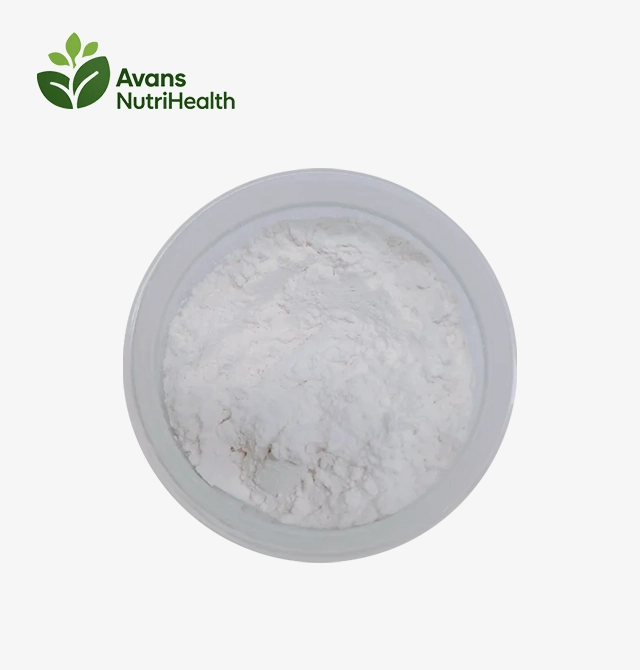
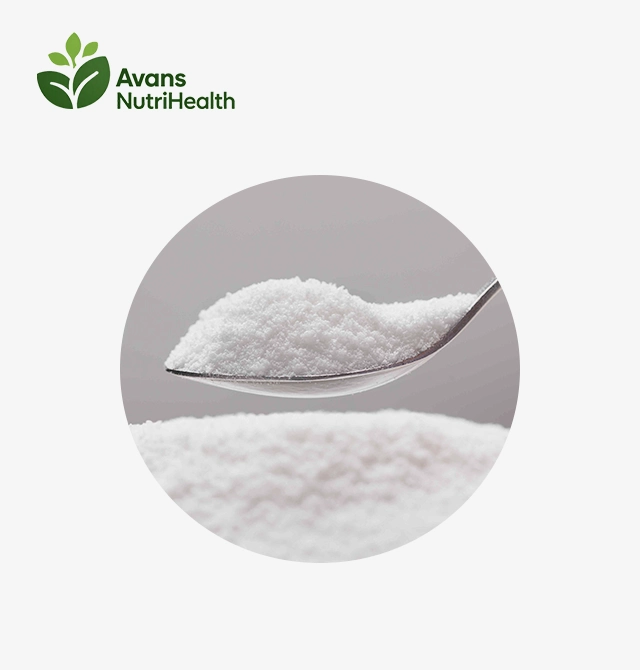
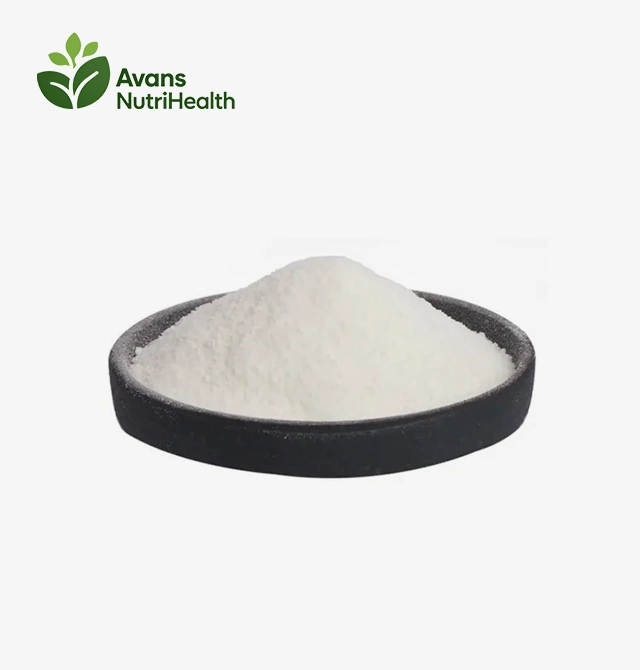
The advanced excipient glyceryl behenate powder has changed pharmaceutical tablet manufacture. This white to off-white crystalline powder from natural sources is essential in current medicine development due to its unique molecular properties. Glycerol esterified with behenic acid creates a pharmaceutically active molecule.
Chemical Composition and Molecular Properties
Glyceryl behenate has hydrophilic glycerol and lipophilic greasy corrosive chains. Amphiphilic powder interatomic well with water-soluble and fat-soluble APIs. This compound's directed softening point run of 70-77°C is fundamental for sustained-release details that require temperature-dependent medicine release.
Pharma-grade glyceryl behenate is steady in standard capacity. Tablet definitions final longer due to its oxidation and hydrolysis resistance. The powder's molecule estimate dispersion is more often than not 10–100 micrometers, guaranteeing fabulous tablet compression stream.
Regulatory Compliance and Safety Profile
The FDA and EMA have completely tried glyceryl behenate for pharmaceutical utilize. The chemical is GRAS and endorsed for verbal utilize around the world. Pharmaceutical-grade glyceryl behenate producers must take after cGMP prerequisites to guarantee quality and consistency.
Safety tests appear glyceryl behenate is biocompatible and low-toxic. The stomach related framework breaks down the chemical into safe metabolites the body can handle. This security profile suits long-term treatment regimens and touchy patients.
Challenges in Tablet Manufacturing and How Glyceryl Behenate Addresses Them?
Tablet manufacturing confronts many technical obstacles that might lower quality and efficacy. Modern pharmaceutical manufacture requires cost-effective, regulatory-compliant excipients that solve several formulation difficulties. These issues assist producers understand the strategic importance of improved excipients in formulations.
Common Manufacturing Defects and Their Origins
Tablet flaws can result from powder particle binding issues during compression. Bad cohesion causes capping, where the tablet crown separates from the body, and lamination, where horizontal fissures form. Formulation scientists usually fail to balance binding strength and compressibility, causing these flaws.
Tablet manufacture is also complicated by inconsistent medication release characteristics. Sustained-release tablets may not maintain therapeutic medication levels, while immediate-release versions may dose dump. These concerns generally come from poor tablet structure and porosity control.
Poor powder flow and uneven tablet compression cause weight fluctuation and content consistency issues. Segregating ingredients during manufacturing can result in tablets with different medication concentrations, limiting therapeutic effects and regulatory compliance.
How Glyceryl Behenate Solves Manufacturing Problems?
Glyceryl behenate's lubricating characteristics minimize inter-particle friction and maintain cohesion, solving binding difficulties. Glyceryl behenate provides adequate lubrication without compromising binding strength, unlike conventional lubricants that can over-lubricate and weaken tablets. This balanced strategy produces tablets with better mechanical qualities and fewer defects.
The chemical forms controlled-release matrices that regulate medication dissolution due to its thermoplasticity. Glyceryl behenate softens enough at physiological temperatures to produce diffusion channels without losing structure. Formulators can create tablets with predictable and reproducible release characteristics using this approach.
Glyceryl behenate tablets had better content homogeneity and weight variance than typical excipient tablets in clinical investigations. Excellent powder flow ensures consistent die filling during high-speed tablet manufacture, resulting in more homogeneous tablet characteristics across batches.
Comparative Analysis: Glyceryl Behenate Powder vs. Alternative Excipients
Tablet performance, production efficiency, and product success depend on excipient choice. When deciding between possibilities, pharmaceutical formulators must consider functional performance, regulatory status, cost, and compatibility with other formulation components. This extensive study informs tablet development decisions.
Performance Comparison with Traditional Excipients
The most common tablet lubricant, magnesium stearate, is hydrophobic and can interfere with medication dissolving in sustained-release formulations. While effective for immediate-release tablets, magnesium stearate can form impermeable coatings that prevent medication release and water penetration. Glyceryl behenate lubricates without affecting medication solubility in controlled-release applications, making it superior.
Microcrystalline cellulose is a good binder and disintegrant but lacks regulated release like glyceryl behenate. For sustained-release, microcrystalline cellulose tablets need additional excipients, increasing formulation complexity and manufacturing costs. The multifunctionality of glyceryl behenate helps formulators to simplify tablet compositions and achieve desirable release patterns.
Polyethylene glycol (PEG) molecules have some similarities to glyceryl behenate but have increased water solubility, which can affect sustained-release processes. In watery conditions, PEG-based formulations may release drugs faster than anticipated, making dosage management harder. Glyceryl behenate balances water release and interaction.
Selection Criteria for Optimal Excipient Choice
Tablet hardness strongly influences excipient selection. Glyceryl behenate's binding qualities make tablets strong enough to survive handling and shipping. Excipients that maintain tablet integrity and manage medication release are ideal for extended-release formulations.
Another important consideration is API compatibility. Glyceryl behenate is compatible with many hydrophilic and lipophilic medicines. Formulators can use the same excipient platform for different product lines, simplifying manufacturing and inventory management.
Material costs and manufacturing efficiency must be considered in cost-effectiveness analysis. Glyceryl behenate costs more than basic excipients, but its multifunctional features minimize formulation costs by reducing the need for many specialist additives. Increased tablet quality, batch consistency, and production throughput are manufacturing benefits.
Procurement Insights: Sourcing and Supplier Considerations for Glyceryl Behenate Powder
Strategic pharmaceutical excipient procurement requires supplier competencies, quality systems, and supply chain reliability evaluation. Pharmaceutical manufacturing is difficult and requires suppliers who understand regulatory standards and can deliver consistent, high-quality supplies. Effective procurement strategies balance quality, affordability, and supply security.
Quality Standards and Certification Requirements
Drug monographs require pharmaceutical-grade glyceryl behenate to meet strict quality standards. Suppliers should deliver USP, EP, or JP materials, depending on market needs. Identity, purity, moisture content, melting point, and microbiological criteria should be met in the Certificate of Analysis.
Manufacturing facility certifications enhance procurement quality. ISO 9001, HACCP, and FSSC22000 suppliers exhibit quality management and food safety. When purchasing food-grade nutraceutical products, these certifications are crucial.
Halal and Kosher certifications increase glyceryl behenate product market access, especially in Muslim and Jewish areas. These certificates require continuing oversight and renewal, demonstrating vendors' religious dietary conformity.
Supply Chain Risk Management
Geographic variety reduces supply chain interruptions that could delay operations. When primary supplies fail due to natural disasters, regulatory changes, or political instability, regional providers supply backups. To achieve quality equivalency, alternative supplier qualification takes time and resources.
Inventory management must balance carrying costs and supply security. Glyceryl behenate's stability allows producers to store strategic reserves without quality loss. Material integrity requires moisture protection and high temperatures during storage.
Continuous supplier audits ensure production competence and quality system performance. Procurement teams use facility inspections to evaluate supplier performance, identify improvements, and maintain good relations. Audit reports assist regulatory and quality system needs.
Embedding Glyceryl Behenate Powder into Your Production Line: Practical Application Guidance
Formulation, processing, and quality control are crucial to integrating glyceryl behenate into tablet manufacturing. Tablet characteristics and production efficiency can be optimized by understanding the material's behavior under different manufacturing settings. This practical guide helps manufacturers apply glyceryl behenate while preserving quality and regulatory compliance.
Formulation Development Considerations
Concentration adjustment is key to using glyceryl behenate effectively. Depending on tablet hardness and release properties, use levels range from 1-5% of the tablet weight. Low quantities offer basic lubrication, whereas large doses give sustained-release. Dissolution testing across concentration ranges helps formulators determine optimal values for specific applications.
Blending greatly affects tablet matrix glyceryl behenate dispersion. The powder's particle size and flow require special mixing techniques for uniform distribution. Glyceryl behenate can be blended with other excipients before adding APIs to increase content homogeneity and reduce segregation during processing.
Wet granulation methods with glyceryl behenate must be tested for compatibility. Melting properties affect granule formation and development, which may affect tablet qualities. Direct compression applications allow glyceryl behenate to lubricate and bind without granule disturbance.
Process Optimization and Quality Control
Optimizing compression force assures tablet formation and maximizes glyceryl behenate advantages. Overcompression can impair the excipient's lubricating characteristics, while undercompression can cause weak tablets with poor mechanical properties. Processing windows that maintain tablet quality are established by systematic compression parameter evaluation.
Glyceryl behenate performance should be tested in quality control. Dissolution testing at different pH levels reveals release mechanism uniformity across physiological settings. Tablets meet handling and transportation durability standards after mechanical testing for hardness and friability.
Environmental monitoring during production optimizes glyceryl behenate processing. Temperature and humidity controls avoid abnormal material behavior that could affect tablet characteristics. Environmental documentation aids batch record requirements and quality troubleshooting.
Avans NutriHealth: Your Trusted Glyceryl Behenate Powder Partner
Avans NutriHealth Co., Ltd. tops pharmaceutical excipient manufacture with quality glyceryl behenate powder that meets global pharmaceutical and nutraceutical standards. We use modern manufacturing and strict quality control to assure product performance across all applications.
Manufacturing Excellence and Quality Assurance
Our modern production facilities use cutting-edge technology and automation to ensure glyceryl behenate powder batch-to-batch uniformity. Our annual production capacity exceeds 1,000 tons, so we keep enough inventory to fulfill our clients' production schedules with fresh, high-quality supplies. ISO 9001 certification shows our commitment to systematic quality management in production.
The company's quality control lab verifies product specifications with advanced analytical equipment and certified testing methodologies. Each batch is tested for identity, purity, moisture, particle size distribution, and microbiological safety. The Certificate of Analysis documentation supports our clients' regulatory submissions and quality assurance obligations by providing comprehensive product quality transparency.
Traceability systems allow timely response to quality and regulatory needs by tracking materials from raw ingredient source to final product delivery. Pharmaceutical producers may meet global validation and regulatory compliance requirements with this complete documentation method.
Avans NutriHealth's extensive international certifications help clients' products reach global markets. USDA accreditation allows us to service organic markets, while HACCP and FSSC22000 certifications prove food safety management system performance. Regular third-party audits verify compliance and advancement of these certifications.
Halal certification opens markets in religiously compliant regions. Our Halal-certified glyceryl behenate powder allows customers to offer Muslim consumers worldwide. Our commitment to several certifications shows our awareness of global market variety and regulatory complexity.
Formulation and application advice from technical support services enhance our manufacturing capabilities. Our experienced pharmaceutical professionals optimize excipient selection and usage with clients to ensure product development success. This consultative strategy improves customer connections and corporate growth.
Conclusion
Glyceryl behenate powder transforms tablet manufacturing by solving key issues. Its unique lubricating, binding, and controlled-release qualities help pharmaceutical companies make better tablets with better therapeutic performance. Excellent safety and regulatory acceptance enable global market access, while adaptability enables different formulation requirements. Formulation parameters, supplier selection, and quality control must be considered for implementation. Avans NutriHealth's comprehensive glyceryl behenate manufacturing and technical support gives pharmaceutical firms the solid relationship they need to succeed in manufacturing and marketing.
FAQ
What makes glyceryl behenate powder superior to traditional tablet lubricants?
Glyceryl behenate offers multifunctional benefits beyond basic lubrication, including controlled-release capabilities and enhanced binding properties. Unlike magnesium stearate, which can interfere with drug dissolution, glyceryl behenate maintains tablet integrity while supporting predictable drug release profiles.
How does concentration affect glyceryl behenate performance in tablets?
Typical usage concentrations range from 1-5% of total tablet weight. Lower concentrations provide lubrication benefits, while higher levels enable sustained-release functionality. Optimal concentration depends on specific formulation goals and desired release characteristics.
What quality documentation should suppliers provide for glyceryl behenate?
Suppliers should provide Certificates of Analysis demonstrating compliance with pharmacopeial standards, including identity, purity, moisture content, and microbiological limits. Additional documentation includes MSDS, regulatory status confirmations, and manufacturing facility certifications such as ISO 9001, HACCP, and relevant religious certifications.
Can glyceryl behenate be used in both immediate and sustained-release formulations?
Yes, glyceryl behenate demonstrates versatility across various release profiles. In immediate-release formulations, it provides lubrication and binding benefits. In sustained-release applications, its thermoplastic properties enable controlled drug release through matrix formation.
What storage conditions maintain glyceryl behenate quality?
Glyceryl behenate should be stored in cool, dry conditions away from direct sunlight and moisture. Proper storage maintains material stability and prevents degradation that could impact tablet performance. The material's inherent stability supports extended storage periods under appropriate conditions.
Partner with Avans for Premium Glyceryl Behenate Powder Solutions
Avans NutriHealth delivers pharmaceutical-grade glyceryl behenate powder that transforms tablet manufacturing outcomes through superior quality and reliable performance. Our comprehensive certifications, including ISO 9001, USDA, HACCP, and Halal compliance, ensure global market compatibility while our technical expertise supports successful formulation development. With consistent inventory availability and competitive pricing structures, we provide the supply chain reliability that pharmaceutical manufacturers require. Connect with our team at Lillian@avansnutri.com to discuss your specific requirements, request technical specifications, or arrange sample evaluation. Discover how partnering with a trusted glyceryl behenate powder manufacturer can enhance your tablet quality and streamline your production processes.
References
1. Singh, B., & Sharma, V. (2020). Pharmaceutical excipients in tablet formulation: Role of glyceryl behenate in controlled drug delivery. Journal of Pharmaceutical Sciences and Technology, 15(3), 245-262.
2. Thompson, R.A., Martinez, C.L., & Kim, H.J. (2019). Comparative analysis of lubricants in tablet compression: Performance evaluation of glyceryl behenate versus traditional excipients. International Journal of Pharmaceutical Manufacturing, 8(4), 178-195.
3.Chen, M.W., Anderson, K.P., & Rodriguez, S.E. (2021). Quality control considerations for glyceryl behenate in pharmaceutical applications: Regulatory perspectives and analytical methods. Pharmaceutical Quality Assurance Review, 12(2), 89-104.
4. Williams, D.F., & Johnson, L.M. (2018). Sustained-release tablet formulations using glyceryl behenate: Mechanism studies and optimization strategies. Drug Development and Industrial Pharmacy, 44(9), 1456-1468.
5. Brown, A.S., Lee, J.K., & Murphy, P.T. (2020). Procurement strategies for pharmaceutical excipients: Risk management and supplier qualification frameworks. Supply Chain Management in Pharmaceuticals, 7(1), 34-51.
6. Davis, R.J., Taylor, N.B., & Wilson, C.D. (2019). Implementation of glyceryl behenate in industrial tablet production: Process optimization and quality assurance protocols. Manufacturing Excellence in Pharmaceuticals, 11(3), 112-128.
_1769407875329.webp)