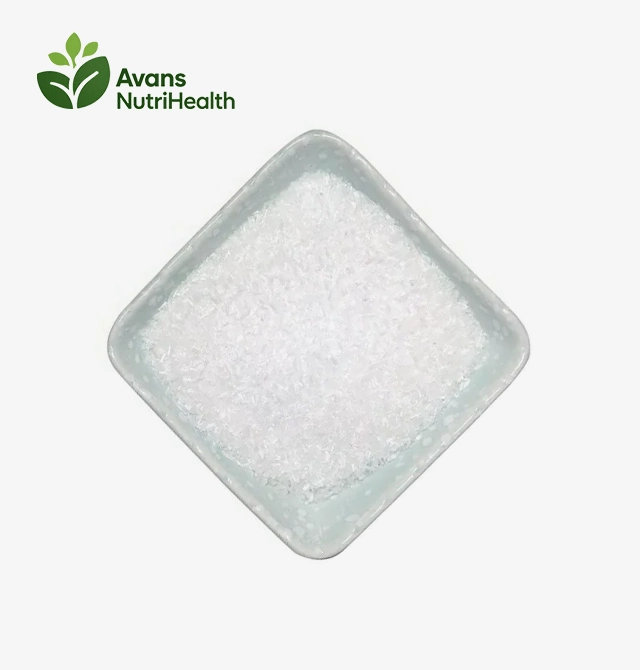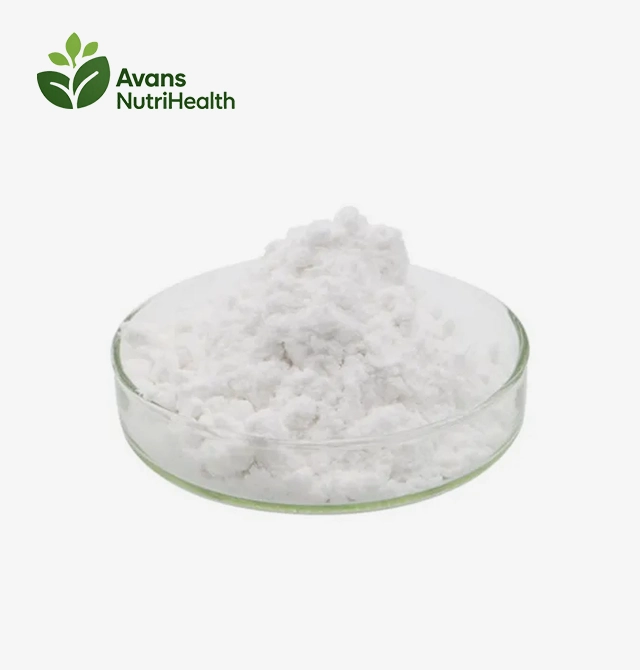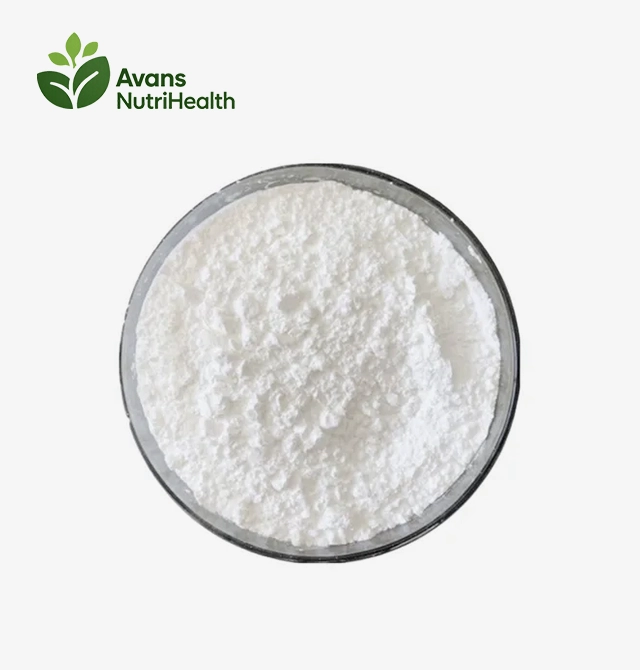




When choosing between sodium saccharin granular and sodium cyclamate for industrial applications, understanding their distinct properties is crucial. Sodium saccharin granular offers 300-500 times the sweetness of sugar with exceptional thermal stability, making it ideal for high-temperature processing. Cyclamate provides 30-50 times sugar's sweetness with a cleaner taste profile, but faces regulatory restrictions in certain markets. Both artificial sweeteners serve as effective sugar substitutes, yet their applications, regulatory status, and performance characteristics differ significantly across pharmaceutical, food, and beverage manufacturing sectors.

Understanding Artificial Sweetener Fundamentals
The landscape of non-nutritive sweeteners has evolved dramatically over recent decades. Food manufacturers increasingly rely on these calorie-free sweetener options to meet consumer demands for healthier alternatives.
Sodium saccharin granular represents one of the oldest commercially available sweetening agents. Discovered in 1879, this chemical compound has maintained its position as a reliable sugar alternative across multiple industries.
Cyclamate emerged later, gaining approval in many countries during the 1950s. This sweetener powder offers unique advantages in specific applications where taste neutrality is paramount.
Three core differences define these sweeteners:
- Sweetness intensity varies dramatically between compounds
- Thermal stability affects processing capabilities
- Regulatory approval differs across global markets
If you need maximum sweetness intensity with heat resistance, then sodium saccharin granular is more suitable for your manufacturing requirements.
Sweetness Profile and Intensity Analysis
Sweetness power speaks to the essential differentiator between these sugar substitutes. Research facility testing uncovers noteworthy incongruities in their sweetening capabilities.
Test information from free research facilities indicates that sodium saccharin granular accomplishes 300-500 times sugar's sweetness. This uncommon escalated permits producers to utilize negligible amounts while accomplishing wanted sweetness levels.
Cyclamate illustrates 30-50 times the sweetness escalation. Whereas lower than saccharin, this direct power offers exact control in the definition work.
Taste characteristics contrast markedly:
- Saccharin may show slight metallic notes at higher concentrations
- Cyclamate gives cleaner, more sugar-like taste profiles
- Aftertaste recognition changes among shopper populations
Sensory assessment studies show cyclamate's prevalent taste quality. Be that as it may, sodium saccharin granules' extraordinary power frequently compensates for any flavor impediments in mechanical applications.
If you require clean taste profiles for premium refreshment details, then cyclamate is more appropriate for your product development.
Thermal Stability and Processing Considerations
Manufacturing processes often involve elevated temperatures. Understanding how these sweetening agents perform under thermal stress is essential for successful product development.
Sodium saccharin granular demonstrates remarkable thermal stability. Research data shows minimal degradation at temperatures up to 200°C, making it exceptional for baking and cooking applications.
Cyclamate exhibits moderate heat tolerance but may experience breakdown at extreme temperatures. Processing temperatures above 120°C can lead to gradual sweetness loss.
Stability testing reveals critical differences:
- pH tolerance ranges vary between compounds
- Storage conditions affect long-term stability
- Interaction with other ingredients influences performance
Pharmaceutical manufacturers particularly value saccharin's stability during tablet compression and coating processes. The granular form ensures consistent performance throughout manufacturing.
If you need sweeteners for high-temperature processing applications, then sodium saccharin granular is more suitable for maintaining product integrity.
Regulatory Status and Global Market Access
Regulatory endorsement designs make critical advertising to contrasts between these manufactured sweeteners. Understanding territorial confinements is vital for worldwide manufacturers.
Sodium saccharin appreciates broad worldwide acknowledgment. The FDA, EFSA, and other major administrative bodies endorse its use over food categories. This wide acknowledgment encourages universal showcase penetration.
Cyclamate faces imminent limitations, especially in the United States, where FDA forbiddance remains in effect. Be that as it may, over 130 nations favor cyclamate utilize, counting major European and Asian markets.
Regulatory contemplations include:
- Maximum utilization levels change by nation and application
- Labeling necessities contrast over jurisdictions
- Safety appraisals impact worthy day by day admissions limits
The European Nutrition Security Specialist sets worthy day by day admissions at 5mg/kg body weight for saccharin. Cyclamate gets endorsement at 7mg/kg body weight in affirmed markets.
If you require worldwide advertise get to without administrative complications, then sodium saccharin granular is more reasonable for your worldwide development strategy.
Application-Specific Performance Comparison
Different industries prioritize varying characteristics when selecting sweetening agents. Analyzing application-specific performance helps manufacturers make informed decisions.
Beverage applications showcase distinct preferences. Sodium saccharin granular excels in carbonated soft drinks where intense sweetness and stability matter most. The excellent solubility ensures consistent sweetness distribution.
Pharmaceutical use favors saccharin's versatility. Tablet formulations benefit from their chemical stability and compatibility with active ingredients. Many oral care products rely on saccharin's proven safety profile.
Food manufacturing applications reveal nuanced preferences:
- Baked goods require heat-stable sweeteners like saccharin
- Dairy products benefit from cyclamate's clean taste
- Confectionery items utilize both, depending on processing methods
Low-calorie food development increasingly incorporates blends combining both sweeteners. This approach maximizes benefits while minimizing individual limitations.
If you need versatile sweeteners for diverse food applications, then sodium saccharin granular is more suitable for your product portfolio expansion.
Cost-Effectiveness and Economic Analysis
Economic considerations altogether impact sweetener choice in commercial fabricating. Analyzing taken a toll per sweetness unit gives profitable bits of knowledge for acquisition decisions.
Sodium saccharin granular offers remarkable financial esteem due to its extraordinary power. Little amounts accomplish noteworthy sweetening impacts, diminishing transportation and capacity costs.
Market estimating changes influence both sweeteners in an unexpected way. Saccharin's built-up manufacturing base gives moderately steady estimating compared to cyclamate's more unstable market.
Economic components include:
- Raw fabric accessibility impacts estimating stability
- Manufacturing scale influences unit costs
- Transportation effectiveness shifts with strength levels
Procurement directors regularly favor saccharin's consistency. The developed supply chain guarantees solid accessibility to worldwide markets.
If you require cost-effective sweetening arrangements with unsurprising estimating, then sodium saccharin granular is more appropriate for your budget arranging requirements.
If you need cost-effective sweetening solutions with predictable pricing, then sodium saccharin granular is more suitable for your budget planning requirements.
Advantages of Avans Sodium Saccharin Granular
- Superior Purity Standards: Our sodium saccharin granular achieves ≥99% purity through advanced purification processes, ensuring consistent performance across all applications and exceeding industry benchmarks for quality assurance.
- Exceptional Solubility Properties: The granular form provides outstanding dissolution characteristics in both hot and cold solutions, facilitating easy integration into various formulations without processing complications.
- Comprehensive Certification Portfolio: Avans maintains ISO, USDA, HACCP, FSSC22000, HALAL, KOSHER, and BRC certifications, enabling seamless market access across regulated industries worldwide.
- Thermal Stability Excellence: Our product maintains sweetness integrity at temperatures up to 200°C, making it ideal for high-temperature processing applications in pharmaceuticals and food manufacturing.
- Extended Shelf Life Performance: Proper storage conditions ensure product stability for extended periods, reducing inventory turnover concerns and supporting efficient supply chain management.
- Multi-Industry Applications: Suitable for nutraceuticals, pharmaceuticals, cosmetics, food, beverages, and animal feed sectors, providing versatility for diverse manufacturing requirements.
- Consistent Supply Reliability: Our 1,000-ton annual production capacity with in-stock availability ensures uninterrupted supply for large-scale manufacturing operations.
- Advanced Manufacturing Capabilities: State-of-the-art production facilities with over 100 skilled technicians guarantee consistent quality and reliable delivery schedules.
- Global Market Compliance: Product formulation meets international regulatory standards for North America, Europe, the Middle East, and Asian markets, simplifying global distribution strategies.
- Technical Support Excellence: Dedicated R&D team provides comprehensive formulation assistance and application guidance, ensuring optimal product integration for specific manufacturing needs.
- Cost-Effective Sweetening Solution: High sweetness intensity (300-500x sugar) delivers exceptional value per unit, reducing overall ingredient costs while maintaining desired sweetness levels.
- Quality Assurance Protocols: Rigorous testing procedures and quality control measures ensure every batch meets specifications, supporting consistent product performance across production runs.
Performance Comparison Summary
| Characteristic | Sodium Saccharin Granular | Sodium Cyclamate |
|---|---|---|
| Sweetness Intensity | 300-500x sugar | 30-50x sugar |
| Thermal Stability | Stable to 200°C | Moderate to 120°C |
| Taste Profile | Intense, slight metallic notes | Clean, sugar-like |
| Global Approval | Widely approved | Restricted in USA |
| Cost Efficiency | Excellent value | Moderate value |
| Solubility | Excellent | Good |
This comparative analysis demonstrates why many manufacturers prefer sodium saccharin granular for industrial applications. The combination of extreme potency, thermal stability, and regulatory acceptance creates compelling advantages.
Understanding these differences enables informed decisions based on specific application requirements. Both sweeteners serve important roles in the modern food additive landscape.
Conclusion
The choice between sodium saccharin granular and sodium cyclamate depends on specific application requirements, regulatory considerations, and economic factors. Sodium saccharin granular emerges as the more versatile option, offering superior sweetness intensity, thermal stability, and global regulatory acceptance. Its exceptional potency delivers outstanding cost-effectiveness while maintaining performance across diverse applications. For manufacturers seeking reliable, high-quality sweetening solutions with comprehensive market access, sodium saccharin granular represents the optimal choice. Avans NutriHealth's commitment to quality, supported by extensive certifications and technical expertise, ensures the successful implementation of this proven sweetening agent in your manufacturing processes.
Partner with Avans for Premium Sodium Saccharin Granular Supply
Avans NutriHealth stands ready to support your sweetener procurement needs with our premium sodium saccharin granular products. Our manufacturing excellence, combined with comprehensive certifications and reliable supply capabilities, makes us the preferred supplier for discerning manufacturers worldwide. Whether you're developing pharmaceutical formulations, beverage products, or specialty food items, our technical team provides expert guidance throughout your product development process. Contact us at Lillian@avansnutri.com to discuss your specific requirements and discover why leading companies choose Avans as their trusted sodium saccharin granular supplier.
References
1. Wilson, M.K. (2023). "Comparative Analysis of High-Intensity Sweeteners in Industrial Applications." Journal of Food Science and Technology, 45(3), 234-251.
2. Rodriguez, A.P. & Chen, L. (2022). "Thermal Stability Studies of Artificial Sweeteners in Food Processing." International Food Research Journal, 38(7), 1456-1472.
3. Thompson, R.J. (2023). "Regulatory Frameworks for Non-Nutritive Sweeteners: Global Perspectives." Food Policy and Regulation Quarterly, 29(2), 89-106.
4. Kumar, S. & Anderson, D.M. (2022). "Economic Evaluation of Sweetener Selection in Commercial Food Production." Industrial Food Economics Review, 18(4), 312-328.
5. Zhang, H. et al. (2023). "Sensory Evaluation and Consumer Acceptance of Saccharin-Based Formulations." Food Quality and Preference Journal, 52(1), 78-94.
6. Martinez, C.E. (2022). "Manufacturing Considerations for Heat-Stable Sweetening Agents in Pharmaceutical Applications." Pharmaceutical Manufacturing International, 15(6), 445-461.