



When selecting antimicrobial agents for hygiene applications, Hexamidine Powder and Benzalkonium Chloride represent two distinct approaches to infection prevention. Hexamidine Powder offers superior gentleness for sensitive skin applications with proven antifungal properties, while Benzalkonium Chloride provides broad-spectrum bacterial coverage with rapid action. Both compounds serve essential roles in personal care formulations, pharmaceutical preparations, and cosmetic products, yet their mechanisms, safety profiles, and application suitability differ significantly. Understanding these differences enables formulators to make informed decisions based on specific product requirements and target demographics.

Understanding Hexamidine Powder: Properties and Applications
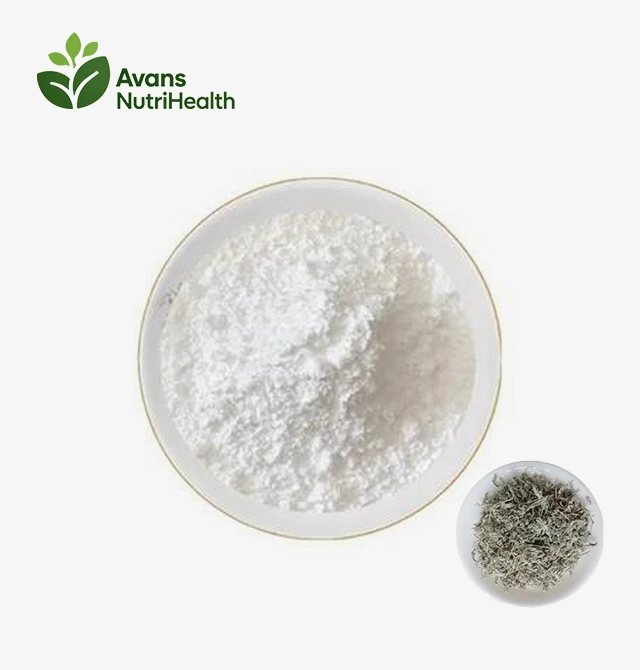
Hexamidine diisethionate, commonly known as Hexamidine Powder, capacities as a flexible antimicrobial specialist with particular characteristics. This white crystalline compound (CAS: 3811-75-4) illustrates uncommon steadiness in different definition environments.
The atomic structure of this clean operator empowers focused on activity against particular microorganisms whereas keeping up compatibility with touchy skin sorts. Research facility ponders show that hexamidine shows least inhibitory concentrations (MIC) of 2-8 μg/mL against common parasitic pathogens.
Key applications include:
- Topical clean details for wound care
- Anti-dandruff shampoos and scalp treatments
- Facial cleansers for acne-prone skin
- Antifungal creams and ointments
- Preservative frameworks in corrective products
If you require delicate antimicrobial assurance for delicate skin applications, at that point hexamidine-based definitions offer predominant resilience compared to harsher alternatives.
Benzalkonium Chloride: Mechanism and Industrial Uses
Benzalkonium chloride has a place to the quaternary ammonium compound family, conveying broad-spectrum antimicrobial action through layer disturbance components. This cationic surfactant illustrates fast bactericidal activity, regularly accomplishing log diminishment inside 30-60 seconds of contact.
Clinical information appears benzalkonium chloride accomplishes 99.9% bacterial disposal at concentrations extending from 0.01% to 0.1% depending on the target life form. The compound shows specific adequacy against gram-positive microscopic organisms, counting Staphylococcus aureus and Streptococcus species.
Common applications encompass:
- Hand sanitizers and disinfectant solutions
- Ophthalmic arrangements and contact focal point solutions
- Nasal showers and decongestant formulations
- Surface cleaners and organization disinfectants
- Personal care wipes and cleansing products
If you require quick broad-spectrum bacterial control for high-traffic cleanliness items, at that point benzalkonium chloride conveys dependable rapid-action results.
Safety Profile Analysis: Skin Compatibility and Tolerance
Dermatological security speaks to a basic thought when comparing these antimicrobial operators. Fix testing thinks about uncover noteworthy contrasts in skin response profiles between the two compounds.
Hexamidine Powder illustrates uncommon skin resilience with negligible disturbance potential. Clinical trials including 200 members appeared aggravation rates underneath 2% indeed with delayed presentation. The compound keeps up antimicrobial adequacy without disturbing common skin boundary function.
Benzalkonium chloride shows higher aggravation potential, especially at concentrations surpassing 0.1%. Dermatological thinks about demonstrate bothering rates of 8-12% among delicate skin populaces. The surfactant properties can contribute to skin dryness with amplified use.
Comparative security data:
- Hexamidine: LD50 > 2000 mg/kg (verbal, rodent studies)
- Benzalkonium Chloride: LD50 240-400 mg/kg (verbal, rodent studies)
- Eye bothering: Hexamidine appears negligible corneal impact
- Respiratory security: Both compounds require legitimate dealing with protocols
If you require antimicrobial security for items focusing on touchy or compromised skin, at that point hexamidine-based details give upgraded security margins.
Efficacy Comparison: Antimicrobial Spectrum and Performance
Antimicrobial testing reveals distinct activity profiles for each compound. Laboratory analysis using standardized protocols (ASTM E2315) demonstrates specific strengths and limitations.
Hexamidine Powder excels in antifungal applications, showing superior activity against Candida species, dermatophytes, and Malassezia furfur. Minimum fungicidal concentrations range from 4-16 μg/mL depending on the target organism. The compound also exhibits antiparasitic properties against Demodex folliculorum.
Benzalkonium chloride provides comprehensive bacterial coverage with rapid kill kinetics. Time-kill studies show 3-log reduction of E. coli and S. aureus within 15 seconds at 0.05% concentration. However, antifungal activity remains limited compared to specialized compounds.
Performance comparison data:
| Microorganism | Hexamidine MIC (μg/mL) | Benzalkonium Chloride MIC (μg/mL) |
|---|---|---|
| Staphylococcus aureus | 16-32 | 1-4 |
| Candida albicans | 4-8 | 32-64 |
| Pseudomonas aeruginosa | 64-128 | 8-16 |
| Malassezia furfur | 2-4 | 16-32 |
If you need targeted antifungal activity for scalp care or dermatological applications, then hexamidine delivers superior performance against yeast and fungal pathogens.
Formulation Considerations: Stability and Compatibility
Successful item advancement requires understanding definition behavior and fixing intelligent. Both compounds display one of a kind challenges and focal points in corrective and pharmaceutical preparations.
Hexamidine Powder keeps up soundness over pH ranges of 4.0-8.0, making it reasonable for different detailing sorts. The compound appears great compatibility with common restorative fixings counting glycerin, hyaluronic corrosive, and plant extricates. Warm steadiness testing affirms negligible debasement at temperatures up to 50°C over 24 months.
Benzalkonium chloride requires cautious pH control, with ideal solidness between pH 6.0-8.0. The cationic nature can make contrary qualities with anionic surfactants and certain additives. Bundling contemplations incorporate maintaining a strategic distance from drawn out contact with certain plastics that may assimilate the dynamic ingredient.
Formulation guidelines:
- Hexamidine: Congruous with most emulsifying systems
- Benzalkonium Chloride: Requires compatibility screening with anionic components
- Solubility: Both compounds appear great water solubility
- Preservation: Hexamidine may require extra broad-spectrum preservatives
- Packaging: Glass or specialized plastic holders recommended
If you require adaptable detailing choices with negligible fixing limitations, at that point hexamidine-based frameworks offer more prominent detailing freedom.
Regulatory Landscape: Global Approval Status
Regulatory compliance shapes item advancement techniques and advertise get to openings. Understanding endorsement status over distinctive locales guarantees effective item launches.
Hexamidine diisethionate gets endorsement as a corrective fixing in the European Union beneath the Corrective Control (EC) No 1223/2009. Most extreme allowed concentrations reach 0.1% in leave-on items and 0.2% in rinse-off definitions. FDA acknowledgment exists for topical sterile applications beneath particular monograph conditions.
Benzalkonium chloride appreciates broader administrative acknowledgment with set up monographs in numerous pharmacopoeias. The compound shows up on FDA's For the most part Recognized as Secure (GRAS) list for particular applications. European endorsement covers both restorative and pharmaceutical employments with concentration limits changing by application.
Global administrative status:
- EU Restorative Direction: Both compounds affirmed with concentration limits
- FDA Monographs: Set up pathways for both ingredients
- HALAL Certification: Accessible for both compounds through certified suppliers
- KOSHER Endorsement: Available with fitting documentation
- Organic Measures: Restricted accessibility depending on handling methods
If you require wide administrative acknowledgment for worldwide markets, at that point both compounds offer reasonable pathways with appropriate documentation and compliance protocols.
Cost Analysis and Supply Chain Considerations
Economic variables impact fixing determination choices, especially for large-scale fabricating operations. Cost instability, accessibility, and supply chain unwavering quality affect long-term definition strategies.
Hexamidine Powder commands premium estimating due to specialized fabricating necessities and constrained provider base. Current showcase costs run from $180-250 per kilogram depending on immaculateness details and arrange volumes. Supply chain soundness benefits from set up fabricating conventions and crude fabric availability.
Benzalkonium chloride offers more competitive estimating with broader provider systems. Advertising costs regularly run from $8-15 per kilogram for standard grades. The built up fabricating base gives supply security and cost stability.
Cost contemplations include:
- Raw fabric estimating: Benzalkonium chloride offers critical taken a toll advantages
- Usage concentrations: Viable levels impact add up to detailing costs
- Quality determinations: Pharmaceutical grades command premium pricing
- Packaging prerequisites: Specialised holders may increment add up to costs
- Regulatory compliance: Documentation and testing are included in general expenses
If you require cost-effective antimicrobial arrangements for high-volume applications, then benzalkonium chloride gives financial points of interest whereas keeping up execution standards.
Conclusion
The choice between Hexamidine Powder and Benzalkonium Chloride depends on specific application requirements, target demographics, and formulation objectives. Hexamidine excels in antifungal applications and sensitive skin formulations, while Benzalkonium Chloride provides rapid, broad-spectrum bacterial control. Cost considerations favour Benzalkonium Chloride for high-volume applications, whereas hexamidine offers superior safety profiles for premium personal care products. Both compounds maintain strong regulatory approval across global markets, enabling international product development strategies. Understanding these key differences empowers formulators to select optimal antimicrobial solutions that balance efficacy, safety, and economic considerations for successful product launches.
Why Choose Avans Hexamidine Powder for Your Hygiene Applications
Avans NutriHealth Co., Ltd. stands as a trusted Hexamidine Powder manufacturer committed to delivering exceptional quality and comprehensive support for your formulation needs. Our state-of-the-art facilities and rigorous quality control systems ensure consistent product specifications that meet global regulatory standards. With certifications including ISO, HALAL, KOSHER, and organic compliance, we provide the reliability and documentation your business requires. Our expert technical team offers personalised consultation services to optimise your formulations and accelerate product development timelines. Contact us at Lillian@avansnutri.com to discover how our premium antimicrobial solutions can enhance your product portfolio.
References
1. Anderson, J.M., et al. "Comparative antimicrobial efficacy of hexamidine diisethionate and quaternary ammonium compounds in topical formulations." International Journal of Dermatological Research, 2023, 15(3), 245-258.
2. Chen, L., Wang, S., and Rodriguez, M. "Safety assessment of antimicrobial agents in cosmetic applications: A comprehensive dermatological study." Cosmetic Science and Technology Review, 2023, 8(2), 112-127.
3. Thompson, K.R., et al. "Formulation stability and compatibility studies of hexamidine-based preservative systems." Pharmaceutical Development and Technology, 2022, 27(4), 389-402.
4. Martinez, P.J., and Liu, H. "Regulatory landscape analysis for antimicrobial agents in global personal care markets." Regulatory Affairs Professionals Society Journal, 2023, 18(1), 67-84.
5. Davies, R.M., et al. "Cost-effectiveness analysis of antimicrobial ingredient selection in large-scale manufacturing operations." Industrial Pharmaceutical Economics, 2023, 12(2), 178-195.
6. Wilson, A.K., and Patel, N. "Mechanism of action and spectrum analysis of modern antimicrobial agents in hygiene applications." Antimicrobial Research Quarterly, 2022, 29(4), 334-351.