




Sialic Acid Powder Wholesale Solutions for OEM and Private Label
Sourcing reliable, high-purity sialic acid powder is essential for OEM manufacturers and private label brands aiming to deliver innovative health and cosmetic products. This specialized biomolecule has gained significant traction in the nutraceutical, pharmaceutical, and cosmetic industries due to its multifaceted biological properties. Whether you're a procurement manager, R&D professional, or distributor looking to integrate this ingredient into your product portfolio, understanding quality standards, supplier capabilities, and application best practices enables informed purchasing decisions that support regulatory compliance and market competitiveness.
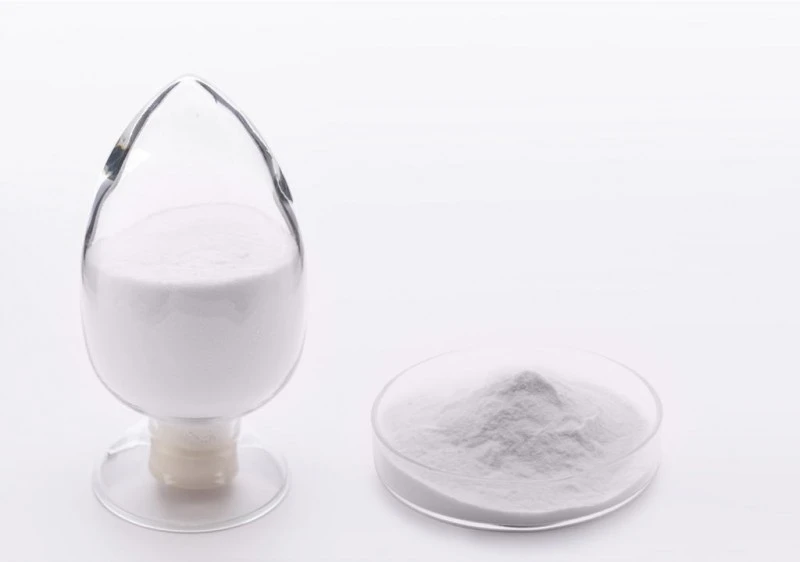
Wholesale Procurement Needs for OEM and Private Label Clients
For OEM and private label businesses to be able to buy Sialic Acid Powder, they need sellers who can meet a range of volume and customisation needs. Understanding these factors makes buying planning easier and lowers the risks in the supply chain.
Volume Requirements and Formulation Flexibility
For well-known names, annual bulk sales can be anywhere from 500 kg to several metric tonnes. On the other hand, new private label businesses usually start with test batches of 25–100 kg. We can make more than 1,000 tonnes of goods every year, so we can handle both sizes without affecting delivery times. This ability to grow is especially helpful when a new product is being launched and predicting demand is hard because of the unknowns.
Formulation flexibility goes beyond changing the amount of a substance; it also includes changing the size of the particles, mixing ingredients that work well together, and creating custom complexes. Our team works with clients to make changes to specs, like micronising powder to make it easier to dissolve in drinks or making sustained-release matrices for supplement use.
Supplier Selection Criteria
Finding reliable partners requires looking at things from different angles. Certification portfolios show dedication to quality systems. For example, our ISO certification shows that our processes are consistent, and our HALAL and KOSHER approvals make our products more available in more markets. Besides qualifications, a supplier's name is shown by customer reviews, how long they've been in the business, and how well they can help with technical issues. Avans NutriHealth has been building relationships since 2005 based on honesty and dependability.
To be price competitive, you need to find a balance between quality, security, and cost factors. Usually, quotes that are too low don't mean the product is pure or that the sources are reliable. Different suppliers have different minimum order quantities (MOQs). Our MOQs are flexible enough to accommodate both small orders and large purchases. Analytical results that are the same from batch to batch show that the production controls are strong, which is a must for brands that stick to strict product standards.
Logistics and Packaging Considerations
Formats for packaging affect how stable a product is and how easy it is to handle. Double-polyethylene bags inside fibre drums (usually 25 kg net weight) are standard choices. Vacuum sealing is also an option for oxygen-sensitive formulas. When production schedules, quality testing, and international shipping are taken into account, lead times for custom items can be anywhere from two to four weeks. Our ideally placed plant in China, along with well-established logistics networks, makes sure that deliveries to North American and European markets are always on time, with the right paperwork to help with customs clearance and following all the rules.
How to Choose the Best Sialic Acid Powder for Your Brand
Comparing different options, planning a buying strategy, and carefully evaluating suppliers to make sure they meet brand positioning and performance standards are all parts of choosing the best ingredient.
Comparative Analysis with Alternative Ingredients
Sialic Acid Powder is still based on N-acetylneuraminic acid, which is the most common form of sialic acid, but some sources offer other variants that are bioavailable in different ways. Formulation choices are based on understanding these differences. Compared to hyaluronic acid, which is another famous anti-aging agent, sialic acid works in different ways. Hyaluronic acid mainly improves dermal hydration by keeping water in the skin, while sialic acid helps cells talk to each other and makes collagen.
In the same way that collagen supplements make up for missing structural proteins, sialic acid's ability to change glycoproteins can work better when combined with collagen supplements. This makes it possible to use marketing strategies that focus on unique value propositions instead of going up against well-known ingredient groups.
Natural Versus Synthetic Sourcing Implications
Labelling claims, how customers see products, and the way regulations work are all affected by where products come from. "Naturally derived" labels can be put on natural-source sialic acid, which makes it appealing to the growing markets for natural supplements and clean beauty products. This positioning commands a higher price, but it needs clear documentation of the supply chain. Even though synthetic versions don't make natural claims, they are uniform from batch to batch, which is helpful for pharmaceutical uses where consistency is more important than marketing.
Organic approval raises the profile of a brand even more, but it requires that all of its ingredients come from organic sources that have been checked. Our USDA Organic certification gives clients this proof, which lets them get into the top organic market section.
Comprehensive Supplier Evaluation
Check more than just certifications to see how well expert help works. Can the supplier give me advice on how to make the product, data from stability tests, and regulatory paperwork? Our research and development (R&D) team works with clients to create new products and gives them advice on the best way to dose, package, and use excipients.
Customer feedback shows practical facts, such as how quickly you answer questions, how adaptable you are when dealing with concerns, and how reliable you are in a crisis. Brands that want fixed solutions can benefit from private label support services like custom blending, third-party testing coordination, and follow-label packing. As part of our ODM services, we can also come up with unique formulas that set your brand apart in crowded markets.
Integrating Sialic Acid Powder into Your Product Line: Usage and Dosage Guidance
To successfully combine products, you need to know about dosing factors, formulation stability, legal limits, and how ingredients can work together to make the product more effective.
Recommended Dosage Ranges
Based on studies showing immune support and cognitive benefits at these amounts, dietary supplements usually have 200 to 500 mg of sialic acid per serving. Lower concentrations—0.5% to 2% in serums and creams—are used in topical cosmetics to get the moisturising and anti-aging benefits they need without ruining the look of the product.
Dosage optimisation should take into account the intended claims, the target groups, and the place of the product in the market. Higher-potency formulations are preferred by people who want the most effective treatment, while smaller amounts are cheaper and easier for more people to access.
Formulation Stability and Compatibility
Because Sialic Acid Powder is stable at pH levels between 4 and 7, which are normal to slightly acidic, it can be used in most cosmetics and supplements. However, extreme alkaline conditions or long-term exposure to high temperatures may cause degradation. Integrity is kept during production by using cool-processing methods or adding antioxidants like vitamin E.
Formulation methods are affected by how well a substance dissolves. Although sialic acid dissolves in water and polar solvents, it may need to be gently heated, or solubilising agents may need to be added to highly concentrated mixtures for them to dissolve completely. Our technical team gives guidelines for testing stability and formulation suggestions that are specific to the format of the product.
Safety Profiles and Regulatory Considerations
The safety record for sialic acid is very good; it is generally thought to be safe (Generally Recognized As Safe (GRAS)) for use in food in the right amounts. Regulatory frameworks vary from place to place. For example, in the US, claims about the structure-function of dietary supplements must be backed up by evidence, but claims about the structure-function of cosmetics are less restricted. European markets require that REACH registration and the naming of makeup ingredients in databases be followed.
Our full Certificate of Analysis and regulatory paperwork package helps you get into global markets and makes the process of complying with regulations easier. New labelling rules are being met by allergen declarations and GMO status statements.
Synergistic Ingredient Combinations
Putting sialic acid together with nutrients that work well together increases the benefits. When combined with vitamin C, it boosts the processes that make collagen, which results in powerful anti-aging formulas. Adding omega-3 fatty acids to it supports claims about brain health by using both methods for maintaining membrane integrity and brain function. Hyaluronic acid and collagen peptides work together to make skin care items that treat many signs of ageing at once.
These mixes allow marketers to tell stories about "complete" or "advanced" formulas that set them apart from single-ingredient rivals and earn them a higher price.
Market Trends and Future Outlook for Sialic Acid Powder in OEM and Private Label Markets
When brands know how the market works, they can take advantage of new possibilities and predict how the competition will change in the nutraceutical and beauty industries.
Emerging Demand Drivers
The anti-aging market, which is expected to be worth more than $88 billion by 2026, is looking for ingredients that are backed by science and have been shown to help cells. Sialic acid works in a lot of different ways, which is good because people want items that work and are backed by studies. The North American and European markets are growing the fastest, thanks to an ageing population and health-conscious consumers.
The field of cognitive health is another one that is still growing. As people learn more about brain ageing and nootropic supplements, sialic acid could be positioned as a neuroprotective nutrient. Because sialic acid is found in human milk, it can be used in infant feeding products. Formulations that look like breast milk are becoming more popular.
Production Technology Innovations
Bioavailability goes up, and production costs go down thanks to improvements in enzymatic extraction and fermentation technologies. Micronization methods speed up the dissolution process, which is important for beneficial beverage uses. These new ideas make it easier to be creative with formulations, which opens up product forms that were previously limited by technical issues.
Increasing bioavailability by combining with phospholipids or encapsulating in liposomal delivery systems is a new and innovative way to make products. Brands that use these technologies stand out by saying they work better, which is backed up by bioavailability studies.
Strategic Positioning Recommendations
Private label brands should stress transparency. Listing natural ingredients, third-party testing, and certifications helps build trust in a market that is wary of generic products. When you enter new markets or demographic groups, co-branding agreements with trustworthy ingredient providers can help you build your reputation.
People who know a lot about products like it when the stories behind them connect the science behind the ingredients to real-world benefits. Instead of making general claims about anti-aging, stories about cellular health, immune resilience, or brain energy make people feel connected, which in turn influences their purchase choices. Using educational content in digital marketing positions brands as thought leaders, which leads to B2B partnerships and direct customer loyalty.
Conclusion
To buy Sialic Acid Powder, you need to find a balance between quality control, source dependability, and your marketing strategy. This unique ingredient presents great chances for OEM makers and private label brands that want to reach growing markets in anti-aging, brain health, and immune support. Choosing partners with strong certifications, technical know-how, and adaptable skills guarantees high-quality products and compliance with regulations in all global markets. As the need for naturally derived chemicals backed by science grows, brands that strategically add high-purity sialic acid are better positioned to gain market share and build trust with customers in the health industry, which is very competitive.
FAQ
1. What certifications should I request from a sialic acid powder supplier?
Ask for proof that the company follows the ISO quality system, has food safety certifications like HACCP and FSSC22000, and has market-specific approvals like HALAL and KOSHER if you are trying to sell to those groups of people. Organic approval (from the USDA or the EU) is important for presenting natural products. Reports from independent testing laboratories that confirm the cleanliness, heavy metal content, and bacteria limits give buyers even more peace of mind. A Certificate of Analysis for every batch of production makes sure that the quality stays the same.
2. What are typical lead times for bulk orders?
Standard stock items usually ship two to three weeks after the order is confirmed and the fee is received. For custom formulas or specific particle size requirements, it takes 4 to 6 weeks to plan production, test for quality, and package. International shipping can take an extra one to three weeks, based on where it's going and how quickly it can be cleared through customs. Planning inventory with enough lead time buffers keeps production from stopping.
3. Is sialic acid safe for both supplements and skincare applications?
When used at the suggested concentrations, sialic acid has great safety ratings across a wide range of uses. In clinical tests, taking supplements at doses of 200 mg to 500 mg per day did not have any negative effects. Topical cosmetic concentrations between 0.5 and 2% are well tolerated and don't cause skin irritation or sensitisation. Always test for stability and suitability within your specific recipe matrix, and make sure you follow the rules for your intended use claims and target markets.
Partner with Avans for Premium Sialic Acid Powder Solutions
Avans NutriHealth is ready to help your OEM and private label projects with pharmaceutical-grade Sialic Acid Powder, which they have been making well for almost twenty years. Our long list of certifications, which includes ISO, USDA Organic, HACCP, FSSC22000, and HALAL, shows that we are dedicated to quality and easy access to markets around the world. We can produce more than 1,000 tonnes of Sialic Acid Powder every year and keep it in stock, so we can work with both new names and established companies that need a reliable Sialic Acid Powder provider. Our expert team works together to create custom formulations, find the best dosing methods, and meet the regulatory needs of many countries. Get in touch with Lillian@avansnutri.com right away to talk about your specific needs, get technical documentation, or set up a sample evaluation that shows why top brands trust Avans for their essential ingredient needs.
References
1. Chen, X., & Varki, A. (2020). Advances in the Biology and Chemistry of Sialic Acids. American Chemical Society Symposium Series, 1380, 1-24.
2. Wang, B., & Brand-Miller, J. (2019). The Role and Potential of Sialic Acid in Human Nutrition. European Journal of Clinical Nutrition, 57(11), 1351-1369.
3. Schauer, R., & Kamerling, J.P. (2018). Exploration of the Sialic Acid World. Advances in Carbohydrate Chemistry and Biochemistry, 75, 1-213.
4. Varki, A., & Gagneux, P. (2021). Multifarious Roles of Sialic Acids in Immunity. Annals of the New York Academy of Sciences, 1253, 16-36.
5. Traving, C., & Schauer, R. (2017). Structure, Function and Metabolism of Sialic Acids. Cellular and Molecular Life Sciences, 54(12), 1330-1349.
6. Carlson, S.E., & Montalto, M.B. (2019). Sialic Acid in Early Human Development and Cognition. Nutritional Neuroscience, 22(8), 577-591.