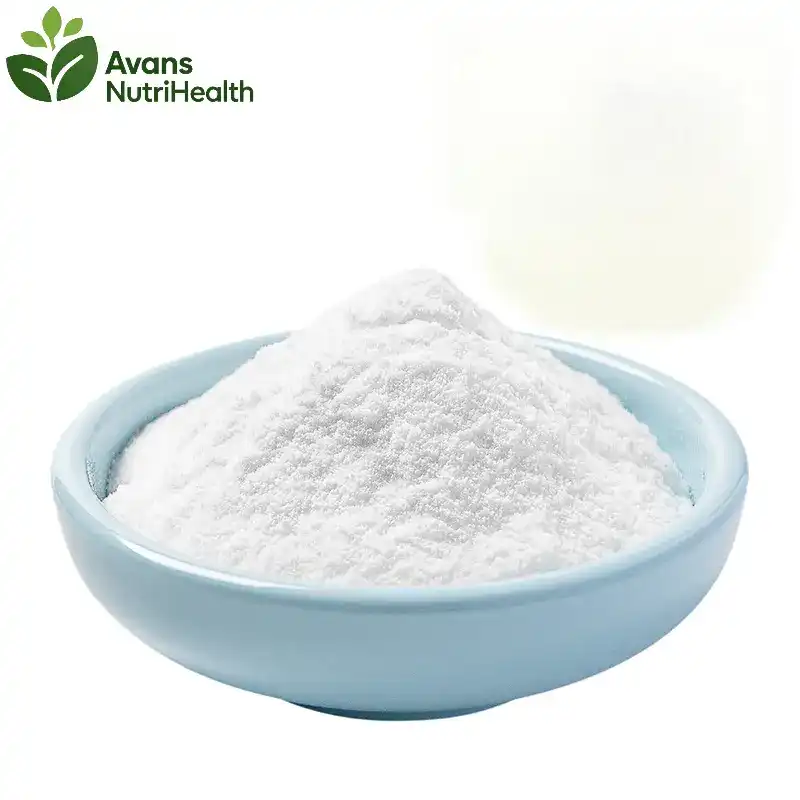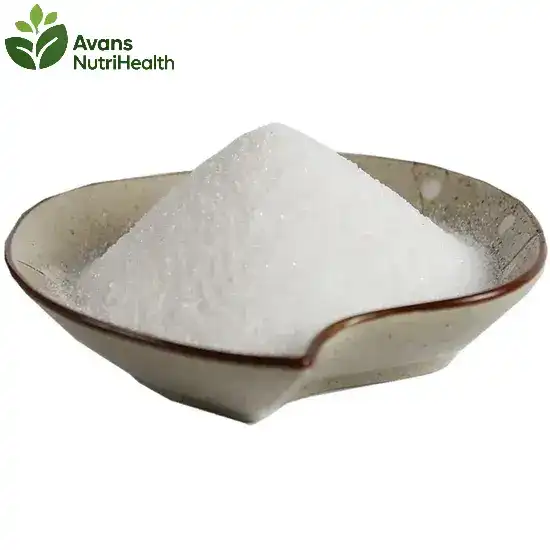




Proper storage and handling of Sialic Acid Powder are critical for maintaining its bioactivity and extending shelf life across pharmaceutical, nutraceutical, and cosmetic applications. N-Acetylneuraminic acid (Neu5Ac), commonly known as sialic acid, requires specific environmental conditions to preserve its structural integrity and therapeutic properties. This comprehensive guide provides manufacturers, formulators, and procurement managers with essential protocols for optimizing product stability, ensuring consistent quality throughout the supply chain, and maximizing return on investment through proper storage practices.
Understanding Sialic Acid Stability Fundamentals
The atomic structure of N-Acetylneuraminic corrosive makes it especially touchy to natural components that can compromise its adequacy in biotechnology applications. This nine-carbon sugar subordinate plays vital parts in cell signaling, resistant reaction balance, and glycoprotein blend. Understanding these solidness essentials makes a difference producers keep up item keenness all through the generation lifecycle.
Temperature vacillations speak to the essential danger to sialic corrosive soundness. The compound experiences warm debasement over 25°C, driving to diminished bioactivity and changed physicochemical properties. Inquire about shows that hoisted temperatures quicken the breakdown of glycosidic bonds, coming about in the arrangement of dormant metabolites that decrease helpful efficacy.
Humidity control demonstrates similarly vital for protecting powder quality. Dampness assimilation can trigger hydrolysis responses, causing clumping, discoloration, and diminished flowability. These changes not as it were influence fabricating forms but moreover compromise the compound's capacity to work as an successful chemical substrate in pharmaceutical formulations.
Light presentation, especially UV radiation, catalyzes oxidative debasement pathways that change the compound's atomic structure. This photodegradation handle creates free radicals that can start chain responses, driving to critical power misfortune and the arrangement of possibly hurtful byproducts.
Optimal Storage Conditions for Maximum Shelf Life
Achieving maximum shelf life for Sialic Acid Powder requires implementing precise environmental controls tailored to sialic acid's unique stability profile. Temperature administration stands as the foundation of viable capacity conventions. The ideal capacity extend ranges 2°C to 8°C, with strict evasion of freeze-thaw cycles that can harm the crystalline structure.
Relative stickiness ought to stay underneath 60% to avoid moisture-related corruption. Introducing appropriate ventilation frameworks and utilizing desiccants makes a difference keep up these conditions, especially in districts with tall surrounding stickiness. Silica gel bundles or atomic strainers give viable dampness control for littler quantities.
Container determination essentially impacts steadiness results. Food-grade stainless steel or high-density polyethylene holders offer predominant security compared to standard plastic bundling. These materials give great boundary properties against dampness, oxygen, and light entrance whereas keeping up chemical inertness.
Inert climate capacity utilizing nitrogen or argon gas assist amplifies rack life by killing oxidative push. This approach demonstrates especially important for high-value pharmaceutical grades where most extreme strength maintenance is fundamental for medicate conveyance applications and cancer investigate protocols.
Regular checking utilizing calibrated temperature and mugginess sensors guarantees capacity conditions stay inside satisfactory parameters. Computerized alert frameworks caution staff to deviations that may compromise item quality, empowering fast remedial action.
Packaging Requirements and Best Practices
Effective bundling frameworks serve as the to begin with line of defense against natural debasement. Multi-barrier bundling approaches give comprehensive assurance whereas keeping up cost-effectiveness for commercial operations. The determination of suitable bundling materials depends on capacity term, natural conditions, and particular application requirements.
Primary bundling ought to utilize moisture-impermeable materials with amazing oxygen boundary properties. Aluminum thwart covered pockets offer uncommon assurance for brief to medium-term capacity, whereas glass holders with tight-fitting closures give ideal security for long-term capacity applications.
Secondary bundling includes another layer of security through padding and cover. Folded cardboard boxes with froth embeds offer assistance keep up steady temperatures amid transportation and taking care of. This approach demonstrates especially critical for universal shipments where items may encounter changing natural conditions.
Labeling necessities must incorporate capacity informational, termination dates, and taking care of safeguards. Clear recognizable proof of ideal capacity conditions makes a difference anticipate dishonorable dealing with that may compromise item quality. Group following data empowers fast distinguishing proof and separation of influenced items if capacity issues arise.
Vacuum fixing expels leftover discuss and dampness, making an ideal microenvironment for amplified capacity. This method demonstrates particularly important for nutraceutical applications where keeping up biomarker astuteness is vital for item efficacy.
Quality Control and Monitoring Protocols
Implementing robust quality control measures for Sialic Acid Powder ensures product integrity throughout the storage period. Customary testing conventions ought to assess key solidness markers counting dampness substance, molecule estimate conveyance, and bioactivity levels. These evaluations give early caution of potential corruption issues.
Analytical strategies such as high-performance fluid chromatography (HPLC) empower exact evaluation of dynamic compound levels and corruption items. Building up pattern estimations at the time of bundling gives reference focuses for progressing soundness assessments.
Microbiological testing conventions confirm the nonappearance of sullying life forms that may compromise item security and viability. Standard plate number strategies combined with particular pathogen testing guarantee compliance with pharmaceutical and nutraceutical industry standards.
Documentation frameworks must track all capacity conditions, test comes about, and taking care of methods. This comprehensive record-keeping bolsters administrative compliance and empowers drift examination for ceaseless advancement of capacity protocols.
Accelerated solidness considers give important bits of knowledge into long-term capacity behavior beneath controlled stretch conditions. These ponders offer assistance anticipate rack life beneath different capacity scenarios and bolster the improvement of optimized bundling solutions.
Industry-Specific Storage Considerations
Different businesses have shifting prerequisites for sialic corrosive capacity based on their particular applications and administrative situations. Pharmaceutical producers must follow to strict Great Fabricating Hone (GMP) rules that order exact natural controls and broad documentation.
Nutraceutical companies center on keeping up bioactivity levels that back safe reaction upgrade and neuroprotection benefits. Capacity conventions must protect the compound's capacity to balance cell attachment and back brain wellbeing applications.
Cosmetic producers prioritize keeping up anti-aging properties and skin compatibility characteristics. Capacity conditions must anticipate changes that seem influence the compound's moisturizing capabilities and dermatological benefits.
Food industry applications require compliance with nourishment security controls whereas keeping up useful properties. Capacity conventions must avoid defilement whereas protecting the compound's part in glycolipid digestion system and cellular function.
Research educate frequently require littler amounts with greatest virtue levels for specialized applications such as viral disease ponders and irritation investigate. Capacity frameworks must suit these necessities whereas keeping up cost-effectiveness.
Troubleshooting Common Storage Issues
Identifying and addressing storage-related problems for Sialic Acid Powder promptly minimizes product loss and maintains supply chain reliability. Common issues include moisture absorption, temperature excursions, and contamination events that can compromise product quality.
Clumping or caking often indicates excessive moisture exposure. Immediate action involves transferring the product to a controlled environment with appropriate desiccants. Gentle mechanical processing may restore flowability in mild cases.
Discoloration typically signals oxidative degradation or contamination. Analytical testing helps determine the extent of damage and whether the product remains suitable for its intended application. Prevention strategies focus on improving barrier packaging and environmental controls.
Reduced bioactivity may result from prolonged storage under suboptimal conditions. Regular potency testing helps identify declining activity levels before they impact final product quality. Implementing first-in-first-out inventory rotation minimizes these risks.
Contamination events require immediate isolation and investigation to prevent spread to other inventory. Proper cleaning and sanitization protocols help restore storage areas to acceptable standards.
Conclusion
Proper storage and handling of sialic acid powder requires careful attention to environmental controls, packaging systems, and quality monitoring protocols. Temperature management between 2°C to 8°C, humidity control below 60%, and protection from light exposure form the foundation of effective storage strategies. Regular quality assessments and proper documentation ensure product integrity throughout the storage period. By implementing these comprehensive storage guidelines, manufacturers can maximize shelf life, maintain bioactivity, and ensure consistent product performance across pharmaceutical, nutraceutical, and cosmetic applications. Success depends on understanding the compound's unique stability characteristics and implementing appropriate protective measures throughout the supply chain.
Partner with Avans for Premium Sialic Acid Powder Solutions
Avans NutriHealth Co., Ltd. stands as your trusted sialic acid powder manufacturer, delivering consistently high-quality products with comprehensive storage and handling guidance. Our ISO-certified facility maintains strict environmental controls throughout production and packaging processes, ensuring optimal stability from manufacturing to delivery. With over 18 years of expertise serving pharmaceutical, nutraceutical, and cosmetic industries worldwide, we understand the critical importance of proper storage protocols for maintaining product integrity. Ready to secure your supply of premium sialic acid powder with expert storage support? Contact us at Lillian@avansnutri.com today.
References
1. Wang, B. and Brand-Miller, J. (2003). The role and potential of sialic acid in human nutrition. European Journal of Clinical Nutrition, 57(11), 1351-1369.
2. Schauer, R. (2009). Sialic acids as regulators of molecular and cellular interactions. Current Opinion in Structural Biology, 19(5), 507-514.
3. Chen, X. and Varki, A. (2010). Advances in the biology and chemistry of sialic acids. ACS Chemical Biology, 5(2), 163-176.
4. Vandamme, E.J., Derycke, D.G., and Vanhooren, P.T. (1999). Microbial synthesis of sialic acid. Advances in Applied Microbiology, 45, 269-289.
5. Iijima, R., Takahashi, H., Namme, R., Ikegami, S., and Yamazaki, M. (2004). Novel biological function of sialic acid (N-acetylneuraminic acid) as a hydrogen peroxide scavenger. FEBS Letters, 561(1-3), 163-166.
6. Yu, H., Chokhawala, H., Karpel, R., Yu, H., Wu, B., Zhang, J., Zhang, Y., Jia, Q., and Chen, X. (2005). A multifunctional Pasteurella multocida sialyltransferase: a powerful tool for the synthesis of sialoside libraries. Journal of the American Chemical Society, 127(50), 17618-17619.