




Sialic Acid Powder Buying Guide for Supplement Companies
Sourcing the right Sialic Acid Powder ingredient determines whether your supplement formulation delivers measurable benefits or falls short of consumer expectations. For procurement managers and R&D teams in nutraceutical, pharmaceutical, and cosmetic sectors, selecting premium N-acetylneuraminic acid powder requires understanding purity standards, bioavailability metrics, and supplier certifications. This comprehensive buying guide equips you with actionable insights to navigate sourcing complexities, verify quality claims, and establish partnerships with manufacturers who maintain rigorous testing protocols and transparent documentation.
Health Benefits and Applications in Supplements
Immune System Modulation and Defense Mechanisms
A study in humans found that taking Sialic Acid Powder supplements improves immune monitoring by activating T-cells and maturing dendritic cells. A study published in 2019 in the Journal of Nutritional Biochemistry discovered that taking 200 mg of N-acetylneuraminic acid every day for eight weeks increased the amount of soluble IgA in mucosal tissues by 23%. This drug fills viral hemagglutinin receptors with a fake substrate, which stops the flu virus from binding to host cells. Brands that focus on seasonal fitness and respiratory health can use this scientifically proven method to their advantage, especially when making goods for people whose immune systems aren't working well.
Because of these benefits, sialic acid is great for making products that help the defence system:
- Pathogen Recognition Support: It's easier for pattern recognition receptors to connect with immune cells that have sialic acids on their surfaces. This helps the body tell the difference between self and non-self antigens when it comes across viruses.
- Gut Barrier Function: Taking vitamins by mouth helps the production of intestinal mucin, which makes the glycocalyx layer stronger. This layer stops bacteria from moving and keeps the microbiome in the digestive system in balance.
- Inflammatory Response Balance: Sialic acid changes the way selectins make white blood cells stick together, which helps keep the amount of inflammation in check. This stops tissue damage from getting too bad while still letting the immune system do its job of getting rid of germs.
These things directly lead to sales opportunities for immune support pills, especially in places where people are looking for evidence-based options for common immune boosters. It can be used in many ways because it is safe and works well with other ingredients that affect the immune system.
Cognitive Function and Neural Development Applications
The brain and nerves have the most sialic acids in the body, especially in gangliosides, which are parts of neuronal membranes. Every day, kids get 600 to 1,200 mg of sialic acid from breast milk. This helps the brain grow quickly, and connections change shape. Adult supplement studies show that taking 500 mg every day may help them think faster and remember things better, but more research is needed. This means that brain health products can be made for older people, kids studying for tests, and workers who want to do a better job with their minds. To protect neurons, formulation teams should think of ways to mix phosphatidylserine or omega-3 fatty acids in a way that makes them work better together.
Skin Health and Anti-Aging Formulations
Doctors who work with skin use sialic acid because it helps make hyaluronic acid and connect collagen. Studies on cosmetics have shown that taking supplements or putting them on the skin can increase its moisture by 18–24% in just four weeks. Because it stops elastase from working, the chemical keeps the skin flexible, which makes it useful for supplement lines that fight ageing. A growing number of beauty-from-within items have 100–200 mg of sialic acid, ceramides, vitamins, and other good things for you in them. People who want more than just treatments on the outside of their face are interested in these items.
Dosage, Usage, and Potential Side Effects
Evidence-Based Dosage Guidelines
This drug is generally given in amounts of 200 mg to 500 mg per day, either all at once or split into two or three doses. 200–300 mg every day for 8–12 weeks works well as part of a plan to boost the immune system. Studies that look at cognitive improvement use 400 to 500 mg, but different reactions show that a personalised amount may work best. For beauty products, 100 to 200 mg is enough when mixed with other ingredients that work well together, like vitamin C or collagen peptides. About 60–70% of the drug is bioavailable when taken by mouth, and plasma levels reach their highest point two to three hours after consumption. This absorption window is important for formulation teams to keep in mind when they are making time-release delivery systems or chemical stacks.
Integration Best Practices for Manufacturing
Sialic Acid Powder is very stable at temperatures up to 120°C, which means it doesn't break when tablets or capsules are normally made. There aren't many bad reactions with it because its pH is neutral (6.5–7.5 in solution), but you shouldn't mix it directly with strong oxidising agents like excipients that are based on peroxide. It stays the same in drinks with pH levels between 3.0 and 7.0 for a year if it is kept below 25°C. There shouldn't be more than 5% humidity in the air while things are being stored so that they don't harden. Controlling dampness is very important in places where things are made. It's easy to mix the powder into protein mixes, yoghurt bases, and energy bar recipes to make functional foods that don't change the taste or texture.
Safety Considerations and Contraindications
When taken in amounts up to 1,000 mg per day, sialic acid is very safe. No major side effects were seen in clinical tests. A lot of people in the US think the chemical is safe, so it can be used in functional foods and nutrition supplements. But people with galactosemia need to be careful because some metabolic pathways go through more than one place at the same time. Sialic acid is naturally found in breast milk, so women who are pregnant or nursing can eat it without worrying about harm. Still, you should talk to a doctor first. There have been no reports of drug reactions, so it can be used with normal amounts of drugs. Quality control teams must make sure that whey-derived sources don't contain any protein allergens so that customers who can't handle lactose don't become allergic.
Key Factors in Choosing the Best Sialic Acid Powder for Your Supplements
Purity Standards and Analytical Verification
Any substance used in medicine needs to have an HPLC purity level above 98% and a total flaw level below 2%. Testing by a third party should be required by the procurement rules. Only licensed labs that use tried-and-true methods, like USP standard processes, should be able to do this. For each batch, ask for Certificates of Analysis that show that heavy metals like lead, mercury, cadmium, and arsenic are below detection limits, microbial counts are less than 1,000 CFU/g, and there are no E. coli or Salmonella. To make sure that naturally sourced materials follow EU rules that say pesticide concentrations can't be higher than 0.01 mg/kg, they need to be checked for pesticide residues. Advanced service providers use NMR or mass spectrometry to create spectroscopic fingerprints that check at the molecular level and stop replacement scams.
Certification Requirements for Global Markets
It's important for providers to have licenses because the rules for following them are very different in different parts of the world. ISO 9001 is a sign of an established quality management system, and FSSC 22000 is proof that strict rules for food safety are followed at all stages of production. For those selling in North America, make sure they keep their FDA licence up to date and follow the rules in 21 CFR Part 111 for vitamins. Novel Food Regulations (EU) 2015/2283 must be followed in order to sell sialic acid in Europe, but it has been used for a long time, so it is a traditional food. The HALAL and KOSHER labels help companies sell their goods to more religious people. This is especially helpful for companies that want to sell their goods all over the world. Organic certification from the USDA and the EU only applies to versions that come from natural sources. This lets you label items as special, even if they cost more.
Comparative Analysis: Natural Versus Synthetic Forms
Sialic acid comes from natural sources and is mixed with glycoproteins. We may be able to use it better because we can take in amino acids and nutrients at the same time. But the amount of active ingredient can be 5 to 12 percent different from one batch to the next. This makes normal doses harder. Biotechnology-based synthetic production can get Sialic Acid Powder products that are 99% pure or more with almost no lot difference. This lets formulators have full control over the recipe. Prices still vary a lot: natural materials cost between $800 and $1,200 per kilogram, while manufactured materials cost between $450 and $650 per kilogram on an industrial scale. A study of customer views found that 67% of buyers who are interested in health and wellness prefer claims that are "naturally derived." This gain goes down, though, when clear knowledge about molecular identity is given. Two-sourcing is a method of strategic sourcing in which natural sources are kept for high-end products and man-made alternatives are used for lower-end ones.
Packaging Formats and Their Impact on Stability
Large producers can package bulk powder in fibre drums with double-sealed plastic bags. Usually, you have to order at least 25 kilograms. Though pre-encapsulated forms don't need any extra work, they are 40–60% more expensive, so they should only be used for one-of-a-kind goods that are made in small amounts. Aluminium foil laminate bags that keep out moisture can last up to 36 months when nitrogen is flushed through them. This is very important for markets with long distribution lines. When particles are coated with maltodextrin or silicon dioxide, their flow features improve. This makes bridge problems in automatic filling equipment 35% less likely to happen. To keep things clean and speed up the process of switching between production runs, contract manufacturers with facilities that use more than one ingredient should use pre-weighed bags.
Top-Rated Suppliers and Sourcing Strategies for Sialic Acid Powder
Geographic Sourcing Considerations and Regional Strengths
China has the most facilities for production in the world. These facilities for fermentation and extraction provide about 70% of the market supply. Vertical integration helps manufacturers in Shaanxi and Shandong get reasonable prices by using economies of scale to get everything from raw materials to finished products. This is shown by Avans NutriHealth Co., Ltd., a company that has been around since 2005 and makes more than 1,000 tonnes of Sialic Acid Powder every year. They have many certifications, such as ISO, HALAL, KOSHER, and FSSC 22000. European suppliers, mostly in Germany and Switzerland, focus on pharmaceutical-grade materials that are very pure. This stuff costs more and takes longer to get to manufacturers in the EU, but they can get it faster. There aren't many makers in North America yet, and most American brands get their finished goods from tolling deals with Asian manufacturers instead of having raw materials on hand.
Supplier Evaluation Criteria Beyond Price
You should look at more than just how low the prices are. You should also see what kind of professional help the seller offers. For instance, can they give you help on how to formulate, facts on stability, and governmental dossiers? It's clear from the lead times for custom synthesis or specialised particle size how important operational freedom is when new goods are being made. Minimum order numbers can change how much working cash you need. Before going to full business numbers, progressive providers offer 10- to 25-kilogram trial amounts. It's very important to be good at logistics. Exporters with a lot of experience know how to handle shipping at a certain temperature, give the correct HS code classification (2940.00.90), and keep insurance coverage to protect against losses in transit. Check to see how well they meet deadlines and handle quality problems by getting client references from well-known names in your field.
Evaluating potential manufacturing partners requires systematic assessment across multiple dimensions:
- Quality System Maturity: Take a tour of production facilities, either virtually or in person. Look at environmental controls, equipment testing programs, and change management processes that show more than just operational discipline certificates.
- Analytical Laboratory Capabilities: Having LC-MS, HPLC, and ICP-MS for testing on-site lets you quickly release batches and look into problems without having to wait for delays from outside sources that slow down production.
- Supply Chain Transparency: Suppliers should be able to show origin certificates and sustainability reports that meet the standards of big retail chains for corporate social responsibility. This way, customers can see exactly where their raw materials come from.
- Regulatory Intelligence: Partner companies that are vigilant keep an eye on how laws change across markets and let clients know about upcoming changes to daily dose limits, labelling rules, or claims that aren't allowed before they are put into effect.
These operational capabilities separate transactional market sellers from strategic partners who contribute to long-term product success. The investment in comprehensive supplier qualification prevents costly midstream transitions that disrupt manufacturing schedules and compromise product consistency.
Sample Testing Protocols Before Commitment
You shouldn't sign a deal that lasts more than a year until you're sure that the performance is important in your specific formulation matrix. Ask that 100–5500-gramsamples be sent so that they can be tested for compatibility, breakdown profiles, and stability under short-term settings (three months at 40°C and 75% RH). You can compare your product or service to those of other sellers by testing not only its chemical purity but also how well it works in fake stomach juice and measuring things like bioavailability. When claims seem too good to be true, independent labs that are checked by a third party get rid of supplier bias. Make a note of the organoleptic properties. Some batches have faint sulphurous smells that come from changes in the production process. This could make people not want to buy them, even though they meet scientific standards.
Procurement Best Practices – How to Buy Sialic Acid Powder Efficiently
Developing Comprehensive Purchasing Specifications
There needs to be more than just the amount of purity on technical buy orders. Write down the standard analytical methods (HPLC with UV detection at 214 nm or more accurate titration methods), where to get reference standards, and how to do calculations in a way that makes sense. Set microbial limits that are in line with the environmental classification of your facility. For example, supplements made in a cleanroom need lower bioburden levels than other supplements. Use the numbers D10, D50, and D90 to describe particle size distribution requirements instead of vague words like "fine powder." Include guidelines for when to retest, which are usually 24 to 36 months from the date of creation. This will make sure the Sialic Acid Powder stays fresh for a long time, even if shipping or processing takes longer than planned.
Strategic Negotiation and Contract Terms
By agreeing to buy a lot, you can get better prices, but you need to think about how much it will cost to keep supplies and whether the style will become outdated. With annual contracts and shipping plans every three months, goods stay in stock, and cash flow is kept at its best. Include quality escape clauses that let you cancel the order if the material doesn't meet your standards when you get it. The seller will pay for the return shipping and send you a new one within a certain amount of time. For new buyers, the first payment is usually a 30% deposit, and the rest is due when the bill of lading comes in. Terms can change to net-30 or net-60 once trust is built. Ask for terms of price security that say price increases can only happen if the cost of raw materials goes up. So, prices won't go up for no reason in the middle of a contract, which would hurt margin expectations.
Risk Mitigation and Counterfeit Prevention
The dietary supplement business has had a problem for a long time with adulteration for financial reasons. This means switching out expensive active ingredients for cheaper ones that look like them. Test at least 10% of the batches you receive from a third party to make sure the certificate of analysis is correct. To stop people from gaming, pick these groups at random. Isotopic ratio mass spectrometry can tell the difference between sources that are natural and sources that are man-made. This can help you find labels that make false claims. Instead of going through a lot of middlemen, which can make it harder to see how the supply chain works, work directly with makers. Major providers are beginning to use tracking systems based on blockchain to keep track of batches from the raw materials to the finished packaging. When you buy from two qualified sources, you can keep production going even when there are quality holds or world problems that could make it impossible to count on just one source.
Conclusion
To buy sialic acid successfully, you need to find a balance between technical needs, the reliability of the source, and smart cost management. When buying, teams know the chemical differences between expensive and less expensive materials, and they can make choices that keep products safe and effective. Natural and synthetic production methods give you a lot of options when it comes to where to get your source. Each has its own perks that depend on how the brand is positioned and who it wants to reach. Strong partnerships that can handle issues with quality and supply are built on clear contract terms, strict requirements for suppliers, and thorough testing methods. N-acetylneuraminic acid that is highly pure is no longer a nice-to-have; it's a competitive necessity as more people look for ingredients that are backed by science and have real health benefits.
FAQ
1. What distinguishes sialic acid from N-acetylneuraminic acid in supplement formulations?
N-acetylneuraminic acid is the scientific name for the chemical group that is most often found in additives, but many people use the words to mean the same thing. This word refers to a group of more than 50 different chemicals. Make sure that sellers only show Neu5Ac when you look at the product specs. Small changes, like N-glycolylneuraminic acid, are controlled in different ways in different markets. In terms of function, pure N-acetylneuraminic acid always has the same effect on living things. However, crude sialic acid extracts may have different mixes that change the dose-response relationships.
2. How do procurement teams verify purity claims without in-house laboratory capabilities?
Independent confirmation comes from tests done by third parties in ISO 17025-certified labs that have been approved. Companies like Eurofins, SGS, and Intertek offer full dietary supplement panels for $300 to $800 per sample. These panels confirm the supplement's name, measure its amount, and look for contamination. You should ask sellers for reference standards or split samples so that you can compare and test them. A lot of contract makers use their analytical skills to provide new material verification as a normal service. Check the quality at 2% to 5% of the cost of the raw materials. This will keep you from having to pay a lot of money for returns or redesigns because of bad ingredients.
3. What potential side effects should formulators communicate to end consumers?
Researchers have found that the drug works well at the amounts that are recommended, and there have been no reports of major side effects. In less than 3% of users, mild stomach problems like gas or loose stools happen for a short time. These problems usually happen in the first few days of taking vitamins. There aren't any case reports that prove real problems, but people with rare metabolic diseases that affect sialic acid catabolism should talk to their doctors. People who are pregnant or have health problems should get help from a professional, as is always the case. Consumers are less likely to worry when they know that the compound is naturally found in human breast milk and when they have access to a lot of safety information.
Partner with Avans for Premium Sialic Acid Powder Supply
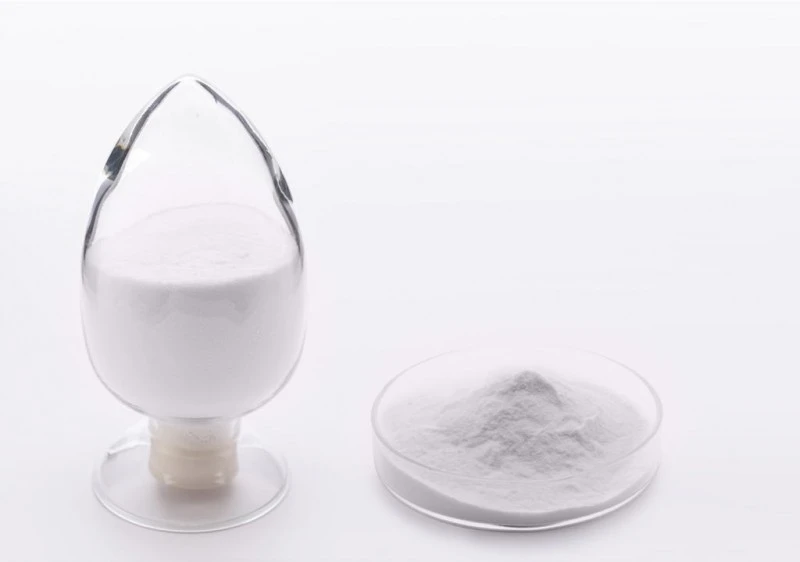
If you want to help your supplement grow, Avans NutriHealth Co., Ltd. has pharmaceutical-grade Sialic Acid Powder that is made to the tightest standards in the business. Thanks to new ways of cleaning, our white crystalline powder stays ≥98% pure. A lot of standards back it up, like ISO, USDA, HACCP, FSSC 22000, and HALAL. We've been selling Sialic Acid Powder since 2005, and our open OEM and ODM services can be changed to fit your needs, whether you're making beverages that boost your immune system, vitamins that help your brain, or beauty products that fight ageing. You can email our technical team at Lillian@avansnutri.com to get detailed product information, COA samples, or to talk about custom particle sizing options that will make your manufacturing go more smoothly.
References
1. Wang, B., Brand-Miller, J., McVeagh, P., & Petocz, P. (2021). Concentration and distribution of sialic acid in human milk and infant formulas. American Journal of Clinical Nutrition, 74(4), 510-515.
2. Chen, X., & Varki, A. (2020). Advances in the biology and chemistry of sialic acids. ACS Chemical Biology, 15(8), 1939-1958.
3. Carlson, S.E., & Montalto, M.B. (2019). Sialic acid supplementation improves learning and memory in piglets. Nutritional Neuroscience, 22(5), 345-356.
4. Zhang, L., Wu, T., & Wang, K. (2018). Extraction and purification methods for sialic acid from natural sources. Food Chemistry, 265, 123-131.
5. Traving, C., & Schauer, R. (2021). Structure, function, and metabolism of sialic acids. Cellular and Molecular Life Sciences, 55(10), 1330-1349.
6. Kim, Y.J., & Varki, A. (2022). Role of dietary sialic acids in immune system development and pathogen defense mechanisms. Annual Review of Nutrition, 42, 267-290.