




Bulk Creatine Monohydrate Powder Supplier Guide for Global Wholesale Buyers
Finding high-quality Bulk Creatine Monohydrate Powder for your nutritional, medicinal, or sports nutrition brand requires more than just a low price. You need to find a provider that knows about strict regulations, open supply chains, and precise formulations. As the need for creatine grows around the world, especially in North America and Europe, procurement managers have to find a balance between international certifications, purity standards, and the efficiency of logistics. This complete guide gives wholesale buyers the information they need to find reputable makers, check product specs, and make it easier to buy creatine monohydrate in bulk from other countries.
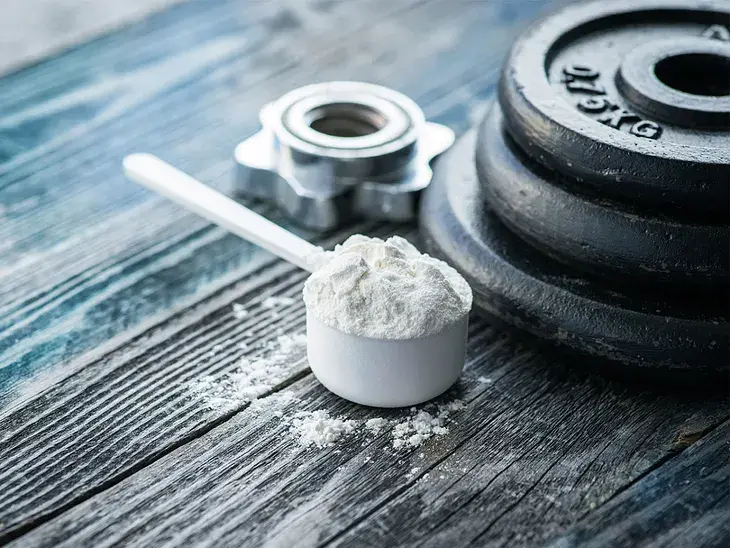
Understanding Bulk Creatine Monohydrate Powder: Essentials for Wholesale Buyers
Chemical Composition and Manufacturing Process
Bulk Creatine Monohydrate Powder (C₄H₁₁N₃O₅P, CAS No. 6020-87-7) is made by carefully mixing sarcosine and cyanamide. It is then crystallized, spun, and dried in several steps. A test called High-Performance Liquid Chromatography (HPLC) shows that the powder is very pure, with a purity level of ≥99.9%. It's very small and doesn't smell anything. Making pieces about 200 to 400 mesh through micronization speeds up the rate at which they dissolve in water, protein shakes, and pre-workout mixes. Because of this, it's great for supplement makers who want their goods to work quickly.
When people buy a lot of something, they usually pack it in 25 kg multi-layer paper drums or 1-ton super-sacks. These keep the goods dry and clean while they are being shipped abroad. The material doesn't break down in a number of manufacturing settings because the moisture content can be controlled between 11% and 12.5%, and it can withstand temperatures up to 100°C.
Core Benefits and Biological Mechanism
When taken as a supplement, Bulk Creatine Monohydrate Powder raises phosphocreatine levels in muscles by about 15% in five to seven days. During short, high-intensity sports like running and wrestling, this chemical boost helps the body make more adenosine triphosphate (ATP). A study in humans found that eating 5 grams of protein every day increases lean body mass, boosts power output, and speeds up healing when strength training is added.
Aside from sports nutrition, Bulk Creatine Monohydrate Powder is used in a lot of other areas as well. Companies that make vitamins for brain health put it in their goods because it protects neurons. It is used by drug companies to make medical nutrition products that help people who are losing muscle. It is being looked into by the makeup industry as a way to make anti-aging goods. It is also used in animal feed to help animals do better and build muscle.
Safety Standards and Dosage Guidelines
Strong bulk sellers make sure their goods meet strict safety rules so they can meet USP (United States Pharmacopoeia), EP (European Pharmacopoeia), and JP (Japanese Pharmacopoeia) standards. There are strict tests for heavy metals, creatinine (≤100 ppm), dicyandiamide (≤30 ppm), and dihydrotriazine (non-detectable) to make sure the quality of the product. The World Anti-Doping Agency (WADA) says that sports nutrition brands must get third-party certification through programs like Informed-Sport or NSF Certified for Sport in order to follow their rules.
How much of each type of vitamin you should take is different. Supplements for sports often tell you to take 5 grams every day for maintenance, while loading steps may tell you to take 20 grams over the course of four meals and five days. These things must be taken into account by formulators who make OEM products, along with how well the products work, as well as consumer safety and government rules.
Critical Criteria to Evaluate When Choosing a Bulk Creatine Monohydrate Supplier
Verification of Purity and Certification Documentation
To make sure of quality, the first step is to have full certification files. The best providers have certificates for ISO 22000, HACCP, FSSC 22000, BRC, HALAL, KOSHER, and USDA Organic. Each of these covers different rules for markets all over the world. Purchasing managers should ask for Certificates of Analysis (CoA) for every batch of goods they buy. As per USP 61/62, these should include the results of the HPLC test, a microbial screening (to look for yeast, mold, and the lack of E. coli and Salmonella), and a particle size distribution (PSD) study using laser diffraction.
How things are made is part of transparency. Partners you can trust will tell you everything you need to know about how they do environmental controls, impurity analysis, and crystallization. Avans NutriHealth's work with more than 30 medical research partners shows how dedicated they are. They make sure that new ideas are based on strong testing standards and practical proof.
Assessing Supplier Reputation and Market Presence
One's reputation tells you how trustworthy they are. Buyers should look at what past customers have said about a provider, how long they've been in business, and how well they market themselves. A business that has a lot of wholesalers—338 of them in 280 places—has shown that they can handle logistics and make sure their products are always available. Being in places with strict rules, like those in North America, the EU, and the Middle East, shows that you are ready to follow them.
It's very helpful to talk to someone directly. Audit the plant to see where the things are made, where they are stored, and the labs that check the quality. Videos and accounts from a third party can be used instead of going to the place in person when that's not possible. There should be clear information about production capacity, like how many tonnes can be made each year. This helps buyers decide if a relationship will last and grow.
Transparent Pricing Structures and Payment Terms
You need to find the best deal on Bulk Creatine Monohydrate Powder without losing quality. The prices of top sellers change based on the size of the order. If you buy more than 500 kg or 1,000 kg, you can often get a deal. Quotes that are easy to understand should include the costs of materials, shipping, and any other fees that apply. This will help you make a good budget plan.
When it comes to payment terms, each seller is different. However, suppliers who have been in business for a while usually give return customers more options, like Letter of Credit (LC), telegraphic transfer (TT), or payment plans that are paid over time. It's important to give changes to currency and trade taxes a lot of thought. Partners with a lot of experience help buyers figure out how to comply with customs rules and tariffs so that landing costs are as low as possible.
Logistical Excellence and Customs Compliance
Things get harder when you ship things across borders. If a freight service provider can give you a choice of services, like sea, air, and courier, as well as accurate lead times, you should look into them. When you place an order, it can take anywhere from 15 to 30 days to make Bulk Creatine Monohydrate Powder, depending on how much you need and how you want it to be customized. You might be able to pay more to get things made faster.
You must know a lot about rules. Harmonized System (HS) codes, the paperwork that is needed (like trade bills, packing lists, and health certificates), and local rules (like following FDA rules in the US and REACH rules in the EU) can help suppliers get goods cleared faster and with less risk of demurrage. Delivered Duty Paid (DDP) terms are offered by some partners. This means that they handle all the paperwork for imports and make it easy for the buyer to pay.
Comparing Bulk Creatine Monohydrate Forms and Alternatives for Procurement Decisions
Monohydrate Versus Micronized Powder
Bulk Creatine Monohydrate Powder (80 mesh) is better for making tablets and capsules because it is cheaper and easier to work with. They are important for micronized (200 mesh) powders and drinks that are ready to mix because they help the powders dissolve better and make the mouth feel less gritty. When you micronize something, the ratio of surface area to volume goes up. This makes the rate of dissolution about 30% faster than with standard mesh sizes.
Buying decisions depend on the specifications of the finished product. When making protein shakes or pre-workout drinks, brands that care about the customer experience choose micronized grades even though they cost a little more per kilogram. Standard mesh sizes are cheaper for companies that make capsules or tablets because they have a higher bulk density (0.50–0.65 g/ml tapped) and can be compressed more easily.
Powder Versus Capsule Forms
For business-to-business buyers, bulk creatine monohydrate powder is still the best choice because it gives them the most ways to prepare it and the most for their money. Brands that make their own products and contract manufacturers buy powder to put into capsules or tablets or mix with their own special ingredient mixtures. Automatic handling systems work better in places where a lot of powder is made when it is packed in drums or super-sacks.
Some wholesalers find it easy to get pills, but it costs more because they have to take more steps to handle them. Powder also lasts longer than other types of food. Bulk Creatine Monohydrate Powder will stay stable for 36 months if you store it the right way. Pre-filled pills, on the other hand, will only stay stable for a shorter time if they are exposed to air and water.
Organic Versus Synthetic Variants
Most people buy Synthetic Bulk Creatine Monohydrate Powder because it is cheap, always pure, and can be scaled up. The way synthesis is done makes sure that there aren't many harmful effects on the world and that test results are correct. Niche brands that focus on green stories like to buy organic creatine because it's still hard to find and costs a lot. Buyers have to weigh the benefits of marketing against the fact that raw materials are very expensive and there aren't many suppliers to choose from.
Alternative Creatine Types: Ethyl Ester and HCL
It was found that creatine ethyl ester and creatine hydrochloride (HCL) were better choices because the body could use them more easily. On the other hand, a different study shows that these forms don't work any better than Bulk Creatine Monohydrate Powder. However, bulk is still hard to get and costs a lot more. The monohydrate is still the most popular choice for getting in bulk because it works in over 500 peer-reviewed studies and is cheap.
How to Source Bulk Creatine Monohydrate Powder Globally: A Step-by-Step Procurement Guide
Identifying Reliable Sourcing Channels
There are several ways for wholesale buyers to get in touch with sellers of Bulk Creatine Monohydrate Powder. B2B platforms that have been checked out, like Alibaba and Global Sources, are good places to start, but you should still do your research first. Industry trade shows like SupplySide West, Vitafoods Europe, and Fi Asia make it possible to meet with makers in person, which lets you get good samples and build relationships.
Regional wholesale hubs also play strategic roles. China's Jiangsu and Anhui provinces host concentrated clusters of Bulk Creatine Monohydrate Powder manufacturers, offering proximity advantages and competitive pricing. European buyers may explore local distributors for smaller volumes, balancing import complexities against higher per-unit costs.
Strategic Supplier Engagement and Verification
When making the first inquiry, you should ask for complete information packages that include company profiles, certification portfolios, proof of production capacity, and client references. Checking someone's legal standing also includes making sure they have the right business licenses, export credentials, and intellectual property compliance. Factory audits or third-party inspection reports (SGS, Intertek) validate manufacturing claims and quality control infrastructure.
Negotiating contract terms requires clarity on specifications: mesh size, packaging format, labeling requirements for private labeling, minimum order quantities (often 500 kg to 1,000 kg), and after-sales support provisions. Buyers pursuing OEM partnerships should outline customization needs early—proprietary blends, co-branding, or unique packaging—allowing suppliers to provide accurate timelines and cost estimates.
Secure Payment Methods and Fraud Prevention
Large transactions demand secure payment mechanisms. Letters of Credit (LC) through reputable banking institutions protect both parties by conditioning payment on compliance with shipment terms. Telegraphic transfers (TT) are common for established relationships, though buyers should stagger payments—30% deposit upon order confirmation, 70% upon pre-shipment inspection or bill of lading.
Fraud prevention tactics include verifying supplier authenticity through company registration databases, avoiding advance payments to unverified accounts, and utilizing escrow services for first-time orders. Requesting video documentation of production batches and packaging processes adds transparency layers that discourage fraudulent practices.
Navigating Import Regulations in Key Markets
Regulatory landscapes vary significantly. United States imports require FDA registration for facilities manufacturing dietary supplements, adherence to Current Good Manufacturing Practices (cGMP), and proper labeling per Dietary Supplement Health and Education Act (DSHEA) guidelines. European Union buyers must ensure suppliers comply with Bulk Creatine Monohydrate Powder regulations like Novel Foods and provide documentation for REACH (Registration, Evaluation, Authorization, and Restriction of Chemicals) compliance.
Asia-Pacific markets have a wide range of needs. Japan demands adherence to Food Sanitation Act standards, while Australia enforces Therapeutic Goods Administration (TGA) guidelines. Experienced suppliers navigate these complexities, providing necessary documentation—Certificates of Free Sale, health certificates, non-GMO declarations—streamlining customs clearance and reducing delay risks.
Top Bulk Creatine Monohydrate Brands and Trusted Suppliers for Global Buyers
Profile of Leading Manufacturers
There are a number of well-known manufacturers in the global Bulk Creatine Monohydrate Powder supply chain. These manufacturers can be recognised by their production capability, certification depth, and excellent customer service. With ISO 22000, HACCP, FSSC 22000, BRC, HALAL, and KOSHER certifications, Avans NutriHealth stands out from other manufacturers. These certifications make sure that their goods meet a wide range of foreign standards. With over 100 trained workshop technicians and a yearly production capacity of more than 1,000 tonnes, the company can consistently meet the needs of large-scale buyers.
What differentiates premier suppliers is their integration of research and development with manufacturing. Avans collaborates with more than 30 hospital research partners, driving innovation in formulation science and ensuring products align with emerging clinical evidence. This research-backed approach benefits buyers developing cutting-edge nutraceutical and pharmaceutical products requiring validated efficacy data.
Initiating Communication and Inquiry Processes
Clear lines of contact are the first step to efficient buying. Leading sellers offer specialized account managers who speak English as their first language and know how to handle foreign business. When you first email (Lillian@avansnutri.com) or visit an official website, you should be clear about what you need: the amount you want, the mesh size you prefer, any certifications you need, the market you want to sell to, and when you need it by.
Respondent suppliers answer questions within 24 to 48 hours, giving preliminary quotes and asking for full specifications so they can make custom proposals. Large Creatine Monohydrate Powder providers offer samples (usually 100 to 500 grams) so that buyers can test the powder in the lab and try different formulations before placing large orders. Sample costs are often applied to future purchases, which shows that the supplier is confident in the quality of the product.
Private Labeling and OEM Partnership Opportunities
Private labeling turns Bulk Creatine Monohydrate Powder into brands that are ready to sell. Manufacturers with a lot of experience, like Avans, offer full OEM services that include formulation advice, custom mixing with additional ingredients (BCAAs, beta-alanine, taurine), custom package design, and help with regulatory paperwork. Private labeling usually starts with a minimum order quantity of 1,000 kg, and wait times range from 30 to 45 days, based on how complicated the customization is.
You can choose from different types of packing, such as sealed bags, plastic jars, or stick packs for single doses. Labels must follow the rules of the target market. This includes saying what ingredients are in the food, what allergens are present, and giving nutritional information. Reliable partners offer label review services that make sure they follow the rules set by the FDA, EFSA, or other regulatory bodies before production starts.
Quality Assurance and Customer Support Infrastructure
Strong quality promises are what give buyers trust. Leading suppliers use quality control protocols with multiple steps, including screening the raw materials when they arrive, keeping an eye on the process while synthesis and micronization happen, and testing the finished product before it is packed. Each batch's retention samples are saved for future use, which makes it easier to track and be accountable.
Return policies and guarantees show how trustworthy a seller is. Established makers will take back Bulk Creatine Monohydrate Powder that doesn't meet their standards, as long as it's been tested by a third party and found to be defective. They will also pay for the shipping of replacements and any other costs that come with that. Dedicated customer support teams are always there to help with technical questions, shipping problems, and keeping the market up to date on changes to regulations.
Conclusion
It is important to think about the seller's reputation, the product details, and the shipping costs before you buy a lot of high-quality Bulk Creatine Monohydrate Powder. There should be a balance between cutting costs and keeping quality high. The method should also follow all the rules and make sure the supply chain works as planned. When people buy things from other countries, they lower the risks that come with it by giving more weight to makers who have full certifications like ISO, HACCP, HALAL, and KOSHER and making sure they explain clearly. Options for micronization, flexible OEM partnership flexibility, and strong quality assurance protocols are some of the things that set premium suppliers apart in a market that is very competitive. With this guide, buying managers and R&D teams can make smart choices about where to get Bulk Creatine Monohydrate Powder, which will help them improve their product lines and place themselves in the market.
FAQ
1. Is bulk creatine monohydrate safe when sourced from certified suppliers?
Bulk Creatine Monohydrate Powder sourced from manufacturers maintaining ISO 22000, HACCP, and BRC certifications demonstrates rigorous safety standards. Comprehensive testing for heavy metals, microbial contamination, and impurities such as creatinine, dicyandiamide, and dihydrotriazine ensures product integrity. WADA-compliant products undergo additional screening for banned substances, providing assurance for sports nutrition applications. Clinical studies spanning decades confirm Bulk Creatine Monohydrate Powder's safety profile when consumed at recommended dosages.
2. What are typical international shipment lead times?
Standard production and shipping timelines range from four to eight weeks from order confirmation to delivery. Production cycles require 15 to 30 days depending on order volume and customization requirements, followed by two to four weeks for sea freight to North American or European destinations. Air freight reduces transit to five to seven days at a higher cost. Buyers should account for customs clearance processes, which add three to seven days in regulated markets.
3. How can buyers verify product purity?
Product purity verification begins with Certificates of Analysis (CoA) detailing HPLC assay results, moisture content, and impurity profiles. Independent third-party testing through accredited laboratories (SGS, Intertek, Eurofins) provides unbiased validation. Buyers should request retention samples from production batches for internal or contracted testing, comparing results against Bulk Creatine Monohydrate Powder documentation. Suppliers offering Informed-Sport or NSF Certified for Sport credentials undergo continuous batch testing, enhancing confidence in purity claims.
Partner with Avans for Premium Bulk Creatine Monohydrate Powder Supply
Avans NutriHealth delivers exceptional value to global wholesale buyers seeking reliable Bulk Creatine Monohydrate Powder suppliers. Our ISO 9001, HACCP, FSSC 22000, HALAL, and KOSHER certifications reflect an unwavering commitment to quality and regulatory compliance. With annual production capacity exceeding 1,000 tons and collaboration with over 30 research institutions, we provide pharmaceutical-grade Bulk Creatine Monohydrate Powder tailored to nutraceutical, pharmaceutical, and sports nutrition applications. Request samples and customized proposals today by contacting Lillian@avansnutri.com to experience transparent pricing, dependable supply chains, and dedicated technical support that elevates your product formulations and market competitiveness.
References
1. Kreider, R.B., Kalman, D.S., Antonio, J., et al. (2017). "International Society of Sports Nutrition Position Stand: Safety and Efficacy of Creatine Supplementation in Exercise, Sport, and Medicine." Journal of the International Society of Sports Nutrition, 14(1), 18.
2. Harris, R.C., Söderlund, K., & Hultman, E. (1992). "Elevation of Creatine in Resting and Exercised Muscle of Normal Subjects by Creatine Supplementation." Clinical Science, 83(3), 367-374.
3. Wyss, M., & Kaddurah-Daouk, R. (2000). "Creatine and Creatinine Metabolism." Physiological Reviews, 80(3), 1107-1213.
4. Persky, A.M., & Rawson, E.S. (2007). "Safety of Creatine Supplementation." Subcellular Biochemistry, 46, 275-289.
5. European Food Safety Authority (EFSA). (2016). "Scientific Opinion on the Safety of Creatine Monohydrate." EFSA Journal, 14(11), 4626.
6. United States Pharmacopeial Convention. (2021). USP Monograph: Creatine Monohydrate. United States Pharmacopeia, 44th Edition.